
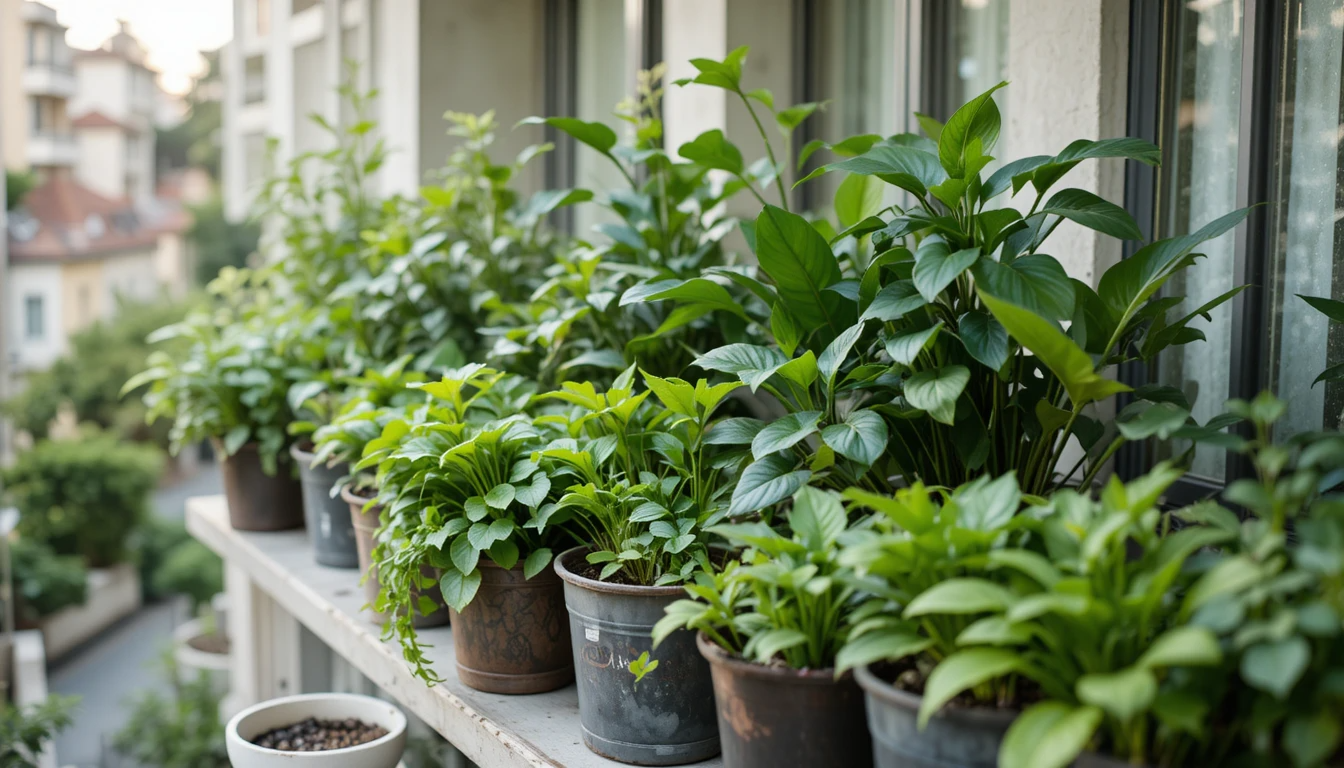
You’ve mastered the practical aspects. Your containers thrive, your vertical systems maximize space, and your garden supports local biodiversity. But there’s a deeper dimension to urban green living that transcends technique—a psychological and philosophical realm where the true transformation occurs. This isn’t just about growing plants; it’s about growing yourself, your community, and a new way of being in the urban world.
Welcome to the third installment in our Urban Green Living series, where we explore what happens when gardening moves from your balcony to your being. Over 3500+ words, we’ll examine:
- The neuroscience of gardening: how soil literally changes your brain
- The philosophy of care: from Heidegger to your herb spiral
- Time, seasons, and the urban psyche’s dislocation from natural rhythms
- Grief, resilience, and learning from garden failures
- The garden as spiritual practice in secular spaces
- Creating meaning and legacy through urban cultivation
This is the dimension where the humble act of tending a balcony tomato becomes a radical reclamation of attention, a subversion of consumer culture, and a profound practice of hope.
Chapter 1: The Neuroscience of Soil: Why Gardening Makes Us Better Humans
1.1 Mycobacterium vaccae: The “Happy” Soil Bacterium
The science is astonishing: a common soil bacterium, Mycobacterium vaccae, acts as a natural antidepressant when inhaled or ingested through garden-grown food.
The Research:
- Stimulates serotonin production (the “happy” neurotransmitter)
- Reduces inflammation in the brain
- Improves cognitive function and learning
- Functions similarly to pharmaceutical SSRIs, but without side effects
Practical Application:
Garden with bare hands sometimes. Don’t over-sanitize your produce. Your garden isn’t just producing food—it’s producing neurological well-being.
1.2 Attention Restoration Theory and the Urban Garden
Urban environments demand “directed attention”—the effortful, draining focus needed to navigate traffic, screens, and complex social situations. Nature offers “soft fascination”—effortless attention that restores cognitive resources.
Your Garden as Cognitive Sanctuary:
- The random patterns of leaves, the gentle movement of plants in breeze—these provide the soft fascination that reboots prefrontal cortex function
- Even 5 minutes of garden viewing can measurably improve concentration and reduce mental fatigue
- Container placement matters: position gardens where you naturally pause (by windows, entryways) for micro-restorative moments throughout the day
1.3 Biophilia Hypothesis: Our Innate Need for Life
E.O. Wilson’s biophilia hypothesis suggests we possess an innate, genetically programmed affinity for life and life-like processes.
Urban Biophilia Deficiency Syndrome:
Symptoms include anxiety, depression, and chronic dissatisfaction in environments devoid of life patterns. The sterile, geometric, non-living materials of most urban spaces literally starve a fundamental human need.
Your Garden as Biophilic Prescription:
- Incorporate the essential elements of biophilic design: complexity, fractal patterns, mystery, prospect/refuge
- Create “micro-wilderness” in containers—allow some spontaneous growth, don’t over-prune
- Include water elements (even a small bowl) and natural materials (wood, stone, terracotta)
Chapter 2: Philosophical Foundations: From Aristotle to Your Apartment
2.1 The Ethics of Care: A Feminist Philosophical Framework
Carol Gilligan’s ethics of care emphasizes responsibility, relationship, and context over abstract rules—a perfect framework for understanding gardening’s deeper meaning.
Gardening as Practice of Care:
- You respond to the specific needs of this tomato plant in this container with this soil
- You develop attentiveness—noticing subtle changes before problems escalate
- You practice non-dominating relationship—working with nature rather than controlling it
- You accept interdependence—your thriving is tied to the plant’s thriving
2.2 Phenomenology: Gardening as Being-in-the-World
Martin Heidegger’s concept of “dwelling” versus “merely occupying space” illuminates urban gardening’s transformative potential.
From Apartment Occupant to Urban Dweller:
- Occupying: Using space instrumentally (sleeping, storing, entertaining)
- Dwelling: Being in meaningful relationship with your place, understanding its rhythms, caring for its flourishing
Your garden transforms your balcony from “outdoor storage” to a place of dwelling—a space where you belong and participate in life processes.
2.3 The Tao of Container Gardening
Ancient wisdom for modern spaces:
Wu Wei (Effortless Action):
- The gardener who over-waters, over-fertilizes, over-prunes creates problems
- The gardener who observes, responds minimally, and allows natural processes works with the Tao
- Your most important gardening skill may be learning when not to intervene
Yin-Yang Balance in Urban Spaces:
- Every sunny balcony needs shade containers
- Every water-retentive soil needs drainage
- Every structured planting needs spontaneous volunteers
- Seek complementary opposites in your garden design
Chapter 3: Time and Seasonality in the Urban Psyche
3.1 The Tyranny of Linear Time
Cities operate on mechanical, linear time—schedules, deadlines, efficiency metrics. Nature operates on cyclical, seasonal time—growth, decay, dormancy, rebirth.
The Psychological Cost of Linear-Time Living:
- Constant urgency without resolution
- Achievement without satisfaction (always on to the next goal)
- Disconnection from natural completion/rest cycles
- The perpetual “not-enoughness” of productivity culture
3.2 Gardening as Re-entry into Cyclical Time
Your garden forces engagement with natural rhythms:
The Garden’s Time Signatures:
- Daily: Morning watering, evening observing
- Weekly: Seed checking, progress noting
- Seasonal: Planting, tending, harvesting, resting
- Annual: Succession, rotation, soil building
Practice: Keep a non-productive garden journal. Not just yields, but observations: “First ladybug today.” “Moonflower bloomed at 8:17 PM.” “Soil smells different after rain.”
3.3 The Gift of Slowness in Instant Culture
A tomato takes 60-90 days from seed to fruit. This cannot be accelerated. This enforced patience rewires our relationship with time.
The Anti-Algorithm Garden:
Unlike social media feeds optimized for instant dopamine hits, your garden operates on biological time. Waiting for germination, watching slow growth—these are radical acts in an instant-gratification culture.
Create “Slow Observation” Rituals:
- Five minutes of morning observation without phones
- Weekly photo from the same angle to notice subtle changes
- Seasonal tasting rituals—the first strawberry, the last tomato
Chapter 4: Failure, Grief, and Resilience
4.1 The Inevitability of Garden Grief
Plants die. Crops fail. Pests destroy. These aren’t failures of gardening; they’re part of gardening.
Common Garden Griefs:
- The seedling that dampens off
- The tomato plant with blossom end rot
- The herbs decimated by aphids
- The unexpected frost that kills everything
4.2 Grief as Teacher
Each loss teaches something essential:
Ecological Humility:
You control less than you think. Weather, insects, microorganisms—all have agency. Gardening properly understood is negotiation, not domination.
Non-Attachment:
Buddhist wisdom in the vegetable patch: tend carefully, but hold outcomes lightly. The gardener who cannot accept loss will be perpetually frustrated.
Resilience Building:
Each recovery—composting the dead plant, replanting, trying again—builds psychological resilience that transfers to other life domains.
4.3 Rituals for Garden Loss
Don’t just toss dead plants. Honor the cycle:
The Compost Ritual:
“As I add your leaves to the compost, I thank you for what you taught me. Your matter will feed future plants. The cycle continues.”
The Failure Journal:
Record not just what died, but what you learned. This transforms “failure” into data, and data into wisdom over seasons.
Chapter 5: The Garden as Spiritual Practice (Without Religion)
5.1 Sacred Attention
The quality of attention determines the quality of experience. Gardening cultivates sacred attention—attention that sees the miraculous in the mundane.
Practices of Sacred Attention:
- The Daily Noticing: One new detail each day
- The Full Cycle Witnessing: Following one plant from seed to compost
- The Microscope Meditation: Occasionally examining leaves, soil, insects with magnification
5.2 Interbeing: Thich Nhat Hanh in the Urban Garden
The Zen teacher’s concept of “interbeing”—that nothing exists independently—comes alive in container gardening.
Trace the Connections:
- This tomato contains last year’s compost, yesterday’s rain, today’s sunlight, the bee that pollinated it
- You contain the tomato, and it becomes you
- Where do “you” end and the “garden” begin?
Create an Interbeing Meditation:
While watering: “This water fell as rain, traveled through pipes, now feeds this plant which will feed me. We are all water, temporarily in different forms.”
5.3 The Sabbath Garden
Create one container as a “Sabbath space”—no harvesting, no pruning, no “productive” work. Only observation, appreciation, and rest.
The Rules of the Sabbath Container:
- No interventions except minimal watering to sustain life
- Allowed to go to seed
- Allowed to become “messy” and “unproductive”
- A weekly 10-minute sit-with without agenda
Chapter 6: Meaning, Legacy, and Urban Ancestry
6.1 The Meaning Crisis and the Garden Response
Modern urban life often lacks the traditional sources of meaning: connection to land, multigenerational continuity, participation in life-sustaining work.
Gardening Addresses All Three:
- Connection to land: Even a balcony is land
- Multigenerational continuity: Saving seeds, sharing knowledge
- Life-sustaining work: Literally growing life
6.2 Creating Garden Legacy in Transient Urban Life
City dwellers move frequently. How do we cultivate legacy in impermanent spaces?
The Portable Legacy:
- Seed Heritage: Save and carry seeds from place to place
- Knowledge Legacy: Document and share what you learn about urban microclimates
- “Ghost Gardens”: Leave behind planted containers, instructions, and invitations for next tenants
The Ripple Legacy:
Your garden’s impact extends through:
- Inspired neighbors
- Shared cuttings that grow in other spaces
- Changed building policies regarding greening
- Children who grow up seeing food growing as normal
6.3 The Heirloom of Attention
The most valuable thing you cultivate isn’t tomatoes—it’s your capacity for attention, care, and relationship with the living world.
This heirloom is transferable to:
- Your relationships (noticing subtle needs)
- Your work (patient cultivation of projects)
- Your community (tending social ecosystems)
- Yourself (attending to your own growth needs)
Chapter 7: Integration Practices: From Philosophy to Daily Life
7.1 The Mindful Gardening Protocol
Transform routine tasks into mindfulness practices:
Watering Meditation:
- Feel the water’s weight in the can
- Listen to the sound of pouring
- Watch soil darken as it absorbs
- Notice plants’ response over next hours
Weeding as Mental Clearing:
- Each weed = a distraction or worry
- Pulling it = releasing that distraction
- The clear soil = a clear mind
7.2 Garden Wisdom for Urban Challenges
Apply gardening principles to non-garden life:
Succession Planting for Life Balance:
Don’t try to do everything at once. What’s “in season” in your life right now? What needs to be “dormant”?
Composting Difficult Experiences:
What “waste” from your day (frustrations, failures) can be transformed into learning nutrients?
Pruning for Growth:
What activities, commitments, or possessions need pruning so energy can flow to what truly matters?
7.3 The Urban Gardener’s Ethical Code
Develop a personal philosophy that extends beyond your balcony:
- I will increase life wherever I can.
- I will take only what I need and return nutrients to the system.
- I will observe before intervening.
- I will share abundance without expectation.
- I will accept both growth and decay as natural.
- I will remember I am part of, not separate from, the living world.
Conclusion: The Ultimate Yield
After seasons of urban gardening, you’ll harvest more than food. You’ll harvest:
A transformed relationship with time—from linear anxiety to cyclical participation
A deepened capacity for attention—from scattered to focused, from superficial to nuanced
A practical philosophy of care—extending from plants to people to place
A resilience grounded in natural cycles—understanding that after every winter comes spring, after every death comes new growth
A sense of belonging—not just to human community, but to the more-than-human world that persists even in concrete landscapes
The ultimate yield of urban green living is a self that is more patient, more observant, more humble, more connected, and more hopeful. It’s a way of being urban that doesn’t fight against nature but finds nature everywhere—in the crack in the pavement where a weed grows, in the balcony container, in the community garden plot, and in our own capacity to nurture life.
Your garden, no matter how small, becomes a classroom where the curriculum includes:
- The physics of water and light
- The chemistry of soil
- The biology of growth
- The ecology of relationship
- The psychology of care
- The philosophy of dwelling
- The spirituality of interconnection
And you are both student and teacher, both tender and tended-to, both gardener and garden.
Final Practice:
Tonight, as the city lights come on, step onto your balcony or look at your windowsill. Don’t check for pests or water needs. Simply behold. See not just plants in containers, but an entire philosophical statement, a psychological sanctuary, a spiritual practice, and a radical act of hope in a world that needs more life, more care, more connection.
You’re not just growing plants. You’re growing a new way to be human in the city.
Continue the conversation: #UrbanGreenMind #PhilosophicalGardener
This completes our three-part Urban Green Living series spanning practical techniques, advanced systems, and psychological-philosophical dimensions. You now possess a complete framework for transforming not only your space but your self and your relationship with the urban world. The journey continues with each seed planted, each plant tended, each moment of attention given. Keep growing.