
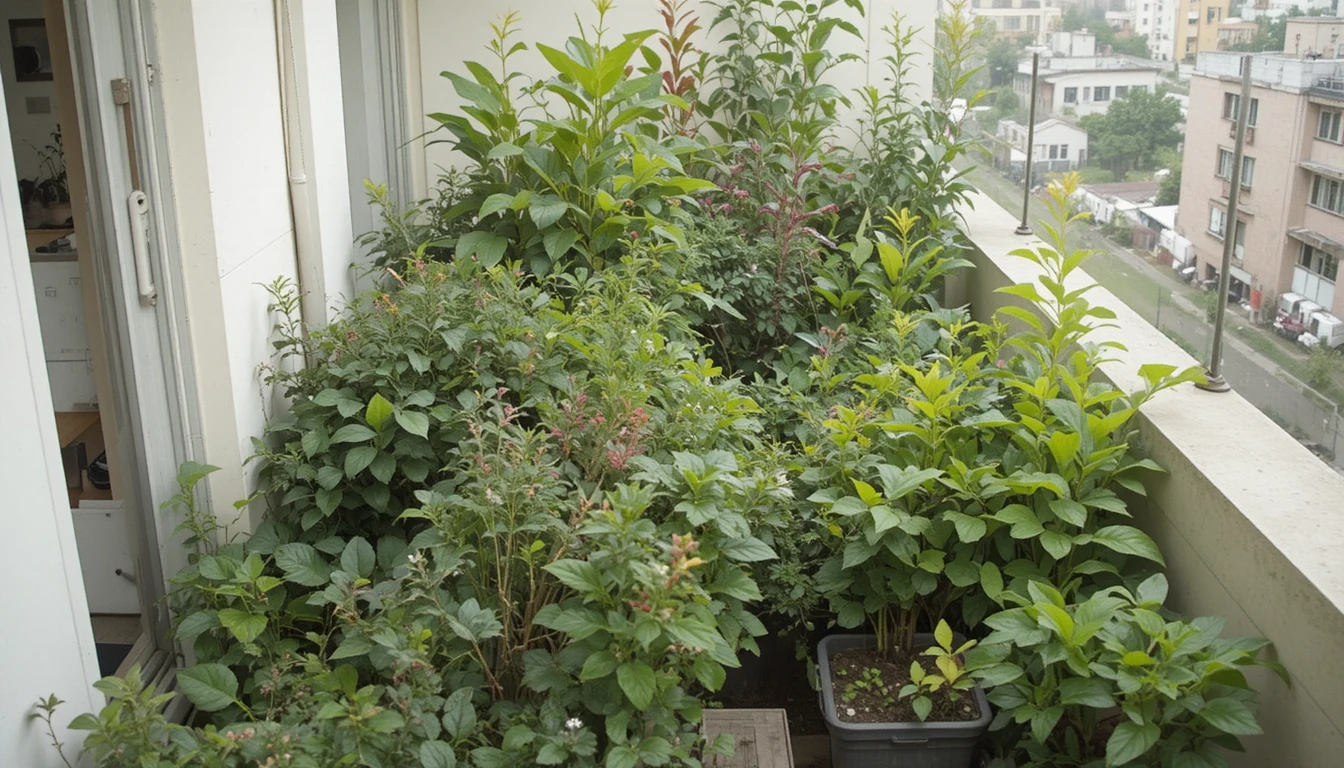
You’ve planted your first containers, watched seeds sprout, and experienced the quiet satisfaction of harvesting your own herbs. Now what? The urban green living journey doesn’t end with a thriving balcony garden—it evolves into something deeper, more integrated, and more impactful. Welcome to the second stage: where your personal green space becomes part of a larger ecological and social system.
This 3500+ word guide picks up where our first installment left off. We’re moving beyond basic container gardening into advanced techniques, technological integration, ecological stewardship, and community transformation. Whether you’re looking to climate-proof your garden against urban extremes, create a true wildlife habitat, leverage technology for better yields, or become a catalyst for neighborhood greening—this guide provides the roadmap.
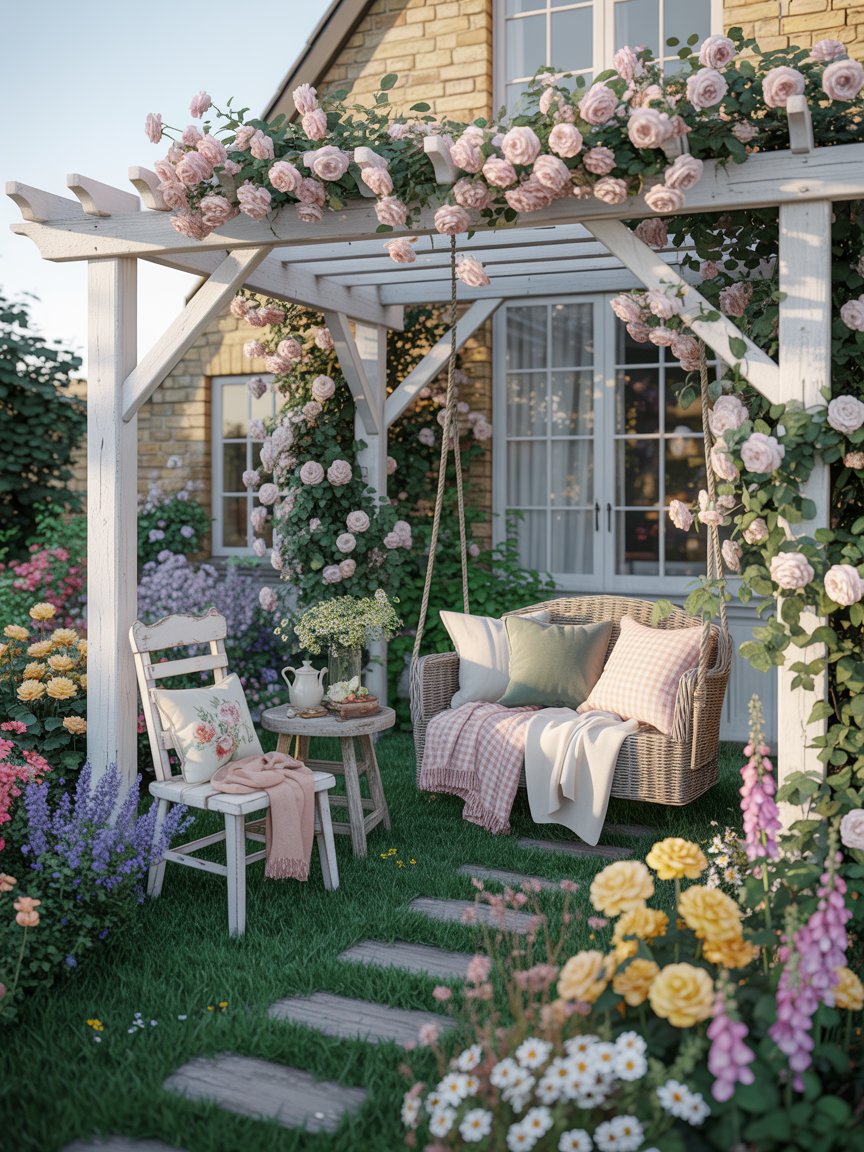
Urban green living at this level isn’t just about growing plants; it’s about growing resilience, growing community, and growing a new urban ecosystem.
Chapter 1: Climate-Proofing Your Urban Garden
1.1 The Urban Climate Challenge: Heat Islands, Pollution & Extreme Weather
Cities create their own microclimates, often 2-10°F hotter than surrounding areas. Add to this pollution stress, wind tunnels between buildings, and the “concrete oven” effect where surfaces radiate heat long after sunset.
Advanced Strategies:
- The Thermal Mass Principle:
- Use dark-colored containers that absorb daytime heat and release it at night, protecting roots from temperature swings
- Place large water containers (even decorative ones) among plants—water has high thermal mass and moderates microclimate
- Incorporate stone or brick elements that store and slowly release warmth
- Creating Micro-Oases:
- Cluster plants to create humidity pockets through collective transpiration
- Use taller plants or structures to create shade for more sensitive species
- Implement a “green mulch” of living ground covers like creeping thyme in large containers to reduce soil temperature
- Wind Management Systems:
- Install temporary windbreaks using lattice or permeable fabrics (40-60% open area works best)
- Create living windbreaks with bamboo in containers or fast-growing vines on trellises
- Use the “staggered height” technique—place taller plants upwind to break force before it hits shorter ones
1.2 Pollution Mitigation: Beyond Air Purification
Urban gardens face particulate matter, ozone, and heavy metals. Certain plants don’t just survive these conditions—they actively remediate.
The Heavy Metal Question:
- Safe Edible Gardening: If gardening near heavy traffic (within 100 feet of busy roads), use raised beds with imported clean soil and grow fruiting crops (tomatoes, peppers) rather than leafy greens that accumulate more pollutants
- Phytoremediation Champions: Sunflowers, mustard greens, and ferns can uptake heavy metals. Grow these ornamentally, then dispose of plant material in municipal waste (not compost)
The Pollution-Fighting Plant Matrix:
- For Particulate Matter (PM2.5/PM10): Conifers (dwarf varieties), English ivy, holly
- For Ozone: Snapdragons, petunias, black-eyed susans
- For Nitrogen Oxides: Geraniums, spider plants, Boston ferns
1.3 Water Resilience: Surviving Droughts and Downpours
Climate change brings weather extremes. Your garden must handle both water scarcity and deluges.
The Urban Drought-Proof System:
- Hydrogel Integration: Add water-retaining crystals to potting mixes (use biodegradable options)
- Clay Pot Irrigation (Olla Method): Bury unglazed terracotta pots among plants, fill with water—provides slow, deep irrigation
- Mulching at Scale: Use mineral mulches (gravel, clay balls) that don’t decompose for perennial plantings
The Urban Flood Management System:
- The “Sponge Pot” Design: Create container gardens with multiple drainage layers—gravel, sand, then soil—to maximize absorption
- Rain Garden Principles in Containers: Plant water-loving species (canna, iris, sedges) in containers with reduced drainage to capture and slowly release runoff
- Modular Water Storage: Connect multiple rain barrels across a balcony with overflow pipes to maximize capture during storms
Chapter 2: The Techno-Ecological Garden
2.1 Smart Gardening: Appropriate Technology for Urban Spaces
Technology should enhance ecology, not replace it. These tools create more resilient systems with less effort.
Monitoring Systems Under $100:
- Soil Sensor Networks: Bluetooth-connected sensors that monitor moisture, light, temperature, and nutrient levels
- Automated Drip Systems with Smart Controllers: Schedule watering based on weather forecasts rather than timers
- Plant Recognition Apps: Use AI to identify pests, diseases, and nutrient deficiencies through photo analysis
DIY Smart Garden Projects:
- Build a Raspberry Pi Garden Monitor: For under $50, create a system that texts you when plants need water or temperatures drop
- Arduino-Controlled Grow Lights: Program LED lights to simulate perfect seasonal light cycles for indoor plants
- Automated Compost Monitor: Sensors that track compost temperature and moisture, indicating when to turn the pile
2.2 Energy-Positive Gardening
Your garden can produce more than food—it can produce energy.
Micro-Scale Renewable Integration:
- Solar-Powered Water Pumps: Circulate water in small aquaponic systems or decorative features
- Piezoelectric Pathways: While still emerging, stepping stones that generate electricity from foot pressure can power LED garden lights
- Venturi Effect Water Aeration: Create non-electric water features that oxygenate container ponds using falling water
The Urban “Plant Battery” Experiment:
- Certain plants (like the Biophotovoltaic Moss) can generate minute electrical currents
- While not yet practical for powering devices, these systems demonstrate plant potential and make excellent educational projects
2.3 Data-Driven Gardening
Keep a digital garden journal that tracks:
- Planting dates and varieties
- Weather patterns and microclimate data
- Pest and disease occurrences
- Yield quantities
- Soil test results over time
Analytics for Improvement:
Use this data to determine:
- Which varieties truly perform best in YOUR specific microclimate
- Optimal planting times based on local temperature trends
- Pattern recognition for pest outbreaks (often tied to specific weather conditions)
Chapter 3: Creating True Urban Wildlife Corridors
3.1 Beyond Pollinators: Supporting Urban Biodiversity
A mature urban garden becomes an ecosystem node in the city’s fragmented green network.
The Four-Layer Habitat:
- Canopy Layer (7+ feet): Dwarf trees, tall shrubs—provides bird nesting and lookout points
- Understory Layer (3-6 feet): Berry bushes, flowering perennials—shelter for birds and insects
- Ground Layer (0-2 feet): Herbs, ground covers, mulch—habitat for beetles, spiders, amphibians
- Vertical Layer: Climbers on walls—connect layers and provide transit routes
Specialized Habitats:
- Insect Hotels: Not just bee houses—create different compartments for solitary bees, ladybugs, lacewings, and beetles
- Mini-Ponds: A container as small as 5 gallons can become a breeding ground for beneficial insects and drinking source for birds
- Rock Piles and Log Piles: Provide shelter for amphibians, reptiles, and overwintering insects
3.2 The Nocturnal Garden: Supporting Night Life
Cities need biodiversity beyond daylight hours.
Moon Garden Design:
- Plant white and silver foliage plants that reflect moonlight
- Include night-blooming flowers like evening primrose, moonflower, and night-scented stock
- Avoid bright lighting that disrupts nocturnal insects and animals
Bat and Owl Support:
- Install bat boxes on high, sunny walls (bats can eat thousands of mosquitoes nightly)
- Create nesting sites for urban-adapted owls with appropriate boxes
- Plant species that support night-flying moths (essential bat food)
3.3 The Soil Food Web: The Foundation of Your Ecosystem
Healthy soil isn’t just about nutrients—it’s about life.
Cultivating Soil Biodiversity:
- Inoculate with Indigenous Microorganisms: Capture local microbial life by fermenting leaf litter from nearby parks
- Create Worm Towers: PVC pipes with holes sunk into large containers provide direct access for worms to process organic matter
- Mycorrhizal Partnerships: Add mycorrhizal fungi to planting holes—extends root systems 100x, improves drought resistance
The Living Soil Checklist:
Your soil should contain visible evidence of:
- Earthworms and worm castings
- Springtails (tiny white jumping insects)
- Fungal hyphae (white threads in compost)
- Diverse insect larvae
Chapter 4: The Social Garden: Scaling Impact Through Community
4.1 From Personal to Collective: Models for Expansion
Your successful garden can seed change far beyond your space.
The Ripple Effect Models:
- The “Plant Adoption” Program: Propagate extra plants and offer them to neighbors with growing instructions
- Skill-Sharing Workshops: Host balcony gardening tutorials for your building or street
- The “Green Building” Campaign: Advocate for and help install communal composting, rainwater harvesting, or green walls in your apartment building
Digital Community Building:
- Create a hyper-local gardening WhatsApp or Telegram group
- Start an Instagram account documenting your garden’s evolution and tagging local gardeners
- Develop a seed and cutting exchange map for your neighborhood
4.2 Policy and Infrastructure Advocacy
Individual action meets systemic change.
Effective Advocacy Strategies:
- Data Collection: Document your garden’s temperature reduction, water capture, or food production to present to local officials
- Model Projects: Create visibly beautiful and productive spaces that serve as proof-of-concept
- Coalition Building: Partner with existing groups (cycling advocates, pedestrian groups, neighborhood associations) to advocate for green infrastructure
Specific Policy Targets for Urban Gardeners:
- Right to Dry Laws: Allow clotheslines and reduce energy use
- Rainwater Harvesting Deregulation: Remove barriers to collecting rainwater
- Composting Mandates: Advocate for municipal composting like other utilities
- Green Roof and Wall Incentives: Tax breaks or grants for building-integrated agriculture
4.3 The Sharing Economy Garden
Move beyond ownership to access and sharing.
Implementable Sharing Systems:
- Tool Library for Gardeners: A building or street-based shared tool collection
- Skill Bartering: Trade garden mentoring for other services (cooking, repairs, childcare)
- Harvest Swaps: Regular meetups to exchange excess produce, seeds, and plants
The Digital-Physical Interface:
- Use apps like Olio or ShareWaste to connect food surplus or compost needs
- Create a neighborhood “Garden Map” showing who grows what, allowing for specialized cultivation
- Develop a “Garden Sitting” network for plant care during vacations
Chapter 5: The Regenerative Urban Garden
5.1 Beyond Sustainability to Regeneration
Regenerative gardens don’t just sustain—they improve their environment over time.
The Regenerative Checklist:
- Does your garden increase biodiversity year over year?
- Does it improve soil depth and quality?
- Does it capture and clean more water than it uses?
- Does it produce more energy (through plant growth/biomass) than required to maintain it?
- Does it become more resilient and productive with each season?
Implementing Regenerative Practices:
- Succession Planting in Containers: Always have something growing—as one crop finishes, another begins
- Polyculture Pots: Mix compatible species in single containers to mimic natural ecosystems
- Perennial Emphasis: Shift from annual vegetables to perennial food crops (asparagus, rhubarb, fruit bushes) that build soil over years
5.2 Carbon Gardening in the City
While urban gardens won’t solve climate change, they can be carbon-positive systems.
The Carbon Capture Calculation:
- A typical balcony garden (10 containers, mixed plants) can sequester 5-10 kg of CO2 annually
- Add biochar to soil—this stable carbon remains sequestered for centuries
- Choose woody perennials over annuals—they store more carbon in persistent biomass
Reducing Garden Carbon Footprint:
- Source materials locally (soil, containers, plants)
- Make your own potting mix to avoid plastic bags and transportation
- Use human-powered tools exclusively
- Save and trade seeds rather than buying new
5.3 The Edible Ecosystem Approach
Design gardens that function like natural ecosystems but produce food.
Guild Planting for Containers:
Create miniature plant communities where each species supports others:
- Apple Tree Guild in a Half-Barrel: Dwarf apple + chives (pest deterrent) + strawberries (ground cover) + nasturtiums (trap crop)
- Three Sisters in a Pot: Corn (support) + beans (nitrogen fixer) + squash (mulch)
- Mediterranean Herb Spiral: Rosemary, thyme, oregano, sage with different moisture needs met in one structure
Stacking Functions:
Every element should serve multiple purposes:
- A trellis provides structure, shade, and food production
- A water feature provides irrigation, humidity, and habitat
- A bench provides seating, storage, and raised planting space
Chapter 6: The Future-Forward Urban Garden
6.1 Emerging Technologies and Approaches
What’s next for urban green living?
On the Horizon:
- Aquaponics 2.0: Simplified, small-scale systems using goldfish or guppies
- Mycelium Materials: Plant containers and trellises grown from mushroom roots
- Digital Twin Gardens: Virtual models that simulate growth and optimize conditions
- AI-Powered Plant Selection: Algorithms that recommend perfect plants for your specific conditions
The Urban Food Computer:
While still experimental, controlled environment agriculture units that precisely manage climate, nutrients, and light could become balcony appliances in the next decade.
6.2 Climate Adaptation Breeding
Growing varieties bred for future conditions.
Seek Out These Traits:
- Heat-tolerant lettuces that don’t bolt in summer
- Drought-resistant tomatoes with deeper root genetics
- Pollution-tolerant leafy greens that filter but don’t accumulate toxins
- Night-pollinated vegetables for warming climates where daytime pollination fails
Participatory Breeding:
- Save seeds from your best-performing plants year after year
- Participate in citizen science breeding projects
- Connect with seed saving networks adapting varieties to urban conditions
6.3 The Mental Model Shift: From Consumer to Producer-Conserver
The ultimate goal of advanced urban green living isn’t a perfect garden—it’s a transformed relationship with the urban environment.
The Producer-Conserver Mindset:
- You produce food, beauty, biodiversity, clean air, and community
- You conserve water, energy, soil, genetic diversity, and knowledge
- You regenerate ecosystems, social connections, and personal wellbeing
The Ripple Effects:
- Reduced grocery bills and food miles
- Improved physical and mental health
- Stronger community bonds
- Increased climate resilience
- Tangible daily connection to natural cycles
Conclusion: Growing a New Urban Reality
Urban green living at this advanced stage becomes more than a hobby—it becomes a practice, a philosophy, and a form of quiet activism. Each container garden, each green wall, each community compost system represents a rejection of the sterile, concrete-dominated city and an affirmation of life’s resilience.
The challenges are real: space constraints, pollution, bureaucratic hurdles, and the sheer novelty of reimagining cities as productive ecosystems. But the tools, techniques, and communities now exist to overcome these barriers.
Your journey likely began with a single pot of herbs. Now you’re equipped to create micro-habitats, leverage appropriate technology, build community networks, and practice truly regenerative urban ecology. The scale has changed, but the essence remains the same: putting a seed in soil, tending it with care, and witnessing transformation.
The future city—the resilient, livable, beautiful city—is being grown right now, on ten thousand balconies, rooftops, windowsills, and shared plots. It’s being grown by people who decided their small space mattered. It’s being grown by you.
Next Steps Challenge:
- This week: Implement ONE advanced technique from Chapter 1 (climate-proofing)
- This month: Add ONE element to support urban wildlife (Chapter 3)
- This season: Initiate ONE community connection or sharing project (Chapter 4)
- This year: Commit to measuring and improving ONE regenerative metric in your garden (Chapter 5)
The concrete jungle is transforming, one leaf, one pollinator, one neighbor at a time. Keep growing.
Share your advanced urban gardening projects with #UrbanGreenLivingAdvanced