
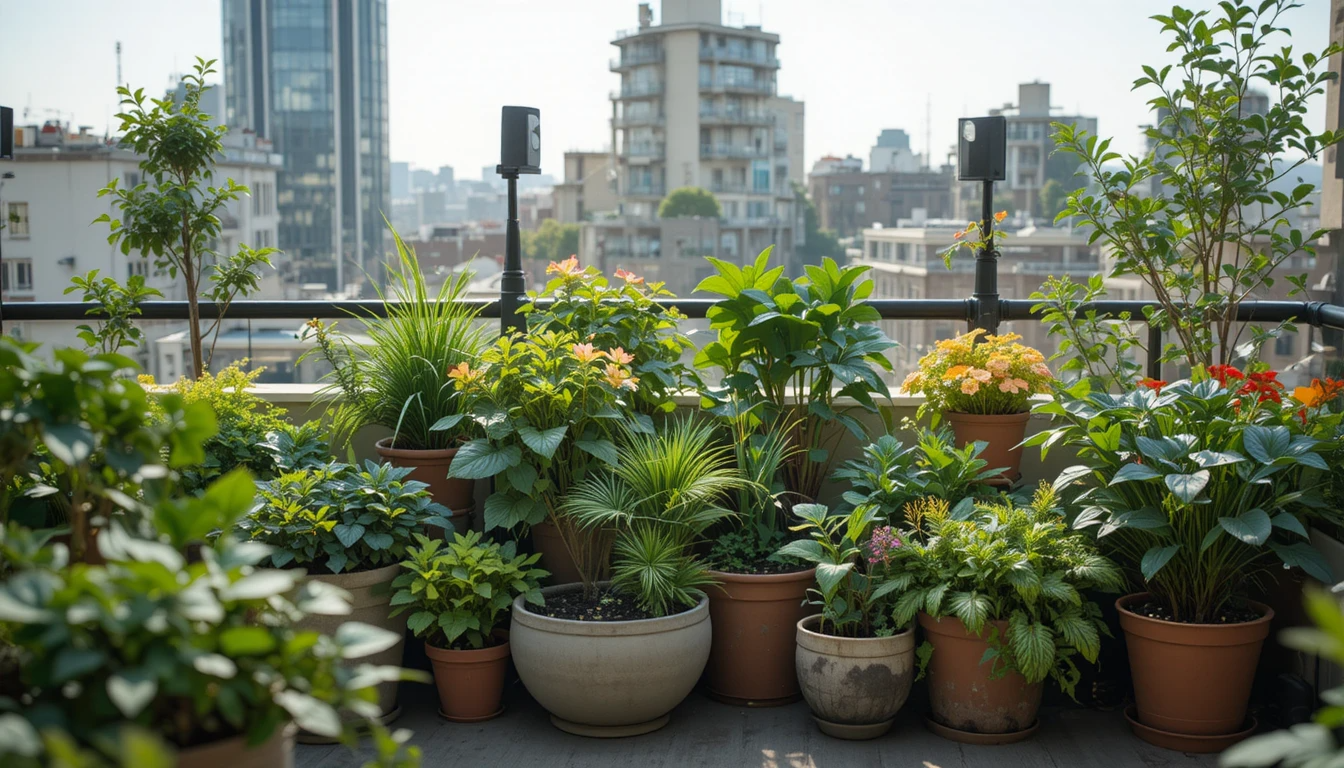
In the rhythmic pulse of city life—the hum of traffic, the glow of neon, the constant flow of people—a quiet revolution is taking root. Urban green living is no longer a niche hobby for the privileged few; it is an essential, transformative movement reclaiming concrete spaces for nature, sustainability, and human well-being. As our global population becomes increasingly urbanized, with over 55% now living in cities, the imperative to integrate nature into our daily lives has never been stronger.
Urban green living is the practice of incorporating sustainable, nature-based solutions into city dwellings. It encompasses everything from a single succulent on a windowsill to a fully productive balcony garden, a living wall on a high-rise, or participation in a community garden plot. This movement addresses multiple modern crises simultaneously: it mitigates the urban heat island effect, promotes biodiversity, reduces carbon footprints through local food production, and crucially, nourishes the mental and physical health of urban dwellers.
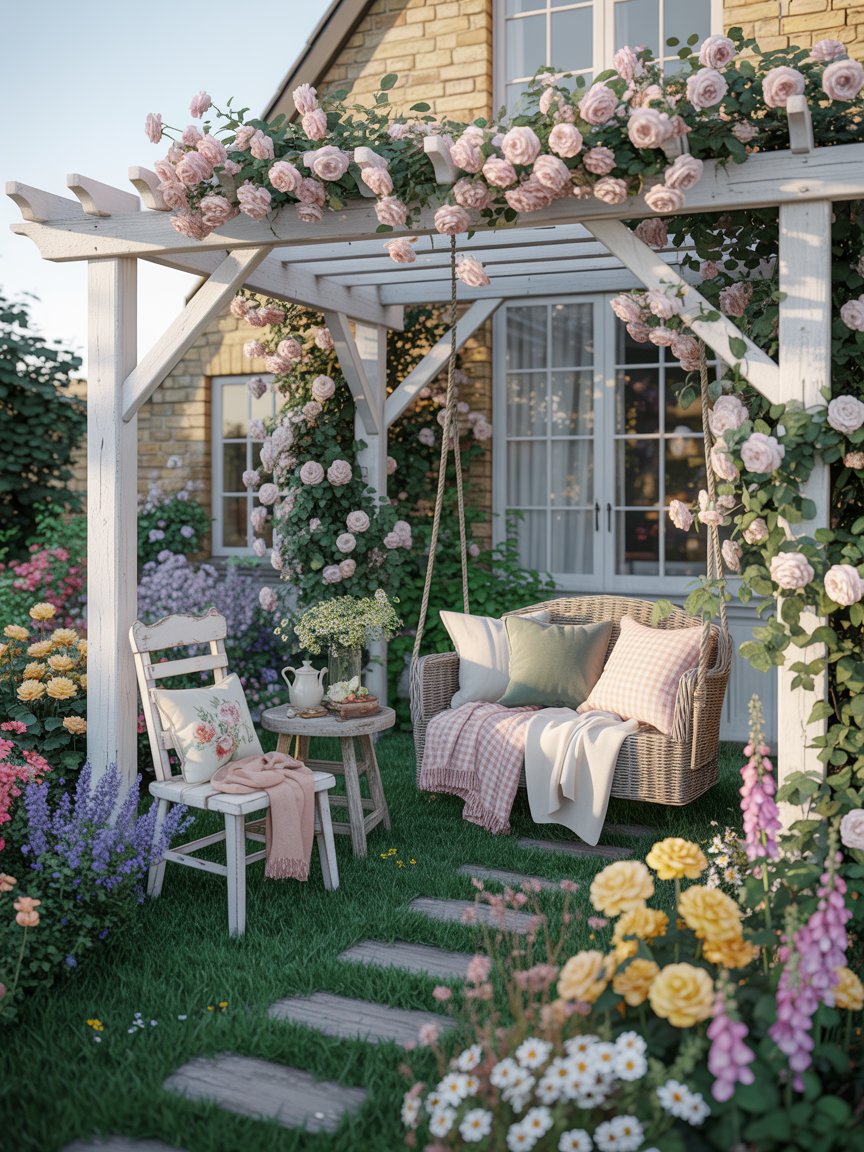
This comprehensive guide, spanning over 3500 words, is your blueprint for joining this revolution. We will delve deep into the principles of sustainable city gardening, explore innovative balcony and small-space setups, and provide a curated list of compact plants that thrive in urban environments. Whether you have a sprawling terrace, a modest balcony, or only a sunlit windowsill, you can cultivate your own patch of green and contribute to a more sustainable, resilient, and beautiful city.
Chapter 1: The Philosophy and Principles of Sustainable Urban Gardening
1.1 What Makes a Garden “Sustainable” in the City?
Sustainable urban gardening goes beyond just growing plants. It’s a holistic approach that considers resource efficiency, ecosystem support, and closed-loop systems. Core principles include:
- Water Wisdom: Utilizing rainwater harvesting, drip irrigation, and water-retentive soils to minimize tap water use.
- Soil Health as Foundation: Prioritizing the creation of living soil through composting, avoiding chemical fertilizers and pesticides, and practicing no-till methods where possible.
- Biodiversity Promotion: Choosing plants that support pollinators (bees, butterflies), provide habitat for beneficial insects, and create a resilient mini-ecosystem.
- Resource Cycling: Embracing the “waste = food” concept. Kitchen scraps become compost, cardboard becomes mulch, and seeds are saved for next season.
- Energy Efficiency: Using human-powered tools, maximizing natural sunlight, and avoiding energy-intensive growing systems unless powered by renewables.
- Local Adaptation: Selecting plants suited to your specific microclimate, sun exposure, and urban challenges (like pollution).
1.2 The Multifaceted Benefits: More Than Just Aesthetics
The value of urban greening is profoundly multidimensional:
Environmental Impact:
- Carbon Sequestration: Plants absorb CO2. A single tree can absorb up to 48 lbs of CO2 per year, while dense green walls contribute significantly.
- Air Purification: Leaves filter particulate matter (PM2.5, PM10) and absorb pollutants like ozone and nitrogen oxides.
- Temperature Regulation: Plants provide shade and evapotranspiration, cooling ambient air by up to 8°C, directly combating the urban heat island effect.
- Stormwater Management: Green spaces absorb rainwater, reducing runoff and strain on city sewer systems.
- Biodiversity Corridors: Urban gardens become stepping stones for birds, insects, and other wildlife, connecting larger green spaces.
Human Health & Well-being:
- Mental Health: Gardening reduces stress, anxiety, and depression. The act of nurturing life provides purpose and a connection to natural cycles.
- Physical Health: Access to homegrown, organic produce improves nutrition. Gardening itself is a form of low-impact exercise.
- Community Building: Shared gardens foster social interaction, reduce loneliness, and create bonds across cultural and generational divides.
- Food Security & Sovereignty: Growing even a portion of your food increases resilience and reduces dependence on complex, carbon-heavy supply chains.
Chapter 2: The Urban Grower’s Toolkit: Assessing Your Space and Resources
2.1 The Urban Microclimate Audit
Before planting a single seed, become a detective of your space.
- Sunlight Mapping: Track sunlight for a full day. How many hours of direct sun does each area receive? Full sun (6+ hrs), partial sun (3-6 hrs), or full shade (<3 hrs)? This is the single most important factor in plant selection.
- Wind Analysis: Balconies above the 5th floor can experience intense wind tunnels, which dry out soil and damage plants. Note prevailing wind directions.
- Weight Considerations: Soil is heavy, especially when wet. Consult building management about weight limits for balconies and roofs (typically 40-50 lbs/sq ft is safe, but verify!).
- Water Access: Is there an outdoor tap? If not, plan for efficient watering systems that minimize trips with a watering can.
- Pollution & Salt: For spaces near busy roads, consider pollution-tolerant plants. Coastal cities may have salt spray to contend with.
2.2 Choosing the Right Containers and Materials
Containers are the foundation of your mobile garden. Sustainability starts here.
- Material Matters:
- Terracotta/Clay: Porous, allows roots to breathe, but dries out quickly and can crack in frost.
- Wood: Insulates well, looks natural. Use untreated, rot-resistant woods like cedar. Upcycle old pallets (ensure they are heat-treated, not chemically treated).
- Fabric Pots (Geotextile): Excellent aeration, prevent root circling, lightweight, and foldable for storage.
- Plastic: Lightweight and cheap, but ensure it’s food-grade, UV-stabilized, and ideally recycled/recyclable. Avoid single-use plastics.
- Upcycled Vessels: The gold standard for sustainability. Use buckets, bins, bathtubs, tires, shoes, tea tins—anything that can hold soil and has drainage holes.
- Drainage is Non-Negotiable: Every container must have holes in the bottom. Elevate pots on “pot feet” to allow free drainage.
- Size for Success: Match pot size to plant maturity. Herbs need 6-12 inch depth, tomatoes need 5-gallon+ containers, dwarf fruit trees need large half-barrels.
Chapter 3: The Sustainable Balcony & Small-Space Setup Blueprint
3.1 Vertical Gardening: The Key to Unlocking Space
When square footage is limited, think in cubic feet.
- Trellises & Obelisks: Use bamboo, reclaimed wood, or metal grids for climbing plants: peas, beans, cucumbers, nasturtiums, and vining flowers like morning glories.
- Wall-Mounted Planters & Pocket Gardens: Felt or fabric wall planters are perfect for strawberries, herbs, and leafy greens. Ensure the wall can bear the weight and is protected from moisture.
- Hanging Baskets & Macramé: Utilize overhead space for trailing plants like cherry tomatoes (Tumbler variety), petunias, ferns, and pothos. Use self-watering baskets to reduce frequency.
- Tiered Shelving & Ladder Gardens: Repurpose wooden ladders or build simple shelving to create a “staircase of green,” maximizing light exposure for each tier.
- Green Walls (Living Walls): Modular systems with integrated irrigation can transform a blank wall into a living tapestry of edible and ornamental plants. DIY options involve pallets or grid panels with insertable pots.
3.2 The Edible Balcony: A Recipe for Food Production
Your balcony can be a prolific food source.
- Salad Bar in a Box: Use long, shallow window boxes or troughs to grow a “cut-and-come-again” mix of lettuces, arugula, kale, and spinach. Harvest outer leaves for continuous production.
- The Herb Spiral (Compact Version): Create a mini-herb spiral in a large, shallow bowl. Place sun-loving herbs like rosemary and thyme at the “top” (center), and moisture-loving mint or parsley at the “base” (edges).
- Container Fruit Trees: Dwarf and columnar varieties are bred for pots. Lemons (Meyer), figs, blueberries (need acidic soil), and apples (colonade) can thrive.
- The “Square Foot” Balcony Garden: Adapt the square foot gardening method to containers. Pre-plan a grid for intensive, companion-planted cropping.
3.3 Watering Systems for the Sustainable Urbanite
Efficient watering is the cornerstone of sustainability.
- Rainwater Harvesting: Even in an apartment, a balcony-setup with a small rain barrel or series of connected containers can capture meaningful amounts of water for irrigation.
- Drip Irrigation on a Micro Scale: Connect a simple drip irrigation kit to a timer and your tap (or rain barrel). This delivers water directly to roots, minimizing evaporation and waste by up to 70%.
- Self-Watering Containers (SWCs): These DIY or commercial pots have a water reservoir at the bottom, wicking moisture up to the roots as needed. Ideal for consistent moisture-loving plants and reducing watering frequency.
- The “Wicking Bed” Principle: Create a large-scale SWC using a lined raised bed or container with a gravel reservoir and a soil-filled “wick” (like a pipe filled with soil) drawing water upward.
3.4 Soil and Composting in Confined Spaces
- The Perfect Potting Mix: Avoid cheap, heavy garden soil. Use a high-quality, peat-free potting mix. Peat harvesting destroys vital carbon sinks. Look for mixes based on coir (coconut fiber), compost, and perlite/vermiculite.
- Urban Composting Solutions:
- Bokashi Bin: A Japanese method using anaerobic fermentation with bran. It processes all food waste (including meat/dairy) in a small, sealed bucket in 2 weeks. The pre-compost then needs to be buried or added to a community compost.
- Worm Bin (Vermicomposting): Red wiggler worms turn your kitchen scraps into ultra-rich “black gold” castings. A well-managed bin is odorless and fits under a sink or in a closet.
- Community Compost Drop-Off: Many cities now have networks where you can drop your scraps for centralized composting.
Chapter 4: The Ultimate Guide to Compact and Productive Plants for Urban Spaces
Curating the right plant palette is essential. Here are champions of the compact urban garden.
4.1 Edible Powerhouses (The Mini-Farm)
Vegetables:
- Cherry Tomatoes: Varieties like ‘Terenzo,’ ‘Tumbling Tom,’ and ‘Micro Tom’ are bred for hanging baskets and pots.
- Dwarf Peppers & Chilies: ‘Apache,’ ‘Numex Twilight,’ and ‘Cayennetta’ are prolific and ornamental.
- Bush Varieties: Seek out “bush” or “patio” types of cucumbers, zucchini, and beans that don’t sprawl.
- Root Veg in Depth: Round carrots (‘Paris Market’), radishes, and beets (‘Little Ball’) can grow in deeper pots.
- Leafy Greens: Swiss chard (‘Bright Lights’), kale (‘Dwarf Blue Curled’), and all lettuces are perfect for partial sun.
Herbs (The Essential Kitchen Garden):
- Perennials: Rosemary, thyme, oregano, and sage are tough, sun-loving, and need less frequent watering.
- Annuals/Biennials: Basil, parsley, cilantro, and dill grow quickly from seed. Succession sow every few weeks.
- Trailing Herbs: Creeping thyme and oregano spill beautifully over edges.
Fruit:
- Strawberries: Ever-bearing varieties in hanging baskets or vertical towers.
- Dwarf Citrus: Calamondin oranges and Meyer lemons in large, sunny pots.
- Columnar Apples & Pears: Like ‘Urban Apple’ or ‘Cordon’ trees, bearing fruit on a vertical stem.
4.2 Ornamental & Pollinator-Friendly Plants
- Compact Flowering Perennials: Echinacea (Coneflower) ‘Kim’s Knee High,’ Salvia nemorosa, and Nepeta (Catmint) provide long-lasting color and are bee magnets.
- Bulbs for Pots: Tulips, daffodils, and alliums provide spring drama. Layer them in a pot for a “lasagna” of successive blooms.
- Native Wildflowers: Research native species for your region. They are adapted to local conditions and support native pollinators best. Many have compact forms.
- Foliage for Shade: Hostas, ferns, Heuchera (Coral Bells), and coleus provide stunning texture and color in low-light areas.
4.3 Air-Purifying and Low-Light Indoor Allies
Extend your green living indoors with plants that clean the air.
- Sansevieria (Snake Plant): Thrives on neglect, tolerates low light, and is a top air purifier.
- Spathiphyllum (Peace Lily): Prefers shade, indicates thirst by drooping, and removes common VOCs.
- Epipremnum aureum (Pothos/Devil’s Ivy): A virtually indestructible trailing plant for shelves.
- Chlorophytum comosum (Spider Plant): Removes formaldehyde, produces “pups” for easy propagation.
- Zamioculcas zamiifolia (ZZ Plant): The ultimate low-light, drought-tolerant survivor.
Chapter 5: Advanced Sustainable Techniques for the Committed Urban Gardener
5.1 Seed Saving and Plant Propagation
- Why Save Seeds? It saves money, preserves heirloom varieties adapted to your microclimate, and completes the sustainable cycle.
- Easy Starts: Begin with plants that self-pollinate and have easy-to-collect seeds: tomatoes, peppers, peas, beans, and lettuce.
- Propagation: Multiply your plants for free through stem cuttings (herbs, geraniums), leaf cuttings (succulents), or division (hostas, perennial herbs).
5.2 Integrated Pest Management (IPM) in the City
Avoid chemicals. Work with nature.
- Prevention: Healthy soil = healthy, pest-resistant plants. Ensure good air circulation.
- Identification: Know your enemy. Is it aphids, spider mites, or caterpillars?
- Physical Controls: Hand-pick pests, use a strong spray of water, or employ barriers like row cover.
- Biological Controls: Introduce or attract beneficial insects. Ladybugs and lacewings eat aphids. Plant dill, fennel, and yarrow to attract them.
- Organic Sprays: As a last resort, use insecticidal soap, neem oil, or homemade garlic/chili sprays.
5.3 Season Extension: Grow Year-Round
- Cold Frames: A simple insulated box with a clear lid placed on a balcony can grow greens through winter.
- Row Cover & Cloches: Protect tender plants from early frosts in spring and fall.
- Indoor Growing under Lights: A small investment in LED grow lights can turn a closet into a winter herb and microgreen farm.
Chapter 6: The Community Dimension: Growing Beyond Your Balcony
Urban green living flourishes in community.
- Community Gardens: Secure a plot to grow more, share tools and knowledge, and connect with neighbors.
- Guerilla Gardening: Tactically beautify neglected public spaces with seed bombs or discreet plantings (always check local regulations).
- Tool & Seed Libraries: Many neighborhoods have established sharing economies for garden resources.
- Social Media & Local Groups: Share your journey, ask for advice, and find local plant swaps on platforms like Nextdoor or dedicated Facebook groups.
Conclusion: Your Green Oasis Awaits
Urban green living is a powerful act of hope and resilience. It is a statement that even in the most built-up environments, life can flourish, and sustainability can be practiced daily. It reconnects us to the fundamental cycles of growth, decay, and renewal. The benefits—a harvested tomato still warm from the sun, the calming scent of herbs, the sight of a bee on a balcony flower, the shared harvest with a neighbor—are immeasurable.
This guide has provided the foundational knowledge, from philosophy to practical plant choices. The journey begins with a single pot, a single seed. Start small, observe, learn, and let your green space evolve. As you do, you’ll be doing more than gardening; you’ll be actively participating in the greening of our cities, one balcony, one windowsill, one community plot at a time. The concrete jungle is ready for its rewilding. Will you be its gardener?
Call to Action: This week, perform your microclimate audit. Next week, build or buy one container and plant one thing you love to eat or look at. Share your first step online with #UrbanGreenLiving. Let’s grow a movement, together.