
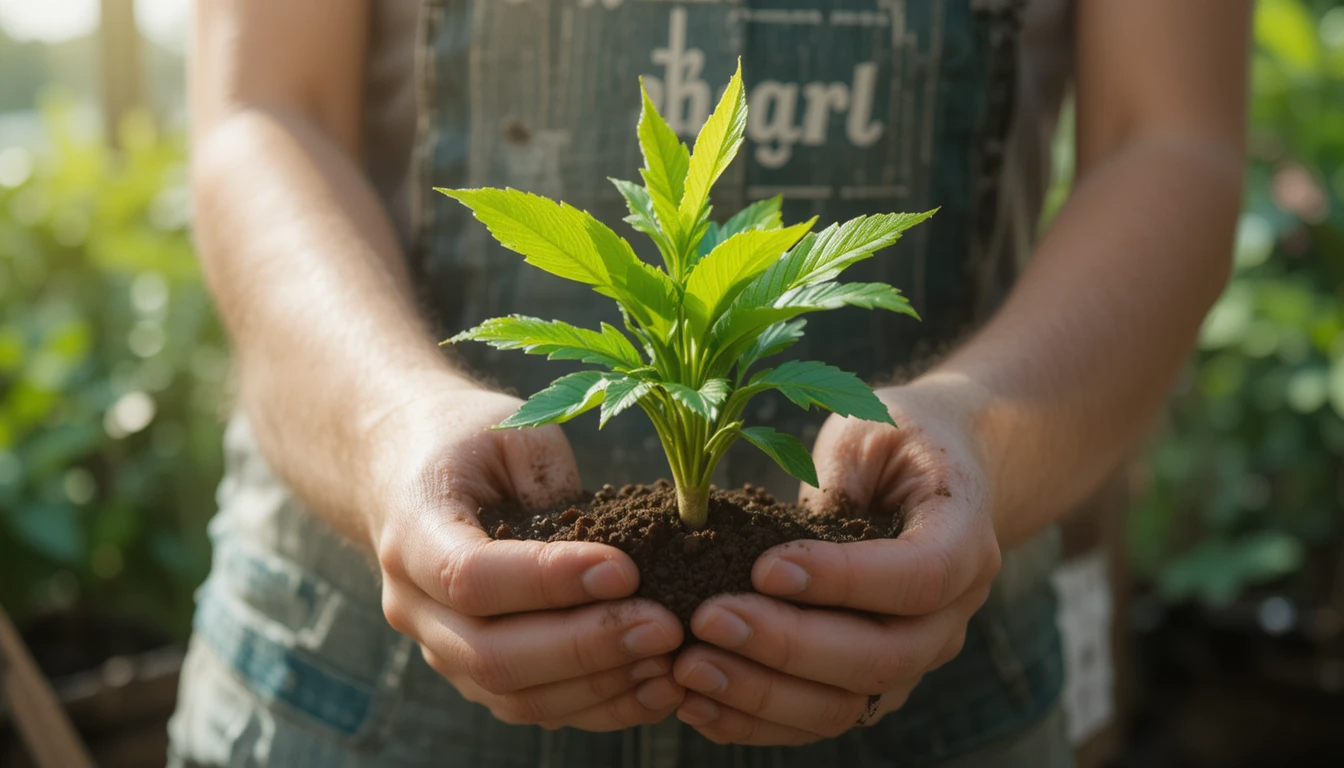
For decades, the narrative of city living has been one of concrete, steel, and glass—a necessary trade-off for the cultural vibrancy, economic opportunity, and connectedness that urban centers provide. The “green life” was something you visited on weekends, escaping to parks or, for the fortunate few, returning to a suburban backyard. But a profound shift is underway. Across the globe, from the vertical forests of Milan to the community gardens of Brooklyn, a new ethos is taking root: Urban Green Living.
This is not merely about adding a potted plant to your balcony. It is a holistic, transformative approach to inhabiting metropolitan spaces that integrates sustainability, wellness, community, and ecological responsibility into the very fabric of our daily routines. It’s a recognition that cities, home to over half the world’s population and responsible for a significant portion of its resource consumption and carbon emissions, must be at the forefront of the solution to our planetary challenges. Urban green living is the practice of creating a personal and collective oasis within the urban landscape, proving that density and sustainability are not mutually exclusive but essential partners for our future.

This comprehensive guide will explore the multifaceted dimensions of this movement, offering practical strategies, philosophical insights, and a vision for a greener, healthier, and more resilient urban life.
Part 1: The Philosophy and Imperative of Urban Green Living
Before delving into the “how,” it’s crucial to understand the “why.” Urban green living is driven by a powerful convergence of environmental necessity, personal well-being, and economic pragmatism.
The Environmental Imperative:
Cities occupy just 3% of the Earth’s land but account for 60-80% of energy consumption and 75% of carbon emissions (UN Habitat). The urban heat island effect, where concrete and asphalt absorb and radiate heat, can make cities several degrees warmer than surrounding rural areas, increasing energy use for cooling and exacerbating health risks. Stormwater runoff from impermeable surfaces carries pollutants into waterways. Urban green living directly counters these issues through:
- Carbon Sequestration: Plants absorb CO2. Rooftop gardens, street trees, and even indoor plants play a small but collective role in mitigating urban emissions.
- Temperature Regulation: Green roofs and walls provide natural insulation, reducing building energy needs by up to 25% for cooling and 10% for heating. Trees provide shade, evaporative cooling, and break up heat-absorbing expanses.
- Biodiversity Corridors: Urban green spaces, from parks to balcony pollinator gardens, create vital habitats and stepping stones for birds, insects, and other wildlife, strengthening ecosystem resilience.
- Waste Reduction: A core tenet of green living—composting, recycling, and conscious consumption—diverts waste from overflowing landfills, many of which are near urban areas.
The Human Wellness Imperative:
The benefits are profoundly personal. Studies consistently show that access to green space reduces stress, lowers blood pressure, improves mood and concentration, and accelerates recovery from illness. In the dense, often overwhelming sensory environment of a city, green spaces—public or private—becate essential “restorative niches.” They offer:
- Mental Respite: The biophilia hypothesis, popularized by E.O. Wilson, suggests humans have an innate tendency to seek connections with nature. Urban green living fulfills this deep-seated need.
- Physical Health: Cleaner air from plants, opportunities for gardening as gentle exercise, and encouragement to walk or cycle in green-friendly neighborhoods all contribute to better physical health.
- Community and Social Cohesion: Shared green projects—a community garden, a street tree-planting initiative—foster neighborly interaction, build social capital, and create a shared sense of purpose and stewardship.
The Economic Imperative:
Green cities are competitive, resilient cities. Property values increase in areas with ample tree cover and parks. Green buildings have lower operating costs and attract tenants. Urban agriculture can create local jobs, reduce food miles, and increase food security. Investments in green infrastructure (like bioswales and rain gardens) are often more cost-effective long-term solutions for stormwater management than traditional “gray” infrastructure.
Urban green living, therefore, is the micro-scale application of macro-scale principles. It is the individual and collective action that brings the sustainable city from a planner’s blueprint into a lived reality.
Part 2: The Green Urban Habitat: Transforming Your Home
Your apartment or house is the primary theater for your green living practice. Regardless of size or budget, every home can become a greener sanctuary.
1. The Indoor Jungle: Beyond Aesthetics
Houseplants are the gateway drug to urban green living. But they are far more than decor.
- Air Purification: While the famous NASA study on plants removing volatile organic compounds (VOCs) is often oversimplified, plants do contribute to improved indoor air quality through photosynthesis and by increasing humidity. Top performers include Snake Plant (Sansevieria), Peace Lily (Spathiphyllum), Spider Plant (Chlorophytum comosum), and Golden Pothos (Epipremnum aureum).
- The Right Plant for the Right Place: Success is key to sustainability. Assess your light (download a light meter app!), humidity, and your own commitment level. A dead plant is a demoralizing waste. Start with resilient varieties like ZZ plants or cast iron plants for low-light, low-maintenance situations.
- Beyond Pots: Explore vertical gardens using wall-mounted planters or hanging systems. Create a living herb garden in a sunny kitchen window—a beautiful, fragrant, and functional addition.
- Sustainable Care: Use organic potting mixes, make your own fertilizers from compost tea or diluted aquarium water, and control pests with neem oil or insecticidal soap instead of synthetic chemicals. Collect rainwater for watering if possible.
2. Energy Efficiency: The Invisible Green
The greenest energy is the energy you don’t use.
- Audit and Seal: A simple DIY audit can find drafts around windows, doors, and outlets. Weatherstripping, caulking, and door sweeps are low-cost, high-impact fixes.
- Smart Tech: Smart thermostats (like Nest or Ecobee) learn your schedule and optimize heating/cooling. Smart power strips cut phantom load from electronics in standby mode. LED bulbs are non-negotiable—they use at least 75% less energy and last 25 times longer than incandescents.
- Appliance Awareness: Run full loads in dishwashers and washing machines, use cold water for laundry, and air-dry clothes when possible. Unplug chargers when not in use.
3. Water Wisdom: Every Drop Counts
Urban water systems are energy-intensive. Reducing consumption is a critical green act.
- Low-Flow Fixtures: Install aerators on all faucets and a low-flow showerhead. A modern toilet upgrade (dual-flush or low-flow) can save thousands of gallons per year.
- Behavioral Shifts: Take shorter showers. Turn off the tap while brushing teeth or scrubbing dishes. Only run the dishwasher when full.
- Greywater Potential: For the more advanced, simple greywater systems can redirect water from showers or washing machines (with plant-safe detergent) to flush toilets or irrigate non-edible plants.
4. The Circular Home: Waste Not, Want Not
Move from a linear (take-make-dispose) to a circular model within your home.
- The 5 R’s Hierarchy: Refuse what you don’t need (single-use plastics, junk mail). Reduce what you do need. Reuse what you consume (jars for storage, repurpose furniture). Recycle correctly. Rot (compost) the rest.
- Composting in the City: This is a game-changer. Options abound: sealed countertop composters (like Lomi or FoodCycler), bokashi bins (which ferment waste, including small bones and dairy), vermicomposting (worms in a bin), or local drop-off services. The resulting compost is black gold for your plants.
- Mindful Consumption: Before buying anything new, ask: Do I truly need it? Can I borrow, rent, or buy it secondhand? Choose quality, repairable items over cheap disposables. Support companies with sustainable practices and transparent supply chains.
Part 3: The Green Urban Lifestyle: Beyond Your Front Door
Green living extends into your daily routines, food choices, and how you navigate the city.
1. Sustainable Mobility: Rethinking Urban Transit
Transportation is a major urban emissions source. Redefine what movement means.
- The Power of Your Feet & Pedals: Walking and cycling are zero-emission, healthy, and often the fastest way to navigate dense neighborhoods. Advocate for and use protected bike lanes. Consider an e-bike for longer commutes or hilly cities.
- Public Transit as a Green Act: Filling a seat on a bus or train is one of the most effective individual climate actions. It reduces congestion, pollution, and the need for parking infrastructure.
- The Sharing Economy: When you need a car, use car-sharing services (Zipcar, etc.) or ride-hail pools. This reduces the total number of vehicles on the road and the resources needed to build them.
2. The Ethical Urban Pantry: Food as Connection
Your food choices have immense environmental and social impact.
- Local and Seasonal: Shop at farmers’ markets or join a CSA (Community Supported Agriculture) box scheme. This reduces food miles, supports the local economy, and connects you to the seasonal rhythms of your region.
- Plant-Forward Eating: You don’t have to be vegan to make a difference. Embracing “Meatless Mondays” or simply reducing meat and dairy consumption, especially from industrial sources, significantly lowers your water and carbon footprint. Explore the vibrant world of legumes, whole grains, and seasonal vegetables.
- Zero-Waste Shopping: Bring your own bags, produce bags, and containers. Shop in bulk for dry goods. Choose products with minimal or recyclable packaging. Support grocery stores and refilleries that champion package-free options.
- Urban Foraging & Growing: Learn to identify edible weeds (like dandelion, purslane) in parks (where pesticides aren’t used). Grow what you can—herbs on a windowsill, tomatoes on a fire escape, greens in a hydroponic countertop garden.
3. Conscious Consumption: The Mindful Urbanite
Resist the city’s constant buzz of consumerism.
- The Sharing City: Utilize tool libraries, clothing swaps, and book-sharing shelves. Share resources with neighbors.
- Quality over Quantity: Invest in a durable, repairable wardrobe (learn basic mending!), well-made furniture, and lasting goods. This saves money and resources in the long run.
- Experiences over Things: Redirect spending towards concerts, museum memberships, classes, or meals out. These create memories without physical clutter and support local culture.
Part 4: The Collective Green: Building Community and Advocating for Change
The true power of urban green living is magnified exponentially when practiced collectively. Moving from individual action to community transformation is where the deepest impact lies.
1. The Community Garden: More Than Just Vegetables
These plots of land are democracy in action and crucibles of sustainability.
- Social Fabric: They combat loneliness, connect people across generations and cultures, and teach cooperation and patience.
- Food Sovereignty: They provide access to fresh, healthy food in often underserved “food desert” neighborhoods.
- Education: They are outdoor classrooms for children and adults, teaching ecology, botany, and nutrition. If there isn’t one near you, research how to start one with your local parks department or a land trust.
2. Green Advocacy: From Citizen to Steward
Use your voice to demand systemic change.
- Attend Community Board Meetings: Advocate for more street trees, protected bike lanes, pedestrian plazas, and green spaces in new developments.
- Support Policy: Vote for and contact local representatives about policies supporting building energy retrofits, renewable energy incentives, comprehensive recycling/composting programs, and investments in public transit.
- Join or Support Organizations: Align with local groups doing the work—tree planting nonprofits, river clean-up crews, environmental justice coalitions.
3. The Sharing and Circular Economy in Action:
- Tool Libraries & Repair Cafés: These community resources reduce duplication, save money, teach skills, and keep items out of landfills. Volunteering at or using a Repair Café to fix a toaster or mend a jacket is a profoundly green act.
- Buy-Nothing Groups: Hyper-local gift economies on Facebook or other platforms where neighbors give away items they no longer need, fostering community and eliminating waste.
Part 5: The Future Green City: Visions and Innovations
The cutting edge of urban green living offers a glimpse into a breathtaking future where technology and ecology merge.
1. Green Architecture and Infrastructure:
- Living Buildings: Structures that generate their own energy, capture and treat their own water, and are built with non-toxic, regenerative materials.
- Vertical Forests: Towers like Stefano Boeri’s in Milan, covered in thousands of trees and plants, are becoming blueprints for new construction, directly combating air pollution and habitat loss.
- Blue-Green Infrastructure: Cities like Copenhagen and Philadelphia are leading the way in replacing concrete with parks, green roofs, bioswales, and permeable pavements that manage stormwater naturally, reduce flooding, and create beauty.
2. Urban Agriculture 2.0:
- Rooftop Farms: Commercial-scale farms on top of warehouses and buildings, supplying restaurants and communities with hyper-local produce.
- Aquaponics & Hydroponics: Soil-less, water-efficient farming in controlled environments (warehouses, shipping containers), enabling year-round production with minimal land use.
- Mycelium and Lab-Grown Foods: The future of sustainable protein and materials may come from urban labs growing fungi-based “meat” or leather, dramatically reducing land and water use.
3. Smart, Connected Green Cities:
- IoT for Sustainability: Networks of sensors optimizing energy grids, monitoring air and water quality in real-time, and managing waste collection routes for efficiency.
- Mobility as a Service (MaaS): Integrated apps that seamlessly combine public transit, bike-share, ride-hail, and scooter options into a single, car-optional payment and planning system.
Conclusion: Cultivating Your Urban Oasis, One Action at a Time
Urban green living is not a destination or a certification of purity. It is a journey, a mindset, and a daily practice of intentionality. It is about making conscious choices within the constraints and opportunities of a cityscape. It recognizes that every action—from choosing to bike, to composting your coffee grounds, to advocating for a new park—is a thread in the growing green tapestry of the city.
Start small. Buy a resilient houseplant. Commit to a meat-free day each week. Fix something instead of replacing it. Visit your local farmers’ market. Then, let that action lead to another. Connect with like-minded neighbors. Share your successes and challenges.
The city of the future is not a sterile, metallic dystopia. It is a lush, vibrant, resilient ecosystem where humanity and nature coexist in mutual benefit. It is a city where the air is cleaner, the streets are quieter, the communities are stronger, and life is richer. This city begins in your apartment, on your balcony, in your choices, and in your voice. The urban green revolution is here, and it is inviting you to put down roots, right where you are.