
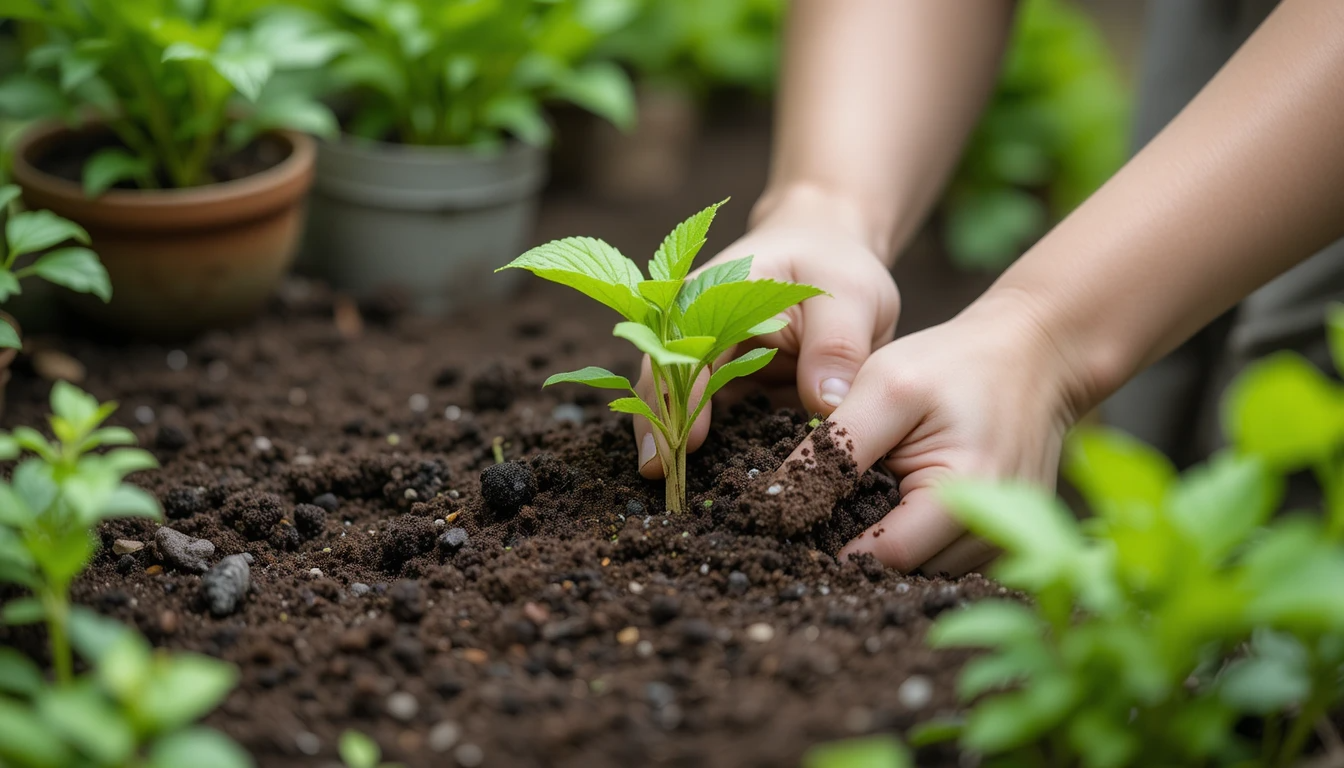
The Call for Deeper Roots
The first wave of urban green living—characterized by houseplants, reusable bags, and energy-efficient lightbulbs—has successfully planted the seed of consciousness in the metropolitan mind. It has moved sustainability from the fringe to a mainstream value, a baseline expectation for a thoughtful urban existence. But as our planetary crises deepen and urban populations swell, a more profound, interconnected, and systemic approach is no longer a luxury; it is an urgent necessity. Welcome to Urban Green Living 2.0.
This next chapter moves beyond the individual footprint to the collective handprint. It’s about shifting from doing less harm to actively doing more good—regenerating our urban environments. It integrates technology not as a shiny gadget, but as a connective tissue for ecological stewardship. It confronts the uncomfortable truths of environmental justice, ensuring the green city is not just for the privileged few. And it re-imagines the very metabolism of the city, turning linear waste streams into circular loops of nourishment.

This 3500+ word exploration delves into the advanced practices, systemic levers, and philosophical frameworks that define this next stage. It is a manual for those ready to move from being a green consumer to becoming a urban ecological citizen.
Part 1: The Regenerative Urban Habitat: Your Home as an Ecosystem Node
Your home in Urban Green Living 2.0 is not an isolated unit. It is a node in a network—a productive, restorative cell within the city’s body.
1. The Bio-Integrated Dwelling: Syncing with Life’s Cycles
- Closed-Loop Water Systems: Advanced greywater systems move beyond simple diversion. Imagine integrated wetland filters in a sunroom or balcony that clean shower and sink water to a standard pure enough for toilet flushing and irrigation. Blackwater composting systems, like advanced composting toilets, transform human waste into safe, nutrient-rich compost, severing one of our most fundamental and resource-intensive connections to centralized, energy-heavy sewage systems.
- Living Walls as Bio-Filters: Interior living walls are engineered not just for beauty but for function. Specific plant matrices are selected for maximum VOC removal and particulate capture, actively scrubbing the air. Some experimental systems integrate slow-moving water through the root zones, adding evaporative cooling and humidity control.
- Myco-Integrated Design: The future may see building materials grown, not manufactured. Insulation and acoustic panels grown from mycelium (mushroom roots) are already a reality. Imagine a wall that, at the end of its life, can be composted in your garden, its nutrients returning to the soil. The home itself becomes a temporary arrangement of biomatter.
2. Energy Prosumerism: Your Home as a Power Plant
The goal is no longer just efficiency, but active production and intelligent management.
- Integrated Renewable Generation: Solar panels are a start. 2.0 integrates building-integrated photovoltaics (BIPV)—solar cells incorporated into roof shingles, windows, or façade elements. Pair this with small-scale vertical-axis wind turbines designed for urban airflow and you have a hybrid micro-grid on your balcony or roof.
- The Smart Energy Ecosystem: Home energy management systems (HEMS) become the brain. They don’t just track usage; they autonomously optimize it. They predict weather patterns, pre-cool your apartment using night air, schedule high-draw tasks (like EV charging or running the dishwasher) for off-peak or high solar-production hours, and seamlessly sell excess energy back to the grid or to neighbors via peer-to-peer energy trading platforms enabled by blockchain.
3. The Hyper-Local Food Production Hub
The windowsill herb garden evolves into a sophisticated, year-round nutrient source.
- Aquaponics Symbiosis: A balanced, self-cleaning ecosystem where fish waste fertilizes plants, and plants purify water for the fish. A well-designed indoor or balcony aquaponic system can produce a significant supplement of greens (lettuce, kale, herbs) and protein (tilapia, perch) with 90% less water than traditional agriculture.
- Algorithmic Gardening: Smart garden systems (like Gardyn, Lettuce Grow) use sensors and AI to manage light spectrums, nutrient dosing, and watering cycles perfectly tailored to each plant. They remove the guesswork, maximizing yield in minimal space. Your phone app tells you exactly when to harvest for peak nutrition and flavor.
- Culinary Mycology: Growing gourmet and medicinal mushrooms (oyster, lion’s mane, shiitake) from ready-to-fruit blocks or DIY substrates (used coffee grounds, pasteurized straw) in a closet or under the stairs. It’s a low-light, high-yield, and profoundly sustainable form of food production that builds soil health.
Part 2: The Circular Urbanite: Mastering Material Flows
Urban Green Living 2.0 demands a PhD-level understanding of the materials that flow through your life, aiming for functional ownership without linear waste.
1. Advanced Material Literacy
- The Cradle-to-Cradle Mindset: Before any purchase, ask not just “Is it recyclable?” but “Was it designed for disassembly? Is it a technical nutrient (designed to be perpetually recycled into the same quality material) or a biological nutrient (designed to safely biodegrade and nourish the soil)?”
- The “Buyerarchy of Needs”: A more refined decision tree than the 5 R’s: 1. Use What You Have. 2. Borrow. 3. Swap. 4. Thrift. 5. Make. 6. Rent. 7. Buy (from a conscious, circular brand).
- Digital Product Passports: In the near future, products will have scannable QR codes detailing their full lifecycle—materials origin, manufacturing conditions, repair manuals, and end-of-life disassembly instructions. Supporting companies that provide this transparency is a key 2.0 action.
2. The Home as a Micro-Factory (The “Maker” Ethos)
- Repair, Recondition, Remanufacture: Move beyond basic sewing. Learn to solder to fix electronics, re-upholster furniture, re-glaze windows, and refurbish appliances. Local “Maker Spaces” provide access to 3D printers (to print a replacement part), laser cutters, and woodshops.
- Upcycling as Alchemy: See “waste” as your primary raw material. Turn wine bottles into pendant lights, pallets into furniture, and worn-out clothing into a durable rag rug. This creativity is the antithesis of passive consumerism.
- Home-Based Bioplastics & Mycelium Composites: For the truly advanced, DIY kits allow you to create bioplastics from kitchen starch or algae, or grow mycelium composites for custom packaging or small household items.
3. Managing the “End of Life” with Responsibility
- Terracycle & Specialized Recycling: For items municipal recycling won’t take (toothpaste tubes, chip bags, writing instruments), programs like Terracycle offer paid “Zero Waste Boxes” to ensure difficult materials are processed properly.
- Deconstruction vs. Demolition: If you are renovating, advocate for “deconstruction”—the careful dismantling of a structure to salvage doors, windows, lumber, and fixtures for reuse, preventing massive landfill waste and preserving embodied energy.
Part 3: The Mobilized Citizen: Transportation as a Civic Act
Mobility in 2.0 is about data, integration, and re-claiming urban space.
1. The Data-Driven Commute
- Multi-Modal Route Optimization Apps: Apps like Citymapper or Transit don’t just show schedules; they use real-time data to calculate the fastest, cheapest, and lowest-carbon route combining walking, biking, scooter-share, bus, and train. The goal is “Mobility as a Service” (MaaS) where you pay one monthly fee for access to all options, making car ownership obsolete.
- Cyclelogistics: Using cargo bikes or bike trailers for urban freight—groceries, laundry, even moving apartments. It’s faster than a van in dense traffic and creates zero emissions. Supporting local businesses that offer delivery via cargo bike is a direct vote for this system.
2. Advocacy for Radical Street Redesign
- From “Traffic Calming” to “Car-Free Zones”: Advocate not just for bike lanes, but for “Complete Streets” designed for all ages and abilities, and eventually for “Superblocks” (like in Barcelona) where through-traffic is banned from large interior residential zones, freeing space for playgrounds, parks, and community gardens.
- EV Infrastructure as a Public Good: Push for equitable placement of EV charging stations in all neighborhoods, not just wealthy ones, and for chargers powered by verifiable renewable sources.
Part 4: The Collective Intelligence: Building the Symbiocity
The most powerful innovations in Urban Green Living 2.0 are collective. This is about building social and technological systems that enable mutual aid and ecological stewardship at scale.
1. Digital Platforms for Hyper-Local Sharing & Resilience
- “Library of Things” Networks: Digital platforms that catalog not just books, but the community’s shared inventory of tools, camping gear, party supplies, and specialized kitchen appliances. It turns a neighborhood of 100 apartments into a household with a massively versatile tool shed.
- Food Waste Matching Apps: Apps like Olio or Too Good To Go connect neighbors to share surplus home-cooked food or allow bakeries/restaurants to sell “surprise bags” of unsold food at a discount, tackling food waste at both the household and commercial level.
- Skill-Sharing Temporal Banks: Time-banking platforms where you earn credits for an hour of teaching guitar, repairing a leaky faucet, or babysitting, which you can then spend on an hour of graphic design, yoga instruction, or garden help from a neighbor. It builds community resilience and de-monetizes mutual aid.
2. Community-Scale Infrastructure
- Neighborhood Composting Hubs: Centralized, professionally managed compost hubs that accept all organic waste (including meat, dairy, and compostable packaging) from a block or building, producing high-quality compost for a community garden or for distribution back to participants.
- Micro-Grid Cooperatives: Residents of a block or apartment building form a co-op to invest in shared renewable energy (a large solar array on a shared roof, a ground-source heat pump) and manage their own localized, resilient energy grid, reducing costs and increasing independence.
- Co-Housing & Ecovillages Within Cities: Intentional communities designed around shared green spaces, kitchens, tools, and values. They represent the ultimate physical manifestation of collaborative green living, drastically reducing per-capita resource use through shared infrastructure and a culture of sufficiency.
3. Urban Biodiversity as a Collective Project
- Citizen Science Initiatives: Participating in projects like iNaturalist to document urban species, or budburst to track plant phenology. This crowdsourced data is vital for scientists studying climate change and ecology.
- “Bee Corridor” Campaigns: Neighborhood-wide efforts to plant native, pollen-rich plants in sequential gardens, balconies, and park strips, creating continuous highways for pollinators across the concrete landscape.
- Rewilding Guerrilla Gardening: Moving beyond planting pretty flowers to deliberately introducing native keystone species that support local ecosystems—like milkweed for monarch butterflies or specific host plants for rare native bees.
Part 5: The Just and Equitable Metropolis: The Non-Negotiable Core of 2.0
A green city that is only green for the wealthy is a failure. Urban Green Living 2.0 is intrinsically tied to environmental and social justice.
1. Understanding and Addressing “Green Gentrification”
- The pattern is well-documented: a new park, bike lane, or farmers’ market increases property values and rents, displacing long-term, often lower-income and minority residents. True green advocates must:
- Support Anti-Displacement Policies: Advocate for inclusionary zoning, community land trusts, and strong rent control to ensure existing residents can stay and benefit.
- Center Community Voices: Support green initiatives led by historically marginalized communities, not just imposed upon them.
- Demand Equitable Distribution: Fight for green infrastructure—tree canopy, park access, clean air—to be prioritized in historically underserved neighborhoods first.
2. The Right to Repair and Digital Sovereignty
- Green living includes sovereignty over the devices we own. Supporting Right to Repair legislation is a crucial fight. It forces manufacturers to provide parts, tools, and schematics, empowering us to fix our electronics, reducing e-waste, and challenging planned obsolescence.
3. Cultivating an Ethos of “Enough” and Radical Interdependence
- This is the philosophical heart of 2.0. It counters the “green consumerism” trap. It’s about finding sufficiency, beauty, and connection in less stuff and more experience, community, and nature. It recognizes that our well-being is inextricably linked to the well-being of our neighbor and the sparrow nesting on our ledge.
Conclusion: The Polyculture of the Future City
Urban Green Living 1.0 was a monoculture of simple, individual actions. Urban Green Living 2.0 is a polyculture—a diverse, interconnected, and resilient system where personal action, technological leverage, community collaboration, and social justice activism grow together.
It asks more of us. It asks for deeper knowledge, for bolder advocacy, for uncomfortable conversations about equity, and for a commitment to collective action. The tools are emerging: from AI-optimized home ecosystems to peer-to-peer sharing platforms. The philosophy is crystallizing: regeneration over reduction, justice alongside sustainability.
The city of the future is not a passive backdrop for a green lifestyle. It is an active, breathing partner. It is a Symbiocity—a place where human systems and natural systems are woven into a mutually supportive whole. Your balcony garden is part of its lungs. Your solar panel is part of its circulatory system. Your advocacy is part of its nervous system. Your commitment to community is its heart.
This revolution is not waiting for a technological silver bullet. It is being built now, by those willing to put down deeper roots, to intertwine their lives with their neighbors and their ecosystem. The invitation of Urban Green Living 2.0 is to step into that role—not just as a resident, but as a steward, a maker, a neighbor, and a citizen of the emerging Symbiocity. The blueprint is unfinished. Pick up your tool, your seed, your voice, and help build it.