
Imagine a garden that does more than just look beautiful. It buzzes with life, conserves precious resources, enriches the soil naturally, and gives back to the local ecosystem. This isn’t a fantasy; it’s the heart of eco-friendly gardening.
Also known as sustainable or regenerative gardening, this approach goes beyond avoiding chemicals. It’s a holistic philosophy that works with nature, not against it. It transforms your plot—whether a sprawling yard, a modest raised bed, or a container balcony—into a thriving, resilient, and life-supporting environment.
If you’re ready to dig in and make a positive impact right outside your door, this guide will walk you through the essential principles and practical steps to create your own eco-friendly garden.
What is Eco-Friendly Gardening?
At its core, eco-friendly gardening is about minimizing harm and maximizing benefit to the local environment. It prioritizes:
- Soil Health: Treating soil as a living ecosystem.
- Water Conservation: Using every drop wisely.
- Biodiversity: Welcoming a wide variety of plants and creatures.
- Resource Cycling: Turning “waste” into valuable resources (like compost).
- Natural Processes: Letting nature do the heavy lifting of pest control and fertilization.
The Pillars of an Eco-Friendly Garden
1. Build Living Soil: Forget Fertilizer, Feed the Soil
Healthy soil is the non-negotiable foundation. It supports plant roots, stores water, and cycles nutrients—all thanks to billions of bacteria, fungi, and microbes.
How to do it:
- Compost: This is garden gold. Create a compost pile or bin for kitchen scraps (fruit/veggie peels, coffee grounds) and yard waste (leaves, grass clippings). The resulting humus is a superior soil amendment.
- Mulch: Apply a 2-3 inch layer of organic mulch (shredded leaves, straw, wood chips) around your plants. It suppresses weeds, retains soil moisture, regulates temperature, and breaks down to feed the soil.
- No-Till Methods: Minimize digging and tilling, which disrupts soil structure and microbial life. Plant directly into mulch or use a broadfork to aerate without turning.
2. Conserve Every Drop: Smart Water Wisdom
An eco-friendly garden is a water-wise garden.
How to do it:
- Choose Native & Drought-Tolerant Plants: Plants adapted to your local climate need far less supplemental water once established.
- Water Deeply & Infrequently: Soak the soil to encourage deep root growth, making plants more resilient. Avoid frequent, shallow sprinklings.
- Harvest Rainwater: Install a rain barrel to capture runoff from your roof. It’s free, unchlorinated water your plants will love.
- Ditch the Sprinkler: Use soaker hoses or drip irrigation systems that deliver water directly to the root zone, minimizing evaporation and runoff.
- Water in the Morning: Reduces evaporation and prevents fungal diseases that can thrive in cool, damp evenings.
3. Welcome Wildlife: Become a Biodiversity Haven
Your garden should be a sanctuary for beneficial insects, birds, and pollinators. They are your partners in pest control and pollination.
How to do it:
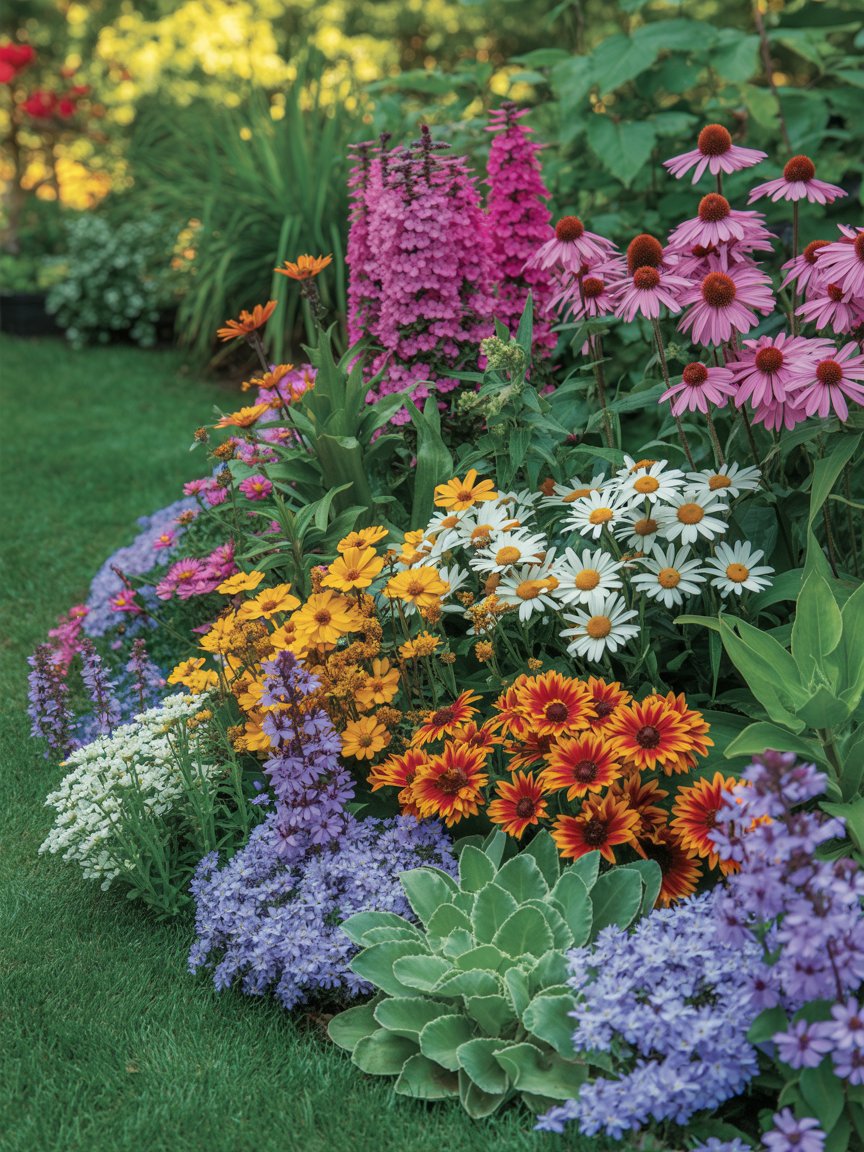
- Plant for Pollinators: Choose plants with varying bloom times to provide nectar and pollen from spring to fall. Favorites include coneflower, bee balm, salvia, and herbs like lavender and oregano.
- Provide Shelter: Leave some areas a little “wild.” A pile of rocks or logs, a patch of undisturbed leaves, or a native hedgerow offers crucial shelter for insects and small creatures.
- Add a Water Source: A simple birdbath, shallow dish with pebbles, or a small pond provides essential drinking and bathing water for wildlife.
- Avoid Pesticides: Even “organic” broad-spectrum pesticides can harm beneficial insects. Tolerance for a few chewed leaves is key.
4. Practice Natural Pest & Disease Management
The goal is balance, not annihilation. A diverse ecosystem will naturally keep pest populations in check.
How to do it:
- Encourage Beneficial Insects: Ladybugs, lacewings, and hoverfly larvae are voracious aphid eaters. Attract them with pollen-rich flowers (like yarrow and dill).
- Companion Planting: Some plant combinations help each other. Marigolds can deter nematodes; basil may improve tomato health and flavor.
- Physical Barriers: Use row covers to protect young seedlings from insects and birds.
- Hand-Picking: For larger pests like cabbage worms or tomato hornworms, a daily patrol and manual removal is highly effective.
- Homemade Sprays: As a last resort, use a blast of water or a spray of insecticidal soap (test on a leaf first).
5. Choose Sustainable Materials & Practices
Consider the lifecycle of everything you bring into your garden.
How to do it:
- Upcycle & Repurpose: Use old containers, pallets, or bricks for planters and beds.
- Choose Local & Renewable: Opt for locally sourced mulch or stone. Use bamboo stakes (a fast-growing grass) instead of plastic.
- Save Seeds: Learn to save seeds from your healthiest, open-pollinated plants. This saves money and develops plant varieties uniquely suited to your garden’s microclimate.
- Grow Some Food: Even a few pots of herbs, tomatoes, or lettuce reduce food miles, packaging, and your carbon footprint.
Getting Started: Your First 5 Eco-Friendly Steps
Feeling overwhelmed? Start small and build success.
- Start a Compost Pile: This single act diverts waste from landfills and creates your best garden resource.
- Replace One Lawn Section: Convert a sunny patch of grass into a pollinator flower bed or a small vegetable patch.
- Install a Rain Barrel: The simplest water conservation project with immediate impact.
- Plant One Native Shrub: Choose a berry-producing shrub like a blueberry or serviceberry to feed both yourself and the birds.
- Commit to No Chemicals: For one season, promise not to use synthetic fertilizers or pesticides. Observe how life returns to your garden.
The Ripple Effect: Why Your Garden Matters
Your eco-friendly garden is more than a personal retreat. It’s a node in a larger network. It creates a corridor for wildlife in a fragmented urban landscape. It sequesters carbon in its healthy soil and plant roots. It cools the local air and filters rainwater. Most importantly, it becomes a living classroom, inspiring neighbors and the next generation to see their outdoor space as a place of healing—for themselves and the planet.
Conclusion: Grow Your Own Revolution
Eco-friendly gardening is an act of hope and a powerful form of local action. It reconnects us to the natural cycles we depend on. You don’t need a green thumb to start; you just need a willingness to observe, learn, and partner with nature.
Begin with one practice, celebrate the first bee that visits your new flowers, and watch as your garden transforms into a vibrant, life-affirming ecosystem. The most beautiful garden isn’t the most perfect one—it’s the one that’s most alive.
Ready to start? What’s your first eco-friendly gardening goal? Are you starting a compost bin, planting for pollinators, or saying no to chemicals? Share your plans or questions in the comments below! Let’s grow this conversation.