
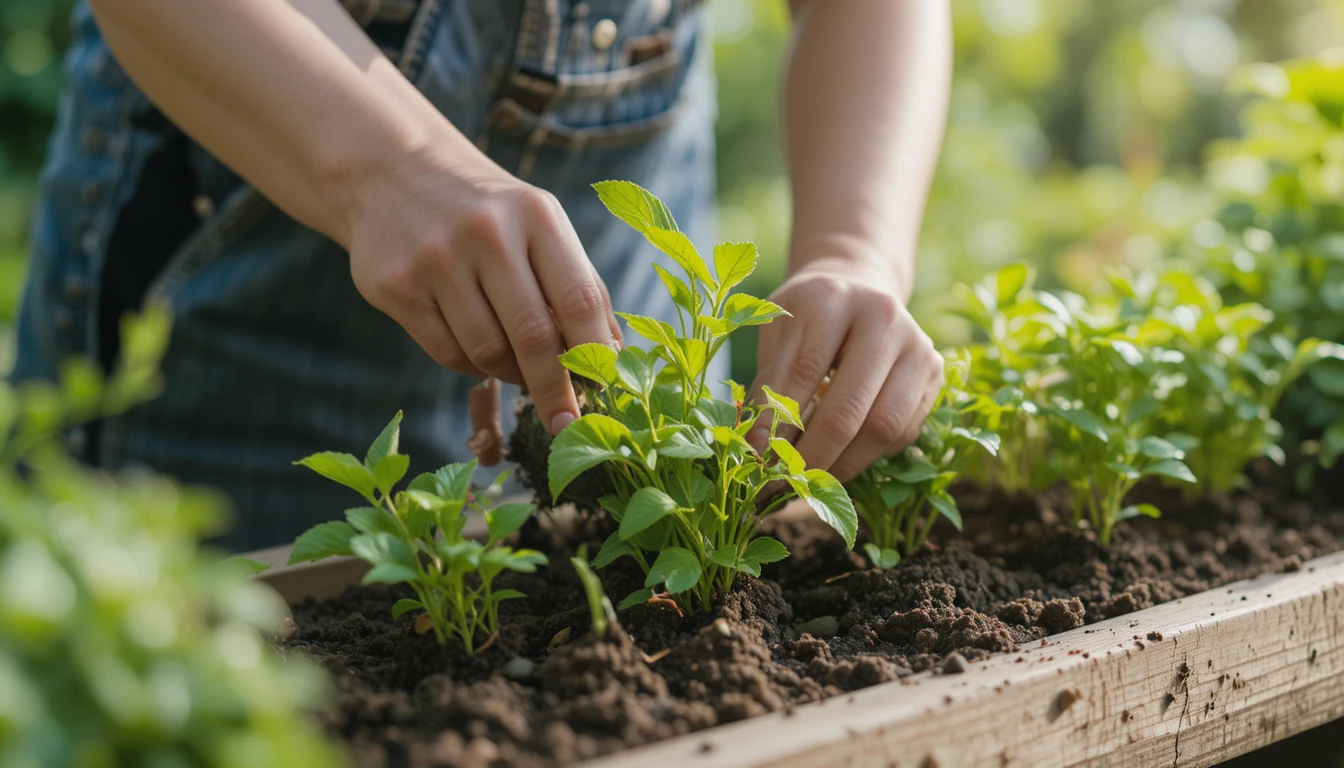
In an era of profound dislocation—from our food systems, our seasonal rhythms, and the very ground beneath our feet—there exists a quiet, radical, and deeply healing act of reclamation. It asks for no special permissions, requires no advanced technology, and its tools are as ancient as human civilization itself. This is the practice of eco-friendly gardening, but to name it so feels insufficient. It is not merely gardening, and its benefits extend far beyond the “eco-friendly.” This is regenerative cultivation: a philosophical orientation, a daily discipline, and a tangible act of co-creation with the living world. It is the process of transforming any patch of earth, from a sprawling suburban yard to a collection of pots on a fire escape, into a self-sustaining ecosystem that sequesters carbon, filters water, shelters biodiversity, and nourishes both body and soul. This is not gardening as decoration or dominion, but as dialogue—a reciprocal relationship where we cease to be mere consumers or controllers of a landscape and become instead its stewards, its students, and its beneficiaries. In a time of climate anxiety and ecological grief, this practice offers more than sustainability; it offers a tangible, hopeful, and life-affirming form of participation. Your hands in the soil become part of the solution, your garden a node in a vast, resilient network of restored land. This is the story of how to begin that transformation, a comprehensive guide to thinking, seeing, and acting not as a gardener on the land, but as a gardener of the land, fully integrated within its miraculous, messy, and magnificent systems.
Chapter I: The Unseen Foundation—Cultivating the Universe Beneath Our Feet
To understand regenerative gardening, one must first undergo a perceptual shift: to see soil not as an inert brown substance, but as the most biodiverse habitat on Earth. A single tablespoon of healthy soil contains more living organisms than there are people on the planet—bacteria, fungi, protozoa, nematodes, and microarthropods engaged in a complex, symbiotic dance that has nourished terrestrial life for eons. Conventional gardening, with its chemical fertilizers and frequent tilling, treats this universe as a problem to be sterilized and controlled. Regenerative gardening seeks instead to honor, feed, and partner with it. This begins with the fundamental principle: Feed the soil, and the soil will feed the plants.

The No-Till Revelation:
For decades, the first act of spring gardening was to till the earth, turning it over in a cloud of dust and fractured roots. We now understand this to be an act of profound disruption, equivalent to setting off a bomb in a bustling city. Tilling shatters the delicate fungal networks (mycorrhizae) that act as nutrient highways between plants, it exposes and destroys soil aggregates that took years to form, it brings dormant weed seeds to the surface, and it rapidly oxidizes organic matter, releasing stored carbon into the atmosphere. The no-till method is a paradigm of gentle stewardship. Instead of breaking the soil’s structure, we build upon it. The process is one of layering, or “lasagna gardening”: a base of cardboard or newspaper to smother grass, followed by alternating layers of carbon-rich “browns” (fallen leaves, straw, shredded paper) and nitrogen-rich “greens” (grass clippings, kitchen scraps, fresh plant trimmings), topped with several inches of finished compost and a thick blanket of mulch. This creates a raised, fluffy, nutrient-dense bed without ever turning a shovelful of native soil. Worms and microbes naturally incorporate the layers, creating a rich, living sponge that retains moisture, suppresses weeds, and grows healthier plants with deep, resilient root systems.
The Alchemy of Compost: Closing the Loop on Waste:
Composting is the ultimate act of ecological citizenship—transforming what society labels as “waste” into the most valuable substance in the garden. A properly managed compost pile is a bioreactor, a thermal engine of decomposition where microorganisms break down organic matter into stable humus. This process not only diverts material from methane-producing landfills but creates a soil amendment teeming with beneficial life. To master compost, one must think like a microbe, balancing the feast between carbon (the “browns” that provide energy and structure) and nitrogen (the “greens” that provide protein for growth). The ideal ratio is roughly 30 parts carbon to 1 part nitrogen. Turning the pile introduces oxygen, speeding the process and generating heat that kills pathogens and weed seeds. But even an unturned, “cold” compost pile will succeed with patience. For urban gardeners, options abound: compact tumblers, odor-free worm bins (vermicomposting) that thrive indoors, or community composting initiatives. The finished product—dark, crumbly, and smelling of a forest floor—is nothing short of magic: a concentrated inoculant of life that introduces billions of beneficial organisms to your garden with every handful.
The Sacred Mulch: The Garden’s Protective Blanket:
If compost is the garden’s food, mulch is its clothing, armor, and medicine, all in one. A generous layer (4-6 inches) of organic mulch—shredded leaves, wood chips, straw, or pine needles—performs a symphony of essential functions. It dramatically reduces water evaporation from the soil surface, sometimes cutting irrigation needs by half or more. It suppresses weed germination by blocking light, turning a weekend chore into a minor task. It moderates soil temperature, keeping roots cool in summer and insulated in winter. As it slowly decomposes, it feeds the soil web below, adding organic matter without any extra work. Critically, it prevents soil erosion from wind and rain, protecting that fragile universe of life. In autumn, the regenerative gardener resists the urge to “clean up” entirely. Leaving fallen leaves in place and standing dead plant stalks through the winter provides crucial overwintering habitat for countless beneficial insects, including the larvae of native bees and butterflies. The tidy garden is an ecological desert; the “messy” garden is a hibernaculum of life.
Chapter II: Water as Sacred Currency—Hydrating the Landscape with Wisdom and Reverence
In a world of increasing water scarcity and climatic instability, how we manage water in our gardens is a profound ethical and practical consideration. The regenerative garden is designed not as a thirsty demand on municipal systems, but as a sponge, a reservoir, and a participant in the natural water cycle.
The Rainwater Ethic: Catching the Sky’s Gift:
The first principle of water wisdom is to harvest what falls freely from the sky. A simple rain barrel connected to a downspout is a powerful starting point—a single barrel can capture hundreds of gallons annually from an average roof. This water is naturally soft, slightly acidic (ideal for most plants), and free of chlorine. More ambitious systems link multiple barrels or employ large cisterns, potentially holding thousands of gallons to see a garden through dry spells. This harvested water can be gravity-fed or connected to a drip irrigation system. Beyond storage, we must also manage flow. Rain gardens are shallow, planted depressions strategically placed to capture runoff from roofs and driveways. Filled with deep-rooted, water-tolerant native plants, they allow stormwater to pool and slowly infiltrate, filtering pollutants and recharging groundwater instead of overwhelming sewers.
Irrigation as an Act of Precision, Not Profligacy:
The era of the oscillating sprinkler watering both plants and pavement is over. Drip irrigation and soaker hoses represent a quantum leap in efficiency, delivering water directly to the root zone where it’s needed, with minimal evaporation or runoff. For container gardens or small beds, olla irrigation offers an elegant, ancient solution: unglazed clay pots buried in the soil and filled with water, which slowly seep moisture outward as the soil dries, creating a self-regulating system. The timing of watering is equally crucial. Watering deeply and infrequently in the early morning encourages plants to develop deep, drought-resistant root systems and allows foliage to dry before nightfall, preventing fungal diseases.
Planting for Resilience: The Right Plant in the Right Place:
The most significant water-saving strategy is plant selection. Xeriscaping—the practice of designing landscapes to minimize water use—is often misunderstood as a landscape of rocks and cacti. In truth, it can be lush, vibrant, and teeming with life when it employs native and climate-adapted plants. These plants have evolved over millennia to thrive in local rainfall patterns, requiring little to no supplemental water once established. Grouping plants with similar water needs (hydrozoning) prevents overwatering some to satisfy others. By observing and embracing the natural inclinations of our site—planting sun-lovers in full sun, moisture-lovers in low spots—we work with nature’s logic, not against it.
Chapter III: Beyond Pestilence—Fostering a Balanced, Self-Regulating Ecosystem
The war on pests is a failed, toxic paradigm. In a healthy ecosystem, there are no “pests,” only participants in a complex food web. The regenerative gardener’s goal is not eradication but equilibrium, creating a landscape so brimming with life that no one species can gain destructive dominance.
Building an Insect Army: The Power of the Insectary:
Approximately 10% of a regenerative garden should be dedicated to plants that specifically support beneficial insects. This “insectary” includes plants with small, accessible flowers rich in nectar and pollen, blooming in succession from early spring to late fall. Umbellifers like dill, fennel, and cilantro attract parasitic wasps that control caterpillars. Plants in the aster family, like goldenrod and asters, provide crucial late-season fuel for migrating monarchs and overwintering bees. A simple patch of bare, undisturbed ground provides nesting habitat for 70% of native bee species, which are solitary ground-dwellers. By providing food, water, and shelter, we recruit a permanent army of predators—ladybugs, lacewings, hoverflies, and birds—that will patrol our plants more effectively than any pesticide.
The Tolerant Eye: Learning to Share the Harvest:
The first step in pest “management” is often to do nothing. A few holes in a kale leaf or aphids on a rose bud are not a crisis; they are a sign of a living ecosystem and a food source for beneficials. We must cultivate an aesthetic of vitality over perfection. Observation is key: is the damage truly threatening the plant’s life, or is it merely cosmetic? Often, natural predators will arrive to handle an outbreak if given a few days. Physical interventions—hand-picking large pests, using row covers as barriers, or spraying aphids with a strong jet of water—are the next line of defense. Only as an absolute last resort should even organic sprays like neem oil or insecticidal soap be used, and even then, applied at dusk to minimize harm to pollinators. The cornerstone of plant health, however, is not intervention but prevention: resilient plants grown in healthy soil with proper sunlight and spacing are remarkably resistant to pest and disease pressures.
Chapter IV: A Tapestry of Life—Curating a Plant Community with Purpose
What we choose to plant defines the ecological function of our garden. Each plant is selected not only for its beauty or utility to us, but for its role in the wider community—what it offers to pollinators, birds, and the soil itself.
The Primacy of Native Plants:
Native plants are the ecological linchpins of the regenerative garden. Having co-evolved with local insects, birds, and soils over thousands of years, they form the foundational relationships of the food web. For example, nearly all songbird chicks are raised on a diet of insects, and the vast majority of those insects can only eat the native plants with which they evolved. A non-native ornamental like a Bradford pear may be pretty, but it supports almost no caterpillar life, making it a “food desert” for birds. Native plants, once established, are also supremely adapted to local climate and pests, requiring far less water, fertilizer, and care. They are the ultimate low-maintenance, high-impact choice.
The Edible Landscape: Blurring the Lines Between Utility and Beauty:
Growing food is the most direct and satisfying connection to the land. The regenerative kitchen garden rejects monoculture rows in favor of polycultures—diverse plantings that mimic natural communities. Companion planting leverages plant relationships: tall corn provides a trellis for beans, which fix nitrogen in the soil for the heavy-feeding corn; low-growing squash shades the soil, suppressing weeds. Food forests take this further, creating layered, perennial ecosystems with canopy trees (fruit and nut), understory shrubs (berries), herbaceous plants (vegetables and herbs), groundcovers, and root crops—all working in synergy. Even the smallest space can host a container food forest on a patio. Saving seeds from heirloom varieties preserves genetic diversity and adapts our food plants to our specific garden’s microclimate over generations.
Embracing Functional “Messiness”:
The manicured, static garden is an ecological void. The regenerative garden is dynamic, changing with the seasons, offering different resources throughout the year. It includes:
- A “Bug Bank”—a dedicated, undisturbed corner with logs, stones, and leaf litter for overwintering insects and amphibians.
- A Brush Pile for sheltering small mammals and birds.
- Seed-Heads Left Standing through winter to feed finches and provide structure.
- A Diversity of Shapes and Textures, from grasses to broad leaves, creating micro-habitats.
Chapter V: The Thoughtful Infrastructure—Materials, Tools, and Energy in the Conscious Garden
Every physical choice in the garden, from the wood in a raised bed to the fuel in the mower, carries an ecological consequence. Regenerative gardening extends its ethics to these material selections.
Choosing Materials with Integrity:
- Paths & Patios: Opt for permeable materials like gravel, wood chips, or spaced flagstones that allow water to infiltrate rather than run off. Source local stone to reduce transportation emissions.
- Raised Beds: Use untreated, rot-resistant cedar or redwood, or reclaimed lumber. Avoid pressure-treated wood containing toxic copper, chromium, or arsenic compounds. Consider hugelkultur beds: mounds built over a core of rotting logs and branches that act as a sponge, holding moisture and slowly releasing nutrients for years.
- Fences & Structures: Where possible, choose living fences—hedgerows of native shrubs that provide habitat, beauty, and privacy. Use bamboo only if it’s not invasive in your area.
The Energy-Wise Garden:
- Tools: For small spaces, manual tools (push mowers, scythes, hand pruners) provide quiet, emission-free, and meditative work. For larger properties, battery-electric tools are superior to their gas-powered counterparts, eliminating exhaust, noise pollution, and the need for fossil fuels.
- Lighting: Use only necessary lighting, preferably solar-powered LEDs with dark-sky-friendly fixtures that direct light downward to prevent disrupting nocturnal wildlife and human circadian rhythms.
The Lawn Reconsidered:
The traditional turfgrass lawn is the antithesis of a regenerative landscape: a high-input monoculture requiring constant mowing, watering, fertilizing, and chemical applications to maintain an unnatural state. Reformation can take many forms:
- Reduction: Simply shrinking the lawn area by expanding planting beds.
- Replacement: Planting a clover lawn (which fixes nitrogen, stays green with less water, and feeds bees) or a native meadow that requires mowing just once or twice a year.
- Reimagination: Managing what remains organically: mowing high (3-4 inches) to shade out weeds and encourage deep roots, leaving clippings as fertilizer, and using corn gluten meal as a natural pre-emergent.
Chapter VI: The Social and Spiritual Dimensions—Gardening as Connective Tissue
A garden is never truly isolated. It exists within a social and ecological neighborhood, and its greatest power may lie in its ability to connect.
Growing Community:
- Plant a “Sharing Row”: Dedicate part of your vegetable garden to extra produce you intend to give away to neighbors, fostering connection and food security.
- Create Habitat Corridors: Work with adjacent property owners to plant native species along fence lines, creating safe passageways for wildlife through the urban matrix.
- Host Skill-Shares: Teach composting, seed saving, or pruning in your garden, transforming it into a living classroom.
The Garden as a Sanctuary for the Human Spirit:
Beyond its ecological functions, the regenerative garden serves as a vital antidote to the stress and alienation of modern life. It is a place for mindfulness, where the repetitive tasks of weeding or harvesting become moving meditations. It is a place for wonder, where one can observe the intricate life of a bumblebee or the overnight unfurling of a squash vine. It teaches profound lessons in patience, resilience, and humility—we are not creators here, but facilitators. We learn to accept failure (the kale devoured by caterpillars, the seedlings fried by sun) as data, not defeat. In tending to the land, we find ourselves tended to. The garden becomes a mirror for our inner landscape and a source of quiet, unshakeable hope. In caring for a small patch of earth, we remember our place in the larger web, moving from a stance of fear and control to one of partnership and awe.
Epilogue: The Seed of Hope—A Legacy in the Soil
To garden regeneratively is to engage in a long, quiet conversation with the land. It is an act of faith—faith that small actions matter, that life wants to flourish, and that healing is possible. Each handful of compost, each native wildflower planted, each gallon of rainwater saved is a vote for a different future. This garden you nurture will not solve the climate crisis alone, but it will become a living testament to a different way of being: one of reciprocity, abundance, and deep, rooted connection.
The revolution will not be broadcast. It will germinate in the soil, bloom in forgotten corners, and hum with the wings of returning pollinators. It begins the moment you choose to see your piece of earth not as a possession, but as a partner. It begins with your hands in the soil, planting a seed of hope that, with care, will grow into a forest of tomorrow.