

Have you ever gazed enviously at a neighbor’s garden that seems to burst with color and life from the first spring crocus to the last autumn berry, while yours has peaks and valleys—or maybe just valleys? The secret isn’t necessarily a greener thumb; it’s a smarter calendar. Welcome to the ultimate Seasonal Plant Playbook—your strategic guide to working with nature’s rhythms, not against them.
In a world of instant gratification, gardening teaches us the profound beauty of patience and timing. This playbook isn’t just a list of tasks; it’s a philosophical shift from being a passive planter to becoming a proactive garden conductor, orchestrating a year-round symphony of growth. Let’s dig in.
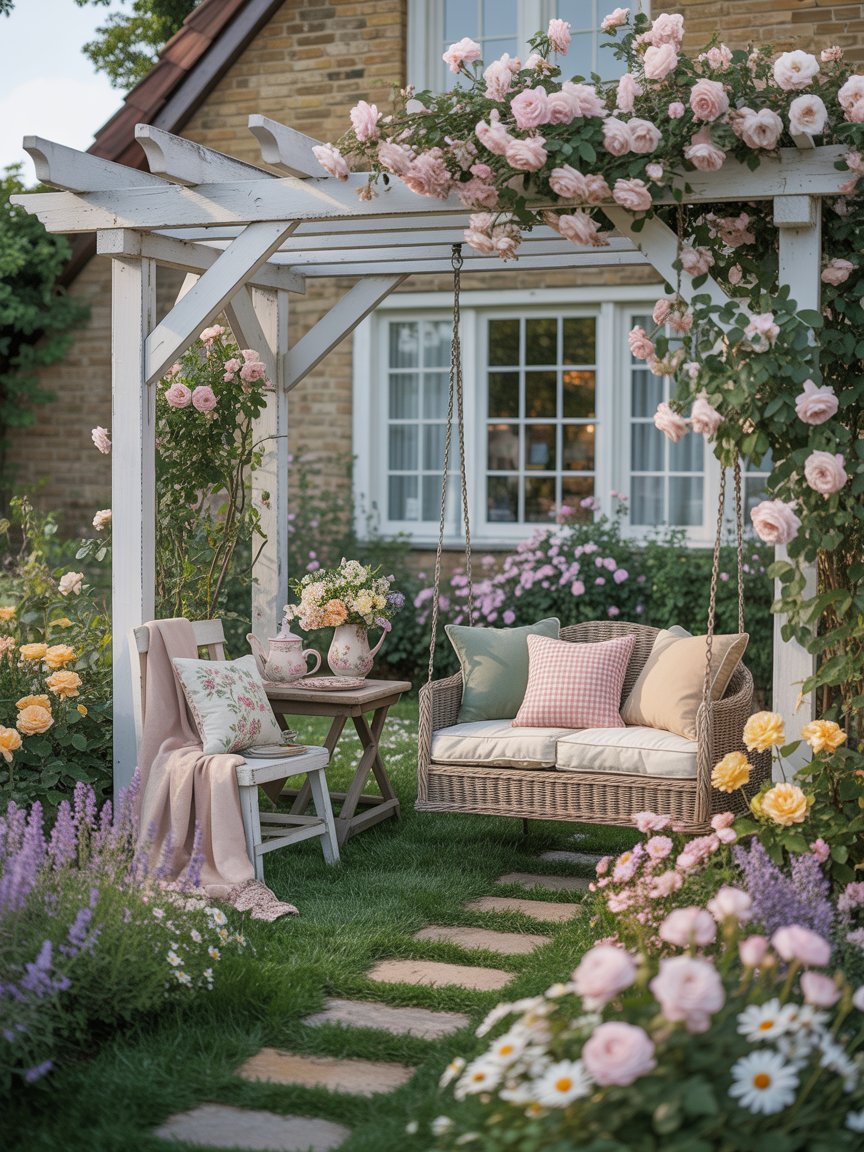
Why a Seasonal Strategy is Your Garden’s Game-Changer
Plants, like all living things, operate on an innate biological clock tuned to daylight, temperature, and soil conditions. Ignoring these cues is like trying to bake a cake in a cold oven. A seasonal approach maximizes plant health, boosts yield, reduces pest pressure, and creates four seasons of visual interest. It transforms gardening from a chore into a continuous, rewarding dialogue with the land.
The Core Philosophy: Think Like an Ecosystem
Your garden is a miniature ecosystem. Each season plays a crucial role: Spring awakens and renews, Summer sustains and flourishes, Autumn prepares and protects, and Winter rests and restores. Our playbook follows this cycle.
SPRING QUARTER (March-May): The Awakening
Theme: Strategic Renewal & Explosive Growth
Spring is the season of potent energy. The goal is to set a strong, healthy foundation for the entire year.
March: The Scout & Prep Month
- Soil is Everything: Before you plant a single seed, focus on the ground. The old adage is true: “Feed the soil, not the plant.” Once the soil is workable (not waterlogged), conduct a simple test. Squeeze a handful; if it crumbles easily, you’re good.
- Task: Add a 2-3 inch layer of well-rotted compost or manure. This improves drainage in clay soil and water retention in sandy soil. It’s the single best thing you can do.
- SEO Keyword Tip: This is prime time for searches like “how to prepare garden soil in spring” and “best organic compost.”
- Early Bird Planting (Cool-Season Crops): In many zones, March is for the tough guys.
- Sow Directly: Peas, spinach, arugula, radishes, and carrots can often go in as soon as the soil is workable.
- Transplant: Onion sets, asparagus crowns, and bare-root berry bushes.
- Bloom Boost: Plant hardy annuals like pansies and sweet peas. Sow seeds for summer blooms (cosmos, zinnias) indoors.
- Pruning & Clean-Up:
- Prune summer-flowering shrubs like Buddleia (butterfly bush) and Hydrangea paniculata before new growth emerges.
- Crucial Tip: DO NOT prune spring-flowering shrubs (like lilac or forsythia) yet, or you’ll cut off this year’s blooms.
April: The Launch Pad
- The Last Frost Date is Your North Star: Find your average last frost date (search online for your zip code). This dictates all major moves.
- 2 Weeks Before Last Frost: Transplant hardened-off seedlings of cabbage, kale, and lettuce.
- Divide & Conquer: Perennials like hostas and daylilies can be divided as they emerge, reinvigorating them.
- Pest Patrol Begins: As aphids and slugs wake up, be vigilant. Introduce beneficial insect habitats (ladybug hotels!) and use organic deterrents like diatomaceous earth.
- Lawn Care: Early spring is ideal for overseeding thin lawns and applying a light, organic fertilizer.
May: The Full Throttle Month
- After Last Frost – The Main Event: This is planting week! The soil is warm, and danger has passed.
- Transplant: Tomatoes, peppers, cucumbers, squash, and basil go into the ground.
- Sow Directly: Beans, corn, sunflowers, and nasturtiums.
- Instant Color: Plant annual containers and hanging baskets for immediate impact. Search queries like “frost-proof annuals” and “planting tomatoes” peak now.
- Mulch Matters: Once plants are established and soil is warm, apply a 2-inch layer of organic mulch (wood chips, straw). This suppresses weeds, retains moisture, and regulates soil temperature.
- Support Systems: Install tomato cages, pea trellises, and stakes now to avoid damaging roots later.
SUMMER QUARTER (June-August): The Sustainment
Theme: Vigilant Care & Abundant Harvest
Summer is about maintenance, hydration, and enjoying the fruits of your labor.
June: The Peak Performance Month
- Watering Wisdom: Deep, infrequent watering is better than daily sprinkles. It encourages deep root growth. Water early in the morning to reduce evaporation and fungal disease. Soaker hoses or drip irrigation are game-changers.
- Succession Planting: As you harvest radishes or lettuce, have another round of seeds ready to go. This ensures a continuous harvest. Try “midsummer” crops like bush beans or quick-turnaround beets.
- Deadheading 101: Religiously remove spent blooms from roses, marigolds, and zinnias. This signals the plant to produce more flowers, not go to seed.
July: The Heat Manager
- Beat the Heat: Focus on watering and shading. Use shade cloth for sensitive greens. Mulch is your best friend.
- Harvest Promptly: Pick zucchini and beans every other day to keep plants productive. Harvest herbs like basil regularly to prevent flowering (bolting).
- Scout for Disease: Powdery mildew and tomato blight can appear. Improve air circulation, water at the base, and remove affected leaves promptly. Searches for “tomato blight treatment” surge now.
August: The Bridge Builder
- Plan for Fall: Yes, now! This is the most overlooked strategic move.
- Sow for Autumn: In late July/early August, sow seeds of cool-season crops: broccoli, Brussels sprouts, kale, and carrots for a fall harvest.
- Order Spring Bulbs: Catalogs arrive and online stores open orders for tulips, daffodils, and alliums. Get your orders in early for the best selection.
- Propagate: Take semi-ripe cuttings of tender perennials like pelargoniums and fuchsias to overwinter indoors.
AUTUMN QUARTER (September-November): The Preparation
Theme: Harvest, Protect, & Reset
Autumn is not an ending; it’s a critical preparation phase. A fruitful autumn ensures a resilient spring.
September: The Harvest Moon Month
- Prime Harvest Time: Continue harvesting summer crops as frost threatens. Gather onions and potatoes and cure them for storage.
- Plant for Spring Glory: This is non-negotiable. Plant spring-flowering bulbs (tulips, daffodils, crocus) from September until the ground freezes. It’s the ultimate “pay it forward” garden act.
- Lawn Rejuvenation: The best time to overseed, aerate, and fertilize your lawn. Cool temps and autumn rains promote strong root growth.
October: The Great Tidy-Up
- Protect & Preserve: Before hard frost, bring in tender bulbs (dahlias, cannas) and potted herbs (rosemary, bay).
- Clean Up Strategically:
- Remove & Compost: Diseased plant material and spent annuals.
- Leave Standing: Ornamental grasses, seed heads of echinacea, and spent foliage of perennials. They provide winter interest, habitat for beneficial insects, and food for birds. This is a key shift toward eco-friendly gardening.
- Soil Finale: Plant a cover crop (like winter rye) in empty vegetable beds or simply top-dress with compost. Let the winter worms do the work of integrating it.
November: The Final Blanket
- Mulch for Insulation: After the ground freezes, apply a fresh layer of mulch over perennial beds and around rose crowns to prevent freeze-thaw cycles that can heave plants out of the ground.
- Tool Care: Clean, sharpen, and oil your tools before storing them. Drain and store hoses.
- Plan & Dream: With the garden asleep, this is the perfect time to assess. What worked? What didn’t? Order seed catalogs and sketch new ideas. Searches for “garden planning software” and “next year’s garden trends” begin.
WINTER QUARTER (December-February): The Restoration
Theme: Rest, Reflect, & Anticipate
The garden sleeps, but the gardener’s mind is active.
December & January: The Deep Rest
- Garden Wildlife: Keep bird feeders stocked. The life they bring is your winter entertainment.
- Indoor Gardening: Force bulbs like amaryllis and paperwhites. Start a windowsill herb garden.
- Learn & Plan: Deep-dive into gardening books, podcasts, and online courses. Finalize your seed orders. This quiet time is for strategic education.
February: The First Whisper
- The Itch Begins: In late February, you can start seeds of slow-growers indoors: peppers, onions, leeks, and certain perennials under grow lights.
- Pruning Time: While plants are dormant, prune fruit trees, deciduous shrubs, and summer-blooming clematis. It’s easier to see the structure.
- Check Stored Bulbs & Tubers: Ensure they are not rotting or drying out.
Adapting Your Playbook: Know Your Zone & Microclimate
This monthly guide is a template. Your most critical tool is your USDA Hardiness Zone (find it online). This dictates your first and last frost dates, which are the bookends of your seasonal playbook.
Furthermore, observe your microclimates:
- Does your south-facing wall heat up faster? Use it for heat-lovers.
- Is there a low, damp spot? Perfect for moisture-loving plants.
- Gardening is local. Talk to neighbors, visit local nurseries, and join regional gardening groups.
The Sustainable Seasonal Gardener’s Mindset
Embracing the seasonal playbook leads naturally to sustainable practices:
- Water Conservation: Mulching and proper timing reduce water use.
- Soil Health: Constant organic amendment builds living soil.
- Biodiversity: Planting for multiple seasons supports pollinators and beneficial insects year-round.
- Reduced Inputs: Healthy plants in the right season are naturally more pest and disease-resistant.
Your Playbook Awaits
Gardening with the seasons is the ultimate act of partnership with nature. It relieves the anxiety of “Am I doing this right?” by providing a natural rhythm to follow. It turns the garden from a static picture into a dynamic, evolving story—one you get to write, season by season.
So, grab a notebook, mark your calendar, and step outside. Your Seasonal Plant Playbook isn’t just about growing plants; it’s about cultivating patience, joy, and a deep, enduring connection to the living world right outside your door. The first chapter begins today.
Ready to get started? Download our free printable Seasonal Gardening Checklist to keep your playbook on track, month by month! (A strategic call-to-action for lead generation).