
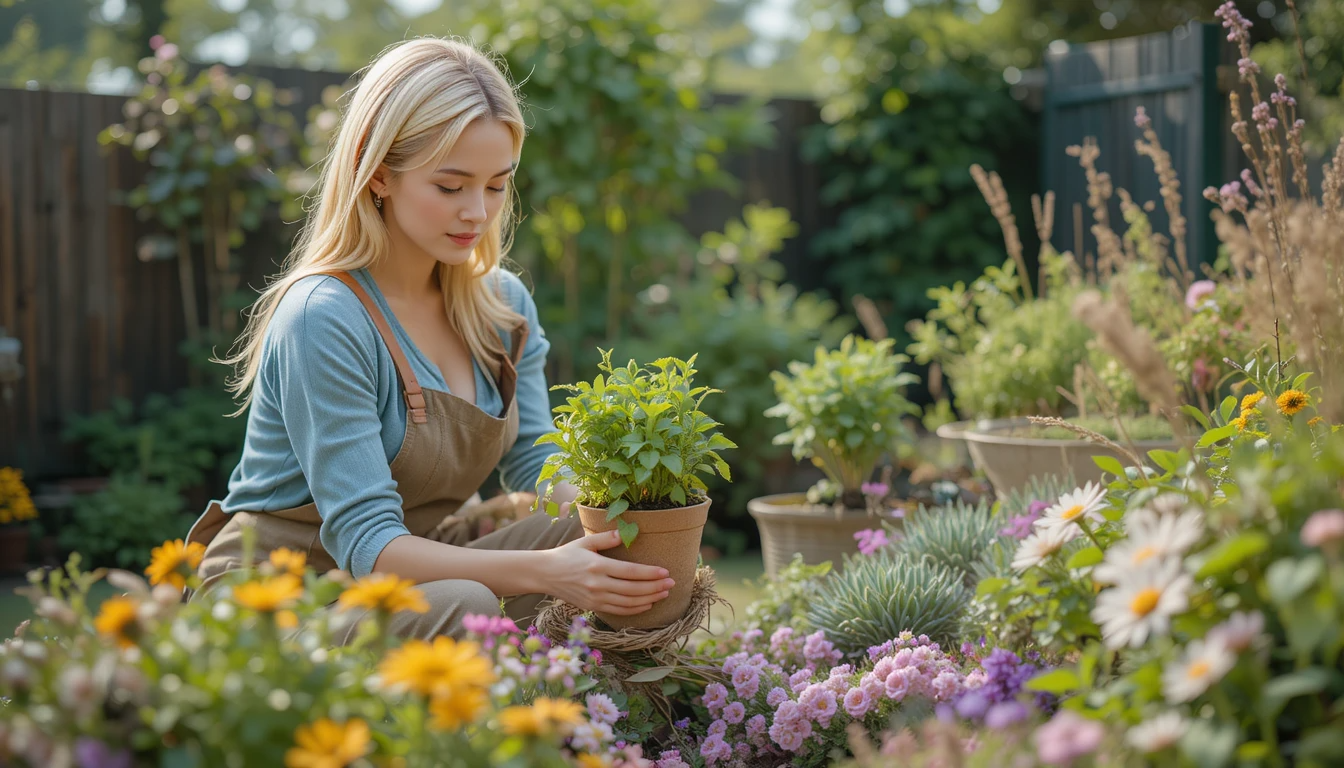
It starts with a single pot on a windowsill. A basil plant, perhaps, its vibrant green leaves a stark contrast to the plastic tub from the supermarket. You pinch a leaf, crush it between your fingers, and breathe in a scent so pungent and alive it seems to redefine the herb itself. This small act—this tiny rebellion against the packaged and the shipped—is the first step into a profoundly different way of living. Grow-your-own isn’t just a hobby for green-thumbed enthusiasts; it’s a quiet revolution in self-reliance, a sensory re-education, and perhaps the most satisfying life hack you’ll ever adopt.
We’ve become disconnected from our food’s origin story. Our tomatoes are glossy, durable travellers, bred for mileage, not flavour. Our herbs are desiccated ghosts of their former selves, languishing in jars. We’ve outsourced one of our most fundamental connections—to the earth that sustains us—to complex, opaque supply chains. But there’s a deep, almost primal part of us that remembers. That remembers the crunch of a sun-warmed bean picked moments before, the explosive sweetness of a pea popped straight from the pod, the humble pride of turning your own soil and witnessing life emerge from it.
This isn’t about becoming a full-scale homesteader (unless you want to!). It’s about cultivating essentials. It’s about identifying the small, high-impact, high-reward elements of your kitchen and life that are astonishingly simple to reclaim. Think of it not as adding a chore, but as installing a personal, living convenience store where the currency is care and the dividends are flavour, health, and a quiet kind of joy.
The Starter Kit: Your First Wave of Essentials
1. The Flavour Bomb Brigade: Herbs.
This is ground zero for the grow-your-own convert. Herbs are the ultimate gateway plant. They’re expensive to buy fresh, lose their soul when dried, and can transform a mundane meal into something restaurant-worthy.
- Why they’re essential: A snip of home-grown rosemary on your roasted potatoes, a handful of just-picked coriander in your curry, or fragrant dill on your salmon—this is cooking alchemy. The oils are at their peak, vibrant and potent.
- The Hack: Start with hardy, high-use varieties. Basil, mint, rosemary, thyme, and parsley are remarkably forgiving. A sunny windowsill, a small balcony pot, or a corner of the garden is all they ask. The ROI is immediate and delicious.
2. The Salad Revolutionaries: Leafy Greens & Continuity Crops.
Nothing highlights the absurdity of the supermarket supply chain like bagged salad—washed in chlorine, prone to slime, and tasting of…well, very little.
- Why they’re essential: Imagine a continuous supply of rocket (arugula) with its spicy kick, tender butterhead lettuce, or robust Swiss chard, all harvested minutes before eating. The crispness is otherworldly. The nutrient density is off the charts because the clock between harvest and plate is measured in minutes, not days.
- The Hack: Practice “cut-and-come-again” sowing. Snip leaves from the outside, and the plant keeps growing. A few pots or a small raised bed can provide a rolling salad bar all season long.
3. The Joyful Grabbables: Cherry Tomatoes & Snacking Veg.
There is a universe of difference between a supermarket tomato, often picked green and gassed to redness, and a sun-ripened cherry tomato from your own vine. It’s a burst of sweet, tangy sunshine.
- Why they’re essential: These are the garden’s candy. They encourage grazing, get kids excited about veggies, and make for the simplest, most impressive snacks. Sugar snap peas, baby cucumbers, and radishes fall into this glorious category.
- The Hack: Cherry tomatoes thrive in containers and hanging baskets. They’re prolific and forgiving. The daily hunt for the reddest gems becomes a meditative ritual.
4. The Aromatic All-Stars: Garlic, Spring Onions & Alliums.
These are the quiet workhorses of the kitchen, and growing them feels like a secret superpower.
- Why they’re essential: Plant a single clove of garlic in autumn, and by summer you have a whole new bulb. Pop the root end of a spring onion (scallion) in a glass of water, and it will regrow in days. It’s practical magic. Home-grown garlic is often stronger and more complex.
- The Hack: Regrowing from kitchen scraps is the ultimate in circular living. It’s a tangible lesson in resourcefulness that feels delightfully clever.
The Deeper Harvest: What You Really Grow
Beyond the tangible produce, a grow-your-own practice cultivates something far more valuable in our frazzled, digital world.
You Grow Mindfulness.
In a life of notifications and multitasking, gardening demands presence. You must observe. Is the soil dry? Are there aphids on the underside of that leaf? Is that true yellow, or just dappled sunlight? This forced focus is a form of active meditation. The rhythm of sowing, watering, and harvesting grounds you in the real, physical world in a way few other activities can.
You Grow Resilience.
Not every seed sprouts. A zucchini plant might succumb to mildew. It’s okay. Gardening teaches gentle acceptance of failure as part of the process. It builds problem-solving skills and patience. You learn that you are collaborating with nature, not controlling it. This resilience, this ability to adapt and try again, seeps into the rest of your life.
You Grow Connection.
Connection to the seasons, truly feeling the anticipation of the first asparagus spear in spring or the last pumpkin in autumn. Connection to your food, understanding the effort and time it takes, which leads to less waste and more reverence. Connection to your community—surplus zucchini have a way of fostering neighbourly bonds, and seed swapping is a timeless social ritual.
You Grow a Sense of Agency.
In an era of globalised helplessness, to produce something—no matter how small—is a powerful act. It is a declaration that you are not entirely a passive consumer. You are a creator. You can feed yourself, beautify your space, and create a tiny ecosystem of life and abundance. This agency is profoundly empowering.
Getting Started: The Only Rule is to Begin
The perceived barriers—space, time, expertise—are often illusions.
- No Garden? Container gardening is a vast and beautiful world. A sunny balcony, patio, or even a bright windowsill is a potential farm.
- No Time? Start with one pot. Five minutes of watering every other day is less time than scrolling through a social feed. Gardening time is time invested in slow living, not lost.
- No Expertise? Plants want to grow. Your job is to facilitate. Start with easy wins (herbs, lettuce, cherry tomatoes). Murder a basil plant? It happens. Get another. The learning is in the doing.
So, plant that first seed. Get your hands dirty. Watch a tendril reach for the sun. It may seem like a small thing, but in that act lies a quiet revolution. You’re not just growing dinner. You’re growing patience, awareness, resilience, and joy. You’re reclaiming a fundamental human rhythm and tasting the world as it was meant to be: vibrant, immediate, and deeply, essentially alive.
The most profound essentials you’ll grow won’t fit in a salad spinner. They’ll take root in you.