
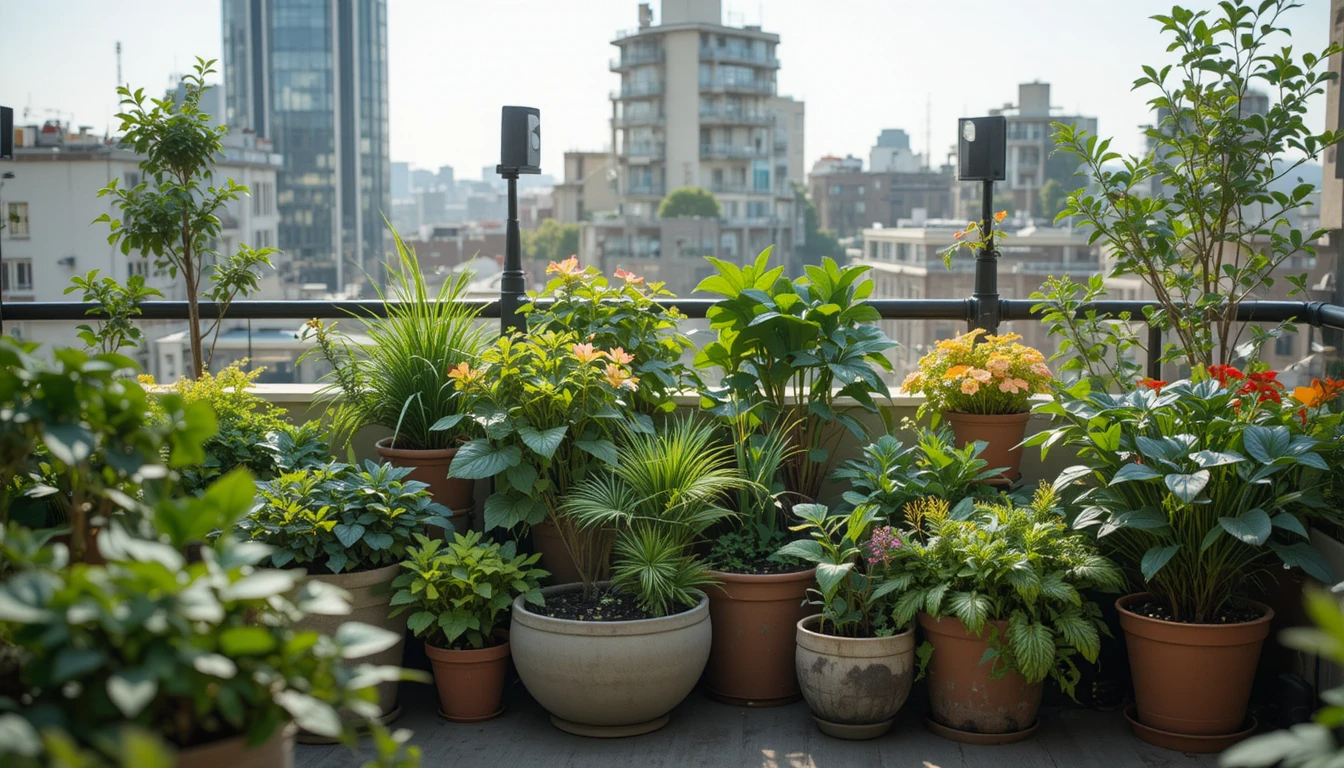
The most profound truth in gardening is this: nature doesn’t recognize our calendar. The rigid boxes of spring, summer, fall, and winter fail to capture the fluid, overlapping transitions that plants actually experience. This guide introduces the concept of Six Ecological Seasons—a framework that aligns with biological reality rather than arbitrary dates. Here, we learn to garden by nature’s true signals: soil temperature, day length, plant phenology, and the subtle shifts in light and life that tell us when to plant, tend, and harvest.
This is gardening as attunement. It’s moving from reactive (“Oh no, frost!”) to anticipatory (“The goldenrod is blooming—time to plant garlic”). It’s developing a relationship with your specific place that yields not just food and flowers, but wisdom.
Part I: The Six Ecological Seasons—A New Framework
1. The Thawing Window (Pre-Spring)
Timing: Last hard frost to soil temperature 45°F
Nature’s Signals: Snowdrops emerge, maple sap runs, chickadees sing “spring’s here” song
Day Length: Rapidly increasing, but angle still low
Soil Reality: Cold but workable; microbial life stirring
Critical Tasks:
- Prune fruit trees, grapes, and berries before buds swell
- Direct sow poppies, larkspur, sweet peas—they need cold soil
- Plant peas, spinach, arugula as soil reaches 40°F
- Start onions, leeks, celery indoors (need 12-14 weeks)
- Apply compost to beds as they become workable
- Divide summer- and fall-blooming perennials
Pro Insight: This is the window for soil amendments. Nutrients incorporated now will be available when plants actually need them in 4-6 weeks.
2. The Quickening (True Spring)
Timing: Soil 45-55°F; danger of hard frost passed
Nature’s Signals: Forsythia blooms, dandelions appear, earthworms surface
Day Length: 12+ hours of daylight
Soil Reality: Warming rapidly; perfect for root development
Critical Tasks:
- Direct sow carrots, beets, radishes, turnips
- Plant potatoes when soil reaches 45°F
- Transplant hardened-off brassicas (broccoli, cabbage, kale)
- Start tomatoes, peppers, eggplants indoors
- Plant bare-root trees, shrubs, asparagus, rhubarb
- Set up trellises before plants need them
The Magic Window: Soil is warm enough for growth but cool enough that leafy greens won’t bolt. This is your prime time for cool-season crops.
3. The Acceleration (Late Spring)
Timing: Soil 55-65°F; nights consistently above 50°F
Nature’s Signals: Lilacs bloom, apple blossoms, last frost date passes
Day Length: 14+ hours; explosive growth possible
Soil Reality: Warm enough for summer crops
Critical Tasks:
- Direct sow beans, corn, cucumbers, squash at 60°F soil
- Transplant tomatoes, peppers, basil after nights >50°F
- Plant succession crops every 10-14 days
- Mulch beds to conserve moisture and suppress weeds
- Begin regular pest monitoring
The Transition: Energy shifts from root establishment to explosive top growth. Water deeply to encourage deep roots before summer heat.
4. The Lush Abundance (Early Summer)
Timing: Soil 65-70°F; summer solstice approaches
Nature’s Signals: Daylilies bloom, fireflies appear, strawberries ripen
Day Length: Peak sunlight (15+ hours)
Soil Reality: Maximum microbial activity
Critical Tasks:
- Harvest spring crops before they bolt
- Side-dress heavy feeders (corn, tomatoes, squash)
- Direct sow fall carrots, beets, turnips in late June
- Start fall brassicas indoors for July transplant
- Implement consistent watering schedule
- Begin harvesting garlic when lower leaves brown
The Balance Point: Plants shift from vegetative growth to flowering/fruiting. They need different nutrients now—higher potassium and phosphorus.
5. The Fulfillment (High Summer)
Timing: Soil peaks at 70°F+ then begins cooling
Nature’s Signals: Goldenrod blooms, crickets sing, tomatoes ripen
Day Length: Noticeably decreasing after solstice
Soil Reality: May dry out if not mulched
Critical Tasks:
- Harvest daily to keep plants producing
- Preserve surplus (can, freeze, dry, ferment)
- Plant fall greens (spinach, kale, lettuce) in August shade
- Transplant fall brassicas started earlier
- Order garlic and spring bulbs
- Collect seeds from open-pollinated varieties
The Preservation Window: This is food security work. What you preserve now feeds you through winter.
6. The Sweet Decline (True Autumn)
Timing: First light frost to hard freeze
Nature’s Signals: First frost, leaves turn, geese migrate
Day Length: Shortening rapidly
Soil Reality: Still warm from summer but cooling
Critical Tasks:
- Harvest frost-tender crops before hard freeze
- Plant garlic, shallots, flower bulbs
- Transplant trees, shrubs, perennials
- Sow cover crops in empty beds
- Leave some plants standing for winter habitat
- Apply final layer of compost
The Graceful Exit: Plants aren’t dying—they’re storing energy in roots. Soil life feeds on fallen leaves. Next year’s garden is being prepared.
Part II: The Phenological Planting Guide—Nature’s True Calendar
Forget last frost dates. These natural signs never lie:
| When you see… | It’s time to… |
|---|---|
| Snowdrops blooming | Plant peas, spinach (under protection) |
| Crocus flowers open | Sow lettuce, arugula, carrots |
| Forsythia at peak bloom | Plant potatoes, beets, chard |
| Dandelions in full flower | Direct sow beans, corn, squash |
| Lilacs in bloom | Transplant tomatoes, peppers, basil |