
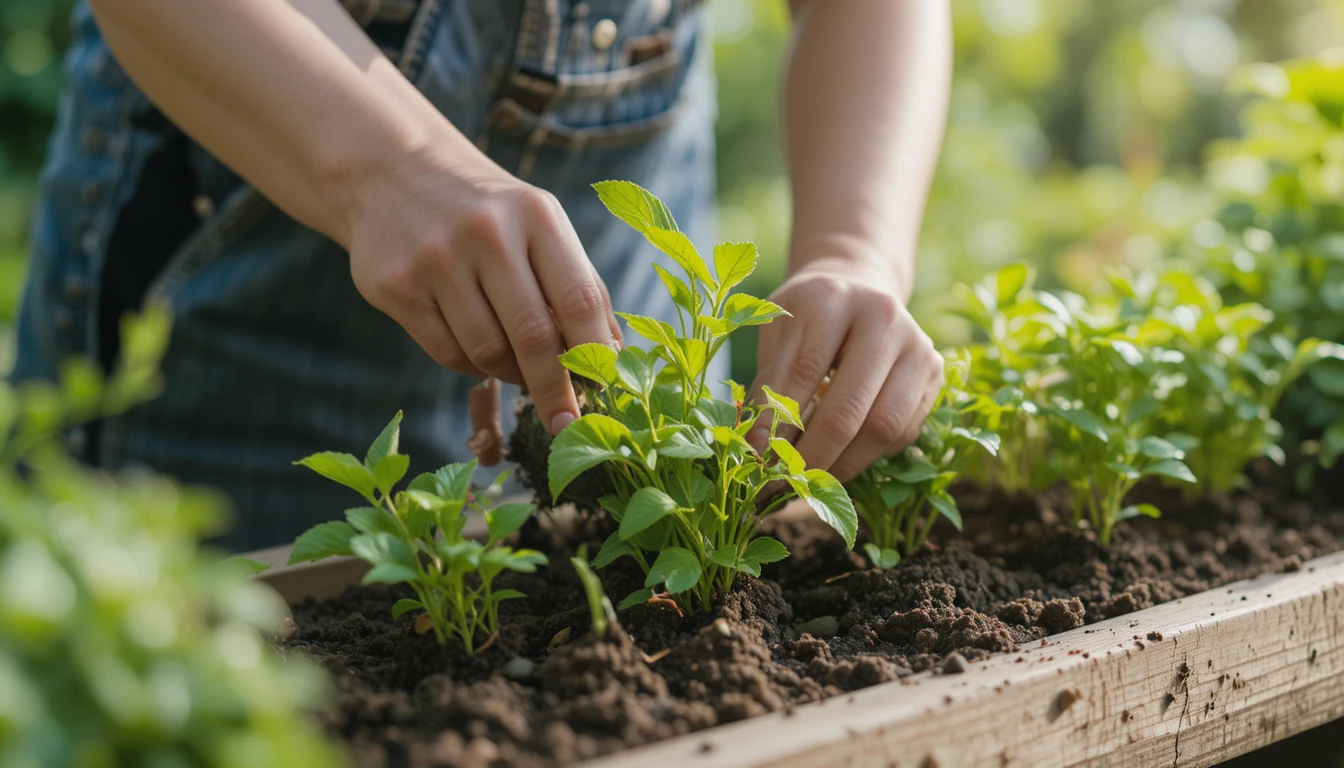
In our fast-paced, digitally saturated world, finding true peace can feel like a search for a mythical oasis. We often seek solutions in apps, therapies, and routines, yet one of the most profound and accessible forms of healing might be waiting right outside your back door—in the garden.
Gardening is more than a hobby or a means to grow food. It is a form of active therapy, a partnership with nature that offers deep, science-backed rewards for our mental and emotional well-being. It’s not just about the end result of a blooming flower or a ripe tomato; it’s about the transformative process itself.
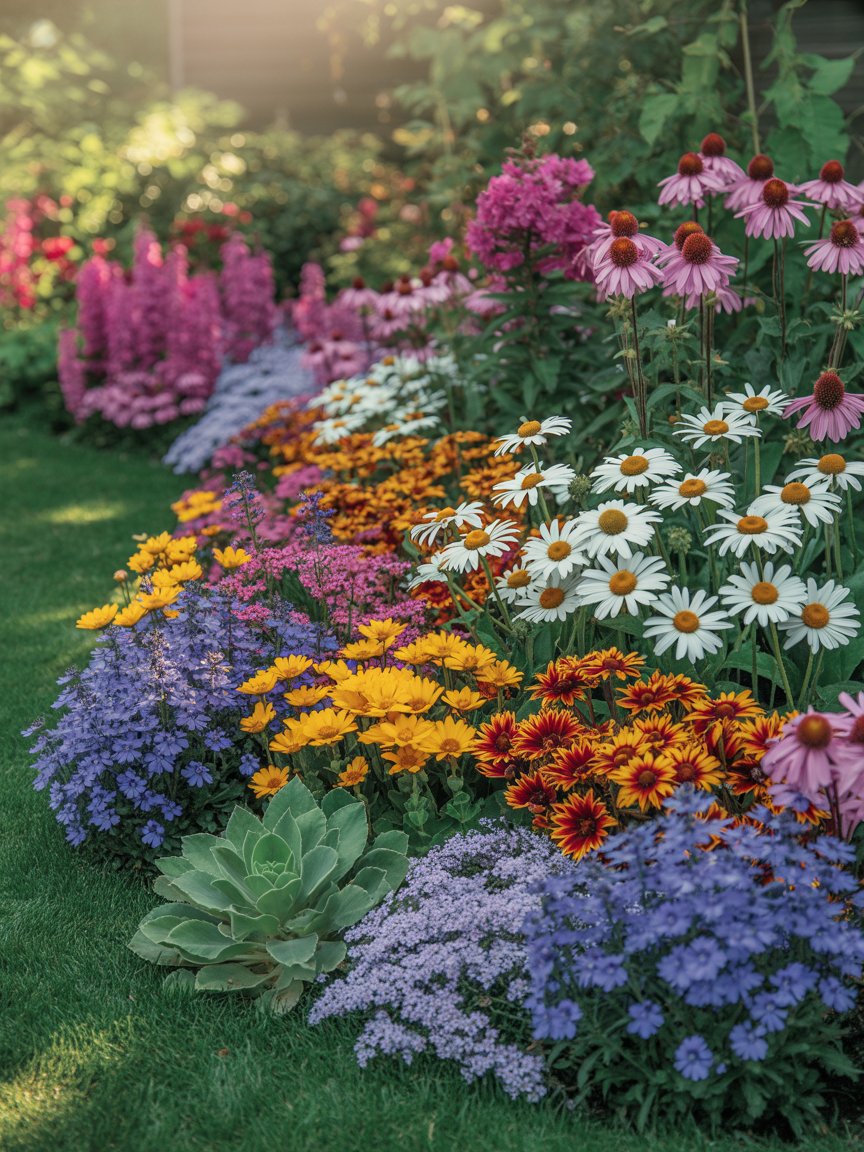
Let’s explore how the simple acts of planting, tending, and growing can cultivate a healthier, happier mind.
The Science in the Soil: Why Gardening Makes Us Feel Better
The mental health benefits of gardening aren’t just poetic notions; they are rooted in biology and psychology.
- The “Grounding” Effect (Earthing): Physical contact with the soil, specifically a harmless bacterium called Mycobacterium vaccae, has been shown to stimulate the release of serotonin in the brain. Serotonin is a key neurotransmitter that boosts mood and reduces anxiety. Literally, getting your hands dirty can make you happier.
- Stress Reduction & Cortisol: Multiple studies have shown that gardening lowers levels of cortisol, the body’s primary stress hormone. The rhythmic, repetitive nature of tasks like weeding, pruning, or raking induces a state of mindful flow, quieting the “fight or flight” response.
- Exercise in Disguise: Gardening is moderate physical exercise. Digging, planting, bending, and carrying engage various muscle groups and promote the release of endorphins—nature’s painkillers and mood elevators.
- Sensory Engagement: A garden is a feast for the senses. The smell of damp earth and rosemary, the texture of lamb’s ear, the vibrant colors of blossoms, the sound of bees buzzing, and the taste of a sun-warmed strawberry. This full sensory immersion can interrupt cycles of rumination and anchor you firmly in the present moment.
5 Mental Health Benefits of Your Garden
1. It Fights Anxiety and Depression
The combination of physical activity, exposure to sunlight (which helps regulate sleep cycles and vitamin D production), and a tangible sense of purpose creates a powerful antidote to low mood and anxious thoughts. Nurturing a living thing provides a reason to get out of bed, offering small, achievable tasks that build a sense of accomplishment.
2. It Cultivates Mindfulness
Gardening demands present-moment awareness. You notice the subtle change in a leaf, feel the soil’s moisture, and observe the progress of a bud. This practice of focused attention on a simple task is the essence of mindfulness meditation, training your brain to let go of past regrets and future worries.
3. It Builds Resilience and Acceptance
A garden is a gentle but honest teacher. Not every seed sprouts. A storm may flatten your sunflowers. Pests will visit. Gardening teaches you to accept setbacks as part of a larger cycle, to problem-solve, and to try again next season. This fosters a resilient mindset that translates to other areas of life.
4. It Creates a Sense of Agency and Purpose
In a world where we often feel powerless, a garden is a realm where your care directly influences the outcome. The act of tending and witnessing growth reinforces a powerful narrative: “My actions matter. I can create positive change.” This sense of agency is a core component of mental well-being.
5. It Fosters Connection and Reduces Loneliness
Gardening connects you—to the natural world, to the lifecycle of plants, and often, to a community. Sharing seeds, exchanging tips with neighbors, or simply feeling part of something larger than yourself combats isolation. Community gardens, in particular, are powerful spaces for social healing.
How to Start a “Healing Garden” (No Green Thumb Required)
You don’t need acres of land. Mental health benefits can be reaped from the smallest of plots.
- Start with a Container: A single pot with a resilient herb like mint or basil, or a cheerful marigold, is a perfect beginning. Place it where you will see it daily.
- Focus on the Process, Not the Prize: Release the pressure of a “perfect” garden. Your goal is not a magazine cover, but the act of engagement. Celebrate the tiny green shoot, not just the full bloom.
- Engage All Your Senses:
- Touch: Plant fuzzy lamb’s ear or soft sage.
- Smell: Add lavender, rosemary, or jasmine.
- Sound: Incorporate plants that rustle in the breeze (like ornamental grasses) or attract hummingbirds and bees.
- Taste: Grow easy herbs or cherry tomatoes.
- Create a “Quiet Corner”: Dedicate a space, even if it’s just a chair beside a potted plant, as a tech-free zone for observation and quiet reflection with your garden.
- Practice Garden Meditation: Spend 10 minutes simply being in your garden. Observe without judging. Listen. Feel the air. Let the garden do the work of calming your nervous system.
Therapeutic Gardening Practices to Try
- Seed Starting: The act of planting a tiny seed and faithfully watering it, believing in its potential, is a profound metaphor for hope and new beginnings.
- Repetitive Tasks: Weeding, deadheading (removing spent blooms), or raking gravel can be incredibly meditative and calming for an overactive mind.
- Keeping a Garden Journal: Sketch plants, note observations, or write about your feelings in the garden. This combines creativity with reflective practice.
Conclusion: Your Personal Prescription for Growth
Gardening is a form of self-care that yields multiple harvests. While you nurture plants, you are simultaneously nurturing your own mental landscape—reducing stress, building patience, and finding joy in simple, tangible progress.
In a garden, you are both student and teacher, caretaker and recipient. It offers a sacred space where you can literally and metaphorically root yourself in the present, grow through what you go through, and bloom in your own time.
So, step outside. Breathe. Pick up a trowel. Your mind, and your garden, will thank you.
Has gardening helped you through a difficult time? What do you find most therapeutic about being in the garden? Share your story in the comments to inspire others on their healing journey.