
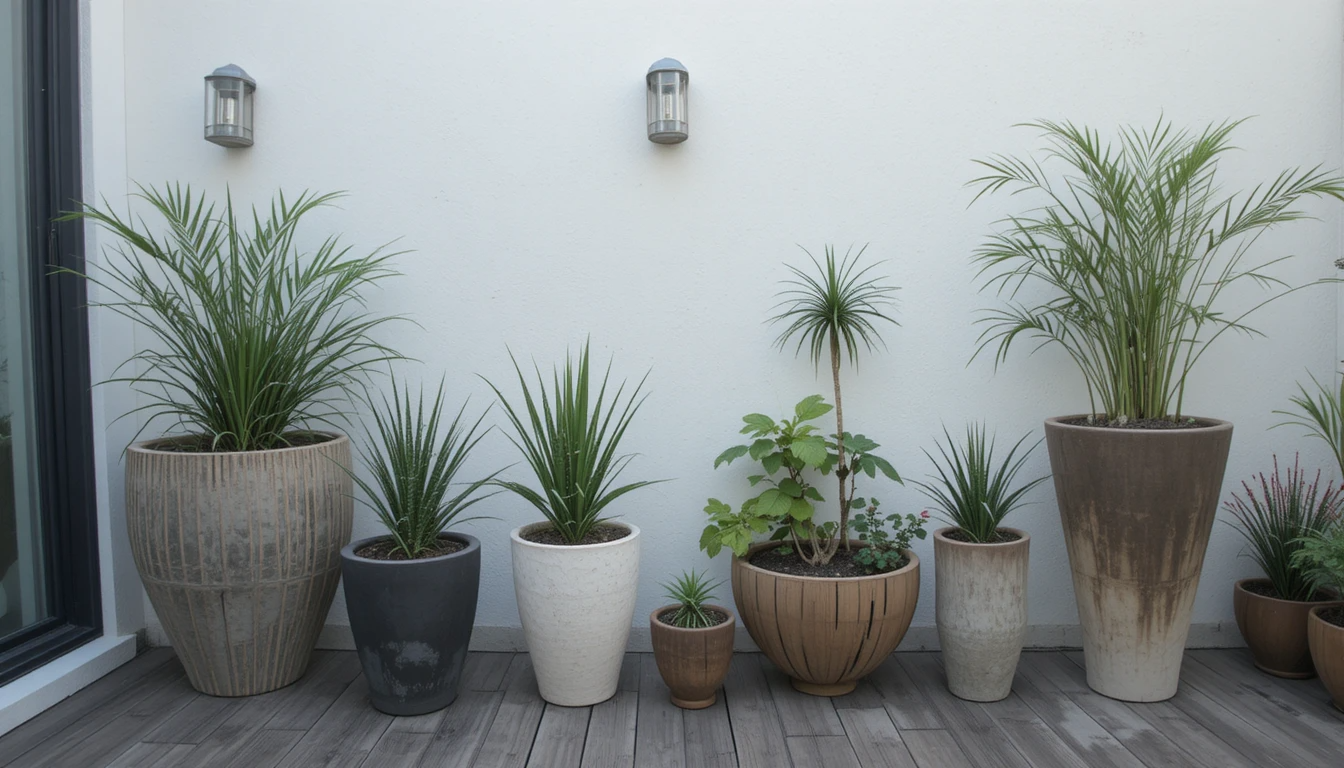
Amidst the noise of modern life—the constant notifications, the pressure to produce, the anxiety of uncertainty—there exists a quiet, green alternative. It waits in seed packets, in the smell of damp earth, in the patient unfurling of a leaf. This isn’t just gardening; this is horticultural therapy, a practice as old as civilization and as urgently needed as modern medicine. Your garden, balcony, or windowsill isn’t just growing plants—it’s growing peace, perspective, and healing.
Welcome to the green escape. This guide explores how tending plants becomes tending the soul, how soil under fingernails cleanses mental clutter, and how the simple act of nurturing growth can nurture you back to wholeness.
Chapter 1: The Science of Soil & Serotonin
1.1 Mycobacterium vaccae: Nature’s Antidepressant
The Happy Dirt Phenomenon:
The Discovery:
- Soil bacterium Mycobacterium vaccae stimulates serotonin production
- Serotonin regulates mood, anxiety, happiness
- Lack of serotonin linked to depression, anxiety disorders
- This bacterium acts similarly to SSRIs (antidepressants) but without side effects
How It Works:
- You garden, get soil on hands, inhale particles
- M. vaccae enters system
- Stimulates immune cells to release cytokines
- Cytokines stimulate nerves to produce serotonin
- Mood elevates, anxiety decreases
Practical Application:
- Garden with bare hands sometimes
- Don’t overly sanitize—a little dirt is medicinal
- Smell the soil after rain (geosmin + microbes)
- Container gardeners: Add compost, don’t use sterile mixes only
1.2 The Grounding Effect (Earthing)
Electrical Reconnection:
The Science:
- Human body accumulates positive electrons (free radicals) from stress, electronics
- Earth has negative charge
- Direct contact allows electron transfer
- Reduces inflammation, improves sleep, decreases pain
Gardening as Earthing:
- Bare feet on soil while gardening
- Hands directly in earth
- Even potted plants connect you to ground charge through soil
- Urban adaptation: Place container on ground, touch soil while seated
1.3 Biophilia: Our Innate Need for Green
E.O. Wilson’s Hypothesis:
The Premise:
- Humans evolved surrounded by nature
- Our brains are wired to respond positively to living systems
- Urban environments create “biophilic deficit”
- Symptoms: Anxiety, depression, attention fatigue, chronic stress
Gardening as Biophilic Prescription:
- Even small green spaces satisfy this need
- Watching growth engages our evolutionary attention patterns
- Caring for living things fulfills nurturing instincts
- Minimum dose: Just 20 minutes daily shows measurable effects
Chapter 2: The Mindful Gardener
2.1 Gardening as Moving Meditation
The Practice of Presence:
Elements of Garden Meditation:
- Repetitive motions: Weeding, watering, pruning
- Sensory focus: Feel of soil, sound of water, smell of leaves
- Non-judgmental observation: Watching growth without criticism
- Breath synchronization: Matching breath to garden rhythms
Specific Meditations:
- Watering meditation: Full attention on water’s journey
- Weeding meditation: Each weed = a worry released
- Pruning meditation: Cutting away what no longer serves
- Seed planting meditation: Planting intentions with seeds
2.2 The Garden as Mindfulness Bell
Using Cues for Presence:
Daily Rituals:
- Morning inspection: Start day with quiet observation
- Evening watering: Close day with gentle care
- Weekly deep attention: One plant, 10 minutes of total focus
- Seasonal ceremonies: Honoring transitions
When Anxiety Arises:
- Go to plants, not phone
- Touch leaves, feel textures
- Breathe with their slow rhythm
- Remember: They’re not worried about tomorrow
2.3 Horticultural Flow State
Losing Yourself in Green:
Characteristics of Garden Flow:
- Time distortion (hours feel like minutes)
- Complete absorption in task
- Loss of self-consciousness
- Intrinsic reward (doing for doing’s sake)
Tasks That Induce Flow:
- Seed sowing with full attention
- Creating arrangements/designs
- Propagation work (delicate, focused)
- Harvesting with care
Chapter 3: Emotional Ecosystems
3.1 Gardening Through Grief
When Words Fail, Plants Speak:
The Grief Garden:
- Plant memorials: A tree for loss, flowers for memories
- Rituals: Watering as tears, pruning as release
- Cycles: Death and rebirth made visible
- Legacy plants: Propagate from plants loved one cared for
Specific Practices:
- Labyrinth garden: Walking meditation path
- Memory corner: Plants with personal significance
- Journaling growth: Parallels between plant recovery and yours
- Tending as tribute: Care continuing love
3.2 Anxiety & the Container Garden
Small Spaces for Overwhelmed Minds:
Why Containers Help Anxiety:
- Controllable scale: Not overwhelmed
- Clear boundaries: Defined responsibility
- Immediate feedback: Plants respond quickly to care
- Portable sanctuary: Can create anywhere
Anxiety-Soothing Plants:
- Lavender: Proven calming scent
- Chamomile: Tea for nerves, gentle plant
- Mint: Invigorating yet grounding
- Snake plant: Thrives on neglect (reduces caregiver anxiety)
The 5-Minute Reset:
- Check soil moisture with full attention
- Mist leaves while deep breathing
- Remove one yellow leaf mindfully
- Adjust one plant toward light
- Give thanks
3.3 Depression & the Growth Witness
When Motivation Fails:
The “Minimum Viable Garden”:
- One resilient plant (ZZ, snake plant, pothos)
- One simple routine (weekly finger test)
- One small win to celebrate (new leaf!)
- No shame in scale
Depression-Friendly Strategies:
- Self-watering containers: For low-energy days
- Fast growers: For needed hope (beans, sunflowers)
- Bulbs: Plant in fall, receive surprise joy in spring
- Succulents: For when even watering feels overwhelming
The “Growth Witness” Practice:
- Document one small change daily (photo or word)
- Noticing is enough—no action required
- Builds evidence that change happens, even when you can’t feel it
Chapter 4: Trauma-Informed Gardening
4.1 Safety & Choice in the Garden
Principles of Trauma-Sensitive Horticulture:
Safety First:
- Physical safety: No surprises, clear pathways, gentle tools
- Emotional safety: No failure language, only learning
- Choice abundance: Many options, no pressure
- Predictability: Consistent routines if desired
Empowerment Through Gardening:
- Choose your own plants
- Decide when to water, prune, harvest
- Control this small ecosystem
- Experience competence and mastery
4.2 Somatic Gardening
Healing Through the Body:
Grounding Exercises:
- Barefoot gardening: Feeling connection
- Hands in soil: Tactile feedback
- Weight of watering can: Proprioceptive input
- Scent of herbs: Olfactory grounding
Regulation Rhythms:
- Rocking with plants in breeze: Co-regulation
- Breathing with daily growth cycles: Slowing down
- Heart rate variability: Matching plant’s slow pulse
4.3 Narrative Therapy Through Seasons
Reclaiming Your Story:
Seasonal Metaphors:
- Winter: Rest is necessary, not failure
- Spring: New growth emerges from darkness
- Summer: Abundance after patience
- Fall: Letting go creates space
Garden Journal as Healing Journal:
- Write to plants instead of for audience
- Document resilience (theirs and yours)
- Notice parallel growth
- Practice self-compassion through plant compassion
Chapter 5: Social Gardening
5.1 Community Without Pressure
The Gift of Parallel Play:
Benefits of Garden Groups:
- Social connection without eye contact pressure
- Shared focus diffuses social anxiety
- Activity provides conversation structure
- Acceptance of different skill levels
Low-Pressure Social Models:
- Silent gardening sessions: Together in quiet
- Seed swap: Interaction with clear purpose
- Work-trade: I water yours when away, you water mine
- Photo sharing: Connection without obligation
5.2 Intergenerational Healing
Gardening Across Ages:
Children & Elders Together:
- Shared wonder at growth
- Mutual teaching (tech help for seed orders, wisdom for planting)
- Legacy creation (trees that will outlive both)
- Memory gardens: For dementia patients—sensory stimulation, routine
Family Trauma Healing:
- Creating new, positive family rituals
- Non-verbal bonding
- Repair through nurturing together
- Garden as “safe zone” for difficult conversations
5.3 The Shy Gardener’s Social Strategy
For Introverts & Socially Anxious:
Your Rights in Garden Spaces:
- To participate silently
- To leave when overwhelmed
- To have your own plot/space
- To communicate in writing if preferred
Successful Models:
- Little Free Garden: Share produce without interaction
- Garden pen pals: Written exchange of seeds and tips
- Online communities: Connection on your terms
- Garden mentoring: One-on-one, not groups
Chapter 6: Therapeutic Garden Designs
6.1 The Sanctuary Garden
Designing for Peace:
Elements:
- Enclosure: Creates sense of safety (fences, tall plants)
- Water feature: Sound masks noise, promotes calm
- Seating nook: For observation, not just work
- Soft edges: Curving paths, rounded leaves
- Fragrance zones: Lavender, rosemary, mint
Sensory Considerations:
- Touch: Lamb’s ear, moss, smooth stones
- Sound: Grasses that rustle, water, wind chimes
- Sight: Gentle colors (greens, blues, purples)
- Taste: Edible flowers, herbs
- Smell: Seasonal succession of scents
6.2 The Empowerment Garden
For Regaining Control:
Design Features:
- Raised beds: Accessible, clear boundaries
- Modular containers: Can change, expand, reduce
- Success guaranteed plants: For rebuilding confidence
- Clear systems: Color-coded tools, labeled plants
- Progress markers: Height charts, photo points
For Survivors & Recovering:
- Choosing where everything goes
- Creating order from chaos
- Witnessing resilience daily
- Experiencing gentle touch
6.3 The Grief & Memory Garden
Honoring While Healing:
Sacred Space Elements:
- Memory tree/plant: Something that grows over years
- Seasonal markers: Bulbs that return annually
- Offerings space: For notes, mementos, flowers
- Private corner: For tears, talking aloud, silence
Living Memorial Ideas:
- Butterfly garden: Transformation symbolism
- Birth month flowers: Connection to dates
- Heirloom varieties: Link to past generations
- Sensory plants: Associated with loved one’s favorites
Chapter 7: Garden Rituals for Mental Health
7.1 Daily Rituals
Small Practices, Big Impact:
Morning Grounding:
- Step outside (or to window)
- Breathe deeply 3 times
- Notice one new thing in garden
- Set intention for day
Evening Release:
- Water plants while reviewing day
- Imagine worries flowing out with water
- Thank plants for their work (oxygen, beauty)
- Release day’s tensions into soil
7.2 Weekly Ceremonies
Deeper Connection Points:
Sunday Sanctuary Time:
- 30 minutes uninterrupted
- Tending with full attention
- No multitasking, no music
- Just you and plants
New Moon Planting:
- Plant seeds of intention
- Write wish, bury with seed
- Trust unseen growth
Full Moon Gratitude:
- Harvest by moonlight (or moonlight viewing)
- Give thanks for abundance
- Share with others if possible
7.3 Seasonal Celebrations
Marking Time Naturally:
Spring Equinox:
- Plant seeds of hope
- Clean slate ritual
- Welcome back light
Summer Solstice:
- Harvest celebration
- Share abundance
- Honor peak growth
Fall Equinox:
- Letting go ritual
- Plant bulbs for spring
- Thanksgiving harvest
Winter Solstice:
- Evergreen gathering
- Seed catalog dreaming
- Trust in return of light
Chapter 8: Overcoming Barriers
8.1 The “I Kill Everything” Myth
Reframing Failure:
New Language:
- Instead of “I killed it” → “It completed its cycle”
- Instead of “failure” → “information”
- Instead of “brown thumb” → “learning style”
Beginner-Friendly Starts:
- Pothos in water: Can’t overwater
- Air plants: Minimal care needed
- Succulent cuttings: Free, low stakes
- Seed growing: Witnessing from beginning
8.2 Space & Mobility Adaptations
Gardening with Limitations:
Small Space Solutions:
- Vertical gardens: Wall planters, hanging baskets
- Windowsill herbs: Cooking and calming
- Terrariums: Complete ecosystems in jars
- Bonsai: Whole world in miniature
Mobility-Friendly Designs:
- Tabletop gardens: Raised to comfortable height
- Lightweight containers: Fabric pots, plastic
- Long-handled tools: Reachers, extended water wands
- Seated gardening: Rolling stool, knee pad
Chronic Illness/Pain Strategies:
- 5-minute gardening: Small daily doses
- Self-watering systems: For flare days
- Container clusters: Minimize movement
- Gentle plants: That forgive missed care
8.3 Financial Accessibility
Therapy That Doesn’t Cost:
Free/Cheap Resources:
- Seed saving: From grocery produce (tomatoes, peppers)
- Plant swaps: Community exchanges
- Propagation: Cuttings from friends, parks (ethically)
- Upcycled containers: Food packaging, found objects
Prioritizing Mental Health Value:
- Compare cost to therapy sessions
- Calculate cost per day of joy
- Consider preventive mental health care
- Remember: Many plants outlive their initial cost
Chapter 9: The Therapist’s Garden Toolkit
9.1 For Mental Health Professionals
Incorporating Gardening into Practice:
Assessment Tool:
- “What plant would you be right now?”
- “What does your imaginary garden look like?”
- “What season are you experiencing internally?”
Therapeutic Interventions:
- Garden metaphors: Pruning negative thoughts, watering self-care
- Homework: Care for one plant between sessions
- Office plants: Co-therapists, conversation starters
- Nature prescriptions: Specific gardening activities
9.2 For Support Groups
Gardening as Group Therapy:
Structure Benefits:
- Shared focus reduces social anxiety
- Activity provides natural conversation flow
- Non-verbal participants can still engage
- Growth parallels group progress
Group Garden Models:
- Round-robin care: Shared responsibility
- Theme gardens: Hope garden, resilience garden
- Progress markers: Group planting days
- Harvest celebrations: Shared meals from garden
9.3 Self-Therapy Guide
Your Own Horticultural Healing:
Creating Your Treatment Plan:
- Assessment: What are you growing through?
- Prescription: Which gardening activities help?
- Dosage: How often? How long?
- Progress notes: Garden journal observations
- Adjustments: Change plants/activities as needed
Sample “Prescriptions”:
- For anxiety: Repetitive weeding, lavender planting
- For depression: Sunflowers (fast growth), daily checking
- For grief: Memory garden, cyclical planting
- For trauma: Container control, resilient succulents
Chapter 10: The Research & Evidence
10.1 Studies Supporting Garden Therapy
What Science Shows:
Mental Health Benefits:
- 20% reduction in depression scores (UK study)
- 30% decrease in cortisol (stress hormone) after gardening
- Improved attention and reduced ADHD symptoms in children
- Decreased anxiety in dementia patients
Physical Health Connections:
- Increased vitamin D from sunlight exposure
- Moderate exercise without feeling like exercise
- Improved microbiome from soil exposure
- Better sleep from physical activity and sunlight regulation
10.2 Why Gardening Works Where Other Things Fail
Unique Therapeutic Elements:
1. Tangible Progress:
- Unlike abstract therapy goals, leaves unfurl visibly
- Provides evidence of care making difference
- Builds self-efficacy
2. Non-Judgmental Relationship:
- Plants don’t criticize, don’t expect, don’t disappoint
- Unconditional positive regard
- Safe attachment practice
3. Cyclical Hope:
- After winter comes spring—visible promise
- Failures become compost for future growth
- Teaches patience and trust in process
4. Mindfulness Built-In:
- Requires present-moment attention
- Sensory engagement grounds in now
- Natural pace slows racing thoughts
Conclusion: Your Green Prescription
Gardening isn’t an escape from life. It’s a return to the life you’re meant to live—one connected to cycles, to growth, to decay and rebirth, to quiet observation, to nurturing and being nurtured. In a world that values speed, gardening teaches slowness. In a culture of consumption, gardening creates. In an era of disconnection, gardening roots.
Your prescription is waiting: It’s in the packet of seeds on your shelf, the empty pot on your balcony, the sunny spot on your windowsill. You don’t need a degree, expensive tools, or a green thumb. You just need willingness to get dirt under your nails and patience to watch something grow at its own pace.
Start where you are:
- If overwhelmed: One resilient plant
- If grieving: Something that returns each year
- If anxious: Herbs to touch and smell
- If depressed: Something that grows visibly quickly
- If healing: Whatever calls to you
The garden doesn’t care about your past, your diagnosis, your brokenness. It only asks for your presence, your attention, your care. And in return, it offers the deepest medicine: the reminder that growth is always possible, that after every winter comes spring, and that you—like the seed in darkness—contain unimaginable life waiting to unfold.
Take your medicine today. Plant something. Tend something. Watch something grow. Let the garden heal you as you heal it.
Share your healing garden journey with #GreenTherapy. Your story might be the seed of hope someone else needs to begin their own.