
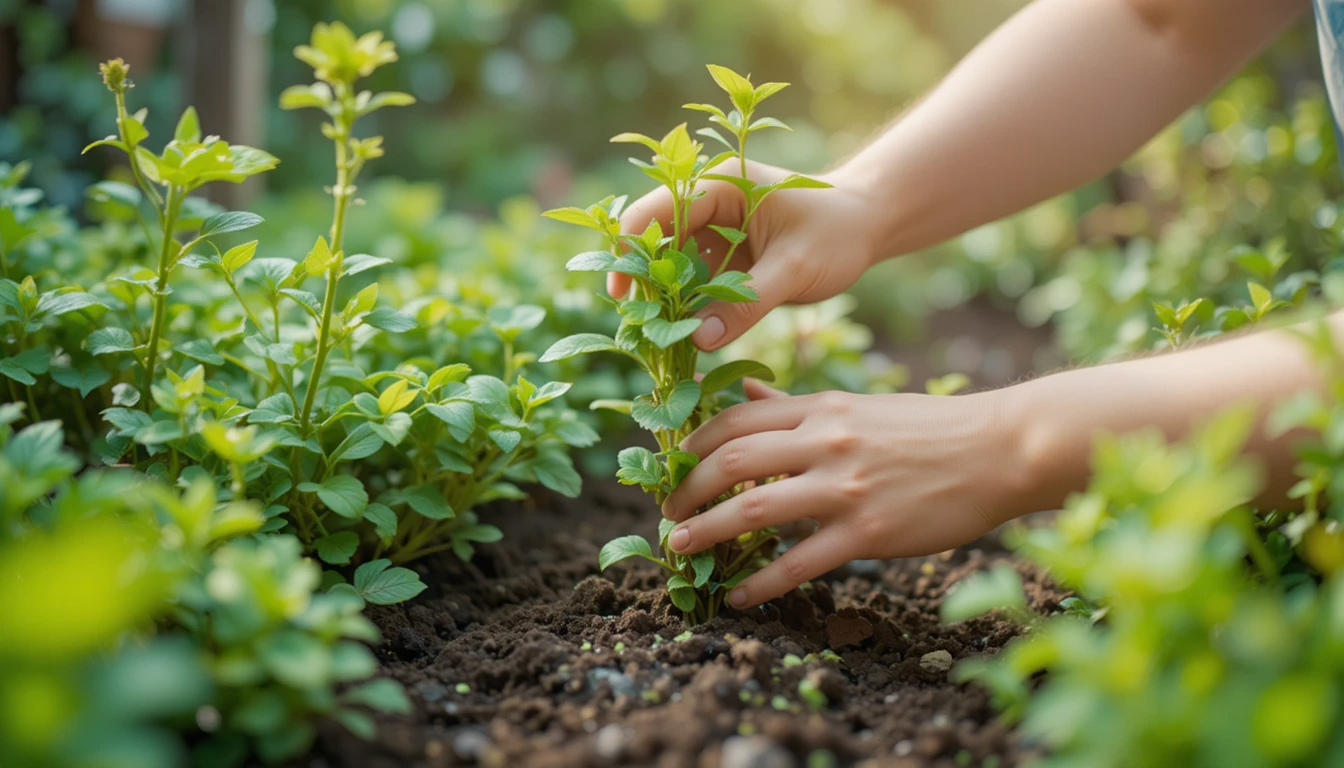
In every leaf, root, and flower you grow lies hidden potential—not just for sustenance, but for healing, beauty, ritual, and connection to ancient wisdom. This guide isn’t just about growing plants; it’s about unlocking their full potential through your own hands. Welcome to the art of green alchemy, where your garden becomes pantry, pharmacy, and portal to deeper relationship with the plant world.
Chapter 1: The Edible Pharmacy
1.1 Medicinal Stars You Can Grow Easily
From Garden to Medicine Cabinet:
Calendula (Pot Marigold):
- Growing: Easy from seed, self-sows, full sun
- Medicinal: Anti-inflammatory, wound healing, lymphatic support
- Preparations:
- Infused oil: Flowers in olive oil (sun infusion, 4-6 weeks)
- Salve: Oil + beeswax for cuts, rashes, dry skin
- Tea: Petals for internal inflammation
Lemon Balm:
- Growing: Vigorous, partial shade, contain or it takes over
- Medicinal: Antiviral (especially herpes family), calming, digestive
- Preparations:
- Fresh tincture: Chop leaves, cover with vodka (1:2 ratio)
- Tea: For anxiety, insomnia (steep covered to preserve oils)
- Lip balm: With honey for cold sores
Mullein:
- Growing: Biennial, impressive tall spike, poor soil tolerant
- Medicinal: Respiratory champion, ear infections, lymphatic
- Preparations:
- Infused oil: Flowers for ear infections (must be perfectly dry!)
- Tea: Leaves for cough, bronchitis (strain through cloth—hairy!)
- Smoking blend: Dried leaves for respiratory issues (ironic but effective)
Echinacea:
- Growing: Perennial, drought-tolerant, beautiful flowers
- Medicinal: Immune stimulant, anti-inflammatory
- Preparations:
- Root tincture: Harvest 3+ year roots in fall, fresh tincture
- Flower tea: At first sign of cold
- Glycerite: For children’s immune support
1.2 The First Aid Garden
What to Grow for Emergencies:
For Cuts & Scrapes:
- Plantain: The “band-aid plant”—grows everywhere
- Use: Crush leaf, apply directly to wound (draws out debris)
- Yarrow: Stops bleeding, “soldier’s woundwort”
- Use: Fresh leaf poultice or strong tea wash
For Burns:
- Aloe Vera: Keep on windowsill
- Use: Split leaf, apply gel directly
- Lavender essential oil: Grow, distill or buy, dilute for burns
For Upset Stomach:
- Peppermint: Easy to grow, contain runners
- Use: Tea for nausea, cramps
- Ginger: Grow in container, harvest “hands”
- Use: Fresh tea for nausea, motion sickness
1.3 The Sleep & Stress Garden
Growing Your Own Relaxation:
Chamomile (German):
- Growing: Annual, delicate, self-sows
- Use: Tea 30 minutes before bed
- Harvest: Flowers when petals curl back
Passionflower:
- Growing: Gorgeous vine, needs support
- Use: Tea for anxiety, insomnia (leaves + flowers)
- Caution: Can enhance sedatives
Valerian:
- Growing: Tall perennial, cats love it (like catnip)
- Use: Tincture for sleep (smells terrible—capsule recommended)
- Harvest: Roots in fall of second year
Chapter 2: Kitchen Witchery
2.1 Magical Properties of Common Herbs
Intention Gardening:
Basil:
- Properties: Protection, love, wealth
- Rituals: Plant by doors for protection, add to money spells
- Kitchen magic: Cook with intention, bless home
Rosemary:
- Properties: Remembrance, protection, purification
- Rituals: Burn for cleansing, place under pillow for memory
- Kitchen magic: Cook for mental clarity
Sage:
- Properties: Wisdom, purification, longevity
- Rituals: Smudging (ethical harvesting—use garden sage!)
- Kitchen magic: Cook for wisdom in decision-making
Thyme:
- Properties: Courage, healing, psychic powers
- Rituals: Carry for courage, bath for healing
- Kitchen magic: Cook before challenging conversations
2.2 Moon Gardening for Magic
Aligning with Lunar Cycles:
New Moon:
- Plant: Seeds of intention, leafy crops
- Magic: New beginnings, setting intentions
- Harvest: Not ideal for preserving
Waxing Moon:
- Plant: Above-ground crops
- Magic: Growth, attraction, increase
- Harvest: For immediate use
Full Moon:
- Plant: Perennials, root divisions
- Magic: Power, manifestation, divination
- Harvest: For drying, maximum potency
Waning Moon:
- Plant: Root crops, bulbs
- Magic: Release, banishment, decrease
- Harvest: For storage, making medicines
2.3 Creating Sacred Space
Your Garden as Temple:
The Four Quarters:
- East (Air): Yellow flowers, aromatic herbs (lavender, mint)
- South (Fire): Red flowers, spicy plants (chili, rosemary)
- West (Water): Blue flowers, juicy plants (cucumber, aloe)
- North (Earth): Green plants, roots (comfrey, potatoes)
Altar Plants:
- Rose: Heart center, love
- Lavender: Crown chakra, spirituality
- Mint: Throat chakra, communication
- Basil: Root chakra, grounding
Chapter 3: The Fermentation Station
3.1 Wild Fermentation from Your Garden
Capturing Local Microbes:
Basic Sauerkraut:
- Ingredients: Cabbage + salt (2% by weight)
- Process: Massage, pack jar, weight down, wait 2+ weeks
- Garden additions: Caraway seeds, dill, juniper berries
- Magic: Preservation, gut health, connection to place
Wild Fermented Hot Sauce:
- Ingredients: Peppers, garlic, 2% brine
- Process: Submerge in brine, ferment 1-4 weeks, blend
- Garden additions: Fruit (peach, mango), herbs
- Magic: Fire energy, protection, vitality
Kombucha from Garden Herbs:
- Base: Sweet tea + SCOBY
- Second fermentation: Add garden herbs/fruit
- Flavor combinations:
- Mint + lemon balm
- Ginger + turmeric
- Hibiscus + rose hips
- Magic: Living elixir, transformation
3.2 Medicinal Ferments
Healing Through Cultured Foods:
Fire Cider:
- Ingredients: Onion, garlic, ginger, horseradish, chili + vinegar
- Process: Steep 4-6 weeks, strain, add honey
- Use: Immune tonic at first sign of cold
- Garden magic: Protection against illness
Elderberry Oxymel:
- Ingredients: Elderberries, honey, vinegar
- Process: Layer in jar, steep 4+ weeks
- Use: Immune support, tasty syrup
- Magic: Folk protection, wise elder energy
Digestive Bitters:
- Bitter herbs: Dandelion root, burdock, gentian
- Aromatic herbs: Orange peel, cinnamon, cardamom
- Process: Steep in alcohol 4-6 weeks
- Use: Before meals for digestion
- Magic: Transformation, processing “bitterness”
Chapter 4: The Distiller’s Garden
4.1 Hydrosols & Floral Waters
Gentle Plant Essences:
Rose Water:
- Best roses: Highly fragrant varieties (Damask, cabbage roses)
- Simple method: Roses + water in pot with inverted lid, ice on top
- Uses: Skin toner, culinary flavor, ritual purification
- Magic: Love, beauty, heart-opening
Lavender Water:
- Harvest: Just as flowers open
- Method: Same as rose water
- Uses: Calming spray, linen freshener, headache compress
- Magic: Peace, sleep, purification
Mint Hydrosol:
- Any mint variety: Peppermint, spearmint, chocolate mint
- Method: Steam distillation (simplified)
- Uses: Cooling spray, digestive aid, energy boost
- Magic: Clarity, communication, money
4.2 Essential Oil Alternatives
When You Can’t Distill:
Enfleurage (Fat Extraction):
- For delicate flowers: Jasmine, tuberose, honeysuckle
- Method: Flowers in fat (coconut oil), change daily, eventually wash out with alcohol
- Result: Solid perfume, potent infusion
- Magic: Capturing fleeting beauty
Solar Infusions:
- Best for: Roots, barks, less volatile plants
- Method: Plant material in oil, sun for 4-6 weeks
- Examples:
- Calendula oil (healing)
- St. John’s Wort oil (nerve pain)
- Arnica oil (bruises)
- Magic: Sun energy captured
Chapter 5: The Dyer’s Garden
5.1 Growing Color
Plants for Natural Dyes:
Yellow Spectrum:
- Marigold: Bright yellow (flowers)
- Coreopsis: Orange-yellow (flowers)
- Onion skins: Gold to orange (store-bought works!)
- Mordant: Alum for bright colors
Blue/Purple:
- Indigo: True blue (needs fermentation vat)
- Woad: Blue-green (easier than indigo)
- Black hollyhock: Purple (flowers)
- Mordant: Iron for darker shades
Red/Pink:
- Madder: True red (roots, 3+ years old)
- Brazilwood: Pink-red (wood chips)
- Avocado pits: Surprising pink!
- Mordant: Alum
Green:
- Nettle: Green-yellow (leaves)
- Spinach: Pale green (leaves)
- Artichoke: Yellow-green (leaves)
- Combo: Overdye yellow with blue
5.2 The Dye Garden Layout
Practical Planning:
Annual Dye Plants:
- Coreopsis: Easy from seed, blooms first year
- Marigold: Long blooming, pest deterrent
- Safflower: Yellow/orange/red from same plant
- Weld: Brilliant yellow, tall
Perennial Dye Plants:
- Japanese indigo: Annual in cold, perennial in warm
- Madder: Needs years but worth it
- Woad: Biennial, self-sows
- Dyer’s chamomile: Yellow, perennial
Weeds & Wildcrafted:
- Goldenrod: Everywhere in fall
- Queen Anne’s lace: Cream color
- Walnut hulls: Brown (wear gloves!)
- Oak galls: Black with iron
5.3 Ritual Dyeing
Color Magic:
Intention Setting:
- Stir dye pot clockwise to attract
- Counterclockwise to release
- Chant or meditate while stirring
- Add corresponding herbs to dye bath
Sabbat Colors:
- Imbolc (Feb): White, yellow for purity, new beginnings
- Beltane (May): Green, pink for fertility, love
- Lughnasadh (Aug): Gold, orange for harvest, abundance
- Samhain (Oct): Black, purple for ancestors, mystery
Chapter 6: The Papermaker’s Plot
6.1 Growing Paper
Plants for Handmade Paper:
Best Paper Plants:
- Cotton: Actually a shrub! Can grow in warm climates
- Linen (Flax): Beautiful blue flowers, strong fibers
- Hemp: Fast-growing, excellent paper
- Mullein: Soft, fuzzy leaves for delicate paper
Alternative Fibers:
- Corn husks: Abundant, creates textured paper
- Onion skins: Adds color and texture
- Pineapple leaves: Tropical option, strong fibers
- Iris leaves: Long fibers, beautiful paper
6.2 Seed Paper Magic
Plantable Paper:
Basic Recipe:
- Blend recycled paper + water into pulp
- Add seeds (small: poppy, lettuce; medium: calendula)
- Form sheets, press dry
- Plant whole sheet
Ritual Uses:
- Wish paper: Write intention, plant with seeds
- Blessing cards: Give plantable blessings
- Seasonal rituals: Make, write, plant for sabbats
- Memorial paper: With flowers from service
6.3 Paper as Time Capsule
Embedding Garden Memories:
What to Include:
- Petals from significant blooms
- Leaves from memorial plants
- Herbs from ritual gardens
- Soil from special places
Creating Garden Journals:
- Make paper from your garden
- Press flowers between pages
- Write with inks you’ve made
- Bind with plant-dyed thread
Chapter 7: The Perfumer’s Palette
7.1 Scent Gardening
Designing for Fragrance:
Day vs. Night Scents:
- Day-blooming fragrant: Rose, lavender, lilac, honeysuckle
- Night-blooming fragrant: Jasmine, moonflower, night phlox, angel’s trumpet
- Fragrant foliage: Mint, lemon balm, scented geraniums, curry plant
Scent Layers:
- Ground level: Thyme, chamomile (release scent when walked on)
- Mid-level: Lavender, rosemary
- Vertical: Honeysuckle, jasmine on trellises
- Trees: Linden, some magnolias
7.2 Creating Personal Perfume
Your Signature Scent:
Note System:
- Top notes: First impression (citrus, mint, lemon balm)
- Heart notes: Core scent (rose, lavender, geranium)
- Base notes: Long-lasting (vetiver, patchouli, cedar)
Alcohol-Based Perfume:
- Base: High-proof alcohol (vodka, everclear)
- Method: Macerate botanicals 4-6 weeks, strain
- Aging: Improves with time (like wine)
Oil-Based Perfume:
- Base: Jojoba or fractionated coconut oil
- Method: Solar infusion or gentle heat
- Skin-safe: No alcohol sting, shorter shelf life
7.3 Ritual Scents
Creating for Ceremony:
Cleansing Sprays:
- Base: Hydrosol or water + alcohol
- Herbs: Sage, rosemary, lavender
- Essential oils: Pine, cedar, frankincense
- Use: Space clearing, aura cleansing
Anointing Oils:
- Base: Olive or almond oil
- Herbs: Corresponding to intention
- Blessing: Charge under moon/sun
- Use: On candles, tools, wrists
Incense Blends:
- Dried herbs: Mugwort, sage, cedar
- Gums/resins: Pine resin, copal (if available)
- Binding: Makko powder or honey
- Form: Loose or cones
Chapter 8: The Brewmaster’s Bounty
8.1 Growing for Fermentation
Beyond Grapes:
Mead Ingredients:
- Honey: Keep bees or source local
- Herbs: Lemon balm, chamomile, lavender
- Fruit: Berries, peaches, apples from garden
- Spices: Ginger, cardamom from containers
Country Wines:
- Dandelion: Classic spring tonic wine
- Elderflower: Delicate, floral
- Rose hip: Vitamin C rich, tart
- Blackberry: Easy, delicious
8.2 Herbal Beers
Homebrew with Garden Botanicals:
Historical Gruits:
- Before hops: Herbal beer mixtures
- Bittering herbs: Yarrow, mugwort, sweet gale
- Aromatic herbs: Heather, lavender, rosemary
- Modern adaptation: Add to last 5 minutes of boil
Hops:
- Growing: Fast-growing vine, needs support
- Varieties: Each has different flavor profile
- Harvest: Late summer, dry for storage
- Magic: Sleep, relaxation (in pillow too!)
8.3 Non-Alcoholic Brews
Herbal “Beers” for All:
Kvass Variations:
- Beet kvass: Blood-building, earthy
- Herbal kvass: With mint, lemon balm
- Fruit kvass: Berry season abundance
Shrubs (Drinking Vinegars):
- Basic: Fruit + sugar + vinegar
- Garden combinations:
- Strawberry + basil
- Peach + rosemary
- Cucumber + mint
- Serve: With sparkling water
Chapter 9: The Cosmic Garden
9.1 Planetary Gardens
Aligning with Celestial Energies:
Sun Plants:
- Attributes: Vitality, success, leadership
- Plants: Sunflower, marigold, St. John’s Wort, citrus
- Garden: Sunny spot, gold/yellow/orange theme
Moon Plants:
- Attributes: Intuition, dreams, fertility
- Plants: Moonflower, jasmine, lettuce, cucumber
- Garden: White/silver theme, night-blooming
Mercury Plants:
- Attributes: Communication, travel, intellect
- Plants: Lavender, lemongrass, fennel, parsley
- Garden: Near entry, communication herbs
Venus Plants:
- Attributes: Love, beauty, art, harmony
- Plants: Rose, apple, daisy, mint
- Garden: Heart-shaped bed, pinks/reds/greens
Mars Plants:
- Attributes: Courage, protection, passion
- Plants: Garlic, chili, basil, tobacco
- Garden: Red theme, protective border
Jupiter Plants:
- Attributes: Abundance, luck, expansion
- Plants: Oak, maple, dandelion, honeysuckle
- Garden: Large plants, purple/blue theme
Saturn Plants:
- Attributes: Wisdom, structure, boundaries
- Plants: Comfrey, mullein, nightshades, cypress
- Garden: Geometric design, dark colors
9.2 Zodiac Gardens
Planting by Birth Signs:
Fire Signs (Aries, Leo, Sagittarius):
- Energetic plants: Chili, rosemary, sunflower
- Garden style: Bold, dramatic, red/orange/yellow
Earth Signs (Taurus, Virgo, Capricorn):
- Practical plants: Root vegetables, herbs, reliable perennials
- Garden style: Organized, productive, beautiful
Air Signs (Gemini, Libra, Aquarius):
- Communicative plants: Lavender, mint, flowering plants
- Garden style: Whimsical, social spaces, fragrant
Water Signs (Cancer, Scorpio, Pisces):
- Emotional plants: Moonflower, jasmine, water plants
- Garden style: Secret gardens, water features, night-blooming
9.3 Elemental Gardens
Balancing Energies:
Air Garden:
- Plants: Grasses, tall swaying plants, fragrant herbs
- Features: Wind chimes, mobiles, open space
- Purpose: Mental clarity, communication
Fire Garden:
- Plants: Red flowers, hot peppers, sun-loving plants
- Features: Fire pit, solar lights, south-facing
- Purpose: Passion, energy, transformation
Water Garden:
- Plants: Water lilies, lotus, moisture-loving plants
- Features: Pond, fountain, bird bath
- Purpose: Emotion, intuition, healing
Earth Garden:
- Plants: Root vegetables, mushrooms, ground covers
- Features: Stones, clay pots, raised beds
- Purpose: Grounding, stability, nourishment
Chapter 10: The Green Alchemist’s Laboratory
10.1 Setting Up Your Workspace
From Kitchen to Lab:
Essential Equipment:
- Scale: For precise measurements (grams)
- Double boiler: For gentle heating
- Canning jars: Various sizes
- Cheesecloth/fine strainers
- Labels & permanent marker
Safety First:
- Proper identification: Never use unknown plants
- Clean equipment: Prevent contamination
- Allergy testing: Patch test new products
- Research: Know contraindications
10.2 The Alchemical Processes
Transformation Methods:
Infusion (Water):
- Like tea: Plant + hot water
- For: Water-soluble compounds, delicate herbs
- Examples: Chamomile tea, herbal baths
Decoction (Boiling):
- Simmering: Roots, barks, seeds
- For: Tough plant material
- Examples: Dandelion root tea, cinnamon decoction
Maceration (Alcohol):
- Cold process: Plant + alcohol
- For: Tinctures, perfumes
- Examples: Echinacea tincture, vanilla extract
Digestion (Warm Alcohol):
- Warm process: Gentle heat accelerates
- For: Resins, some roots
- Examples: Myrrh tincture, some bitters
10.3 Recording Your Work
The Alchemist’s Journal:
What to Record:
- Date & moon phase
- Plant source & harvest details
- Ratios & measurements
- Process & observations
- Results & modifications
Creating Recipes:
- Start with traditional formulas
- Modify for your garden’s specific plants
- Note effects, preferences
- Develop your signature preparations
Conclusion: The Never-Ending Transformation
Green alchemy isn’t about turning lead into gold—it’s about turning seeds into sustenance, leaves into medicine, flowers into beauty, and time in the garden into healing for body and soul. It’s recognizing that every plant in your care holds multiple potentials, and you are the catalyst that determines which path unfolds.
Your alchemical journey begins with one transformation:
- Pick one herb you already grow
- Learn one new way to use it
- Try one preparation this month
- Observe the results
The magic isn’t in complicated rituals or rare ingredients. It’s in the attention you pay, the intention you set, and the relationship you build with each plant. It’s in understanding that gardening isn’t just about what you take from plants, but what you create together.
Remember: Every great alchemist started as a curious gardener. Every potent medicine began as someone noticing what a plant could do. Every beautiful dye was first an experiment. Every magical ritual was someone’s way of honoring their relationship with the green world.
Your garden is already an alchemical laboratory. The plants are ready to teach you their secrets. The only question is: Are you ready to learn their language of transformation?
Share your green alchemy experiments with #PlantAlchemy. Document your discoveries, your beautiful failures, your magical successes. We’re remembering ancient wisdom and creating new traditions together.