
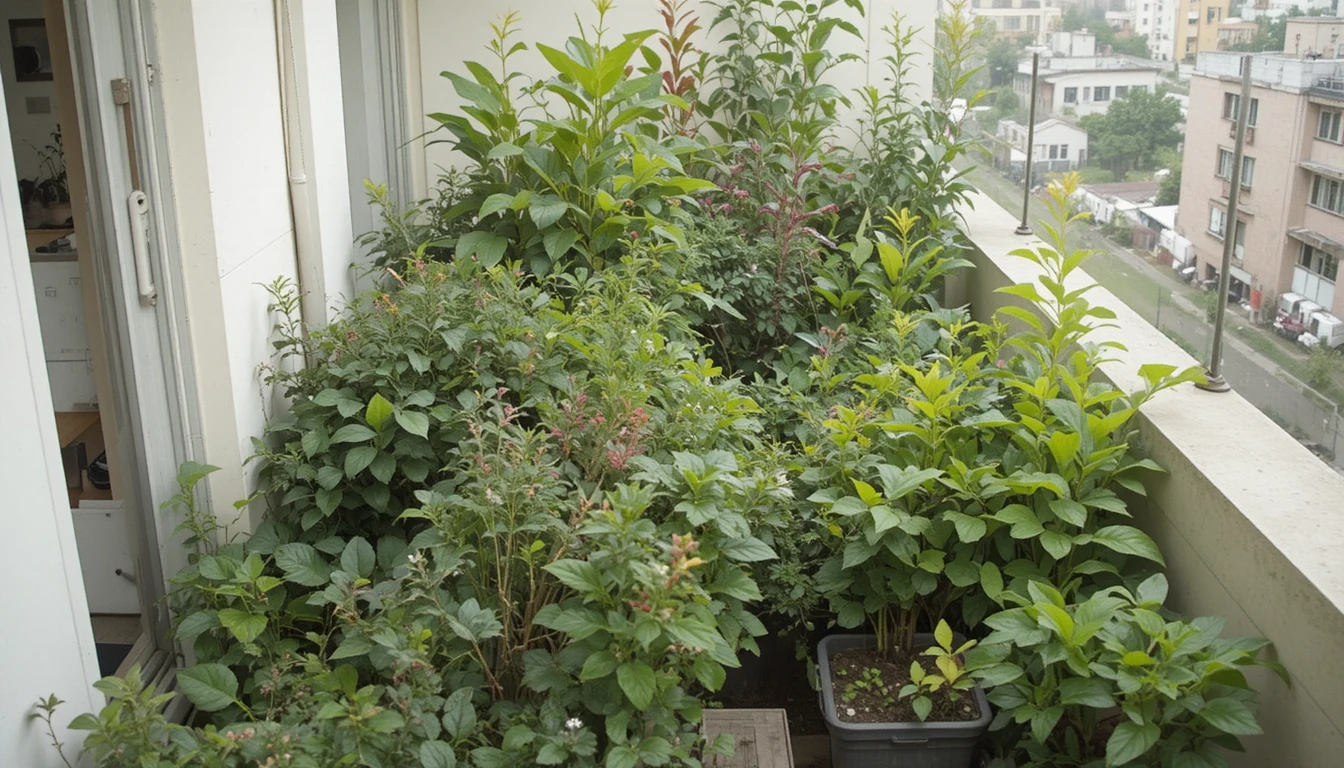
Overture: The Gate of Possibility
We live in the Age of the Great Severing. Our food comes wrapped in plastic, severed from the soil that birthed it. Our water appears from taps, severed from the watersheds that collected it. Our sense of time is cut into digital fragments, severed from the turning of seasons. In this landscape of disconnection, the simple act of gardening becomes radical—not as a hobby, but as a ritual of re-membering. It is the patient re-weaving of severed threads: the thread that ties the tomato on our plate to the sun that fed it, the thread that ties the rain on our skin to the roots in our care, the thread that ties our labor to tangible, life-giving results. This 3,800-word exploration is a map for crossing the threshold from consumption to communion. It is a guide to transforming your patch of earth—be it acres or windowsill—into a sacred space of reciprocity, where you cease to be a consumer of landscape and become a participant in its ongoing creation.
Volume I: The Diagnosis – Understanding the Wounds We Heal
1.1 The Pathology of the Conventional Landscape
To understand regenerative gardening, we must first name what it heals. The conventional suburban landscape—the manicured lawn, the sterile mulch beds, the isolated ornamental shrubs—is an ecological ICU patient, sustained by constant, toxic intervention.
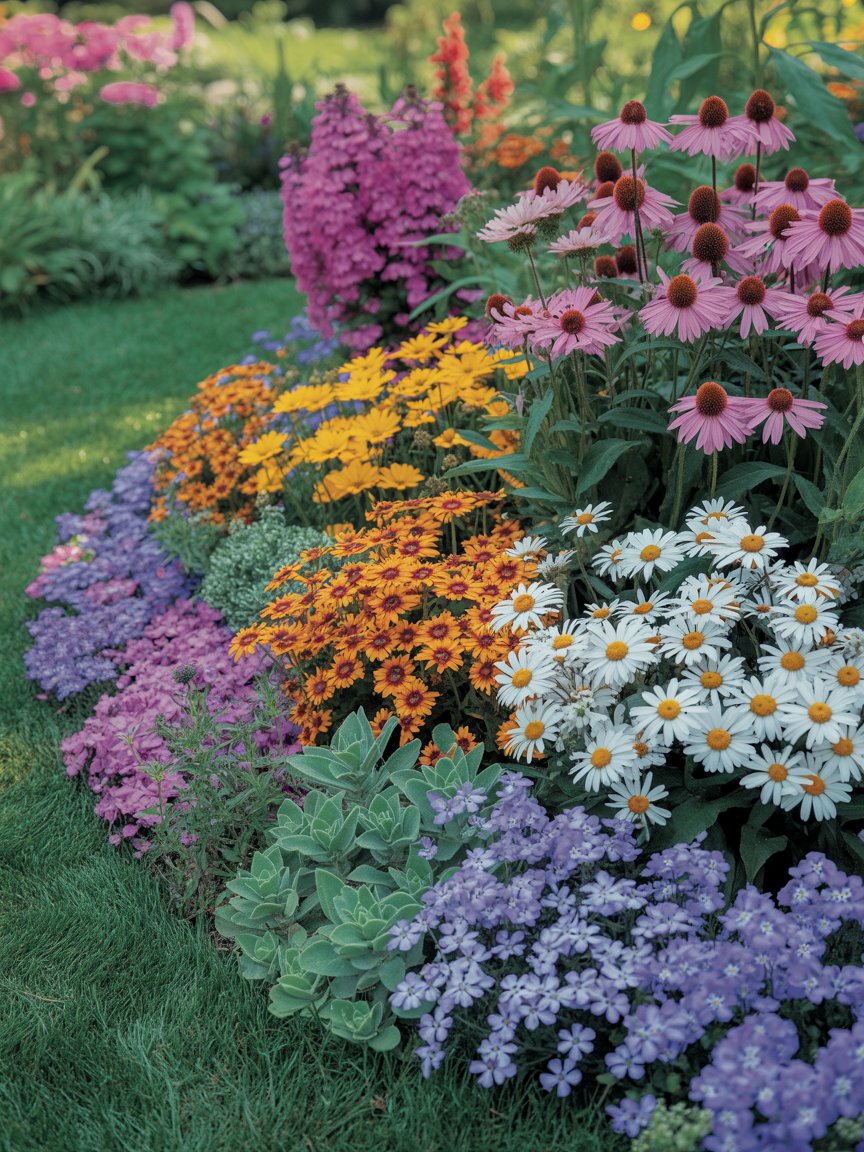
- The Lawn as Green Desert: Biologically, a turfgrass lawn is a monoculture famine. It offers almost no food or habitat for insects, the foundational layer of the food web. Its maintenance demands fossil fuels (mowing), petrochemicals (fertilizers, herbicides), and staggering amounts of a dwindling resource (water). It is a symbol of dominion that actively creates a biodiversity dead zone.
- The Cult of Sterility: The use of broad-spectrum pesticides and herbicides represents a war on the very basis of the food web. It is not a “pest control” strategy; it is an ecosystem-wide poisoning. These chemicals travel, contaminating groundwater, harming pollinators, and degrading soil life, creating a landscape that is quiet, tidy, and profoundly dead.
- The Alien Aesthetic: Our gardens are often filled with plants from Asia and Europe, beautiful but ecologically silent to native fauna. They are like beautiful furniture in an empty house—providing no sustenance for the local community of life. This represents a dislocation of place, where our gardens have no ecological conversation with their surroundings.
1.2 The Psychological Disconnection
This external brokenness mirrors an internal one. Our severed relationship with natural cycles creates what philosopher Glenn Albrecht calls “solastalgia”—a form of psychic distress caused by environmental degradation close to home. We feel a deep, unnamed grief for the loss of birdsong, for sterile yards, for the sanitized, human-centric world we’ve created. Conventional gardening often exacerbates this by framing nature as an adversary to be controlled. Regenerative gardening offers the antidote: active, hopeful participation in healing.
Volume II: The Principles – The Pillars of Regenerative Practice
2.1 The First Pillar: The Soil is Alive (And We Are Its Stewards)
This is the non-negotiable foundation. Soil is not dirt—it is a cosmos in a teaspoon, containing billions of bacteria, miles of fungal hyphae, and complex food webs. Our primary task is to feed and protect this civilization.
- The No-Till Covenant: Tilling is the equivalent of setting off a bomb in a city. It destroys fungal networks, oxidizes organic matter (releasing carbon), and kills soil structure. The no-till method is a vow of non-violence towards the soil web. We build soil from the top down with layers of compost, mulch, and green manures, allowing worms and microbes to do the “tilling” naturally.
- The Compost Altar: Composting is the garden’s central sacrament. It is the alchemical process of transforming death (kitchen scraps, fallen leaves) into the substance of new life (humus). A diverse, actively managed compost pile is a living library of microbial inoculants, returning not just nutrients but life itself to the soil.
- The Mycorrhizal Alliance: We actively foster partnerships with mycorrhizal fungi by minimizing disturbance, using fungal-friendly mulches (wood chips), and avoiding soluble synthetic fertilizers that make plants “lazy” and sever this ancient symbiotic relationship.
2.2 The Second Pillar: Water is Sacred (To Be Celebrated, Not Wasted)
Water is the bloodstream of the land. Our goal shifts from irrigation to hydration of the entire system.
- The Sponge Principle: Design your property to catch, slow, sink, and spread every drop of rain. Techniques include swales (contour trenches that halt runoff), rain gardens (planted basins for infiltration), and keyline patterning (subtle earthworks to redistribute water). The goal is zero runoff, turning your land into a water-holding vessel.
- The Cyclical Logic of Greywater: Sending water from showers and washing machines to the sewer is a linear, wasteful act. A simple, legal branched-drain greywater system directs this nutrient-rich water to fruit trees or ornamental plantings, closing a loop and recognizing water as a precious nutrient carrier.
- Planting the Rain: Choose deep-rooted perennials, natives, and drought-adapted plants that create their own hydraulic lift, pulling moisture from deep in the soil and making it available to others. This creates a self-irrigating landscape resilient to drought.
2.3 The Third Pillar: Biodiversity is Resilience (Monoculture is Vulnerability)
A row of identical plants is an invitation to disaster. Diversity is our greatest security.
- The Native Keystone: Native plants form the irreplaceable architectural framework of the local food web. They support specialist insects, which in turn feed birds and other wildlife. A garden rich in natives is a busy, thriving community center.
- Polycultures & Guilds: Instead of rows, plant in mutually supportive communities. A classic “Three Sisters” guild of corn, beans, and squash demonstrates the principle: the corn provides structure, the beans fix nitrogen, the squash shades the soil. We design stacked polycultures that fill every niche—vertical, horizontal, and temporal.
- Habitat as Infrastructure: Integrate specific habitat features: a brush pile for lizards and beetles, a solitary bee hotel, a bird bath, a section of unmowed native grasses. These are not decorations; they are essential utilities for the pest-control and pollination workforce.
2.4 The Fourth Pillar: The Garden is a Cycle (There is No “Away”)
In nature, there is no waste. Outputs become inputs. Our gardens must mimic this circular genius.
- On-Site Fertility: The ideal garden produces its own fertilizer through compost, chop-and-drop mulching, nitrogen-fixing plants, and integrated animal systems (e.g., chicken tractors). We break our dependency on imported, extractive inputs.
- Seed Sovereignty: Saving seeds from our healthiest, most adapted plants is an act of biological and cultural independence. It creates landraces uniquely suited to our specific microclimate and develops a living genetic library.
- Energy Literacy: Use human-scale tools (scythes, push mowers, hand pruners) where possible. Choose electric over gas-powered tools. Design to maximize photosynthetic capture (the garden’s true energy source) and minimize fossil fuel consumption.
Volume III: The Practice – From Theory to Tangible Life
3.1 The First Year: The Observational Foundation
Resist the urge to immediately transform. Dedicate the first year to deep observation.
- Map the Elements: Sun, shade, wind, water flow, frost pockets.
- Identify the Volunteers: What plants are already trying to grow? They are your best teachers about soil and microclimate.
- Start Small: Create one no-till bed. Install one rain barrel. Build one compost system. Master one element before expanding.
3.2 The Design Phase: Imitating Nature’s Patterns
Use your observations to design with nature, not against it.
- Zoning: Place elements according to frequency of use and need for care. Herbs by the kitchen door (Zone 1), orchard trees farther out (Zone 2), native habitat areas on the periphery (Zone 3).
- Stacking Functions: Every element should serve multiple purposes. A fence is also a trellis. A rain barrel also provides thermal mass for a cold frame. A pond provides irrigation, habitat, fire protection, and beauty.
- Creating Beneficial Edges: Maximize the productive, biodiverse “edge” between ecosystems. Make garden beds wavy, not straight. Blend the vegetable garden into the ornamental area.
3.3 The Social Garden: Extending the Threshold
A garden’s true power multiplies when it connects to community.
- The Generous Perimeter: Plant edible and beautiful natives along property lines and sidewalks. Share surplus openly. Let your garden’s abundance be visibly generous.
- The Skill-Sharing Circle: Host workshops on seed saving, pruning, or fermenting. Your garden becomes a living classroom.
- The Cultural Bridge: Acknowledge the land’s history. Grow heirloom varieties from your cultural heritage alongside plants significant to the Indigenous peoples of your area (sourced ethically). The garden becomes a space of shared story and reconciliation.
Volume IV: The Transformation – What Grows in the Gardener
4.1 The Cultivation of Patience & Humility
The garden operates on timescales that dismantle human arrogance. An oak tree takes decades. Building an inch of topsoil takes centuries. This teaches “deep time” thinking—the ability to act for a future we will never see, planting trees whose shade will grace our grandchildren. We learn humility through constant, gentle feedback: plants die, designs fail, pests arrive. These are not failures, but lessons in conversation with a living system.
4.2 The Reclamation of Agency
In the face of global crises, it is easy to feel helpless. The garden is a sphere of tangible, positive agency. Your actions have direct, visible consequences: carbon sequestered in soil, pollinators fed, water cleansed, biodiversity increased. This transforms eco-anxiety into grounded, purposeful action. You are not waiting for solutions; you are enacting them daily.
4.3 The Development of Ecological Intelligence
Regenerative practice cultivates a new way of thinking: systems thinking. You stop seeing isolated problems (aphids) and start seeing system imbalances (lack of predator habitat, excess nitrogen). You develop pattern literacy, reading the land’s clues and responding in ways that harmonize with its intrinsic logic. This ecological intelligence is perhaps the most critical skill we can develop for the 21st century.
4.4 The Discovery of Sacredness
Ultimately, the garden becomes a site of the sacred—not in a dogmatic sense, but in the experience of participating in something vast, intelligent, and generous. The miracle of a seed germinating, the intricate architecture of a mycorrhizal network, the hum of a thriving ecosystem you helped foster—these experiences cultivate a sense of awe and belonging that consumer culture can never provide. You cross from being a spectator of life to a celebrant within it.
Coda: An Invitation to Cross Over
The garden gate stands before you as a threshold. On one side lies the familiar world of consumption, control, and disconnection. On the other lies the world of communion, reciprocity, and co-creation.
Crossing over does not require perfection. It begins with a single, deliberate act:
- Replace a section of lawn with clover.
- Plant one native oak or keystone shrub.
- Build a simple compost pile.
- Install a rain barrel.
- Commit to using no synthetic chemicals, ever.
Each act is a stitch in the re-weaving. Each season, you will understand the language of the land more fluently. You will make mistakes, and the land, in its boundless patience, will teach you through them.
This is not a retreat from the world, but a more profound engagement with it. It is the slow, beautiful, hopeful work of healing our relationship with the living Earth, starting right outside our door. Take the first step. Open the gate. Get your hands in the soil. And begin the lifelong, joyous practice of learning to garden not just with your hands, but with your heart, your mind, and your whole being, in sacred partnership with all that lives.