
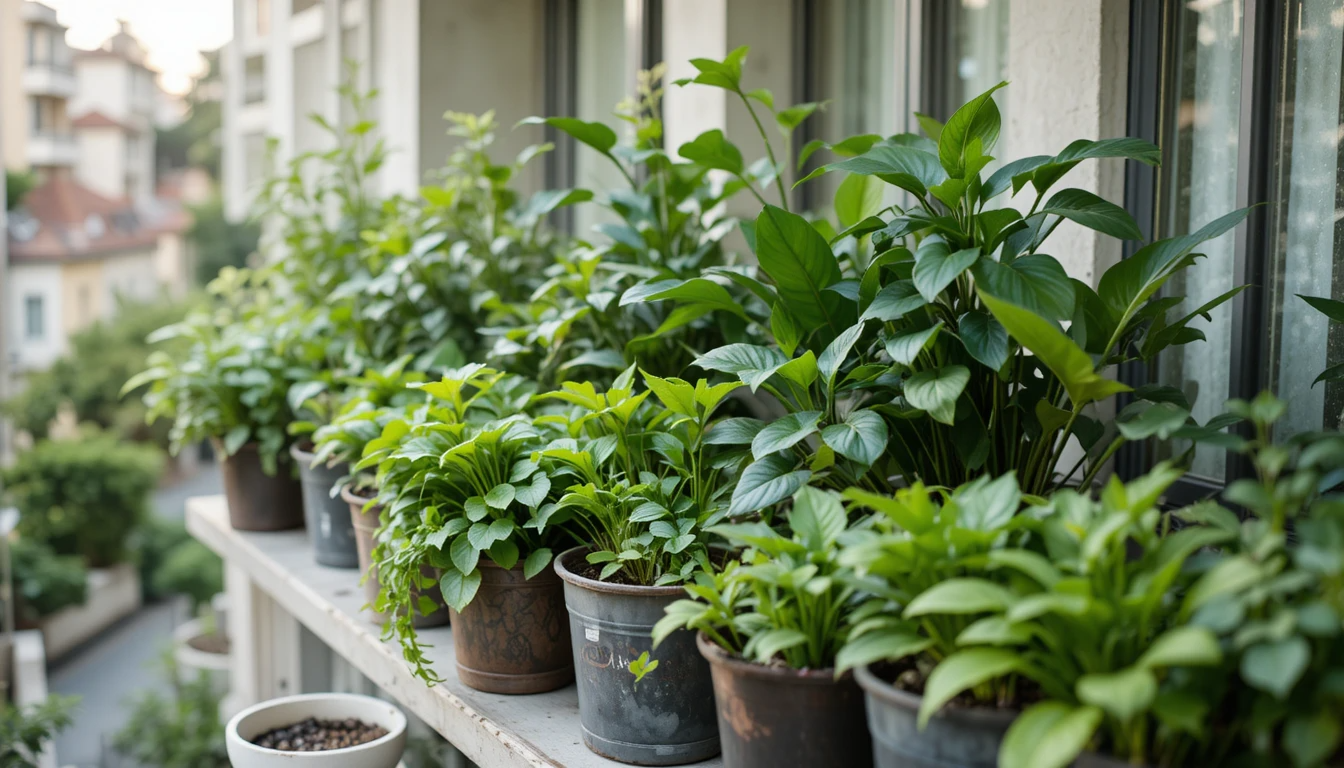
In the relentless noise of modern existence—between the demands of digital existence, the anxiety of global crises, and the erosion of tangible community—a profound silence awaits. It is not the silence of absence, but of deep presence. It hums in the soil, whispers in the leaves, and sings in the simple act of a seed breaking ground. This is the sanctuary of the regenerative garden. This is not merely about growing plants; it is about growing a different way of seeing. Over 3,550 words, we will explore how the garden becomes a perceptual lens, a moral compass, and a practical toolkit for re-engagement with a living, breathing world. It is an invitation to step through the garden gate into a reality where we are not consumers or controllers, but participants in a reciprocal dance of life.
Book One: The Lens of Perception – Cultivating Ecological Sight
1. The End of the Isolated Object
Our consumer culture trains us to see the world as a collection of isolated objects: a tomato, a pest, a bag of fertilizer. The garden, when observed with patience, shatters this illusion. We begin to see relationships, not things.
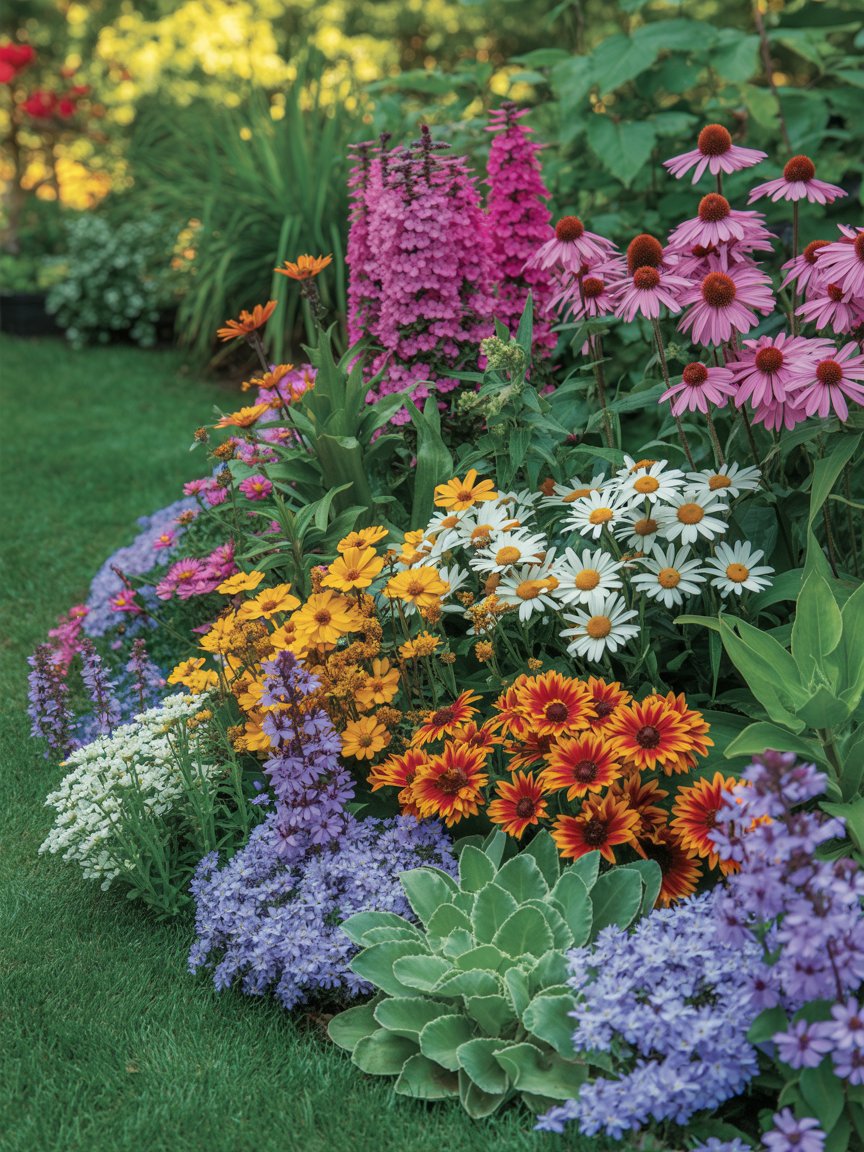
- From Pest to Participant: The aphid is not an isolated villain. It is a node in a web: food for the ladybug larva, who is food for the bird, whose droppings fertilize the soil that feeds the plant. The aphid’s presence is an indicator of imbalance, often of excess nitrogen, and an invitation for predator species to establish. Our response shifts from eradication (“kill the object”) to systemic adjustment (“adjust the relationship”).
- From Weed to Healer: The dandelion’s deep taproot breaks compacted soil, mines calcium from the subsoil, and offers first spring nectar to pollinators. It is not a mistake in the lawn, but a pioneer physician for damaged earth. Seeing this transforms weeding from a chore of removal to a diagnostic practice—what is this plant healing, and what would naturally succeed it?
2. Learning to Read the Land’s Own Text
Before we impose our designs, we must learn to read the story already being written by wind, water, and biology.
- Hydrological Handwriting: After a rain, observe. Where does water run, pool, and disappear? These are the land’s clearest instructions. A rivulet is a plea for a swale. A persistent puddle is a suggestion for a rain garden or thirsty willow. Your design becomes not an imposition, but a thoughtful response to the land’s own proposal.
- The Calendar of Phenology: Abandon the static human calendar. Adopt the living one. Record: First maple blossoms. First swallow sighting. First peepers singing. First ripe strawberry. These events are tied not to dates, but to accumulated warmth and climatic nuance. Planting by these signs—”sow corn when oak leaves are the size of a squirrel’s ear”—re-embeds you in biospheric time, a rhythm far older and wiser than any clock.
3. Embracing the Aesthetics of Process
We must unlearn the sterile, static beauty of the magazine spread and learn to love the beauty of becoming.
- The Glory of Decay: A browned sunflower head, heavy with seeds for finches, etched with frost, is not ugly. It is a masterpiece of provision and structure. The collapsing squash vine feeding the soil web is a sacrament of return. This beauty is active, generous, and cyclical.
- Successional Splendor: A meadow is beautiful in its June exuberance, but also in its January austerity—a tapestry of tawny grasses and sculptural seed heads. Learning to see the beauty in each stage of ecological succession—from bare soil to mature canopy—grants a profound peace with change and a long-view appreciation.
Book Two: The Lens of Practice – The Art of Reciprocal Action
4. The Soil: Not a Medium, but a Covenant
Soil is the fundamental covenant between the living and the dead, the past and the future. Our care for it is the bedrock of all regenerative practice.
- The No-Till Oath: When we till, we are ripping apart the mycorrhizal internet, exploding soil carbon into the atmosphere, and destroying the delicate water-holding architecture built by worms and roots. No-till is a promise: a promise to build soil from the top down, through layers of organic matter, mimicking the forest floor. It is slow, patient, and profoundly respectful.
- Compost: Alchemy of Gratitude: Composting is the ultimate ritual of gratitude. It says to apple cores, fallen leaves, and grass clippings: Your work is not done. You will become the future. A hot compost pile is a temple of transformation, where our discards are redeemed into black gold through the ministry of microbes. It is the garden’s beating heart.
5. Water: From Resource to Relationship
Water is not a “resource” to be consumed; it is the blood of the landscape, and our task is to help it circulate with generosity.
- The Sponge Ethic: Design your entire space to act as a sponge. Swales, rain gardens, mulched basins, and gravel infiltration pits are all techniques to invite water to linger, sink, and hydrate the deep earth. This reverses the industrial imperative of getting water “away” as fast as possible, healing the watershed one property at a time.
- Greywater as Reciprocal Loop: Sending lightly used water from sinks and showers directly into the sewer is a profound waste of relationship. A simple, branched-drain greywater system directs this water to fruit trees or ornamental gardens. It is a direct, tangible loop: the tree receives hydration and nutrients; we receive shade, fruit, and the satisfaction of a closed cycle.
6. Plants: From Ornaments to Citizens
Choose plants not for decoration alone, but for their citizenship—what they contribute to the community.
- The Native Imperative: Native plants are the bedrock citizens. They co-evolved with the local insects, birds, and soils. An oak tree supports over 500 species of caterpillars, the foundational bird food. A non-native ornamental may support fewer than 5. Planting natives is not nostalgia; it is providing competent hospitality to the web of life you claim to steward.
- The Guild Philosophy: Don’t plant in lonely rows. Plant in functional families, or guilds. A fruit tree guild includes: a nitrogen-fixer (clover), a nutrient-accumulator (comfrey), aromatic pest-confusers (garlic, chives), and a living mulch (strawberries). Each member supports the others. This is applied ecology, creating resilient, low-maintenance polycultures that mimic natural systems.
Book Three: The Lens of Insight – What the Garden Grows in Us
7. Cultivating Patience: The Long Now
The garden operates on timescales that humble human haste. An asparagus bed takes three years to establish. A fruit tree may not bear for five. Building an inch of topsoil can take a century. Gardening in this way cultivates “long now” thinking—the ability to act for futures we will not see. It is an antidote to the frantic short-termism of modern culture. We plant oak acorns for our grandchildren’s shade.
8. Embracing Productive Failure
The garden is a relentless, gentle teacher of humility. Seeds fail. Tomatoes blight. Rabbits devour. In an achievement-oriented culture, these are “failures.” In the garden, they are data. They are feedback from the system. The blight tells you about air circulation and variety selection. The rabbit tells you about habitat and fencing. The regenerative gardener learns to ask, “What is this teaching me?” rather than “Why is this happening to me?” This reframes failure as the compost of wisdom—necessary, fertile, and fundamental to growth.
9. Finding Agency in an Age of Anxiety
Confronted with global climate chaos and biodiversity collapse, it is easy to feel paralyzed. The garden offers a tangible sphere of positive agency. Your actions have immediate, visible consequences:
- Building soil sequesters carbon.
- Planting natives increases local biodiversity.
- Saving seeds preserves genetic heritage.
- Catching rainwater mitigates runoff.
This is not a trivialization of global problems, but an antidote to helplessness. It grounds overwhelming abstractions in the satisfying, measurable work of hands in soil. It proves that healing is possible, one square foot at a time.
Book Four: The Social Garden – Extending the Lens Outward
10. The Generous Edge: From Private Plot to Public Gift
The most powerful gardens have permeable boundaries. They spill their abundance into the community.
- The Sidewalk Buffer: Replace sterile turf with a pollinator strip of native flowers or a low hedge of edible currants. It becomes a gift of beauty and sustenance to passersby and urban wildlife.
- The Sharing Bench: Place a bench at the edge of your garden with a basket of surplus produce and a “Please Take” sign. It transforms surplus from a problem into a social offering, building invisible bonds of neighborhood reciprocity.
- The Knowledge Commons: Host simple workshops on seed saving, pruning, or composting in your garden. Share cuttings and divisions freely. Your garden becomes a living library, its real yield being the spread of ecological literacy and skill.
11. The Garden as a Site of Reconciliation
Gardening can be an act of ethical remembering and relationship-building.
- Honoring Indigenous Stewardship: Research and acknowledge the Indigenous peoples on whose land you garden. If possible, seek to learn about and plant species they used for food, medicine, and craft. This is not appropriation, but an act of respectful remembrance and reconnection.
- Remediation Gardens: In areas with difficult histories—former industrial sites, places of social trauma—gardening can be an act of physical and symbolic healing. Plants that pull toxins from soil (sunflowers for lead, ferns for arsenic) perform “phytoremediation,” cleaning the land while the act of care helps mend communal spirit.
Coda: The Unfinished Symphony
A regenerative garden is never finished. It is a living inquiry, a perpetual conversation between human intention and natural process. There is no final, perfect state—only the ongoing, beautiful work of tending, observing, adapting, and deepening the relationship.
You will make mistakes. Plants will die. Designs will fail. This is part of the conversation. The soil forgives. The seasons turn. A new chance to learn always sprouts.
Start. Start absurdly small. With a pot of herbs on a windowsill. With a commitment to stop using herbicides on your lawn. With the planting of a single native shrub. Look through the lens. See the relationships. Take one action that affirms life. Then another.
In doing so, you do more than grow food or flowers. You grow a new way of being in the world—one rooted in reciprocity, guided by patience, and nourished by the humble, hopeful work of participating in life’s endless, resilient unfolding.