
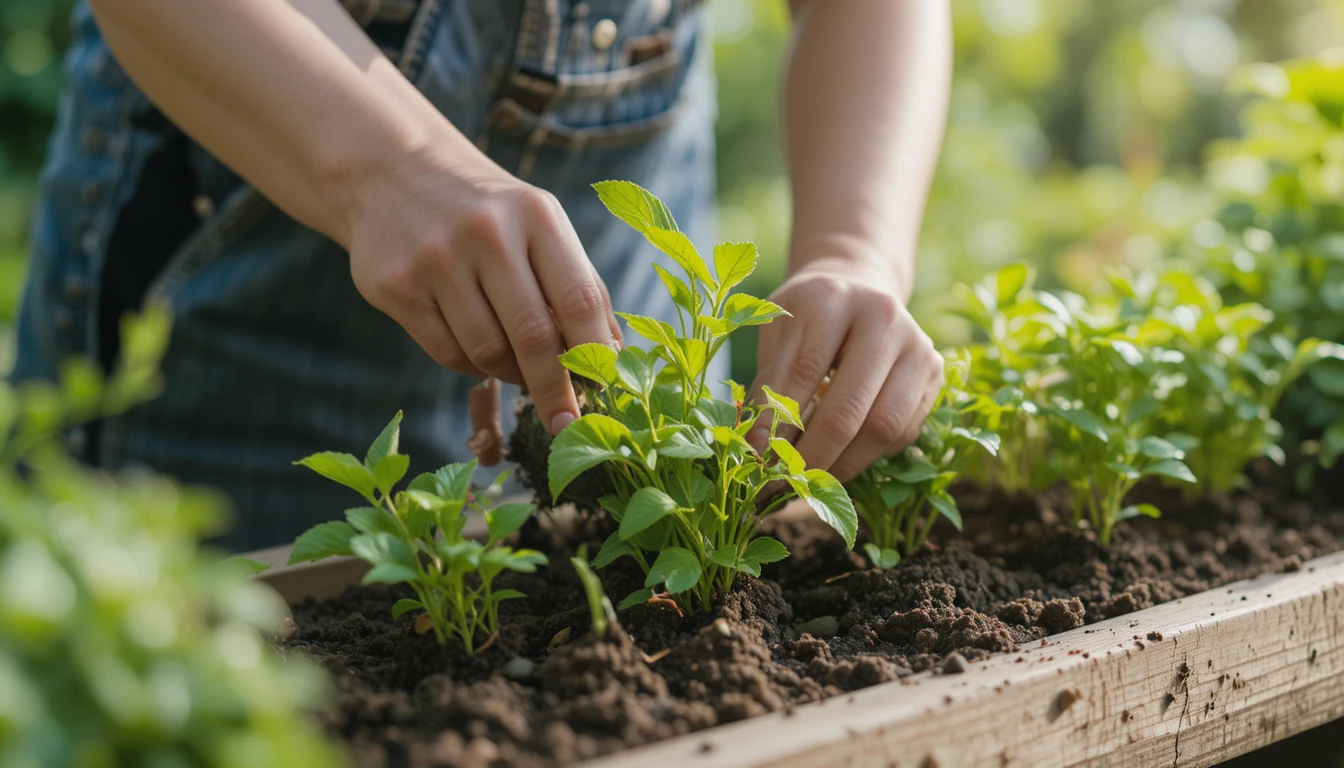
Between the crack in the sidewalk concrete, a dandelion asserts itself. Society calls it a weed; ecology names it a healer, a pioneer, a sun-catcher turning stone into life. This tiny rebellion is the perfect metaphor for the movement we are about to explore—not merely gardening, but ecological re-inhabitation. It is a practice of seeing the land not as property to be managed, but as a living community to be joined. It is the art of becoming a native to place once more. This is a comprehensive guide to gardening not as a hobby, but as a vital, revolutionary act of cultural and ecological repair, spanning the microscopic to the metaphysical. We will explore how your garden can become a nexus of resilience, a classroom without walls, and a sanctuary for the human and more-than-human world. We are not just planting flowers; we are planting possibilities, one rooted connection at a time.
Book I: The Mind of the Ecosystem Gardener
Chapter 1: The End of the War Metaphor
For too long, we have gardened as generals on a battlefield. We wage war on weeds, declare war on pests, and fight against nature itself. This language of conflict shapes our actions, justifying chemical warfare (pesticides, herbicides) and scorched-earth policies (tilling, clear-cutting). The first step in regenerative gardening is a linguistic and philosophical disarmament. We must replace the vocabulary of war with a vocabulary of relationship, reciprocity, and resilience.
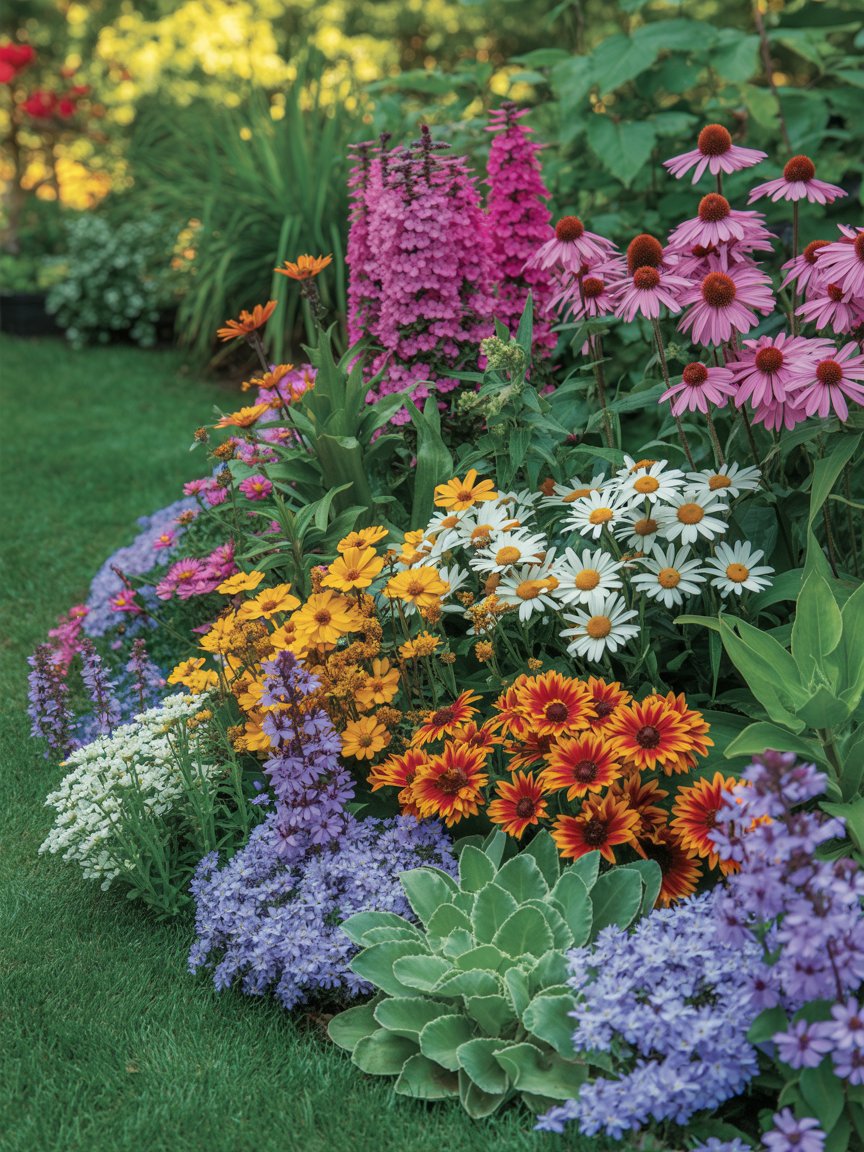
We are not soldiers, but stewards. We are not fighting invaders, but reading ecological indicators. Aphids are not an enemy army; they are a signal of succulent, nitrogen-rich growth, often brought on by synthetic fertilizer, and an invitation for ladybug larvae to feast. A “weed” is not a villain; it is a plant solving a problem—compaction (dandelion), erosion (bindweed), or nutrient deficiency (nettles indicate rich, often phosphate-heavy soil). Our role shifts from eradication to interpretation and facilitation.
Chapter 2: Cultivating Keystone Perception
In ecology, a keystone species is one whose presence and role is disproportionately vital to the health of its ecosystem (e.g., wolves in Yellowstone, beavers in a wetland). The regenerative gardener must cultivate keystone perception—the ability to identify and support the linchpins of their local ecological web.
This begins with radical observation. Before you plant a single seed, commit to a Year of Watching.
- Phenology: Track the “firsts”—first bud, first bloom, first frost, first migratory bird. This connects you to climatic rhythms.
- Water Flow: Watch where rain pools, runs, and disappears. This is your blueprint for earthworks.
- Light Patterns: Map the sun’s journey across your space through the seasons. The shadow in June is not the shadow in March.
- Wildlife Corridors: Notice where squirrels run, birds nest, and insects congregate. These are your existing habitat pathways.
This patient attention reveals the land’s inherent patterns. Your design then becomes an act of gentle persuasion, aligning your goals with the land’s existing flows, rather than forcing a foreign template upon it.
Chapter 3: Embracing the Gift Economy of Nature
The industrial model is based on extraction: take resources, produce waste. The ecological model is based on a gift economy: life begets life in endless cycles. The oak tree’s gift is not just acorns, but shade, habitat, leaf litter, fungal partnerships, and oxygen. In return, it asks for nothing but to participate in the cycle.
Our gardens must operate on this same principle. We ask: What gifts can this garden give? The answers are manifold:
- Gifts to the Soil: Organic matter, nitrogen fixation, mineral accumulation.
- Gifts to Wildlife: Nectar, pollen, seeds, shelter, nesting material.
- Gifts to the Climate: Carbon sequestration, water infiltration, local cooling.
- Gifts to the Community: Food, beauty, education, shared seeds, a sense of place.
- Gifts to Ourselves: Nourishment, medicine, peace, purpose, physical health.
Our work is to set this economy in motion and then step back to allow the transactions to occur. We plant the milkweed (gift) for the monarch caterpillar (receiver), who becomes the butterfly (transformer), who pollinates the flowers (reciprocal gift). Our satisfaction comes from facilitating this exchange, not from being its sole beneficiary.
Book II: The Living Framework—From Theory to Mycelium
Chapter 4: The Rhizomatic Foundation: Soil as a Neural Network
Forget the simplistic “dirt” metaphor. Think of soil as the planet’s mycelial mind—a decentralized, intelligent network. The fungal hyphae connecting tree roots (the “Wood Wide Web”) don’t just transfer nutrients; they transmit chemical signals about pest attacks, drought stress, and other threats. A healthy soil web is a communicative community.
Advanced Practices for Network Cultivation:
- Inoculation Rituals: Beyond buying mycorrhizal powder, create fungal slurries. Blend mature mushrooms from your property (like wine caps) with rainwater and molasses, and pour it over wood chip beds to rapidly propagate mycelium.
- Biochar Integration: Create or source biochar—porous charcoal made from pyrolyzed wood. “Charge” it by soaking it in compost tea or nutrient-rich urine. When added to soil, this terra preta analogue provides a permanent, condominium-like housing for microbes, locking in nutrients and moisture for centuries.
- The Power of Bacterial-Fungal Balance: Understand your plants’ needs. Annual vegetables thrive in bacterially-dominated soils (achieved with compost, manures, green mulches). Trees, shrubs, and perennials prefer fungally-dominated soils (achieved with wood chips, leaf mold, and fungal-inoculated compost). Tailor your amendments to the “community” you’re building.
Chapter 5: The Water Cathedral: Advanced Hydrological Alchemy
Water is the sacred medium through which all life in the garden flows. Our task is to become its humble priests, slowing it, celebrating it, and recycling it.
Beyond Basic Harvesting:
- Fog Nets & Dew Collectors: In arid or coastal climates, simple mesh structures can harvest atmospheric moisture directly, providing a critical water source.
- Living Pools & Swimming Ponds: Replace chlorinated swimming pools with regenerative swimming ponds that use aquatic plants and gravel filters to create crystal-clear, chemical-free water that supports dragonflies, frogs, and a stunning garden feature.
- Subsurface Irrigation with Diffusion: Bury unglazed clay pots or specially designed porous pipes that “sweat” water into the soil, creating a moisture sphere that roots gravitate toward. This can reduce water use by up to 70%.
The Philosophy of Full-Cycle Water: Aim to have every drop of rain that falls on your property either infiltrate your soil, be stored in a tank or pond, or be transpired by plants. Zero runoff is the ideal. This not only hydrates your landscape but reduces flooding, erosion, and pollution downstream.
Chapter 6: Designing for Complexity: The Polyculture Tapestry
A row of lettuce is a sentence. A polyculture is a novel, rich with plot, character, and subtext.
Design Principles for Living Tapestries:
- Temporal Stacking: Use plants with different life cycles. Fast-growing radishes provide quick cover and harvest while slow-growing carrots establish. The radish is harvested just as the carrot needs more space.
- Spatial Stacking (Revisiting the Seven Layers): Go beyond the basic forest garden model. Consider the mycorrhizal layer beneath the soil and the canopy climber layer (vines in trees) as additional, functional strata.
- Functional Redundancy: Don’t rely on one plant for one function. Have multiple nitrogen-fixers (clover, beans, goumi berry), multiple pest-repellents (alliums, marigolds, fragrant herbs), and multiple pollinator attractors. This ensures ecosystem services continue if one species fails.
- Successional Planning: Design for time. A sunny annual vegetable bed can be the first stage in a 20-year plan that evolves into a perennial shrub garden and finally a canopy of nut trees. Plant nurse trees (fast-growing, nitrogen-fixing trees like alder or black locust) that will shelter slower-growing valuable species (like oak or chestnut) and can be later coppiced for mulch and fuel.
Book III: The Garden as a Social Organism
Chapter 7: The Edges Are Where the Action Is: Permeable Boundaries
In ecology, the edge effect describes the phenomenon where two ecosystems meet (e.g., forest and meadow); this interface boasts greater biodiversity and productivity than either system alone. The regenerative garden should maximize beneficial edges.
- Softening Hard Lines: Replace solid fences with living fences (hedgerows, woven willow). Allow planting beds to spill over paths. Create wavy, amoeba-shaped beds instead of rectangles to maximize edge perimeter.
- The Productive Edge: Plant the sun-drenched south edge of a fruit tree with sun-loving herbs. The north edge, in shade, can host mushrooms or shade-tolerant greens.
- The Social Edge: The boundary between your private garden and the public street is a critical social edge. A front-yard food forest or a sidewalk strip planted with currant bushes and thyme becomes a generous edge, offering gifts to the community and sparking conversations. It transforms a barrier into a site of exchange.
Chapter 8: Cultivating Invisible Infrastructure: The Community Web
The most important yields of a garden are often not vegetables, but social capital and cultural resilience.
Creating a Garden of Connections:
- The Neighborhood Harvest Map: Create a shared digital or physical map where neighbors can list surplus produce, tools for borrowing, or specialized skills (beekeeping, pruning, canning).
- The Memory Garden: Dedicate a space to plants that hold cultural stories. Grow the beans your grandmother brought from the old country, the roses that grew by your childhood home, the tobacco used in ceremony by local Indigenous elders (with permission and guidance). This makes the garden a repository of living history.
- The Grief Garden: Allocate a quiet corner for plants associated with remembrance and contemplation—willows, poppies, rosemary “for remembrance.” In an age of ecological grief, having a physical space to process loss—for extinct species, lost habitats, or personal sorrow—is a profound act of healing. The garden teaches that decay is necessary for new growth.
Book IV: The Interior Harvest: Gardening the Self
Chapter 9: The Gardener’s Metamorphosis
We enter the garden to change the land, but we stay because the land changes us. This is the interior harvest.
The Somatic Wisdom of Gardening: Gardening re-embodies us. The feel of cool soil, the scent of crushed tomato leaves, the ache of muscles used well—these sensations ground us in our animal selves, countering the disembodied digital life. This is somatic ecology—understanding the environment through the intelligent, feeling body.
Developing Feral intuition: As you practice keystone perception, you begin to develop a feral intuition. You can sense when a plant is thirsty by the look of its leaves, smell the approach of rain, or feel the shift in insect activity before a storm. This is not mystical; it is the reactivation of latent human senses atrophied by modern life. You become a participant-observer in your ecosystem.
Embracing Beautiful Chaos: The industrial aesthetic demands straight lines, monocultures, and control. The ecological aesthetic finds beauty in profusion, in the unexpected volunteer sunflower, in the elegant decay of a spent sunflower head. It finds harmony not in uniformity, but in the dynamic, complex balance of a thriving system. Learning to see this beauty retrains our brains away from a paradigm of control and towards one of appreciation.
Epilogue: The Garden as a Legacy of Timefulness
A regenerative garden is an act conducted in multiple time signatures. There is the daily rhythm of watering, the seasonal rhythm of planting and harvest, the annual rhythm of compost cycles, and the generational rhythm of tree growth and soil building.
When you plant a pecan tree, you are planting for your grandchildren. When you build soil carbon, you are healing the atmosphere for future strangers. This long now thinking is perhaps the garden’s greatest gift to our frenetic culture. It teaches timefulness—a deep-time awareness of our place in the continuum of life.
Your garden becomes a message in a bottle to the future, saying: Someone cared here. Someone understood connection. Someone tried to leave this patch more alive than they found it. It may start as a humble collection of pots, but its ethos—of reciprocity, care, and wild, hopeful abundance—can ripple outwards, rewiring our relationship with the living world from one of fear and extraction to one of love and participation.
Begin. Let a crack open. Let the dandelion of a new idea take root. And then, watch as the entire, magnificent, interconnected world begins to grow up around it.