
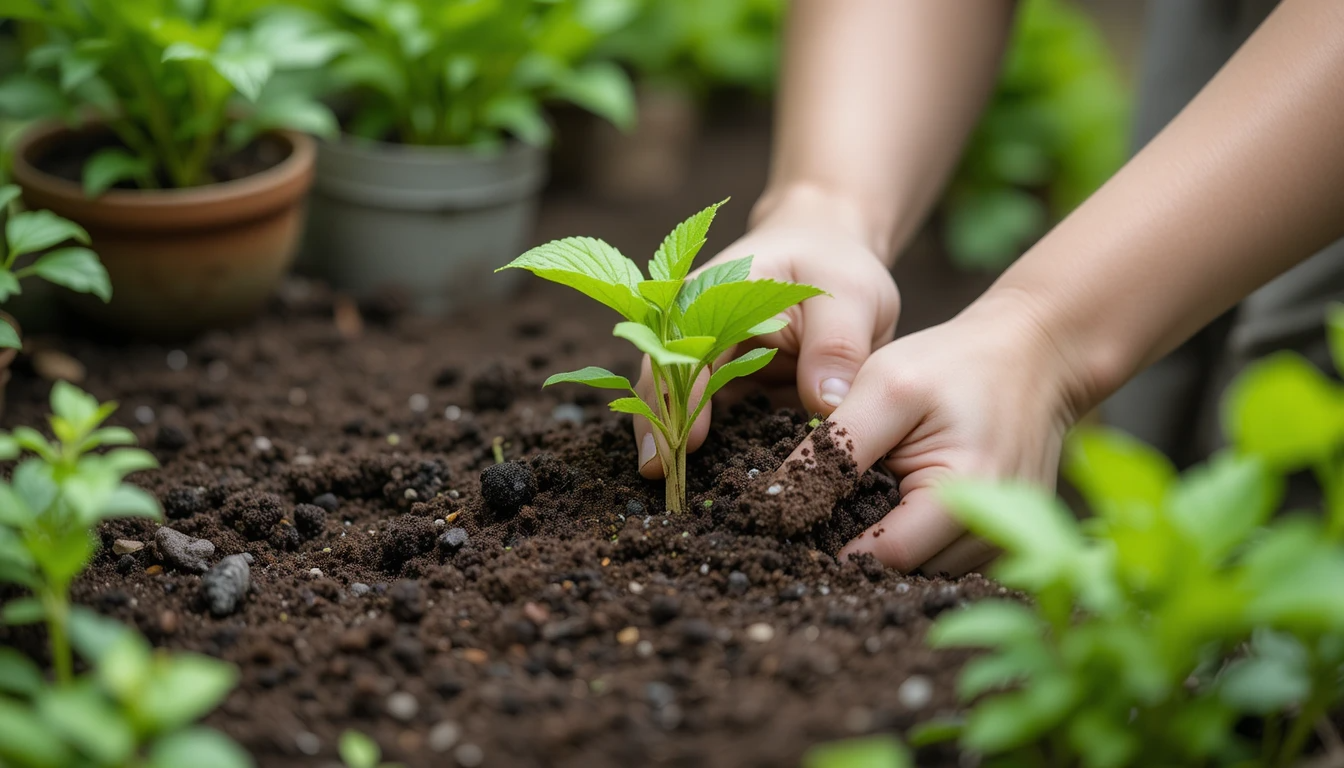
We are living in the between times. Between a paradigm of extraction and one of regeneration. Between climate stability and uncertainty. Between nature “out there” and the domesticated spaces we inhabit. It is in these liminal spaces—the edges, the transitions, the fertile margins—that the most critical work of our era takes place. The garden is no longer merely a refuge or a hobby; it is a training ground for edgewalkers. This 3,600-word exploration is a guide to cultivating not just plants, but ecological wisdom and personal resilience in the boundaries between our homes and the wild, our consumption and creation, our fears and our hopes. This is the practice of Edgewalking Gardening.
Part I: The Philosophy of the Edge – Seeing the World as a Membrane
1.1 The Ecotone as Classroom
In ecology, an ecotone is a transition area between two biological communities (e.g., forest and meadow, river and bank). It is characterized by greater diversity, density of life, and creative tension than either adjacent community. The edgewalker gardener learns to see their entire property as a series of ecotones.
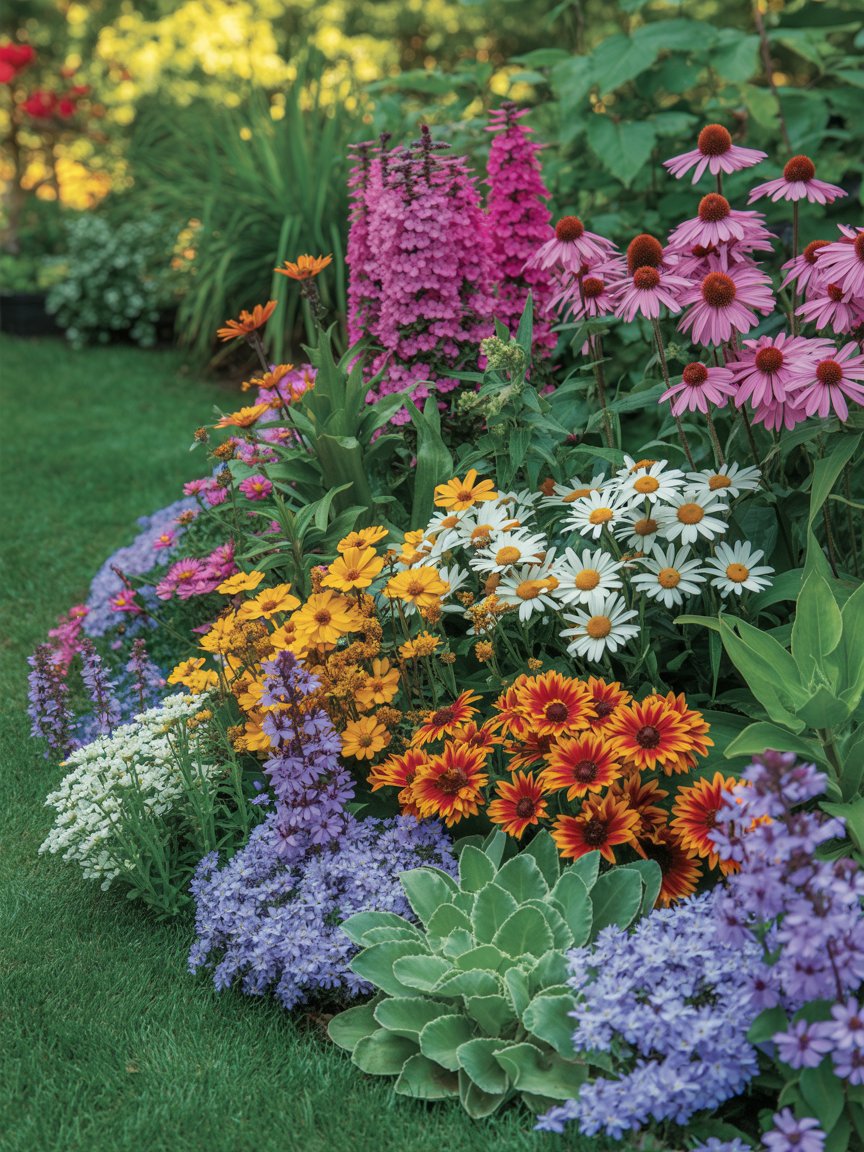
- From Boundary to Breeding Ground: The fence line isn’t a barrier; it’s a habitat seam. The sun-drenched south side of a wall isn’t just a warm spot; it’s a microclimate engine. The gutter downspout isn’t just drainage; it’s a concentrated water source. We stop fighting edges and start cultivating their inherent potential.
- The Productive Margin: Every edge is an opportunity. The space between a path and a bed can host low-growing, foot-traffic-tolerant herbs (thyme, Corsican mint). The shady north side of a house can become a fern grove or mushroom log station. The windy corner can host a dense, protective shrub layer that creates calm on its leeward side.
1.2 From Monoculture to Mosaic Thinking
Industrial agriculture thinks in vast, uniform blocks. Edgewalker thinking embraces the productive mosaic. A garden becomes a patchwork of interconnected, small-scale systems: a perennial herb spiral here, a rain garden swale there, a mini food forest guild in that corner, a native wildflower patch by the compost. This mosaic is inherently resilient—pest or disease in one patch doesn’t doom the whole. It’s also a haven for biodiversity, creating countless micro-habitats.
1.3 The Ethics of Managed Complexity
Conventional gardening seeks simplicity and control. Edgewalking embraces managed complexity. We introduce layers and relationships, then step back to observe and guide. It requires tolerating a degree of uncertainty and apparent “messiness”—the leaf litter hiding overwintering queen bumblebees, the “weedy” cover crop self-seeding. Our aesthetic shifts from the clean lines of control to the rich texture of participatory life.
Part II: The Practices of Regeneration – Building the Living Sponge
2.1 The Soil Sponge: Creating a Carbon-Sinking Hub
The foundation of edgewalker resilience is a living, breathing soil that acts like a sponge. Our goal is to maximize photosynthetic capture and turn it into stable soil organic matter.
- The Perennial Advantage: Prioritize deep-rooted perennials (trees, shrubs, perennial vegetables, prairie plants). Their extensive root systems exude carbon into the soil, build structure, and mine nutrients from the subsoil. They are the architects of the underground sponge.
- Biochar Integration: Incorporate “charged” biochar (soaked in compost tea or nutrient-rich liquid) into planting holes and garden beds. This porous carbon acts as a permanent coral reef for microbial life, increasing water and nutrient retention for centuries.
- Living Mulch & No-Till: Keep the soil clothed. Use living green mulches (clover, creeping thyme) or organic mulches (wood chips, straw) to protect the soil life, retain moisture, and suppress weeds. Never leave soil bare to the elements.
2.2 The Water Labyrinth: Slowing, Sinking, and Celebrating Every Drop
Water management is the art of creating a slow labyrinth for rainwater, ensuring it has every opportunity to sink into the ground before leaving your property.
- Passive Hydration Networks: Beyond rain barrels, implement French drains that feed tree roots, gravel-filled infiltration trenches along hardscapes, and berms and basins in landscape contours. The goal is to turn runoff into a slow, spreading resource.
- The Fog & Dew Garden: In suitable climates, use mesh fog nets or design with large-leaved plants and stone mulches that encourage dew condensation and drip. Harvesting atmospheric moisture is the ultimate edgewalker skill.
- Constructed Wetlands for Cleansing: For greywater or downspout overflow, create a small, gravel-and-plant bioswale or wetland cell. Plants like cattails, iris, and rushes will filter water naturally, creating a beautiful, functional mini-ecosystem.
2.3 The Polyculture Guild: Designing for Mutual Aid
Edgewalkers design in functional clusters, where plants support each other’s needs.
The Climate-Resilient Vegetable Guild:
Instead of a row of just tomatoes, create a guild:
- Central Support: A tall, sturdy sunflower or corn stalk.
- Nitrogen Support: Bush beans at the base.
- Pest Confusion & Repellent: Basil, marigolds, and borage interplanted.
- Living Mulch & Spiller: Sweet potato vine or nasturtiums covering the soil.
- Vertical Element: Pole beans or Malabar spinach climbing the sunflower.
This guild uses vertical space, self-fertilizes, confuses pests, and creates a microclimate. If one element fails (tomato blight), the others persist, yielding food.
Part III: The Social Mycelium – Weaving Connections Beyond the Garden
3.1 The Garden as a Node in the Network
An isolated garden is vulnerable. A garden connected to others forms a social mycelium—an underground network of exchange and support.
- The Neighborhood Genetic Library: Organize a community seed swap focused on open-pollinated and locally adapted varieties. Track which seeds perform best in your microclimate. You are collectively building a decentralized, resilient seed bank.
- Tool & Skill Commons: Share bulky, seldom-used tools (chipper-shredders, cider presses) with neighbors. Host skill-sharing sessions on pruning, canning, or mushroom inoculation. The garden is the excuse for the connection; the connection is the real yield.
- The Visible, Generous Edge: Let your front yard demonstrate abundance. Plant an edible hedge of blueberries, rosemary, and hazelnuts. Install a “U-Pick” patch of cut-and-come-again greens. This visibility normalizes productive landscapes and invites conversation.
3.2 The Garden as a Site of Remembrance and Reconciliation
Edgewalkers acknowledge the full history of their place.
- Phytoremediation & Healing: In areas with difficult histories (former industrial sites, places of trauma), plant species known for soil cleansing (sunflowers, ferns, willow) and ecological healing. The act of tending becomes one of physical and symbolic remediation.
- Honoring the First Gardeners: Research the Indigenous peoples of your area. If possible, learn about and incorporate culturally significant native plants (sourced ethically). Plant a “Three Sisters” bed (corn, beans, squash) not as appropriation, but as an act of respectful remembrance and education about sophisticated, place-based agricultural science.
Part IV: The Interior Edge – Gardening the Self
4.1 Cultivating Keystone Attention
Just as a keystone species holds an ecosystem together, keystone attention holds our perception together. We train ourselves to notice what matters most to systemic health: Is the soil moist an inch down? Are there predatory insects among the aphids? Is there a diversity of bloom times for pollinators? This focused, systemic attention counters the fragmented, reactive mindset of modern life.
4.2 Embracing the Pedagogy of the Pile
The compost pile is the garden’s greatest teacher. It demonstrates that death and decay are not endpoints, but the raw materials of rebirth. It teaches patience, the power of unseen microbial forces, and the elegant logic of cycling resources. Learning to embrace the necessary “rot” in the garden—the spent plants, the pruned branches—helps us embrace the necessary endings and transformations in our own lives.
4.3 Developing Adaptive Resilience
The garden is a constant lesson in non-attachment and adaptation. A late frost kills the peach blossoms. Squash borers attack. The garden says: Observe. Adapt. Try again. It trains us in flexibility and creative response—the very skills needed to navigate a climate-disrupted world. We learn that failure is data, not destiny.
4.4 Finding Agency in the Anthroposcene
In the face of planetary-scale problems, individual action can feel meaningless. The garden is a sphere of tangible, positive agency. Here, your actions have immediate, visible consequences: carbon sequestered, water purified, habitat created, food grown. This transforms existential anxiety into grounded, purposeful action. You become an active participant in the repair of the world, one square foot at a time.
Coda: The Edgewalker’s Mandate
The Edgewalkers Garden is not a destination, but a practice of perpetual learning and adaptation. It is a commitment to dwell creatively in the liminal spaces—between cultivation and wildness, between order and chaos, between despair and hope.
You will not create a perfect, finished Eden. You will create a living, learning ecosystem—and in the process, you will become a more resilient, attentive, and connected human being.
Start by observing one edge on your property. A sidewalk strip. The foundation of your house. The line between lawn and fence. Ask: What life could this support? What water could this catch? What connection could this foster?
Then, take one action. Plant a native vine along the fence. Dig a small basin to catch roof runoff. Replace a sterile shrub with a blueberry bush.
You are not just gardening. You are practicing for the future—cultivating the skills, the mindset, and the relationships we will all need to thrive in the world to come. Step onto the edge. It is the most fertile ground of all.