
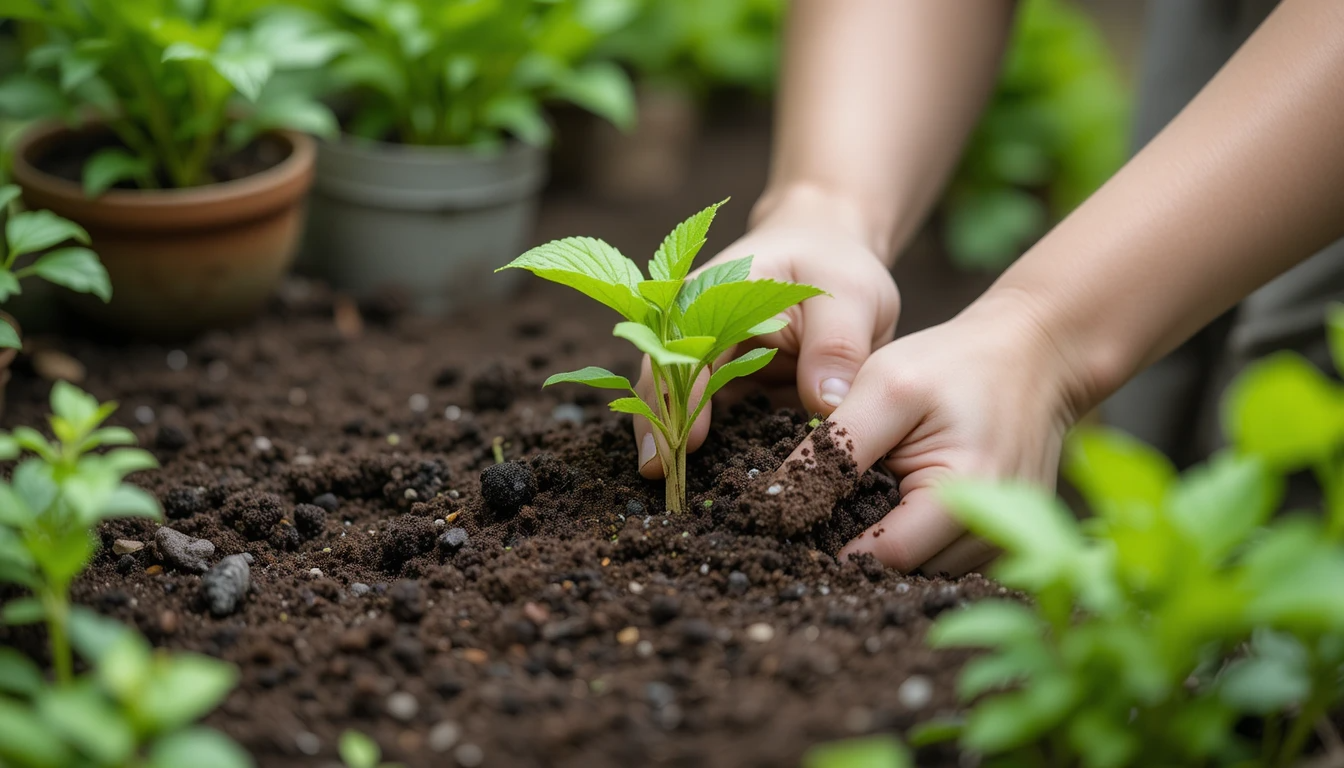
Beneath the familiar rituals of gardening—the turning of soil, the sowing of seeds, the patient tending—a quiet revolution is taking root. This transformation doesn’t replace the gardener’s intuition but amplifies it, creating a partnership between human intention and digital intelligence. Smart gardening technology is evolving from novelty gadgets into essential tools that address urgent modern challenges: climate unpredictability, resource scarcity, urban density, and our growing disconnection from natural systems. What began with simple moisture sensors has blossomed into an entire ecosystem of connected technologies that allow us to cultivate with unprecedented precision and insight, fundamentally changing our relationship with the living world we nurture.
Part 1: The Philosophy of Assisted Cultivation
Beyond Gadgets: A New Relationship with Growth
The essence of smart gardening isn’t automation for automation’s sake—it’s about creating a dialogue between gardener and garden. Traditional gardening relies on observational cues: drooping leaves indicate thirst, pale foliage suggests nutrient deficiency. Smart technology adds a layer of predictive and preventative capability, turning reactive care into proactive cultivation. It’s the difference between noticing your tomato plant is wilting at noon and receiving an alert at 8 AM that soil moisture is trending toward critical levels, allowing intervention before stress occurs.

This technological layer creates what we might call “cultivated intelligence”—a feedback loop where human understanding and machine data continuously inform one another. The gardener learns to interpret not just visible symptoms but underlying data patterns, developing a more nuanced understanding of microclimates, soil behavior, and plant physiology. Meanwhile, the technology adapts to the gardener’s preferences and local conditions, creating a truly personalized cultivation system.
The Three Pillars of Smart Gardening Philosophy
- Precision as Stewardship: Every drop of water saved through smart irrigation, every watt of energy optimized in indoor grow systems, represents not just efficiency but ethical stewardship. In an era of climate uncertainty, precision gardening reduces waste while maximizing yield—a crucial balance for sustainable food production.
- Democratization of Expertise: Historically, successful gardening required years of accumulated wisdom, often passed through generations. Smart technology encodes this wisdom into accessible systems, allowing beginners to achieve remarkable results while accelerating everyone’s learning curve through data visualization and AI-driven recommendations.
- The Continuum of Care: Smart systems transform gardening from discrete tasks (watering every Tuesday) into continuous, responsive relationships. Sensors provide constant monitoring, creating what amounts to a 24/7 caretaking presence that complements rather than replaces human attention.
Part 2: The Technology Ecosystem: From Soil to Cloud
The Sensing Revolution: The Garden’s Digital Nervous System
Modern sensors have evolved far beyond simple moisture detection, creating what amounts to a digital nervous system for the cultivated environment:
Advanced Soil Analytics: Next-generation sensors like those from Parsect or Root now measure not just moisture but nutrient levels (NPK—nitrogen, phosphorus, potassium), pH balance, salinity, and microbial activity. This comprehensive soil health monitoring allows for truly precision fertilization, applying only what’s needed when it’s needed.
Hyperspectral Imaging: Borrowing from agricultural technology, consumer-facing systems are beginning to incorporate spectral analysis that detects plant stress days before visible symptoms appear. By analyzing how leaves reflect specific light wavelengths, these systems can identify nutrient deficiencies, disease pressure, or water stress at the cellular level.
Root Zone Monitoring: Innovative sensor arrays can now map root development and health, providing unprecedented insight into what’s happening beneath the soil surface—traditionally the gardener’s greatest blind spot.
Connectivity: The Garden’s Central Nervous System
The true power of smart gardening emerges when devices communicate, creating integrated systems greater than their individual parts:
Mesh Networking: Technologies like Zigbee, Z-Wave, and LoRaWAN create resilient local networks where sensors, actuators, and controllers communicate efficiently with minimal power consumption. This allows expansive garden monitoring without burdening home Wi-Fi networks.
Edge Computing: Advanced systems now process data locally (“at the edge”) rather than sending everything to the cloud. A smart irrigation controller might analyze soil moisture trends locally to make immediate watering decisions while only uploading summary data for long-term analysis. This reduces latency and maintains functionality even during internet outages.
Blockchain-Verified Gardening: For those growing medicinal plants or selling produce, blockchain integration creates immutable records of cultivation practices. Every watering, nutrient addition, and environmental condition can be cryptographically recorded, providing verifiable proof of organic methods or specific growing conditions—a concept revolutionizing farm-to-table transparency.
Actuation and Automation: The Garden’s Muscles
Robotic Ecosystem Management: Beyond weeding robots like Tertill, new systems are emerging. Vitirover offers solar-powered mowing robots for larger spaces, while experimental systems like BUG (Bristol University Gardener) demonstrate autonomous pruning and harvesting. These represent not just labor savings but potentially more consistent and timely care than human schedules allow.
Adaptive Lighting Systems: Smart grow lights now automatically adjust spectrum and intensity throughout the day and across growth stages. Systems like MARS HYDRO’s smart controllers can simulate dawn/dusk transitions, cloudy days, or even specific seasonal light conditions to optimize plant response and energy use.
Closed-Loop Hydroponic Ecosystems: Advanced systems like Niwa (though currently paused) promised fully automated hydroponic cabinets where water was continuously tested, filtered, and rebalanced—a nearly self-sustaining ecosystem requiring only occasional nutrient resupply and harvesting.
Part 3.5: The Intelligence Layer: AI, Machine Learning, and Generative Systems
The Rise of the Gardening Co-Pilot
Artificial intelligence is transforming from simple recommendation engines to true cultivation partners:
Predictive Analytics Platforms: Services like Plenty’s data platform (now available to home growers) use machine learning algorithms that analyze your garden’s sensor data against regional climate patterns and historical growing databases to predict optimal planting times, warn of likely pest pressures, and recommend varietal selections suited to your specific microclimate.
Generative Garden Design: AI tools can now generate garden layouts optimized for your space’s specific light patterns, soil conditions, and aesthetic preferences. Input your balcony dimensions, light readings, and taste preferences, and the system designs a planting plan with companion planting relationships, succession planting schedules, and visual appeal maximized.
Computer Vision Health Diagnostics: Apps like PlantNet and LeafSnap have evolved from simple identification to diagnostic tools. Advanced versions can now analyze leaf spots, discoloration patterns, and growth abnormalities to provide specific disease or deficiency diagnoses with increasing accuracy, often surpassing beginner (and sometimes expert) human assessment.
Conversational Gardening Assistants: Emerging AI interfaces allow natural language queries: “Why are my pepper leaves curling?” The system analyzes your sensor data, recent weather, and image uploads to provide tailored advice: “Your night temperatures have dropped below 55°F three times this week, which can cause pepper leaf curl. Consider moving containers closer to the house or using a cloche on cooler nights.”
Part 4: The Human-Tech Balance: Challenges and Ethical Considerations
Navigating the Digital Dependency Dilemma
As gardens grow smarter, we must consciously preserve the aspects of gardening that feed the human spirit:
The Risk of Disembodied Gardening: There’s danger in becoming a garden manager who interacts primarily through dashboards rather than soil. The sensory experiences—the smell of damp earth, the texture of leaves, the sound of pollinators—are integral to gardening’s therapeutic benefits. Smart systems should facilitate, not replace, these embodied connections.
Data Sovereignty and Privacy: Your garden data reveals more than plant preferences—it indicates when you’re home (via irrigation patterns), what you consume, and your daily routines. As ecosystems collect more intimate data, clear standards for data ownership, usage transparency, and local storage options become crucial ethical considerations.
The Sustainability Paradox Revisited: The environmental benefit of efficient food production must be weighed against the full lifecycle impact of electronic devices. The movement toward modular, repairable devices with standardized components (advocated by initiatives like Framework Computer’s ethos applied to garden tech) represents a promising direction.
Accessibility and the Digital Divide: While technology can make gardening more accessible to those with physical limitations, cost barriers may exclude others. Community-based solutions—shared sensor networks, tool libraries that include smart devices, open-source platforms—can help democratize these tools.
The Preservation of Horticultural Wisdom
Perhaps the greatest challenge is ensuring technology transmits rather than replaces fundamental gardening knowledge. The most successful systems work as educational tools, explaining why certain actions are recommended and gradually building the user’s understanding. They become digital mentors rather than black-box solutions, empowering gardeners to eventually rely more on their cultivated judgment than on algorithmic guidance.
Part 5: Implementation Pathways: From Novice to Networked Cultivator
Phase 1: The Mindful Monitor (Beginner)
- Start with a single parameter: Begin monitoring just soil moisture or light levels. The goal isn’t automation but developing your ability to correlate data with plant responses.
- Use smartphone capabilities: Modern phones have surprisingly capable light and humidity sensors. Free apps like Sensor Logger can help you understand your environment before investing in dedicated hardware.
- Establish a digital journal baseline: Before adding technology, document your current practices and results. This creates a control group against which to measure technological improvements.
Phase 2: The Strategic Automator (Intermediate)
- Target high-impact automations: Focus on systems that address your specific constraints. Limited time? Implement smart irrigation. Poor light? Install automated grow lights. Urban pollution? Consider an automated indoor growing system for clean produce.
- Build redundancy: Ensure any automated system has manual overrides and failsafes. A smart valve should have a manual valve upstream; automated lights should have mechanical timers as backup.
- Create your first integration: Connect two systems—for example, have your weather station data influence your irrigation schedule, or set your grow lights to adjust based on ambient light sensor readings.
Phase 3: The Ecosystem Curator (Advanced)
- Develop a garden “digital twin”: Use platforms like Home Assistant to create a virtual model of your garden that mirrors real-world conditions, allowing for simulation and planning.
- Implement closed-loop systems: Create responsive ecosystems where sensor data directly triggers adjustments—when humidity drops, the misting system activates; when nutrients deplete, the dosing system responds.
- Contribute to community knowledge: Share anonymized data with projects like OpenWeatherMap’s garden data initiative or participate in citizen science projects tracking phenology (seasonal plant cycles) or pollinator activity.
- Experiment with alternative interfaces: Move beyond screens to ambient interfaces—a subtle light that changes color when watering is needed, or a gentle sound that indicates ideal harvesting conditions.
Part 6: The Future Cultivated: Emerging Horizons
Bio-Digital Convergence
The next frontier involves technologies that blur the line between biological and digital systems:
Living Sensors: Research into plant nanobionics creates plants that detect specific chemicals or pathogens and signal this through visible color changes or electrical outputs—essentially turning the plants themselves into sensors.
Mycelium Networks as Living Infrastructure: Experiments using mycelium (fungal root networks) as conductive pathways for garden sensors create biodegradable, self-repairing monitoring networks that become part of the soil ecosystem rather than foreign objects within it.
DNA Sequencing for Microbiome Management: Portable, affordable DNA sequencing could allow gardeners to analyze their soil microbiome and apply specific microbial inoculants to address imbalances or enhance particular plant functions.
The Social Garden: Networked Cultivation
Technology is enabling new forms of collaborative gardening:
Decentralized Growing Networks: Platforms that connect home growers into local networks for resource sharing (tools, seeds, harvests), knowledge exchange, and cooperative automation—imagine a neighborhood where gardens communicate to optimize water use across properties or coordinate planting for continuous harvest sharing.
Gamified Cultivation and Education: Applications that turn garden management into collaborative challenges, skill development pathways, or interactive stories, particularly engaging younger generations in cultivation practices.
Automated Preservation Systems: Smart kitchens that connect directly to gardens, receiving harvest notifications and suggesting recipes or initiating preservation processes (dehydrating, fermenting, canning) based on what’s ready and in what quantity.
Conclusion: Toward a Symbiotic Cultivation Ethos
The ultimate promise of smart gardening technology isn’t the perfectly automated, hands-free garden—that would represent a fundamental loss. Rather, the ideal future cultivates a sophisticated symbiosis: technology handles measurement, pattern recognition, and repetitive tasks with machinic precision, while humans provide creativity, aesthetic judgment, ethical direction, and the irreplaceable element of caring attention.
This partnership allows us to garden more successfully in challenging environments, to conserve precious resources, to understand plant life more deeply, and ultimately to feed both body and spirit more abundantly. The goal isn’t gardens that think for themselves, but gardens that help us think more clearly about our relationship with the living world.
As we integrate these tools, we must continually ask: Does this technology deepen my connection or distance me? Does it enhance my understanding or make gardening more opaque? Does it serve sustainable ends or create new forms of consumption and waste?
Approached mindfully, smart gardening becomes a pathway to what we might call “augmented naturalism”—using our human-made tools not to dominate nature but to listen to it more attentively, respond to it more appropriately, and collaborate with it more fruitfully. In this balanced approach, we cultivate not just plants but a more thoughtful, resonant, and sustainable way of inhabiting our shared world. The future of gardening is neither purely digital nor purely analog—it is wisely, wonderfully both.