
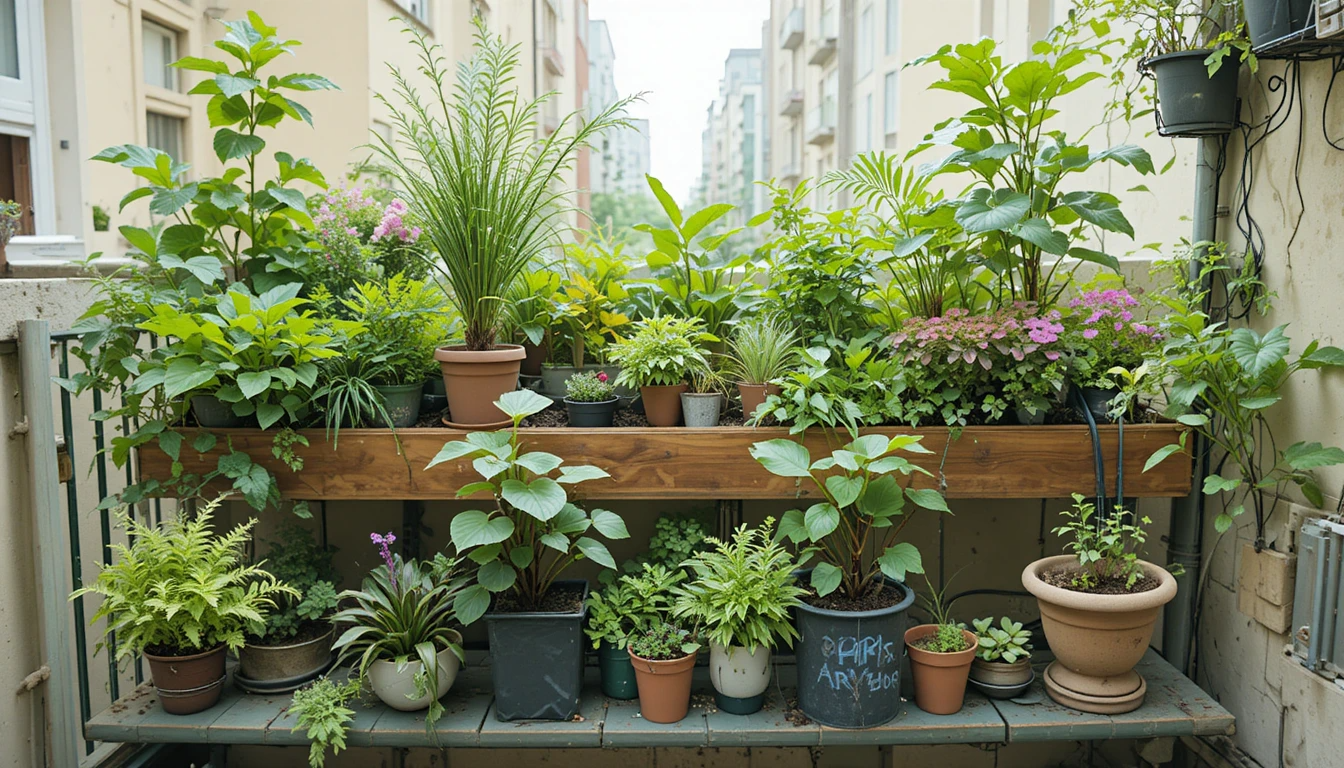
In a world increasingly aware of environmental fragility, the humble act of gardening is being transformed. It’s no longer just about cultivating beauty or harvest; it’s a profound statement of care, a hands-on practice in sustainability, and a powerful act of hope. Eco-friendly gardening, also known as sustainable or green gardening, moves beyond aesthetics to embrace an ethic of working with nature, rather than against it. It’s a holistic approach that views your garden not as a separate, controlled entity, but as a vibrant, interconnected ecosystem—a tiny node in the vast web of life.
This 3500-word guide is your deep dive into the philosophy, principles, and practical steps of creating a garden that doesn’t just take from the earth, but gives back. Whether you have a sprawling yard, a modest plot, or a sun-drenched balcony, you can cultivate a space that nourishes you, supports local wildlife, conserves precious resources, and contributes to the planet’s health.
Part 1: The Philosophical Roots—Why Eco-Gardening Matters
Before we get our hands dirty, it’s crucial to understand the “why.” Conventional gardening, influenced by post-war industrial agriculture, often relies on chemical inputs, high water usage, and practices that can degrade soil and harm biodiversity.
The Pillars of Impact:
- Biodiversity Crisis: Our landscapes have become monotonous. Perfect green lawns and non-native ornamentals offer little to pollinators, birds, and beneficial insects. Eco-gardening creates vital corridors and habitats for these creatures, supporting everything from beleaguered bees to butterfly populations.
- Soil Health is Planetary Health: Soil is not just dirt; it’s a living, breathing universe of microbes, fungi, and invertebrates. It sequesters carbon, filters water, and is the foundation of all life on land. Chemical fertilizers and pesticides destroy this delicate ecosystem. Sustainable practices rebuild it.
- Water Scarcity: In many regions, freshwater is a dwindling resource. The traditional sprinkler watering lush, non-native lawns is an increasing luxury we can no longer afford.
- Chemical Pollution: Runoff from synthetic fertilizers and pesticides contaminates waterways, causing algal blooms and dead zones, and enters the food chain.
- Waste & The Cycle of Life: The linear model of “buy, consume, dispose” is broken. Eco-gardening embraces a circular model where garden “waste” becomes a resource, feeding the next generation of growth.
Eco-friendly gardening is the antidote. It’s a tangible, daily practice that addresses these macro issues on a micro scale. It’s resilience gardening.
Part 2: The Foundation—Cultivating Living Soil
“Feed the soil, not the plant.” This is the cardinal rule. A vibrant, living soil will provide virtually everything your plants need.
- Composting: The Gardener’s Black Gold: Composting is the ultimate act of alchemy, turning kitchen scraps (vegetable peels, coffee grounds) and garden waste (fallen leaves, spent plants) into a rich, humus-filled soil amendment. It reduces landfill waste, completes the nutrient cycle, and introduces beneficial organisms. Start a simple pile or bin. Aim for a balance of “greens” (nitrogen-rich materials like food scraps) and “browns” (carbon-rich materials like dry leaves, cardboard).
- No-Till / Low-Till Methods: Tilling and excessive digging disrupt soil structure, destroy fungal networks (mycorrhizae), and bring weed seeds to the surface. The no-till approach involves layering organic matter (compost, mulch) on top of the soil, allowing earthworms and microbes to naturally incorporate it. This preserves soil life, improves water retention, and sequesters more carbon.
- Mulching: The Garden’s Blanket: A layer of organic mulch (wood chips, straw, shredded leaves, grass clippings) is a miracle worker.
- Conserves Water by reducing evaporation.
- Suppresses Weeds by blocking light.
- Regulates Soil Temperature.
- Feeds the Soil as it slowly decomposes.
- Natural Soil Amendments: Instead of synthetic, salt-based fertilizers, use:
- Compost & Well-Rotted Manure: For overall fertility.
- Leaf Mold: Fantastic for soil structure and moisture retention.
- Green Manures & Cover Crops: Plants like clover, vetch, or winter rye are grown and then turned into the soil (in a low-till system, often just cut and left as mulch) to add nitrogen and organic matter.
- Organic Fertilizers: Use sparingly, and choose options like kelp meal (for micronutrients), bone meal (for phosphorus), or alfalfa meal.
Part 3: Hydration with Intention—Water Wisdom
Water is life, and using it wisely is a cornerstone of eco-gardening.
- Right Plant, Right Place: This cannot be overstated. Group plants with similar water needs (hydrozoning). Choose native plants and drought-tolerant species (xeriscaping) that are adapted to your local rainfall patterns. A plant thriving in its ideal conditions needs far less intervention.
- Harvest the Rain: Install a rain barrel or a more complex rainwater harvesting system. This free, soft (chlorine-free) water is ideal for plants and reduces strain on municipal supplies.
- Water Deeply and Infrequently: Encourage deep root growth by watering thoroughly less often, rather than shallow daily sprinkles. This builds drought-resilient plants.
- Drip Irrigation & Soaker Hoses: These systems deliver water slowly and directly to the root zone, minimizing evaporation and runoff. They are far more efficient than overhead sprinklers.
- Timing is Everything: Water early in the morning. This reduces evaporation losses and allows foliage to dry before evening, helping prevent fungal diseases.
- Embrace Imperfection: Allow lawns to go dormant (brown) in summer droughts. It’s a natural survival mechanism, and they will green up again with autumn rains.
Part 4: Beyond Pest Control—Building a Balanced Ecosystem
The goal is not a pest-free garden (an impossible and undesirable state), but a balanced one where predators and prey keep each other in check.
- Prevention is Key: Healthy, stress-free plants are your first line of defense. Proper spacing, sunlight, and healthy soil produce resilient plants that can withstand minor pest damage.
- Welcome the Allies: Your garden needs an insectary—plants that attract and support beneficial insects.
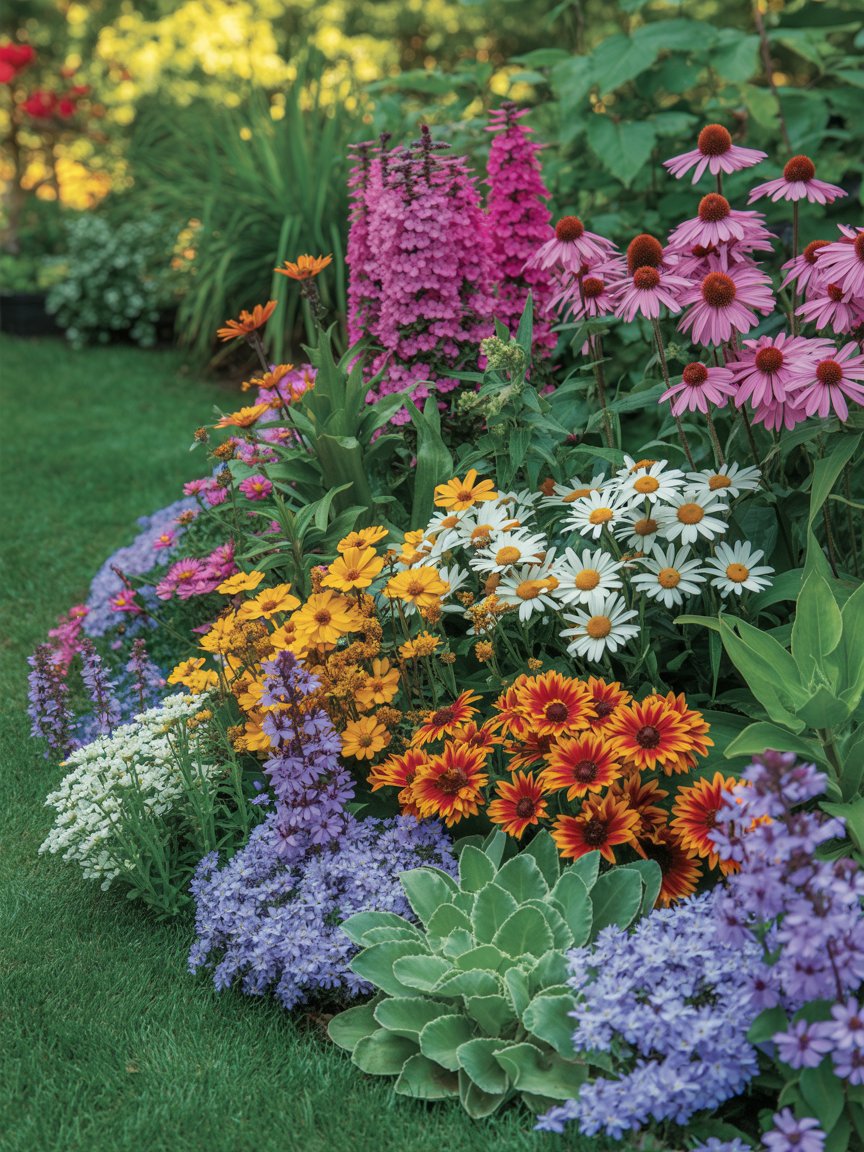
- Pollinators: Plant nectar and pollen-rich flowers like coneflower, borage, salvia, and sunflowers. Aim for blooms throughout the seasons.
- Predators: Ladybugs, lacewings, hoverflies, and parasitic wasps are voracious consumers of aphids, mites, and caterpillars. Attract them with plants like yarrow, dill, fennel, and alyssum.
- Practice Tolerance: Accept a little damage. A few holes in leaves are a sign of a living ecosystem. Observe before you react.
- Physical & Mechanical Controls: Use barriers like row covers, hand-pick large pests (like Japanese beetles), spray strong jets of water to dislodge aphids, or use traps for specific problems.
- Biological Controls: Introduce beneficial nematodes for soil-dwelling grubs or release ladybugs (from reputable sources) for acute aphid outbreaks.
- Organic & Botanical Pesticides: A LAST RESORT: Even “organic” sprays like neem oil or insecticidal soap can harm beneficial insects. Use them only as a targeted, last resort, applied at dusk when pollinators are not active. Never use systemic pesticides (like neonicotinoids), which poison the entire plant, including its pollen and nectar.
Part 5: Cultivating Life—Plants for a Purpose
What you plant defines your garden’s ecological function.
- Go Native: Native plants are the backbone of the eco-garden. They have co-evolved with local wildlife, providing the specific food and shelter needed. They are typically low-maintenance, drought-resistant, and non-invasive. Consult your local native plant society or extension service for lists.
- Embrace Diversity: Monocultures (like a vast lawn) are ecological deserts. Plant a rich variety of trees, shrubs, perennials, grasses, and groundcovers. This creates vertical layers (canopy, understory, herbaceous layer, groundcover) that support the greatest diversity of life.
- Grow Your Own Food: There is nothing more local, low-carbon, or satisfying. Even a small patio can host containers of tomatoes, herbs, and peppers.
- Practice Companion Planting: Some plants benefit each other. Basil with tomatoes, marigolds throughout the vegetable patch (to deter some nematodes and pests), and the “Three Sisters” (corn, beans, squash) are classic examples.
- Heirloom & Open-Pollinated Seeds: Save seeds from these varieties to preserve genetic diversity and adapt plants to your specific garden conditions over time.
- Create Habitat:
- Leave the Leaves in garden beds over winter as shelter for insects.
- Build a Bug Hotel for solitary bees and other beneficials.
- Install a Bird Bath (and keep it clean) for drinking and bathing.
- Leave a small, wild corner with a brush pile for amphibians, lizards, and overwintering insects.
Part 6: Beyond the Garden—Sustainable Systems & Materials
The eco-ethic extends to every choice you make in the garden.
- Lawn Reformation: The traditional lawn is the largest “crop” in the U.S., and one of the most resource-intensive. Consider:
- Reducing its size with expanded planting beds.
- Replacing it with a native groundcover, clover lawn (which fixes nitrogen), or a low-maintenance perennial meadow.
- Managing it organically if you keep it: mow high (3-4 inches), leave grass clippings, and use corn gluten meal as a natural pre-emergent herbicide.
- Reuse, Repurpose, Recycle:
- Use salvaged materials for raised beds, paths, and structures.
- Make plant labels from old blinds or yogurt containers.
- Choose durable, natural materials like untreated wood, stone, and terracotta over plastics.
- Tool & Energy Choices: Use manual tools (push mowers, rakes, hand pruners) when possible. If you use power tools, opt for battery-electric over gas-powered to eliminate emissions and noise pollution.
- Peat-Free Potting Mix: Peat bogs are vital carbon sinks and unique ecosystems. Their harvest is destructive. Choose potting mixes based on coconut coir, compost, or wood fiber.
Part 7: The Edible Ecosystem—Permaculture Principles
Permaculture is a design system for creating sustainable human habitats by following nature’s patterns. Integrating its principles elevates eco-gardening.
- Observe & Interact: Spend a year observing sun, wind, water flow, and wildlife patterns before making major changes.
- Catch & Store Energy: Rainwater harvesting, composting, and planting perennial food crops (fruit trees, berry bushes, asparagus) are all ways to capture and store energy in your system.
- Obtain a Yield: Ensure your garden provides for you—food, beauty, medicine, and peace.
- Apply Self-Regulation & Accept Feedback: Learn from mistakes. If a plant constantly struggles, move it. If pests recur, ask what imbalance is causing it.
- Use & Value Renewable Resources: Prioritize solar energy, rainwater, and plant-based materials.
- Produce No Waste: See every output as an input. Weeds become compost material, prunings become mulch or habitat.
- Design from Patterns to Details: Use natural patterns (spirals, waves, branching) in your garden layout for beauty and function.
Conclusion: A Garden of Hope
Eco-friendly gardening is not a trend; it is a return to wisdom. It is a practice of profound optimism. Each compost pile built, each native wildflower planted, each drop of rainwater saved, and each chemical foregone is a vote for a different kind of world—a world where human spaces are not separate from nature, but integrated sanctuaries within it.
This garden you cultivate will give back to you a hundredfold: in the taste of a sun-warmed berry, the hypnotic dance of a hummingbird, the deep satisfaction of soil under your nails, and the quiet knowledge that your small patch of earth is part of the healing. It may start as a few pots on a balcony or a corner of your yard, but its ripples extend outward, connecting you to the timeless cycles of growth, decay, and rebirth.
So begin. Start small, be patient, learn from your land, and let your garden grow not just plants, but a legacy of care for the living world.