
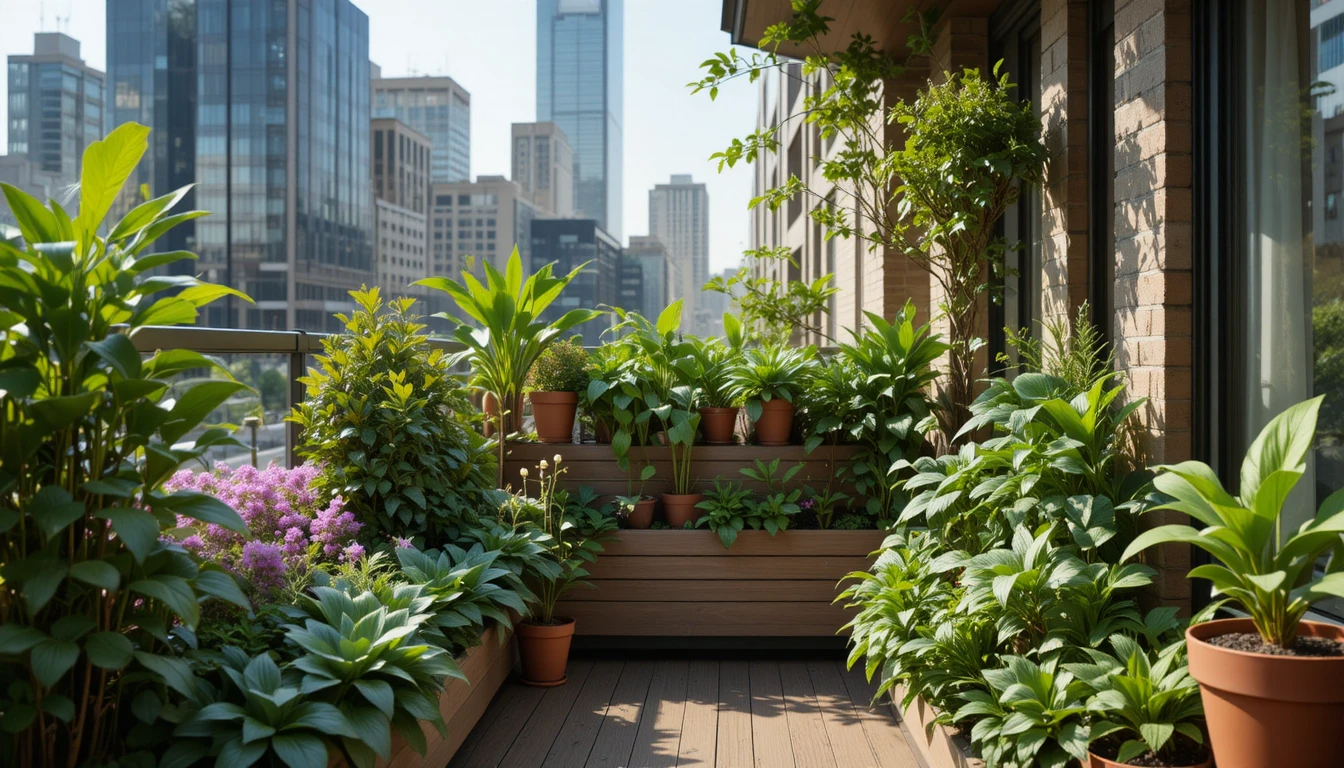
In an age where our thermostats learn our preferences and our refrigerators generate shopping lists, it was only a matter of time before our gardens got smart. Smart & Tech Gardening represents a fundamental evolution in humanity’s oldest pursuit, merging thousands of years of horticultural wisdom with cutting-edge technology. This isn’t about replacing the gardener’s intuition with cold algorithms; it’s about augmenting our senses, extending our capabilities, and creating gardens that are more resilient, productive, and accessible than ever before.
We stand at the intersection of biophilia and the Internet of Things, where moisture sensors buried in soil can text us when tomatoes are thirsty, where cameras can diagnose plant diseases before the human eye spots them, and where artificial intelligence can design garden layouts optimized for our specific microclimate. This comprehensive guide explores how technology is transforming gardening from an artisanal craft into a data-informed science, while still preserving the soulful connection that makes tending plants so fundamentally human.

Part I: The Philosophy of Tech-Enabled Gardening
Beyond Gadgets: A New Relationship with Growth
The smart gardening movement rests on three foundational philosophies:
Precision Over Presumption: For centuries, gardeners have operated on rules of thumb: “Water deeply once a week,” “Plant after the last frost.” Smart gardening replaces these generalizations with precise, data-driven insights specific to your exact conditions. It’s the difference between guessing soil moisture by appearance and knowing it measures 23% volumetric water content.
Preventative Rather Than Reactive: Traditional gardening often involves noticing a problem (yellow leaves, wilting) and responding. Smart gardening systems detect anomalies before they become visible—alerting you to dropping humidity that could invite powdery mildew or identifying nutrient deficiencies through leaf analysis weeks before yield is affected.
Democratization of Expertise: The knowledge that once took decades to accumulate is now accessible through apps and devices. A beginner with a smart garden system can achieve results that might have taken years of trial and error, flattening the learning curve while building confidence and competence.
The Augmented Gardener
The most successful tech gardens aren’t automated to eliminate human involvement but designed to enhance human connection. The technology handles measurements and mundane tasks, freeing the gardener to focus on creative design, selective breeding, and the therapeutic aspects of cultivation. This creates what we might call the “augmented gardener”—someone whose natural intuition is supported by data, whose experience is accelerated by AI, and whose capabilities are extended through robotics.
Part II: The Technology Stack — Layer by Layer
1. The Sensing Layer: The Garden’s Nervous System
Modern sensors go far beyond simple moisture detection:
Multiparameter Soil Sensors: Devices like Koubachi or Parrot Flower Power measure soil moisture, temperature, light intensity, and fertilizer levels, transmitting data wirelessly to your smartphone.
Phytomonitoring Systems: Advanced setups use sap flow sensors, fruit diameter sensors, and leaf wetness sensors to understand plant physiology in real time, data once available only to university researchers.
Environmental Sensors: Networked devices measure microclimate conditions—temperature gradients across your garden, humidity variations, wind patterns, and rainfall—creating a hyper-local weather station.
Spectroscopy & Imaging: From smartphone apps that analyze leaf color to drone-mounted multispectral cameras, imaging technology can detect plant stress, nutrient deficiencies, and disease signatures invisible to the naked eye.
2. The Connectivity Layer: From Data to Insight
Sensors are useless without systems to interpret their data:
IoT Hubs & Gateways: Devices like OpenGarden’s Hub or custom Raspberry Pi setups collect data from various sensors, often using low-power protocols like LoRaWAN or Zigbee that are ideal for outdoor environments.
Edge Computing: Instead of sending all data to the cloud, smarter systems process information locally. A smart irrigation controller might analyze soil moisture trends on-device to make immediate watering decisions while only sending summary data for long-term analysis.
Blockchain for Provenance: For those growing medicinal plants or selling produce, blockchain creates immutable records of cultivation practices—every watering, nutrient addition, and environmental condition verifiable by end consumers.
3. The Intelligence Layer: AI and Machine Learning
This is where raw data becomes actionable wisdom:
Predictive Analytics: Platforms like Plenty’s operating system (adapted for home use) analyze your garden’s data against regional climate patterns to predict optimal planting times, warn of likely pest pressures, and recommend varietals for your microclimate.
Computer Vision Diagnostics: Apps like Plantix or Agrio use your smartphone camera to identify diseases, pests, and deficiencies with increasing accuracy, often suggesting organic treatment options.
Generative Design: AI tools can design garden layouts optimized for your space’s light patterns, recommend companion planting combinations, and even predict yield based on historical data.
Conversational Interfaces: Emerging systems allow natural language queries: “Why are my tomato leaves curling?” The AI analyzes sensor data, weather history, and image recognition to provide specific, contextual advice.
4. The Actuation Layer: Automated Action
Where insight meets physical intervention:
Smart Irrigation Controllers: Systems from Rachio, Orbit B-hyve, and RainMachine connect to existing irrigation, using weather forecasts and soil moisture data to optimize watering schedules, typically saving 30-50% of water.
Robotic Gardeners: From Tertill’s solar-powered weeding robot to FarmBot’s open-source CNC planting system, robotics handle repetitive tasks with precision unattainable by humans.
Automated Indoor Gardens: All-in-one systems like AeroGarden, Click and Grow, and Rise Gardens offer complete controlled environments with optimized LED lighting and automated nutrient delivery.
Smart Greenhouses: Fully automated systems like Grobo or Leaf control every parameter—light spectrum, humidity, temperature, nutrients, CO2—allowing cultivation of anything from orchids to cannabis with laboratory precision.
Part III: The Smart Garden Ecosystem — Practical Implementation
The Entry-Level Smart Garden (Under $300)
Components:
- Smart irrigation timer (Orbit B-hyve)
- 2-3 soil moisture sensors (Xiaomi Flora)
- Weather-resistant camera for remote viewing
- Free plant diagnosis app (PlantNet, PictureThis)
Capabilities:
- Automated watering based on actual soil conditions
- Remote monitoring of garden health
- Basic pest/disease identification
- Water savings of 20-40%
The Intermediate Connected Garden ($300-$1,500)
Components:
- Full smart irrigation system with multiple zones
- Environmental sensor array (temp, humidity, rainfall, light)
- Smart garden planning software (Planter app premium)
- Automated fertilizer dosing system
- Simple robotic mower or weeder
Capabilities:
- Microclimate-aware gardening decisions
- Integrated pest management alerts
- Yield prediction and harvest planning
- Significant labor reduction in maintenance
The Advanced Smart Ecosystem ($1,500+)
Components:
- Fully automated greenhouse or indoor grow system
- Drone for aerial imaging/mapping
- AI-powered garden management platform
- Robotic planting/harvesting systems
- Hydroponic/aquaponic automation
- Blockchain integration for provenance tracking
Capabilities:
- Year-round cultivation regardless of climate
- Predictive analytics for optimal planting/harvesting
- Complete automation of routine tasks
- Laboratory-level control over growing conditions
- Verifiable organic/sustainable certification
Part IV: Space-Specific Smart Solutions
Urban & Small Space Tech Gardening
Challenges: Limited space, poor light, temperature extremes
Solutions:
- Vertical smart gardens with integrated LED lighting and irrigation
- Window farm hydroponics using recycled materials and IoT monitoring
- Balcony microclimate sensors to identify optimal plant placement
- App-controlled compact greenhouses for year-round growing
Suburban Smart Gardens
Challenges: Larger scale, diverse microclimates, pest pressure
Solutions:
- Zoned smart irrigation with soil moisture sensors in each bed
- Automated pest monitoring with camera traps and AI identification
- Drone mapping to identify drainage issues or nutrient deficiencies
- Community gardening platforms for tool/resource sharing
Rural & Farm Applications
Challenges: Scale, weather variability, labor intensity
Solutions:
- Satellite imagery integration for large-scale monitoring
- Autonomous tractors and harvesters
- IoT livestock monitoring for integrated farm systems
- Blockchain-based direct sales platforms
Part V: The Data-Driven Gardening Workflow
1. Planning & Design Phase
- Use AI garden planners that consider your USDA zone, microclimate, and goals
- Generate 3D models of your garden with predicted sun patterns throughout seasons
- Select plants based on data-driven compatibility and success rates in your area
- Order seeds through apps that track varietal performance in similar conditions
2. Planting & Establishment Phase
- Use smart planters that signal when seeds germinate
- Monitor soil conditions in real-time to optimize germination rates
- Employ automated propagators with perfect humidity and temperature control
- Track growth rates against expected benchmarks for early problem detection
3. Maintenance Phase
- Receive automated alerts for watering, feeding, and pruning
- Use robotic systems for weeding and pest removal
- Monitor plant health through regular imaging analysis
- Adjust conditions remotely based on sensor data
4. Harvest & Post-Harvest Phase
- Get precise harvest timing recommendations based on brix levels or size metrics
- Use apps to track yield and compare against predictions
- Implement smart storage with controlled atmosphere monitoring
- Analyze season data to improve next year’s planning
Part VI: Sustainability & The Smart Garden
Resource Optimization
Smart technology enables unprecedented conservation:
Water Management:
- Soil moisture-based irrigation reduces water use by 30-50%
- Rainwater harvesting systems with smart diversion and usage tracking
- Evapotranspiration-based scheduling that adjusts for actual weather
Energy Efficiency:
- Solar-powered sensors and controllers
- LED grow lights with spectrum optimization for minimal energy use
- Automated greenhouse systems that balance heating/cooling efficiently
Nutrient Management:
- Precise fertilizer application based on soil tests and plant needs
- Composting systems with temperature and moisture optimization
- Closed-loop aquaponic/hydroponic systems that recycle nutrients
Biodiversity Enhancement
Technology can actually increase ecological health:
Pollinator Tracking: Cameras and sensors monitor pollinator activity, guiding planting choices to support local species.
Integrated Pest Management: Smart traps identify specific pests, allowing targeted organic interventions rather than blanket spraying.
Wildlife Monitoring: Motion-activated cameras document garden visitors, helping create wildlife-friendly habitats.
Native Plant Optimization: Apps identify native species suited to your exact conditions, supporting local ecosystems.
Part VII: Challenges & Ethical Considerations
The Digital Divide
Cost barriers may exclude some gardeners from these tools. Community-based solutions—shared sensor networks, tool libraries that include tech, open-source platforms—can help democratize access.
Data Privacy & Security
Your garden data reveals more than plant preferences—it indicates when you’re home, your daily routines, and potentially what you consume. Clear standards for data ownership and usage transparency are essential.
Skill Erosion Risk
Over-reliance on technology could atrophy fundamental gardening knowledge. The best systems educate while they automate, explaining why certain actions are recommended.
E-Waste & Sustainability Paradox
The environmental benefit of efficient gardening must be weighed against device manufacturing and disposal. Modular, repairable systems with upgrade paths are crucial.
Loss of Connection
Therapeutic benefits of gardening come from direct engagement with soil and plants. Tech should facilitate, not replace, these hands-on experiences.
Part VIII: The Future of Smart Gardening
Emerging Technologies on the Horizon
Plant Nanobionics: MIT research is creating plants that detect specific chemicals or pathogens and signal through color changes—living sensors integrated into the garden itself.
Mycelium Networks: Experiments using fungal networks as natural, biodegradable communication systems between sensors.
Portable DNA Sequencing: Affordable devices that could analyze soil microbiome or identify pathogens instantly in the field.
Augmented Reality Gardening: AR glasses that overlay plant information, maturity indicators, or pest warnings as you walk through your garden.
Vertical Farming Integration: Home systems that connect to community vertical farms, allowing you to “remote garden” additional produce.
The Social Garden Future
Decentralized Growing Networks: Blockchain-enabled platforms for neighbors to share resources, trade produce, and collaboratively manage community gardens.
Citizen Science Gardens: Networks of home gardens contributing data to climate change research, pollinator studies, or crop development programs.
Gamified Gardening Education: Apps that turn garden management into collaborative challenges or interactive learning experiences.
Automated Preservation Systems: Smart kitchens that receive harvest alerts and suggest recipes or initiate preservation processes.
Part IX: Getting Started — A Practical Roadmap
Phase 1: The Digital Observer (Month 1-3)
- Download free plant identification/diagnosis apps
- Use your smartphone to photograph and track plant growth
- Create a digital garden journal
- Follow smart gardening communities online
Phase 2: The Connected Monitor (Month 4-6)
- Install 1-2 soil moisture sensors for key plants
- Use a smart plug to automate one aspect (grow lights, fountain pump)
- Implement a basic weather station
- Start using a garden planning app
Phase 3: The Automated Assistant (Month 7-12)
- Install smart irrigation for one garden zone
- Set up camera monitoring for remote viewing
- Implement basic automation rules (IF soil dry THEN water)
- Join a data-sharing gardening community
Phase 4: The Integrated Curator (Year 2+)
- Create a unified dashboard for all garden data
- Implement AI recommendations for planting/harvesting
- Experiment with advanced systems (hydroponics, robotics)
- Share your data/insights to contribute to collective knowledge
Conclusion: The Symbiotic Future
The smart garden of the future isn’t one that eliminates the gardener, but one that elevates them. It’s a partnership where technology handles measurement and repetition with machinic precision, while humans provide creativity, ethical direction, and the irreplaceable element of caring attention.
This technological evolution comes at a crucial time. As climate change alters growing conditions and urbanization reduces agricultural space, smart gardening offers tools for resilience—helping us grow more with less, adapt to changing patterns, and maintain food sovereignty in uncertain times.
But beyond practicality, smart gardening at its best enhances our connection to the natural world. By revealing the hidden processes of plant life—the minute-by-minute water uptake, the response to specific light wavelengths, the silent communication through soil microbes—technology can actually deepen our wonder and appreciation.
Begin simply. Choose one technology that addresses your biggest challenge or curiosity. Monitor your garden’s microclimate. Automate your watering. Try diagnosing a plant issue with an app. Let the data inform you but not dictate to you. Keep your hands in the soil.
The most intelligent garden isn’t the one with the most sensors or algorithms; it’s the one where technology serves both the plants and the gardener, creating a harmonious ecosystem that nourishes body, mind, and spirit in our increasingly digital age.
The revolution isn’t coming—it’s already growing in backyards, on balconies, and in windowsills everywhere. Your connected garden awaits.