
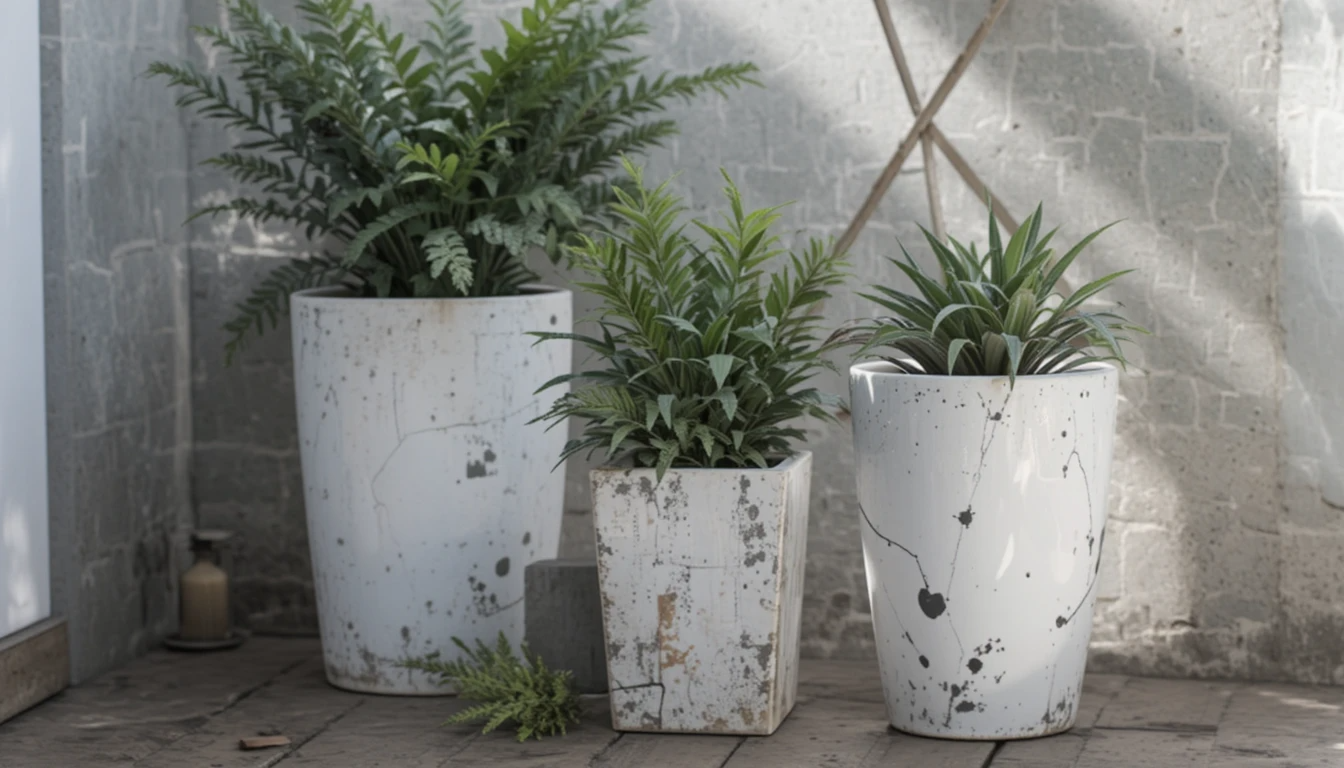
Gardening isn’t a hobby—it’s a relationship with time. It’s learning to move with nature’s rhythms rather than fighting against them. This playbook isn’t just what to plant when; it’s how to think seasonally, how to prepare, how to pivot, and how to find joy in every phase of the gardening year. Whether you’re growing on a balcony, in a backyard, or on a windowsill, these seasonal rhythms apply.
The Seasonal Mindset Shift
Think Like an Ecosystem, Not a Factory
- Factory mindset: Input → Output, Control, Predictability
- Ecosystem mindset: Observation → Response, Adaptation, Cycles
- The key question changes: From “What do I want to grow?” to “What wants to grow now?”
The Four Seasonal Personalities
- Spring: The Optimist (Everything is possible)
- Summer: The Realist (Manage expectations, deal with reality)
- Fall: The Preparer (Invest now for future returns)
- Winter: The Dreamer (Plan, reflect, imagine)
PART 1: SPRING (Months 1-3) – The Awakening
Month 1: The Thaw (Late Winter/Early Spring)
Average Temperatures: 30-50°F (-1 to 10°C)
Daylight: Increasing rapidly
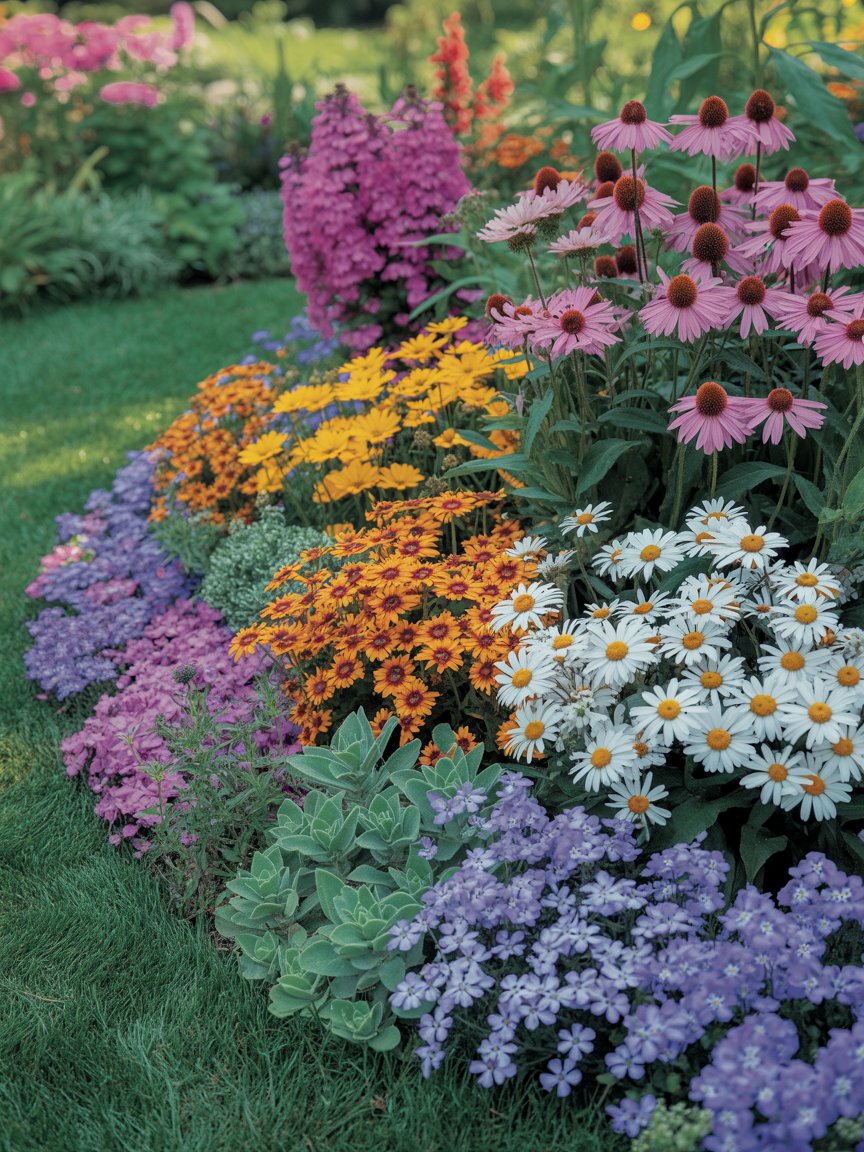
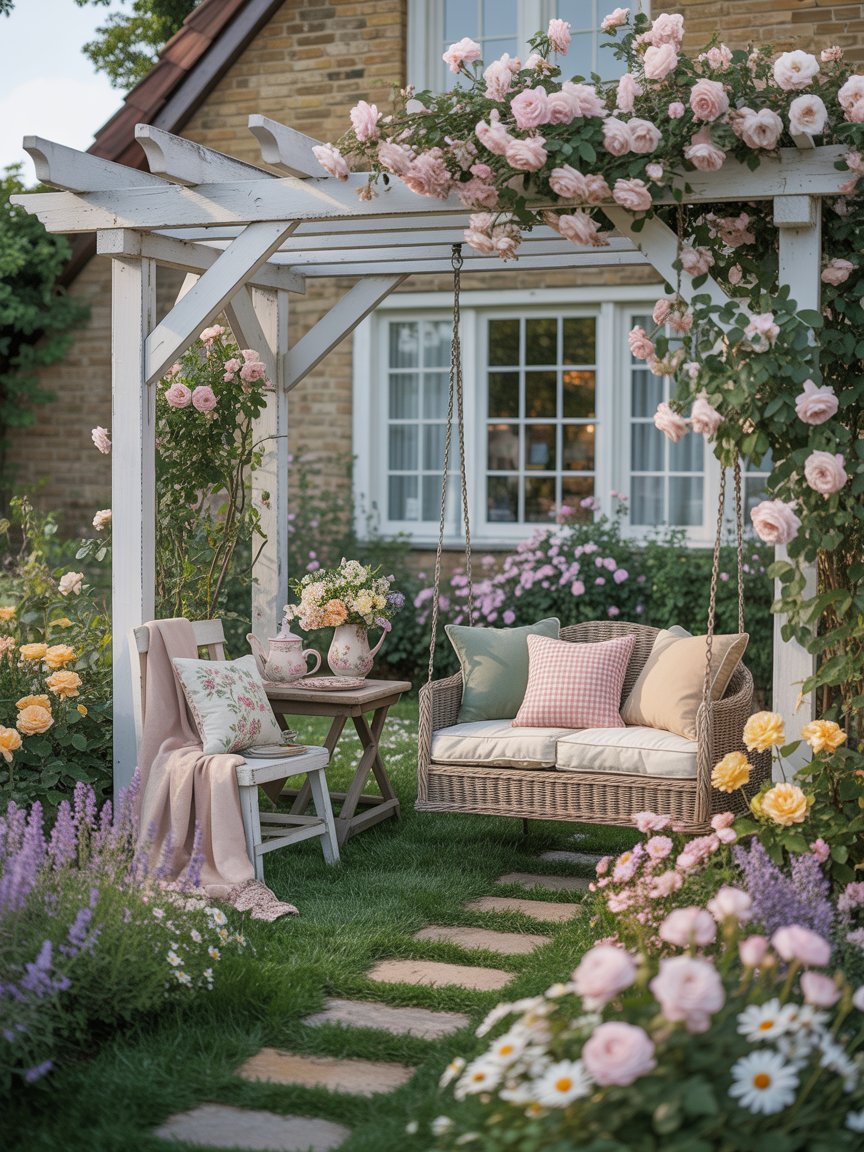
Garden Tasks:
Outdoor:
- Soil Prep: Test soil (pH, nutrients) if not done in fall
- Clean Up: Remove winter debris, but leave some for pollinators
- Prune: Summer-flowering shrubs (before buds break)
- Plan: Finalize garden layout, order seeds/plants
Indoor:
- Start Seeds: Onions, leeks, celery, parsley (10-12 weeks before last frost)
- Force Bulbs: Last chance for indoor hyacinths, paperwhites
- Houseplant Care: Begin fertilizing at half-strength as growth resumes
What’s Happening Underground:
- Soil microbes waking up
- Earthworms moving toward surface
- Roots beginning new growth before shoots
Phenology Signals (Nature’s Calendar):
- When forsythia blooms: Plant peas, spinach, lettuce
- When crocus blooms: Plant potatoes
- When lilacs leaf out: Last frost is approximately 2 weeks away
Month 2: The Quickening (Mid-Spring)
Average Temperatures: 40-60°F (4-16°C)
Daylight: 12+ hours and increasing
Garden Tasks:
Outdoor:
- Direct Sow: Peas, spinach, radishes, carrots, beets, lettuce
- Plant: Potatoes, asparagus crowns, berry bushes
- Prepare Beds: Add compost, form planting rows
- Weed: Early and often—”one year’s seeds = seven years’ weeds”
Indoor:
- Start Seeds: Tomatoes, peppers, eggplants (6-8 weeks before last frost)
- Harden Off: Begin acclimating seedlings to outdoor conditions
- Divide: Overwintered houseplants
Wildlife Notes:
- Birds nesting—be careful with pruning
- Early pollinators emerge (queen bumblebees, mason bees)
- Slug eggs hatching—set up defenses
The Spring Ephemerals:
Plant bulbs that bloom and disappear before trees leaf out:
- Trillium, Virginia bluebells, Bloodroot
- Creates layered garden interest
Month 3: The Burst (Late Spring)
Average Temperatures: 50-70°F (10-21°C)
Daylight: 14+ hours
Garden Tasks:
OUTDOOR PLANTING AFTER LAST FROST:
- Warm Season Crops: Tomatoes, peppers, eggplants, basil
- Direct Sow: Beans, corn, cucumbers, squash
- Succession Plant: Another round of lettuce, radishes
- Lawn Care: First mowing, overseeding if needed
Container Focus:
- Refresh potting soil
- Plant summer annuals
- Begin regular watering schedule
Pest Patrol Begins:
- Check undersides of leaves
- Handpick early caterpillars
- Install floating row covers for cabbage family
Spring Celebration Ritual:
- First harvest of overwintered greens
- Plant a “birthday garden” if you have spring birthdays
- Create a seasonal altar with blooming branches
PART 2: SUMMER (Months 4-6) – The Peak
Month 4: The Acceleration (Early Summer)
Average Temperatures: 60-80°F (16-27°C)
Daylight: Peak daylight hours
Garden Tasks:
Maintenance Mode:
- Water Deeply: 1 inch per week, early morning
- Mulch: 2-3 inches to conserve moisture
- Side Dress: Compost or organic fertilizer around heavy feeders
- Stake/Trellis: Before plants flop over
Planting:
- Succession Sow: Beans, carrots, beets, lettuce (shade cloth for lettuce)
- Fall Crops Start: Brussels sprouts, cabbage (indoors)
Harvest Begins:
- Daily: Lettuce, herbs, radishes
- Weekly: Peas, early carrots, greens
- Learn preservation methods for gluts
The “June Drop”:
- Fruit trees naturally thin themselves
- Don’t panic—it’s normal
- Thin further if necessary for larger fruit
Month 5: The Heat (Mid-Summer)
Average Temperatures: 70-90°F (21-32°C)
Daylight: Still long but beginning to decrease
Garden Tasks:
Survival Strategies:
- Watering: May need daily for containers, every 2-3 days for in-ground
- Shade Cloth: 30-50% for heat-sensitive crops
- Harvest Timing: Early morning for crispness, evening for flavor
- Pest Management: Peak insect activity—monitor daily
Planting:
- Fall Garden Starts: Direct sow kale, chard, broccoli, cauliflower
- Cover Crops: Buckwheat in empty beds (grows fast, suppresses weeds)
- Perennials: Divide iris, daylilies after flowering
Preservation Peak:
- Freeze: Berries, beans, herbs
- Can: Tomatoes, pickles
- Dry: Herbs, flowers
- Ferment: Cabbage, carrots
Month 6: The Transition (Late Summer)
Average Temperatures: 60-80°F (16-27°C)
Daylight: Noticeably shorter
Garden Tasks:
Looking Forward:
- Order: Garlic, bulbs, fall plants
- Start Seeds: Fall greens indoors (lettuce, spinach, kale)
- Clean Up: Remove spent plants, compost disease-free material
- Soil Prep: For fall planting—add compost
Last Chance Planting:
- 60-Day Crops: Bush beans, cucumbers, summer squash
- Perennials: Best time to plant—warm soil, cooler air
Seed Saving Season:
- Let some plants go to seed
- Label carefully
- Store properly (cool, dry, dark)
Summer Reflection:
- What thrived? What struggled?
- Take photos for winter planning
- Journal about successes and failures
PART 3: FALL (Months 7-9) – The Harvest
Month 7: The Abundance (Early Fall)
Average Temperatures: 50-70°F (10-21°C)
Daylight: Equal day and night at equinox
Garden Tasks:
Harvest Focus:
- Daily: Tomatoes, peppers, cucumbers
- Weekly: Winter squash, potatoes, onions
- Cure: Winter squash (10-14 days in warm spot), onions/garlic (dry cure)
Planting:
- Garlic: Plant 4-6 weeks before ground freezes
- Cover Crops: Winter rye, hairy vetch, crimson clover
- Bulbs: Daffodils, tulips, alliums
- Perennials: Excellent planting time
Preservation Intensive:
- Last big canning sessions
- Root cellar preparation
- Herbal medicine making (echinacea, calendula)
Pollinator Support:
- Leave some flowers for late-season pollinators
- Plant fall-blooming asters, goldenrod
- Provide water sources
Month 8: The Shift (Mid-Fall)
Average Temperatures: 40-60°F (4-16°C)
Daylight: Less than 12 hours and decreasing
Garden Tasks:
Protection & Preparation:
- Frost Protection: Have row covers, blankets ready
- Harvest: Everything tender before hard frost
- Green Tomatoes: Pick before frost, ripen indoors
- Clean Up: But not too clean—leave some habitat
Planting:
- Garlic: Still time if ground isn’t frozen
- Spring Bulbs: Tulips, daffodils, crocus
- Perennials: Last chance before winter
Soil Building:
- Add compost to empty beds
- Plant cover crops if not done earlier
- No till—let soil organisms work undisturbed
Garden Evaluation:
- Take final photos
- Record yields in journal
- Note varieties to grow again (or avoid)
Month 9: The Closing (Late Fall)
Average Temperatures: 30-50°F (-1 to 10°C)
Daylight: Short days, long nights
Garden Tasks:
Final Preparations:
- Drain Irrigation: Blow out systems before freeze
- Tool Maintenance: Clean, sharpen, oil
- Container Care: Empty or protect from freezing
- Compost: Turn pile, cover for winter
Planting:
- Last Minute: Spring-blooming bulbs if ground still workable
- Indoor Forcing: Amaryllis, paperwhites for winter blooms
Wildlife Support:
- Leave seed heads for birds
- Create brush piles for overwintering insects
- Provide fresh water as natural sources freeze
The Thanksgiving Harvest:
- Plan garden contributions to holiday meals
- Brussels sprouts, kale, carrots often still harvestable
- Herbs for cooking
PART 4: WINTER (Months 10-12) – The Rest
Month 10: The Dormancy (Early Winter)
Average Temperatures: 20-40°F (-7 to 4°C)
Daylight: Shortest days of the year
Garden Tasks:
Protection:
- Mulch: Perennials, strawberries, garlic beds after ground freezes
- Wrap: Tender trees/shrubs if needed
- Winter Harvest: Kale, Brussels sprouts, parsnips often still available
Indoor Gardening:
- Houseplants: Reduce watering, no fertilizer
- Microgreens: Countertop production
- Forcing Bulbs: Hyacinth, tulip, crocus in pots
- Seed Starting: Onions, leeks, slow-growing perennials
Planning Season:
- Review garden journal
- Order seed catalogs
- Design changes for next year
- Attend gardening workshops/webinars
Month 11: The Deep Rest (Mid-Winter)
Average Temperatures: 10-30°F (-12 to -1°C)
Daylight: Beginning to lengthen imperceptibly
Garden Tasks:
Observation & Maintenance:
- Check Stored Crops: Potatoes, onions, squash
- Prune: Dormant trees, summer-flowering shrubs
- Snow Management: Brush heavy snow off evergreens
- Animal Damage: Install protections if needed
Indoor Projects:
- Seed Organization: Inventory, test germination
- Tool Sharpening/Repair
- Build Projects: Trellises, cold frames, raised beds
- Garden Crafts: Press flowers, make herbal gifts
Winter Solstice Celebration:
- Bring evergreens indoors
- Plant a solstice garden with red/green/white theme
- Reflect on year’s cycles
Month 12: The Turning (Late Winter)
Average Temperatures: 20-40°F (-7 to 4°C)
Daylight: Noticeably longer
Garden Tasks:
Early Start:
- Start Seeds: Onions, leeks, celery, parsley (indoors)
- Winter Sowing: Milk jug method for hardy annuals
- Prune: Grapes, fruit trees before buds swell
- Soil Test: If not done in fall
Garden Cleanup (When Ground Thaws):
- Remove winter debris
- Cut back perennials left for winter interest
- Edge beds
Maple Sugaring (If Applicable):
- Tap trees when days above freezing, nights below
- Small-scale possible even with single tree
Imbolc/Candlemas Tradition (Feb 1-2):
- First sign of spring celebration
- Force branches (forsythia, pussy willow)
- Start first seeds of year
SPECIAL SECTION: Climate Zone Adaptations
Understanding Your Microclimate
Beyond USDA Zones:
- Urban Heat Islands: Cities may be 1-2 zones warmer
- Slope & Aspect: South-facing slopes warm earlier
- Water Proximity: Moderates temperatures
- Wind Exposure: Creates chill factor
Adapting the Calendar:
For Warm Climates (Zones 8-10):
- Spring Planting: Move up 4-6 weeks
- Summer: Focus on heat-tolerant varieties
- Fall/Winter: Prime growing season—plant “spring” crops in fall
- Frost Dates: May be irrelevant or very late
For Cold Climates (Zones 3-5):
- Spring Planting: Delay 2-4 weeks
- Summer: Short but intense—choose quick-maturing varieties
- Fall: Early frosts—protect or harvest early
- Winter: Long dormancy—focus on season extension
For Arid Climates:
- Water Management: Critical in all seasons
- Shade: More important than in humid climates
- Timing: Avoid midday watering, plant in evening
For Humid Climates:
- Disease Management: Air circulation crucial
- Timing: Morning watering to allow drying
- Plant Selection: Disease-resistant varieties
Moon & Astrological Gardening
Biodynamic Principles Simplified:
Moon Phases:
- Waxing Moon (New to Full): Sow/plant above-ground crops
- Waning Moon (Full to New): Sow/plant root crops, prune, harvest storage crops
- Full Moon: Harvest for immediate use, make compost
- New Moon: Rest period, planning
Moon Signs:
- Earth Signs (Taurus, Virgo, Capricorn): Root crops
- Water Signs (Cancer, Scorpio, Pisces): Leafy crops
- Air Signs (Gemini, Libra, Aquarius): Flower crops
- Fire Signs (Aries, Leo, Sagittarius): Fruit crops, harvest
Practical Application:
- Don’t stress if you can’t follow perfectly
- Use as general guideline, not rigid rule
- Observe if you notice differences in your garden
Seasonal Mind & Body Care for Gardeners
Spring:
- Body: Stretch after winter inactivity, build strength gradually
- Mind: Practice patience—don’t rush soil, don’t plant too early
- Spirit: Cultivate optimism, celebrate each new green thing
Summer:
- Body: Hydrate, sun protection, work in cooler parts of day
- Mind: Accept imperfection—pests, weather, failures happen
- Spirit: Practice gratitude for abundance, share harvest
Fall:
- Body: Prepare for cooler work, protect joints
- Mind: Reflect on lessons, let go of what didn’t work
- Spirit: Honor cycles, prepare for rest, celebrate harvest
Winter:
- Body: Rest, repair, build strength for spring
- Mind: Dream, plan, learn, imagine possibilities
- Spirit: Embrace darkness, trust in return of light
Quick-Reference Seasonal Cheat Sheets
Spring Planting Windows:
- 6+ Weeks Before Last Frost: Onions, leeks, celery (indoors)
- 4-6 Weeks Before: Broccoli, cabbage, cauliflower (indoors)
- 2-4 Weeks Before: Lettuce, kale, spinach (direct or indoor)
- After Last Frost: Tomatoes, peppers, basil, beans, corn
Summer Succession Planting:
- Every 2 Weeks: Beans, carrots, beets, lettuce
- Every 4 Weeks: Radishes, greens
- July: Start fall brassicas indoors
- August: Direct sow fall greens
Fall Planting Deadlines:
- 10-12 Weeks Before First Frost: Fall broccoli, cabbage
- 8-10 Weeks Before: Fall carrots, beets
- 6-8 Weeks Before: Spinach, lettuce, radishes
- 4-6 Weeks Before: Garlic, cover crops
Winter Projects Timeline:
- December: Order seeds, plan garden
- January: Start onions/leeks, build projects
- February: Start celery/parsley, prune trees
- March: Start tomatoes/peppers, prepare beds
The Gardener’s Seasonal Altar
Creating a Physical Reminder of Cycles:
Spring Altar:
- Empty pots, seed packets, gardening gloves
- Fresh flowers, bird feathers found in garden
- Intention: New beginnings
Summer Altar:
- Harvest basket, ripe vegetables, drying herbs
- Sun symbols, bee images
- Intention: Abundance, gratitude
Fall Altar:
- Dried seed heads, colorful leaves, pumpkins
- Preservation jars, recipes
- Intention: Harvest, preparation
Winter Altar:
- Evergreen branches, seed catalogs, bulbs
- Candles, planning journals
- Intention: Dreams, patience
Conclusion: Becoming Season-Literate
The ultimate goal isn’t just knowing when to plant tomatoes. It’s developing seasonal intelligence—the ability to read subtle signs, to work with natural rhythms rather than against them, to find the unique gifts each season offers.
A season-literate gardener:
- Notices the angle of sunlight changing
- Feels the soil temperature with their hand
- Smells the different quality of air each season
- Listens to what birds and insects are doing
- Accepts that some seasons are for doing, some for waiting
Your Seasonal Practice:
- This week: Determine your average first/last frost dates
- This month: Notice one new seasonal sign each day
- This season: Try one new seasonal ritual from this guide
- This year: Keep a seasonal journal—just a sentence a day
Gardening by the calendar is helpful. Gardening by the seasons is transformative. It connects you to something larger than your to-do list. It teaches patience, observation, humility, and hope. It reminds you that after every winter comes spring, after every harvest comes rest, and that you’re part of a cycle much older and wiser than any gardening advice.
The seasons will turn with or without you. The question is: Will you turn with them?
*Share your seasonal observations with #SeasonalIntelligence. Track the micro-changes in your unique space. We’re learning the language of the turning year together.