
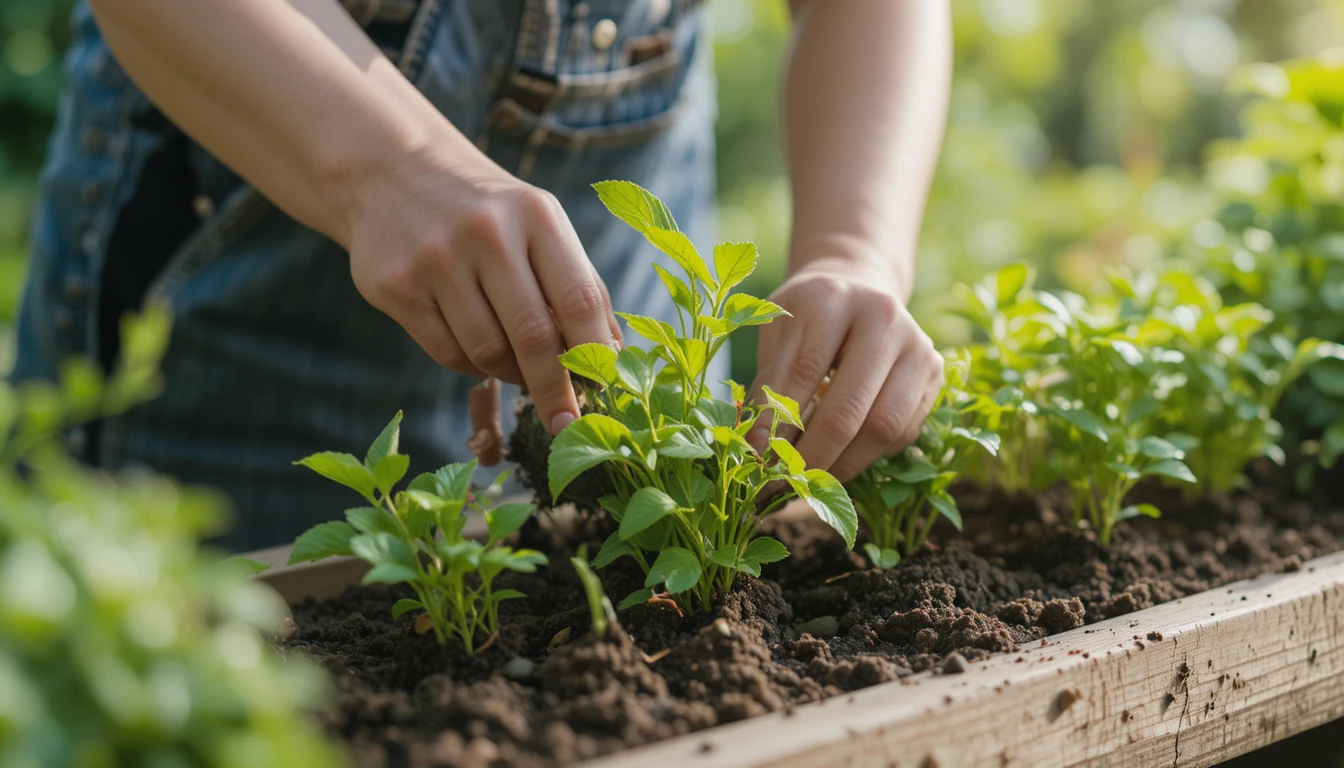
Gardening is not a static art but a fluid dance with the seasons—an ever-changing conversation between earth, sky, and seed. The most successful gardeners aren’t those with the greenest thumbs, but those who have learned to listen to seasonal rhythms and work with them rather than against them. This Seasonal Plant Playbook is your guide to this temporal wisdom, moving beyond generic “plant in spring” advice to a nuanced understanding of how to harness each season’s unique energy for a garden that thrives year-round.
We’ll explore not just what to plant when, but why—the celestial mechanics, soil science, and plant physiology that make each season distinct. This is gardening as attunement, where success comes from synchronization with nature’s deep patterns rather than brute force against them.
Part I: The Philosophical Foundation — Cyclical vs. Linear Time
Rejecting the “Endless Summer” Mentality
Modern life operates on linear time: progress, accumulation, constant availability. Nature operates cyclically: birth, growth, death, dormancy, rebirth. The seasonal gardener embraces this cycle, finding value in each phase rather than fighting to make summer last forever.
The Fourfold Garden Wisdom
Each season teaches different lessons:
- Spring: Hope, potential, beginning
- Summer: Abundance, effort, fulfillment
- Autumn: Harvest, gratitude, release
- Winter: Rest, planning, dreaming
A garden that honors all four phases develops resilience no single-season garden can match.
Phenological Gardening: Nature’s Calendar
Phenology—observing seasonal biological events—provides more reliable timing than calendar dates. Notice when:
- Forsythia blooms (plant peas)
- Lilacs flower (plant beans)
- Fireflies appear (plant cucumbers)
- Goldenrod blooms (harvest winter squash)
These natural signals account for microclimate variations that rigid calendar planting ignores.
Part II: Spring — The Awakening (Preparing & Planting)
Early Spring: The Hope Phase (Last Frost – 6 Weeks Before)
Soil Temperature: 40-50°F
Day Length: Increasing rapidly
Plant Psychology: Seeds sensing light and temperature cues for germination
Priority Tasks:
- Soil Assessment & Amendment
- Test soil temperature with a thermometer (not air temperature)
- Apply compost as soil becomes workable (not waterlogged)
- Top-dress with aged manure if heavy feeders are planned
- Cold Season Planting
- Direct Sow: Peas, spinach, arugula, radishes, carrots, beets, parsnips
- Transplant: Onion sets, leeks, asparagus crowns, rhubarb divisions
- Start Indoors: Broccoli, cabbage, kale, lettuce (6-8 weeks before last frost)
- Infrastructure Setup
- Repair trellises, raised beds, paths
- Set up season extension devices (cold frames, row covers)
- Install drip irrigation before plants need it
Pro Tip: Plant in succession—every two weeks for continuous harvest of fast crops like radishes and lettuce.
Mid-Spring: The Momentum Phase (4 Weeks Before – 2 Weeks After Last Frost)
Soil Temperature: 50-65°F
Key Signal: Dandelions in full bloom
Plant Psychology: Rapid root establishment in warming soil
Priority Tasks:
- Warm Season Prep
- Harden off indoor seedlings gradually (7-10 day process)
- Pre-warm soil with black plastic or fabric for heat-lovers
- Install trellises for climbing plants before they need them
- Planting Window
- Direct Sow: Swiss chard, more carrots, beets, turnips, kale
- Transplant: Hardened-off brassicas, lettuce, perennial herbs
- Wait: Still too early for true heat-lovers (tomatoes, peppers)
- Pest Prevention
- Floating row covers to protect from early insects
- Install cutworm collars around transplants
- Monitor for slugs as nights warm
Late Spring: The Acceleration Phase (2-6 Weeks After Last Frost)
Soil Temperature: 65-75°F+
Key Signal: Lilacs blooming
Plant Psychology: Explosive growth as days lengthen and soil warms
Priority Tasks:
- Main Season Planting
- Direct Sow: Beans, corn, cucumbers, squash, melons, okra
- Transplant: Tomatoes, peppers, eggplants, basil, sweet potatoes
- Perennials: Plant bare-root or container-grown fruit trees, berries, asparagus
- Succession Strategy
- As cool crops finish (peas, spinach), replant with warm crops
- Interplant fast radishes between slow tomatoes
- Start fall brassicas indoors for July transplant
- Moisture Management
- Apply 2-3 inches of mulch as soil warms
- Deep water new transplants to encourage deep roots
- Set up rain barrels if not already done
Spring Wisdom: “Plant when the soil is ready, not when the calendar says.” Test soil by squeezing—if it forms a muddy ball, wait. If it crumbles freely, plant.
Part III: Summer — The Abundance (Maintaining & Harvesting)
Early Summer: The Peak Growth Phase (June – Early July)
Day Length: Maximum sunlight hours
Plant Psychology: Focus on vegetative growth before flowering/fruiting
Priority Tasks:
- Training & Support
- Tie tomatoes to stakes or cages weekly
- Train cucumbers/melons onto trellises
- Hill potatoes as they grow
- Feeding Schedule
- Side-dress heavy feeders (corn, tomatoes) with compost
- Foliar feed with compost tea for quick nutrient uptake
- Monitor for deficiency signs (yellowing leaves, poor growth)
- Harvest Beginnings
- Pick leafy greens early and often to encourage more growth
- Harvest garlic/scallions when lower leaves brown
- Pick zucchini small (6-8 inches) for best flavor
High Summer: The Fulfillment Phase (Mid-July – August)
Heat Units: Cumulative warmth determines ripening
Plant Psychology: Energy shifts from growth to reproduction (fruiting)
Priority Tasks:
- Harvest Management
- Pick daily to keep plants producing
- Harvest in early morning for best flavor/crispness
- Preserve surplus (can, freeze, dry, ferment)
- Stress Mitigation
- Water deeply (1-2 inches/week) and infrequently
- Use shade cloth for heat-sensitive greens
- Mulch heavily to conserve moisture and cool roots
- Fall Preparation
- Start fall crops indoors (broccoli, cabbage, kale)
- Direct sow fall carrots, beets, turnips in late July
- Order garlic for autumn planting
Late Summer: The Transition Phase (Late August – September)
Day Length: Noticeably decreasing
Plant Psychology: Sensing seasonal change, some plants bolt or slow production
Priority Tasks:
- Succession & Replacement
- Remove spent spring crops (peas, lettuce gone to seed)
- Plant quick fall crops in vacated spaces (spinach, radishes)
- Sow cover crops in empty beds (clover, buckwheat)
- Disease Prevention
- Improve air circulation by pruning lower tomato leaves
- Remove diseased foliage promptly
- Water at soil level, not overhead
- Seed Saving
- Allow select plants to mature fully for seed saving
- Label carefully and store properly
- Share extras with gardening community
Summer Wisdom: “The best fertilizer is the gardener’s shadow.” Regular observation prevents small problems from becoming disasters.
Part IV: Autumn — The Harvest (Preserving & Preparing)
Early Autumn: The Bounty Phase (September – October)
Soil Temperature: Still warm from summer
Key Signal: First light frosts on cool nights
Plant Psychology: Final push as days shorten; some plants sweetened by cool nights
Priority Tasks:
- Main Harvest
- Harvest winter squash when stems are dry and woody
- Pick tomatoes before heavy frost (ripen indoors if green)
- Dig potatoes after vines die back
- Fall Planting
- Direct Sow: Spinach, arugula, mâche, winter radishes
- Transplant: Broccoli, cabbage, kale started in summer
- Plant: Garlic cloves, spring-flowering bulbs, perennial divisions
- Season Extension
- Set up cold frames for late greens
- Use row covers on frosty nights
- Bring herbs in pots indoors before frost
Mid-Autumn: The Preservation Phase (October – November)
Frost Frequency: Increasingly regular
Plant Psychology: Annuals dying back, perennials storing energy in roots
Priority Tasks:
- Final Harvest
- Pull root crops after light frost (carrots, parsnips sweeter)
- Harvest Brussels sprouts after frost improves flavor
- Pick remaining kale, collards, leeks
- Garden Put-to-Bed
- Remove diseased plant material (don’t compost)
- Cut back healthy annuals and compost
- Leave some seed heads for birds and overwintering insects
- Soil Building
- Plant winter cover crops (winter rye, hairy vetch)
- Apply thick layer of compost or leaves as mulch
- Test soil and amend based on results
Late Autumn: The Gratitude Phase (November – December)
Day Length: Shortest days approaching
Plant Psychology: Dormancy setting in; energy conserved in roots/bulbs
Priority Tasks:
- Infrastructure Care
- Clean and store tools properly
- Drain and store irrigation systems
- Repair beds, fences, structures
- Protection Measures
- Mulch perennials heavily after ground freezes
- Wrap young tree trunks to prevent sunscald
- Protect roses and tender shrubs with burlap or soil mounds
- Planning & Reflection
- Review garden journal: what worked, what didn’t
- Order seeds for next year
- Plan crop rotation for next season
Autumn Wisdom: “Leave something for the ecosystem.” Not every seed head needs deadheading, not every plant needs removing. Gardens support winter wildlife too.
Part V: Winter — The Dreaming (Planning & Resting)
Early Winter: The Rest Phase (December – January)
Soil State: Frozen or resting
Key Activity: Microbial life continues at slow pace under mulch/snow
Gardener Psychology: Forced pause allows reflection and dreaming
Priority Tasks:
- Indoor Gardening
- Force bulbs for winter color
- Grow microgreens on sunny windowsills
- Maintain indoor herb garden
- Tool & Infrastructure
- Sharpen, oil, repair all tools
- Build new beds, trellises, cold frames
- Organize seed starting supplies
- Education & Planning
- Attend gardening workshops/lectures
- Read gardening books missed during busy seasons
- Draw garden maps for next year
Late Winter: The Preparation Phase (February – Early March)
Light: Increasing noticeably
Key Signal: Maple trees beginning to tap
Plant Psychology: First stirrings; some seeds requiring cold stratification completing it
Priority Tasks:
- Seed Starting
- Begin onions, leeks, perennial flowers (12-14 weeks before last frost)
- Start slow-growing annuals (petunias, impatiens)
- Check stored seeds for viability
- Pruning
- Prune fruit trees before buds swell
- Cut back ornamental grasses before new growth
- Shape summer-blooming shrubs
- Early Prep
- Uncover beds on warm days to allow soil to warm
- Test germination of old seeds
- Finalize garden plan and order remaining seeds
Winter Wisdom: “The garden grows first in the mind.” Winter planning determines summer abundance more than any other factor.
Part VI: The Seasonal Skill Cycle
Skills to Master Each Season
Spring:
- Seed starting precision
- Soil assessment and preparation
- Frost protection techniques
- Succession planting timing
Summer:
- Efficient watering methods
- Pest identification and organic control
- Harvest timing for peak flavor
- Preservation techniques
Autumn:
- Season extension strategies
- Proper harvesting and storage
- Cover cropping and soil building
- Bulb and perennial planting
Winter:
- Tool maintenance
- Garden planning and design
- Seed viability testing
- Indoor growing techniques
The Gardener’s Seasonal Mindset Shift
From Spring to Summer: Shift from planning to responding, from potential to presence.
From Summer to Autumn: Shift from abundance to gratitude, from growth to harvest.
From Autumn to Winter: Shift from activity to reflection, from doing to being.
From Winter to Spring: Shift from dreaming to action, from ideas to implementation.
Part VII: Climate-Adaptive Strategies
For Short-Season Climates
- Focus on cold-hardy varieties
- Use season extenders aggressively
- Start everything indoors
- Choose fast-maturing varieties
- Maximize succession planting
For Hot-Season Climates
- Plant heat-tolerant varieties
- Use shade cloth strategically
- Plant in autumn for winter harvest
- Focus on drought-resistant species
- Mulch deeply to conserve moisture
For Unpredictable Seasons (Climate Change Response)
- Plant diverse varieties with different maturity dates
- Keep season extenders ready year-round
- Maintain detailed records to track changes
- Build soil organic matter for resilience
- Create microclimates within garden
Part VIII: The Phenological Planting Calendar
Create Your Own Local Calendar
- Year 1: Observe & Record
- Note first/last frost dates
- Record bloom times of indicator plants
- Track pest arrivals and departures
- Log planting and harvest dates
- Year 2: Refine & Adjust
- Compare to previous year
- Adjust planting dates based on observations
- Note weather patterns and effects
- Year 3+: Optimize & Predict
- Develop reliable local timing
- Anticipate based on patterns
- Share knowledge with local gardeners
Universal Phenological Signs
| When you see… | It’s time to… |
|---|---|
| Snowdrops blooming | Start peppers and eggplant indoors |
| Crocus blooming | Plant peas, spinach, arugula |
| Forsythia blooming | Plant potatoes, beets, carrots |
| Dandelions blooming | Plant beans, corn, squash |
| Lilacs in full bloom | Plant cucumbers, melons, basil |
| Daylilies blooming | Plant fall brassicas indoors |
| Goldenrod blooming | Plant garlic, harvest winter squash |
| Oak leaves full size | Frost danger has passed (usually) |
Part IX: The Seasonal Kitchen Connection
Eating with the Seasons
Spring Meals Feature: Fresh greens, radishes, peas, asparagus, green garlic
Summer Meals Feature: Tomatoes, zucchini, beans, corn, basil, berries
Autumn Meals Feature: Squash, potatoes, carrots, kale, apples, grapes
Winter Meals Feature: Stored roots, fermented vegetables, preserved fruits, indoor greens
Preservation Timeline
Early Summer: Preserve herbs (dry, freeze), make pesto
High Summer: Can tomatoes, pickle cucumbers, freeze berries
Late Summer: Dry beans, make sauerkraut, can fruit
Autumn: Cure and store squash/potatoes, make apple sauce, freeze pumpkin
Conclusion: The Eternal Return
The seasonal garden teaches us profound lessons about time, change, and our place in natural cycles. Each year, we participate in the ancient rhythm of decay and renewal, of emptying and filling, of releasing and receiving.
This playbook is not a rigid prescription but a framework for developing your own seasonal intuition. Start by observing. Notice when the first robin appears, when the soil becomes workable, when the light takes on that particular golden quality of autumn. Garden with these cues as your guide.
Keep a garden journal. Not just what you planted, but what you felt, what you noticed, what surprised you. Over years, this becomes your most valuable gardening tool—a record of your particular patch of earth through seasons and years.
Remember that mastery comes not from controlling the seasons but from harmonizing with them. The seasonal gardener doesn’t fight the first frost but prepares for it. Doesn’t mourn summer’s end but celebrates autumn’s arrival. Finds beauty in each phase, purpose in each task, wisdom in each cycle.
Your garden awaits its seasonal expression. May you dance well with the turning year, finding in each season its particular gifts, its specific lessons, its unique form of abundance. The wheel turns, and we turn with it, learning, growing, and finding our place in the great green rhythm of the world.