
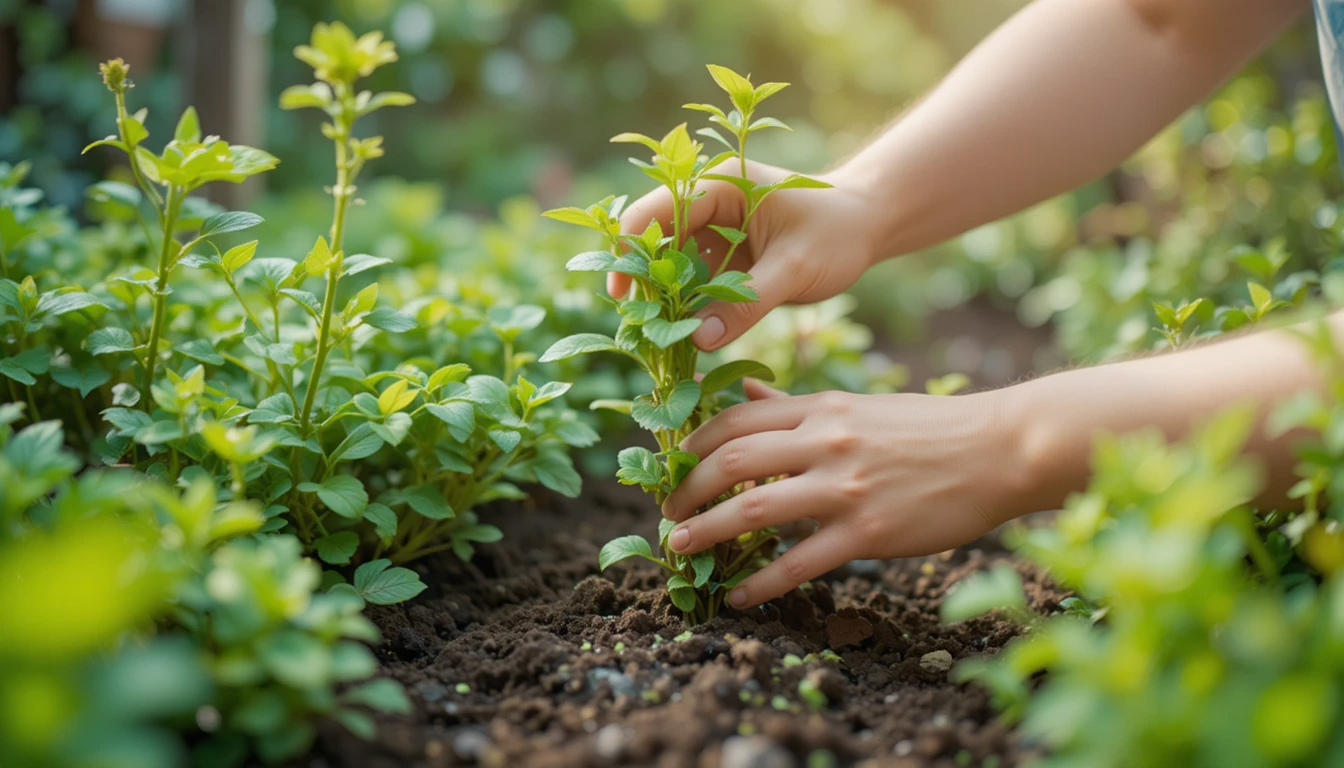
There is a profound difference between placing a plant in a room and styling a space with plants. The former is decoration; the latter is transformation. It is the art of bridging the gap between the wilderness and the domestic, of inviting untamed life into our constructed environments and allowing it to rewrite the story of our spaces. This is plant styling—not an interior design trend, but a philosophical approach to living that recognizes plants not as accessories, but as co-inhabitants, collaborators in crafting atmospheres that breathe, change, and nurture.
This practice moves beyond “where to put a fiddle leaf fig” to ask deeper questions: How does the shadow of a monstera leaf transform afternoon light into a moving mural? How can the scent of jasmine or the sound of a palm frond brushing a wall recalibrate our nervous systems? We are not merely arranging greenery; we are conducting an alchemy that turns brick, glass, and steel into ecosystems, and houses into habitats for the human spirit.
Part 1: The Philosophy of the Styled Space – Beyond Aesthetics
The Biophilic Imperative Reimagined
Biophilia—the innate human affinity for nature—is the foundation, but plant styling is its sophisticated expression. It’s the conscious, curated application of this instinct. While biophilic design principles advocate for natural light and materials, plant styling introduces the dynamic, responsive element of life itself. A styled plant isn’t just an object; it’s a subject. It grows toward light, unfurls new leaves, responds to touch, and follows its own silent, persistent timeline. To style with plants is to embrace this dynamism, to design with a partner that has its own agency.
The psychological payoff is immense. Studies show that spaces with well-integrated plants don’t just reduce stress; they increase cognitive restoration, enhance creativity by up to 15%, and foster a sense of “soft fascination” that allows the overworked mind to rest. A styled plant space isn’t just pretty; it’s neurologically therapeutic.
From Consumer to Curator: The Mindset Shift
The first step in plant styling is an identity shift: from being a consumer of plants to a curator of a living collection. This changes everything:
- You prioritize narrative over novelty. Each plant is chosen not because it’s trendy, but because it contributes to the story of the room—its texture, scale, and spirit.
- You embrace the dialogue. You learn to listen to the plant’s needs (light, humidity) and respond, but you also ask the plant to perform a role in your visual composition. It’s a reciprocal relationship.
- You accept the ephemeral. A styled arrangement is a temporary masterpiece. A plant will outgrow its spot, a leaf will yellow, a shape will change. The beauty is in the curation of this ongoing process, not in a frozen image of perfection.
Part 2: The Principles of Botanical Composition – The Visual Grammar
Plant styling has its own grammar, a set of principles that create harmony, rhythm, and meaning within a space.
1. The Rule of Uneven Thirds
Forget symmetry. Nature is gloriously asymmetrical. The most compelling arrangements use odd numbers (3, 5, 7) and employ the “rule of thirds” visually. Divide your shelf or console into three imaginary sections. Place your visual anchor (your “thriller” plant) at one intersection point, not in the center. This creates dynamic tension and movement.
2. Texture as Language
This is the most underutilized and powerful tool. The interplay of textures creates depth and tactile appeal. It’s a conversation between leaves:
- The Velvet Whisper: Philodendron micans, Purple Passion Plant (Gynura).
- The Architectural Statement: Snake plant, ZZ plant, most succulents.
- The Lacy Delicacy: Maidenhair fern, Asparagus fern.
- The Glossy Shout: Rubber plant (Ficus elastica), Monstera deliciosa.
- The Sprawling Cascade: String of Pearls, Pothos, Creeping Fig.
Style by placing a velvet whisper next to an architectural statement. Let a glossy shout rise above a lacy delicacy. The contrast is what sings.
3. The Art of Negative Space (Ma)
In Japanese aesthetics, Ma is the purposeful, respectful space between objects. It is not empty, but full of potential and resonance. In plant styling, this means giving your statement plants room to breathe. A single, perfect Bird of Paradise in a beautiful pot, isolated on a blank wall, has more power and serenity than a cluttered jungle. The wall becomes part of the composition, the frame for the living art. Negative space allows the eye to rest and the plant’s form to be fully appreciated.
4. Layering: Creating a Canopy Indoors
A flat plane of greenery is static. To create immersive, naturalistic depth, think in three vertical layers, mimicking a forest:
- The Canopy (High): Hanging planters (macramé with Rhipsalis), tall floor plants (Fiddle Leaf Fig, Ficus Benjamina), plants on high shelves.
- The Understory (Mid): Plants on tables, consoles, mid-height plant stands (Prayer Plants, Alocasias, larger Philodendrons).
- The Forest Floor (Low): Trailing plants spilling from shelves (String of Hearts), clumping plants in low pots (Pileas, Peperomias), moss gardens.
This layered approach makes a corner feel like a secluded grove, not just a collection of pots.
Part 3: The Vessel as Voice – The Alchemy of Pot and Plant
The pot is the pedestal, the frame, the interlocutor between the wildness of the plant and the order of your home. Its choice is half the styling battle.
The Dialogue of Material and Form
- The Brutalist Vessel (Concrete, Raw Terracotta): Communicates strength, stability, modernity. It grounds a plant with wild foliage (like a sprawling Monstera) or elevates a simple, structural form (like a Snake Plant). It says, “This is an architectural feature.”
- The Organic Vessel (Unglazed Ceramic, Wicker, Moss-lined Baskets): Speaks of earth, craft, and softness. It complements ferns, Calatheas, and trailing vines. It whispers, “This is a piece of the forest.”
- The Refined Vessel (Glazed Ceramic, Porcelain, Metallic Finishes): Brings polish, color, and artistry. It can contrast beautifully with a rugged plant or complement a delicate one. A glossy, cobalt blue pot can make a simple Pothos look like a jewel. It declares, “This is curated beauty.”
The Golden Rule of Proportion: The pot should be roughly one-half to two-thirds the height of the total plant (soil to leaf tip). A common error is dwarfing a large plant with a tiny pot, making it look unstable and stunted.
The Secret of the Double Pot (Cachepot)
For the stylist, the nursery pot inside a decorative cachepot is a superpower. It allows for:
- Seasonal Re-styling: Change your cachepot with the seasons—a bright ceramic for summer, a neutral weave for winter—without disturbing the plant’s roots.
- Easy Health Checks: Simply lift the inner pot to check for root health and moisture.
- Protection: Prevents water damage to precious baskets or wooden surfaces.
Part 4: The Styled Ecosystem – Room as Habitat
Each room in your home has a distinct personality, microclimate, and purpose. Plant styling honors this.
The Living Room: The Public Narrative
- Goal: Create focal points, define conversation areas, express your aesthetic narrative.
- Styling Moves: Use a large floor plant as a room divider (Dracaena ‘Janet Craig’ behind a sofa). Create a textural vignette on a media console: a tall, sculptural Sansevieria (thriller), a bushy Philodendron ‘Birkin’ (filler), and a trailing Scindapsus pictus (spiller) in complementary pots. Let a mature Pothos traverse a bookshelf, weaving green between book spines.
The Bedroom: The Sanctuary of Rest
- Goal: Promote calm, purify air for sleep, use non-stimulating forms.
- Styling Moves: Focus on air-purifying, oxygen-releasing plants like Snake Plants and Peace Lilies. Avoid spiky, overly busy, or large-leaved plants that can feel imposing in the dark. A simple hanging terrarium with a single air plant (Tillandsia) or a small, fragrant Jasmine on a nightstand can work wonders. The principle is gentleness.
The Bathroom: The Humid Oasis
- Goal: Exploit humidity, create spa-like luxury, add life to hard surfaces.
- Styling Moves: This is the realm of the tropical understory. Ferns (Bird’s Nest, Maidenhair) on floating shelves, Orchids on the counter, a Pothos trailing from the shower caddy. If there’s no window, opt for ultra-tolerant ZZ plants or Aglaonemas and treat them as rotating guests—bringing them out for light holidays. The steam is their elixir.
The Home Office: The Focus Chamber
- Goal: Reduce cognitive fatigue, boost concentration, provide visual “green pauses.”
- Styling Moves: Position a medium-sized plant with gentle movement (a Ponytail Palm, a Money Tree) just outside your direct sightline. Its subtle motion provides micro-breaks for your eyes. A succulent or cactus on the desk offers a low-maintenance, sculptural presence. Research confirms a well-styled green workspace boosts productivity and reduces stress.
Part 5: Beyond the Green – Composing the Holistic Scene
Plant styling reaches its zenith when plants are integrated into a broader material narrative.
- The Elemental Mix: Pair your Fiddle Leaf Fig with a raw wood side table, a rough linen throw, and a smooth river stone as a paperweight. Combine textures from nature: plant (life), wood (structure), stone (permanence), fiber (softness).
- The Play of Light: Style with an awareness of how light interacts. Place a Staghorn Fern where the setting sun will backlight its antler-like fronds, creating a silhouette. Use a Sheer curtain to diffuse light through a Boston Fern, casting a dappled shadow pattern reminiscent of a forest floor.
- The Sound of Life: Introduce a small tabletop fountain near a grouping of ferns. The sound of water complements the visual stillness of plants, amplifying the serene, natural ambiance.
- Embracing the Archive of Life: The brown tip on a leaf, the asymmetrical growth from chasing light, the moss growing on the terracotta—these are not flaws to be hidden. They are the plant’s biography, a record of its life in your care. They add authenticity and depth that no perfect plastic replica ever could. Style includes this history; it honors the process.
Conclusion: The Never-Ending Dialogue
Plant styling is not a project with a finish line. It is a practice, a lifelong dialogue with the living world. It begins with a single plant placed with intention. You observe how it changes the light, the mood, the feel of the room. You learn its language. You add another, considering the conversation between them. You swap a pot, you propagate a cutting, you mourn a loss, you celebrate a new leaf.
Your space becomes a living diary. The styling evolves as you and your plants evolve. The ultimate goal is not a static image of perfection, but a dynamic, breathing home that reflects the beautiful, messy, ever-changing process of life itself.
Start the conversation. Choose one plant that speaks to you. Not the trendiest, but the one whose texture, form, or spirit resonates. Place it not where you think you should, but where it feels right. Care for it. Listen to it. And let it begin to style you, in return, into a more observant, patient, and connected inhabitant of your own aesthetic space.