
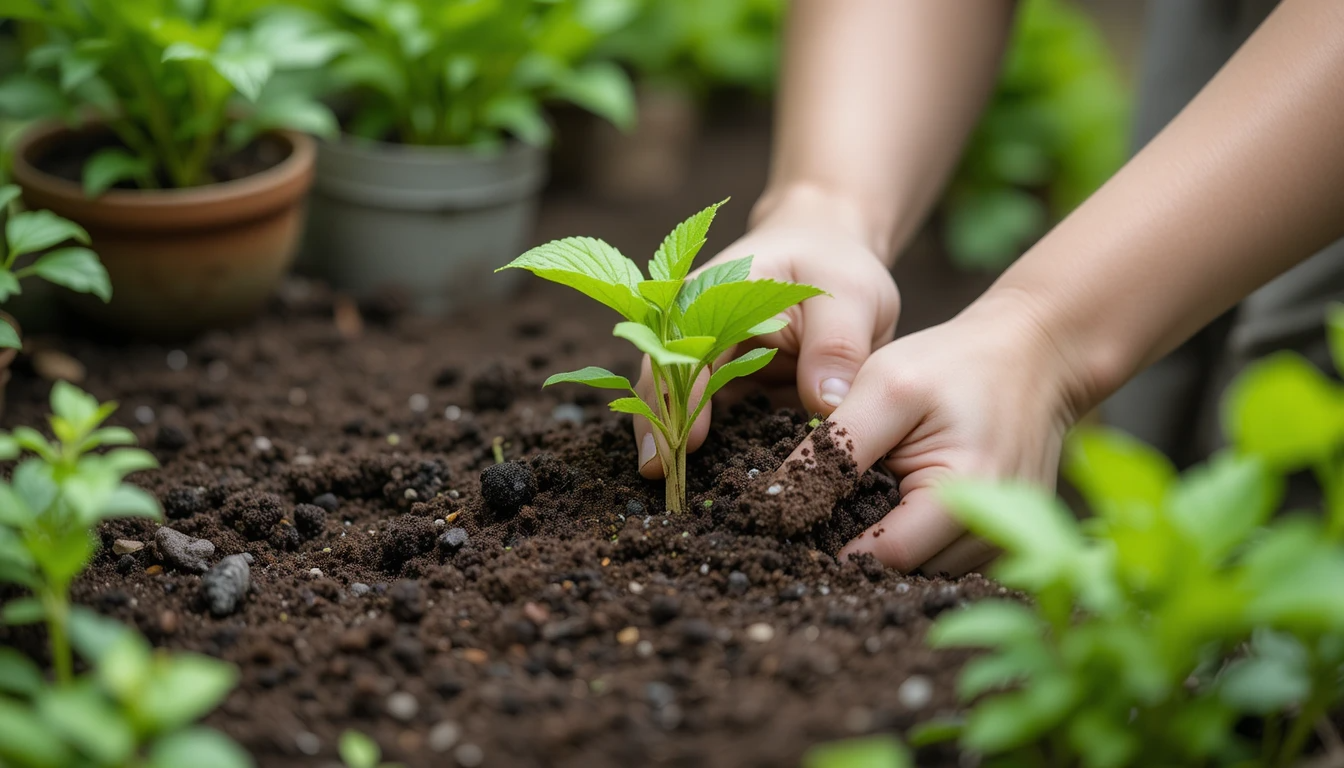
Forget the complicated charts, the overwhelming seed catalogs, and the pressure for a perfect Instagram garden. Growing your own food is a simple, ancient act. It’s putting a seed in soil, adding water and sun, and waiting for magic. This guide strips it back to the pure essentials—what you actually need to know to get real food from your own space.
Part 1: The Only 4 Things Plants Need
This isn’t rocket science. It’s dirt science. And it’s simple.
1. Light: The Non-Negotiable Fuel
Plants eat sunlight. No sun, no food. It’s that simple.
- Full Sun means 6+ hours of direct, unfiltered sun. This is for tomatoes, peppers, cucumbers, squash, beans, and most herbs. If you want fruit, you need full sun.
- Part Sun/Shade means 3-6 hours. This is for lettuce, kale, spinach, carrots, radishes, and parsley. They like it cooler.
- Full Shade means less than 3 hours. Stick to ornamentals here, or get very creative with leafy greens.
Do This: Watch your space for a full day. Where does the sun actually hit? Be brutally honest. Match your plants to your real light, not your dream light.
2. Soil: It’s Alive. Feed It.
Soil isn’t dirt. It’s a living city of microbes, fungi, and worms that work for your plants.
- For Pots: Use potting mix, never soil from the ground. It’s fluffy and drains well.
- For Ground: Add compost. Every year. Just dump 2-3 inches on top and mix it in. Compost is not fertilizer; it’s food for the soil life that then feeds your plants. It’s the single best thing you can do.
3. Water: Deep Drinks, Not Sprinkles
Forget a schedule. Water when the top inch of soil is dry. Then, water deeply—until it runs out the bottom of the pot or sinks deep into the ground. This trains roots to grow down, making plants strong and drought-tolerant. Shallow daily sprinkles make weak, needy plants.
4. Space: Don’t Crowd the Party
Plants need room to breathe. That tiny seedling will get big. Follow the spacing on the seed packet. If you’re planting in a pot, give each plant its own territory. Crowded plants get sick and produce less.
Part 2: The Starter Kit (You Probably Own Most of This)
You don’t need a shed full of tools. You need:
- Something to grow in: A pot with holes, a bucket you drilled holes in, a raised bed, a patch of earth.
- Bag of potting mix (for pots) or compost (for ground).
- A watering can or hose with a gentle shower setting.
- Seeds or starter plants. For instant success, buy small “transplants” (baby plants) of tomatoes, peppers, or herbs from a garden center. For fun, plant seeds of radishes, beans, peas, or lettuce straight into the soil.
- Your hands. Optional: gloves.
Part 3: The “Can’t-Kill-It” First Garden
Start here. Build confidence.
The Sunny Spot (6+ hours of sun):
- A Cherry Tomato Plant: Buy one transplant. Put it in a big pot (at least 5 gallons) or in the ground. Give it a cage to climb. Water when dry. Wait for sunshine. Harvest hundreds of sweet tomatoes.
- A Basil Plant: Buy one transplant. Snip leaves often to make it bushy. Eat with your tomatoes.
- A Pot of Bush Beans: Plant seeds 1 inch deep, 4 inches apart, in a large, deep pot or in the ground after frost has passed. They grow fast. Pick when slim and tender.
The Shady/Part-Sun Spot (3-6 hours):
- A Pot of Lettuce: Plant seeds ¼ inch deep, scatter them, or buy a mixed “mesclun” transplant. Snip leaves with scissors when 4-6 inches tall. It will grow back 2-3 times.
- A Pot of Radishes: Plant seeds ½ inch deep. Thin to 2 inches apart. In 25-30 days, pull them up. Instant gratification.
- A Kale Plant: Buy one transplant. It will survive almost anything, even light snow. Harvest outer leaves.
Part 4: The Simple Rhythm
- Spring (after last frost): Plant your tomatoes, peppers, beans, cucumbers, basil.
- Summer: Keep them watered. Pick things when they look ready. The more you pick, the more they make.
- Late Summer: Plant more lettuce, radishes, spinach for a fall harvest.
- Fall/Winter: Clean up. Maybe plant garlic. Rest. Look at seed catalogs and dream.
Part 5: Troubleshooting (The Short List)
- Plant looks sad? Check if it’s dry (water) or sopping wet (stop watering, needs better drainage). Check for bugs.
- Holes in leaves? Probably bugs. Spray them off with a strong jet of water. Look for big green caterpillars on tomatoes (pick them off).
- Yellow leaves? Often means too much water. Or it’s just an old leaf; pluck it off.
- Nothing is growing/fruiting? Not enough sun. Move it next year, or grow leafy things there instead.
The Real Essential
The real essential isn’t a tool or a rule. It’s watching. Go look at your plants every day or two. Not to do something, just to see. Notice a new leaf. See if the soil is dry. Spot a bug before it’s an army. This habit of paying attention is what makes a gardener. The plant will tell you what it needs.
Growing your own isn’t about perfection. It’s about participation. It’s about tasting a strawberry still warm from the sun. It’s about the crunch of a radish you pulled 30 seconds ago. It’s about knowing that you can nurture life.
Start with one pot. One plant. See what happens. The worst that can happen is you learn something. The best is a meal you’ll never forget.