
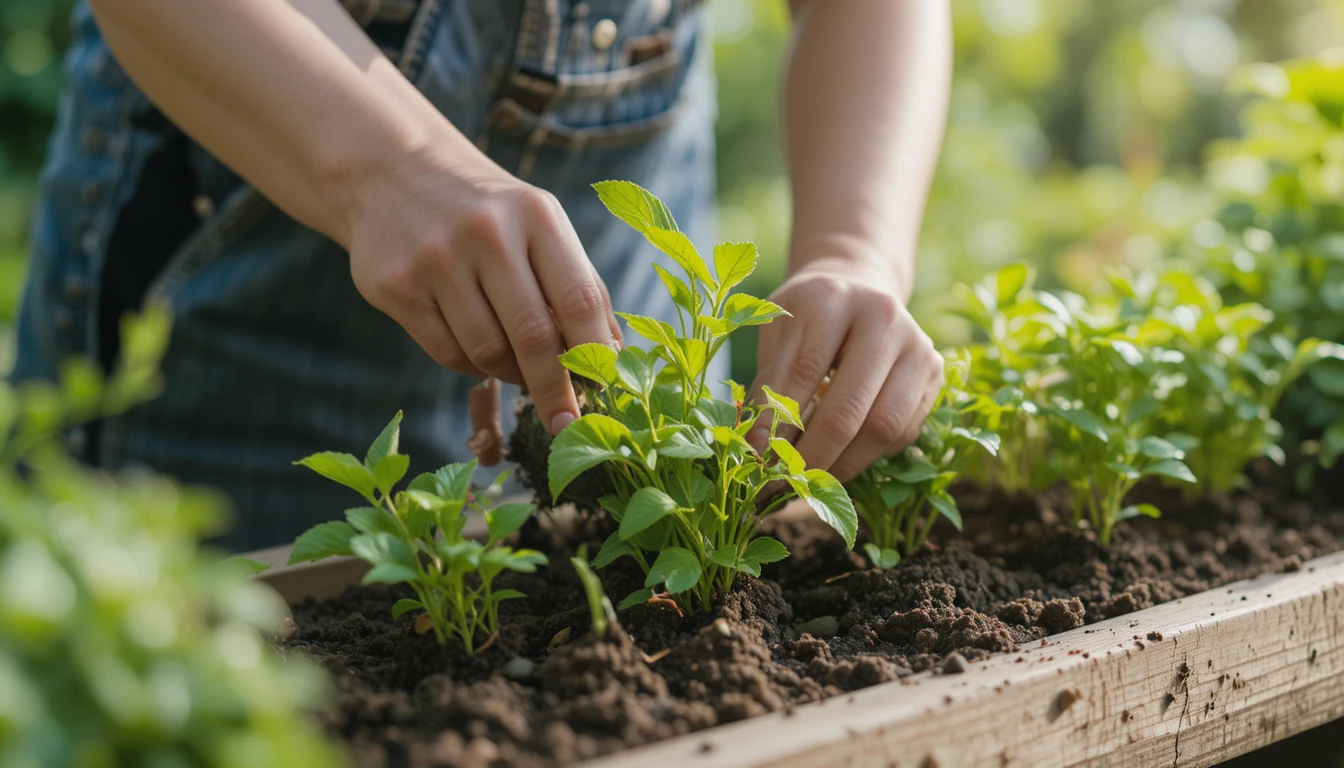
We are witnessing a quiet but profound revolution taking root across backyards, balconies, and windowsills worldwide. The Grow-Your-Own (GYO) movement has evolved from nostalgic hobby to essential life skill—a response to our collective yearning for connection, sustainability, and sovereignty in an increasingly disconnected world.
This isn’t your grandmother’s vegetable patch (though her wisdom is more valuable than ever). Modern GYO combines time-tested growing principles with contemporary solutions for urban spaces, busy schedules, and changing climates. Whether you have acres or just a sunny windowsill, this guide provides the essential framework to cultivate genuine abundance—in your garden, your kitchen, and your wellbeing.
Chapter 1: The Philosophy of Enough—Why We Grow
Beyond Economics: The True Yield
While saving money on groceries is a popular starting point, seasoned growers understand that the real harvest is far more valuable:
1. Food Sovereignty in Practice
Knowing exactly where your food comes from—from seed to plate—represents the ultimate transparency. In an age of complex supply chains and questionable agricultural practices, growing even 10% of your produce represents a powerful reclaiming of autonomy.
2. Nutritional Optimization
The moment produce is harvested, its nutritional value begins declining. Supermarket vegetables have often traveled days or weeks, losing vital nutrients during transport and storage. Homegrown food consumed within hours of harvesting retains maximum vitamins, minerals, and phytochemicals. That basil leaf you snip moments before eating contains exponentially more beneficial compounds than its store-bought counterpart.
3. The Mental Health Harvest
Multiple studies confirm what gardeners have always known: working with soil is therapeutic. The combination of physical activity, connection to natural cycles, and the tangible results of your labor creates a powerful antidote to modern anxiety. Mycobacterium vaccae, a beneficial soil bacterium, has been shown to stimulate serotonin production—literally making gardeners happier.
4. Ecological Stewardship
Your garden, no matter how small, becomes a biodiversity hotspot. By choosing heirloom varieties, avoiding pesticides, and creating habitats for pollinators, you contribute to local ecosystem health. Each garden becomes part of a patchwork of green spaces that support insects, birds, and microorganisms.
Chapter 2: The Essential Mindset—Principles Before Practice
Embrace the Learning Curve
Every dead seedling and pest infestation teaches more than any success. Adopt these foundational attitudes:
1. Start Small, Think Big
The most common mistake is planting an ambitious garden that becomes overwhelming. Begin with three containers or a 4×4 foot bed. Master those before expanding. Success builds confidence far better than grandiose plans.
2. Observe Like a Naturalist
Your garden will communicate if you learn its language. Notice which plants perk up after rain, where shadows fall at different times of day, which insects visit regularly. This daily observation is more valuable than any gardening book.
3. Work With Your Biome
Forget trying to grow what Pinterest tells you to. Grow what thrives in your specific conditions. Live in a hot, dry climate? Embrace Mediterranean herbs, peppers, and drought-tolerant natives. In a cool, coastal area? Focus on leafy greens, brassicas, and root vegetables. Fighting your environment is exhausting; cooperating with it is rewarding.
4. Embrace Productive “Failure”
Not every plant will thrive. Some seeds won’t germinate. Pests will appear. This isn’t failure—it’s data collection. Each “mistake” teaches you about your microclimate, soil, and growing style.
Chapter 3: The Non-Negotiables—What Plants Actually Need
Plants, like people, have fundamental requirements. Meeting these consistently is 90% of gardening success.
1. LIGHT: The Currency of Growth
Understanding Light Levels:
- Full Sun (6-8+ hours): Fruiting plants (tomatoes, peppers, cucumbers, squash), most herbs, and many flowers.
- Partial Sun (4-6 hours): Leafy greens, root vegetables, some herbs (parsley, cilantro).
- Bright Indirect/Partial Shade (2-4 hours): Many leafy greens in hot climates, some culinary herbs (mint, lemon balm).
- Full Shade (<2 hours direct sun): Focus on ornamentals or experiment with limited leafy crops.
Pro Tip: Download a sun-tracking app or simply observe your space hourly throughout a sunny day. Map where and when light falls. This single exercise will prevent countless disappointments.
2. SOIL: The Living Foundation
For Containers:
Always use high-quality potting mix—never garden soil. Look for mixes containing:
- Coconut coir or peat moss for moisture retention
- Perlite or vermiculite for drainage
- Compost or worm castings for nutrients
- Mycorrhizal fungi for root health
For Garden Beds:
The mantra is “feed the soil, not the plant.” Each season, add:
- Compost: 2-3 inches worked into the top 6 inches
- Organic matter: Leaf mold, grass clippings, or aged manure
- Mineral amendments: Based on soil test results (inexpensive tests from extension services are invaluable)
The Living Soil Philosophy: Healthy soil teems with bacteria, fungi, nematodes, and microorganisms. These create a symbiotic relationship with plant roots, making nutrients available and protecting against disease. Chemical fertilizers feed plants but degrade this ecosystem; organic practices build it.
3. WATER: Consistency Over Quantity
The Golden Rules:
- Water deeply, not frequently: Encourage roots to grow downward seeking moisture.
- Morning watering is ideal: Reduces evaporation and prevents fungal diseases.
- The finger test is gospel: Insert finger to second knuckle—if dry, water; if moist, wait.
- Consistency prevents problems: Erratic watering causes blossom end rot in tomatoes, splitting in root vegetables, and stress that attracts pests.
Smart Watering Solutions:
- Drip irrigation systems on timers (even for containers)
- Olla pots (unglazed clay pots buried beside plants)
- Self-watering containers for busy gardeners
- Mulch, mulch, mulch to retain moisture
4. SPACE: The Overlooked Essential
The Consequences of Crowding:
- Competition for light, water, and nutrients
- Poor air circulation leading to fungal diseases
- Stressed plants more susceptible to pests
- Reduced yields and smaller produce
Follow spacing guidelines on seed packets—then add 10%. You can always interplant quick-growing crops (like radishes) between slower ones (like tomatoes) that will eventually need the space.
Chapter 4: The Essential Toolkit—Minimalist & Effective
You don’t need a shed full of gadgets. These are the true essentials:
The Bare Minimum:
- Containers with drainage holes (or materials to make them)
- Quality potting mix
- Hand trowel
- Watering can with a rose attachment
- Pruners/shears
- Gardening gloves
- Labels and waterproof marker
The First Upgrades (When Ready):
- Kneeling pad or garden stool
- Drip irrigation kit
- Soil test kit
- Compost bin or worm farm
- Row covers for season extension
- A good harvest basket
The Repurposing Mindset: Yogurt containers become seedling pots. Milk jugs become cloches. Chopsticks become plant stakes. Wooden pallets become raised beds. Before buying, look at what you might already have.
Chapter 5: The Surefire Starter Crops—Building Confidence
Choose these forgiving, rewarding plants for your first season:
The Instant Gratification Set (30-45 Days):
- Radishes: From seed to harvest in as little as 25 days. Plant every two weeks for continuous harvest.
- Leaf Lettuce/Mesclun Mix: Cut-and-come-again varieties provide salads for weeks.
- Bush Beans: Direct sow after last frost. Prolific and problem-free.
- Arugula: Peppery, fast-growing, and bolts more slowly than other greens.
The Workhorse Crops (Season-Long Producers):
- Cherry Tomatoes: Varieties like ‘Sun Gold’ or ‘Sungella’ produce hundreds of fruits with minimal care.
- Zucchini/Squash: One plant feeds a family (and neighbors). Just watch for squash vine borers.
- Kale & Swiss Chard: Incredibly hardy, productive for months, and ornamental.
- Herbs: Basil, mint, rosemary, thyme, oregano—most are easier to grow than vegetables.
The “Set It and Forget It” Perennials:
- Asparagus: Requires patience (don’t harvest the first year) but produces for decades.
- Rhubarb: Thrives with minimal care in cooler climates.
- Berry bushes: Blueberries, raspberries, or blackberries depending on your zone.
- Fruit trees: Dwarf varieties are perfect for containers or small spaces.
Chapter 6: The Modern Techniques—Maximizing Small Spaces
Vertical Gardening:
- Trellises: For peas, beans, cucumbers, and small squash varieties
- Wall planters: For herbs, strawberries, and leafy greens
- Tower gardens: Commercial or DIY stacked planters
- Espaliered fruit trees: Flat against walls or fences
Succession Planting & Interplanting:
- Succession: After harvesting radishes, plant beans. After beans, plant kale for fall.
- Interplanting: Grow quick radishes between slow Brussels sprouts. Plant basil beneath tomatoes.
Container Specialization:
- Self-watering containers: For consistent moisture
- Fabric grow bags: Excellent drainage and air pruning of roots
- Window boxes: Perfect for herbs and edible flowers
- Hanging baskets: For strawberries, cherry tomatoes, and trailing herbs
Indoor & Winter Growing:
- Microgreens: Nutrient-dense sprouts harvested at 10-14 days
- Herb gardens under grow lights
- Mushroom kits: Shiitake or oyster mushrooms indoors
- Sprouting jars: Alfalfa, broccoli, or lentil sprouts year-round
Chapter 7: The Seasonal Rhythm—What to Do When
Early Spring (Prepping & Planting Cool Weather Crops)
- Start seeds indoors (tomatoes, peppers, eggplants)
- Direct sow: peas, spinach, lettuce, radishes, carrots
- Prepare beds: add compost, test soil
- Plant bare-root trees and shrubs
Late Spring (Transition to Warm Season)
- Harden off seedlings (acclimate to outdoors)
- Transplant tomatoes, peppers, basil after last frost
- Direct sow: beans, corn, cucumbers, squash
- Mulch established plants
Summer (Maintenance & Harvest)
- Water consistently (early morning)
- Harvest daily to encourage production
- Watch for pests and diseases
- Start fall crops indoors (broccoli, cabbage)
Late Summer/Fall (Second Season)
- Plant garlic for next year
- Sow cool weather crops: lettuce, kale, spinach, radishes
- Preserve harvest (can, freeze, dry)
- Plant cover crops in empty beds
Winter (Planning & Protecting)
- Order seeds for next year
- Maintain winter crops (kale, Brussels sprouts)
- Protect perennials with mulch
- Clean and repair tools
- Plan next year’s garden layout
Chapter 8: The Problem Solvers—Pests, Diseases & Setbacks
The Prevention Mindset:
- Healthy plants resist problems: Focus on soil health, proper spacing, and consistent watering.
- Biodiversity is protection: Mixed plantings confuse pests. Flowers attract beneficial insects.
- Clean gardening practices: Remove diseased plants promptly, sanitize tools, rotate crops.
Common Issues & Organic Solutions:
- Aphids: Blast with water, introduce ladybugs, use insecticidal soap
- Tomato hornworms: Hand pick, use BT (Bacillus thuringiensis)
- Powdery mildew: Improve air circulation, water at soil level, use baking soda spray
- Slugs/Snails: Beer traps, copper tape, diatomaceous earth, hand picking at night
The Beneficial Insect Brigade:
- Ladybugs & Lacewings: Aphid assassins
- Praying mantis: General predator
- Ground beetles: Slug and cutworm hunters
- Hoverflies: Pollinators whose larvae eat aphids
Plant these to attract them: Dill, fennel, cosmos, marigolds, yarrow, alyssum
Chapter 9: The Harvest & Beyond—From Garden to Table
When to Harvest for Peak Flavor:
- Leafy greens: Morning, before heat causes wilting
- Tomatoes: When fully colored but still firm
- Cucumbers: Before seeds mature (generally smaller than you think)
- Root vegetables: After a light frost for sweetness (carrots, parsnips)
- Herbs: Before flowering for maximum oil concentration
Preservation Methods:
- Freezing: Herbs in oil, tomato sauce, blanched vegetables
- Canning: Tomatoes, pickles, jams (follow tested recipes for safety)
- Drying: Herbs, peppers, tomatoes
- Fermenting: Sauerkraut, kimchi, pickles
- Root cellaring: Potatoes, carrots, beets, onions
Seed Saving for True Sustainability:
Start with easy seeds: beans, peas, lettuce, tomatoes (heirloom varieties only). Allow fruits to fully mature, process seeds properly, store in cool, dry conditions. This completes the cycle and ensures genetic diversity.
Chapter 10: The Community Dimension—Growing Together
Sharing the Bounty:
- Plant a “giving row” specifically for food banks
- Organize seed swaps with neighbors
- Start a tool library in your community
- Host preservation workshops
Learning Resources:
- Master Gardener programs (often free through extension services)
- Local gardening clubs
- Online communities (Reddit’s r/gardening, gardening forums)
- Indigenous gardening knowledge (often perfectly adapted to your region)
Conclusion: The Never-Ending Harvest
The ultimate secret of growing your own is this: the garden never really ends. It simply transforms. What begins as a few pots of herbs becomes a seasonal rhythm that structures your year. The skills you develop—patience, observation, resilience—spill over into every aspect of life. The flavors you experience reset your culinary expectations forever.
But perhaps most importantly, growing your own reconnects you to the most fundamental truth: that you are capable. Capable of nurturing life, of feeding yourself and others, of cooperating with nature to create abundance. In a world that often makes us feel like passive consumers, the garden reminds us we are active creators.
Start this weekend. Start with one pot, one packet of seeds, one herb plant. Don’t wait for perfect conditions or comprehensive knowledge. The soil is the best teacher, and every season brings new lessons. Your journey toward true food sovereignty and profound connection begins with a single seed.
What will you grow first?
Appendix: Quick Reference Charts
- Seed Starting Times for Common Vegetables
- Companion Planting Guide
- Organic Pest Control Solutions
- Soil Amendment Recommendations by Plant Type
- First Frost Date Resources by Region
Resources & Further Reading
- Recommended seed companies (regional and heirloom specialists)
- Essential gardening books for beginners and beyond
- Online calculators for garden planning
- Citizen science projects for gardeners