
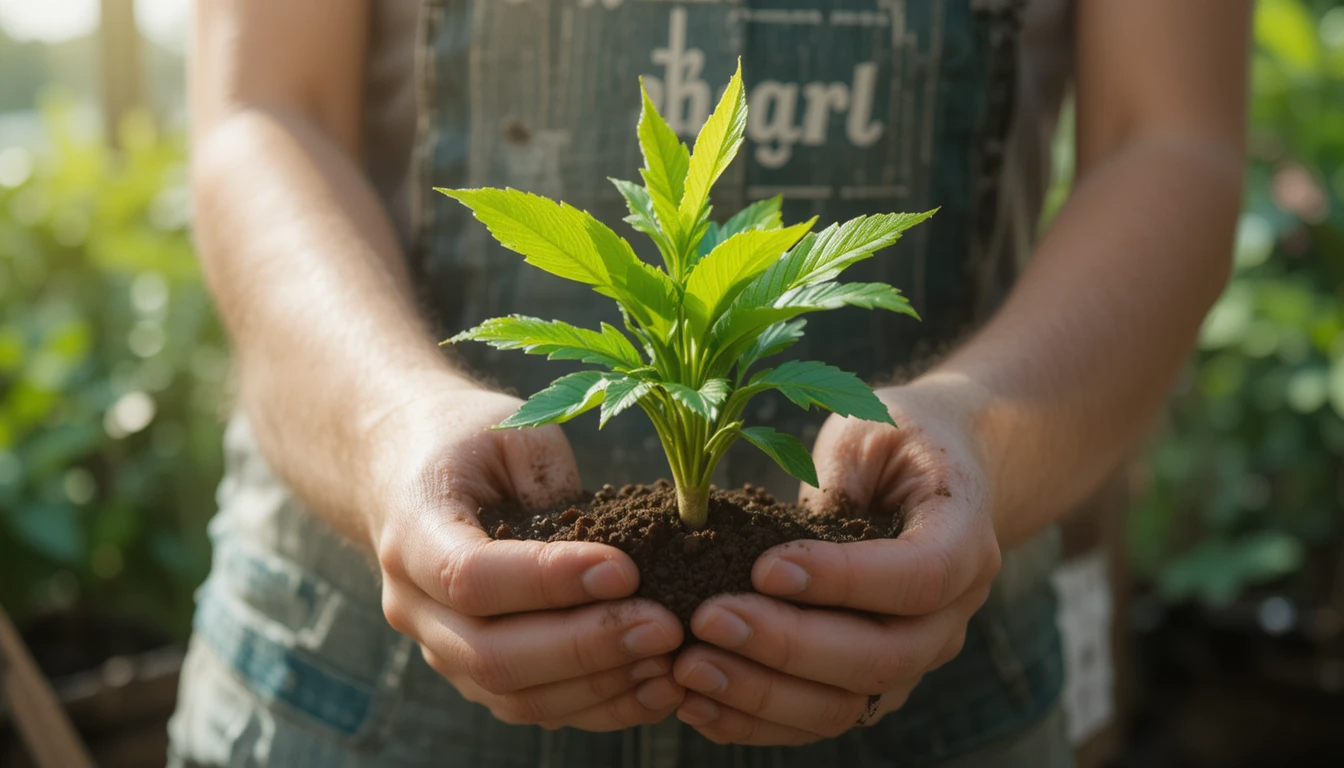
In a world of pre-packaged salads, flavorless tomatoes, and a sterile disconnect from the origins of our food, a quiet revolution is taking root. It’s happening on balconies, in backyard plots, on sunny windowsills, and in community garden squares. It’s the Grow-Your-Own (GYO) movement, and it’s about so much more than just saving money on herbs. It’s a profound act of reconnection—to our food, to the rhythms of nature, and to our own capability.
Growing your own is the ultimate act of mindful consumption. It’s the crisp, sun-warmed snap of a pea pod eaten straight from the vine. It’s the incomparable fragrance of basil crushed between your fingers, a scent that grocery-store plastic could never contain. It’s the quiet pride of placing a bowl of salad on the table, every leaf nurtured by your own hands.
This comprehensive guide is your first trowel in the ground. We’ll move from the “why” to the “how,” stripping away the intimidation to reveal the simple, essential steps to cultivating your own bounty, no matter your space or experience level.
Part 1: The Core Philosophy – Why “Grow-Your-Own” is the Ultimate Life Hack
Before we discuss seeds, let’s sow the ideas that make this practice transformative.
1. Flavor Beyond Compare
The economics of commercial agriculture prioritize ship-ability, shelf life, and uniform appearance over taste. The tomato bred to survive a 1,000-mile journey in a truck cannot compete with the complex, sweet-acid burst of a ‘Sun Gold’ cherry tomato picked at peak ripeness ten feet from your kitchen. When you grow your own, you access heirloom varieties and cultivars selected for one thing only: sublime flavor. You taste the sun and soil in a way no store-bought produce can offer.
2. Nutrient Density at Its Peak
A vegetable begins losing nutrients the moment it’s harvested. Vitamins like C and B are especially fragile. The spinach that travels, sits in distribution centers, and lingers on a shelf for days is a shadow of its former nutritious self. Food from your garden is consumed at its absolute nutritional peak, often within hours or minutes of harvest, locking in the vitality.
3. Mental Wellness & The Grounding Effect
Gardening is active meditation. The repetitive, tactile acts of sowing, weeding, and watering induce a state of flow, quieting the anxious mind. Studies have shown gardening reduces cortisol levels, alleviates symptoms of depression and anxiety, and boosts self-esteem. It’s a partnership with life that fosters patience and hope—you plant a tiny seed with faith in a future harvest.
4. Environmental Stewardship in Your Backyard
Your personal patch reduces food miles to food feet. It eliminates packaging waste, encourages biodiversity (especially if you plant pollinator-friendly flowers), and, if grown organically, ensures no harmful pesticides or herbicides leach into your local ecosystem. You become a steward of a tiny, productive piece of the earth.
5. Food Sovereignty & Resilience
Knowing how to nourish yourself is a fundamental skill. In a complex global supply chain, a home garden represents a tangible thread of self-reliance. It’s a connection to ancestral knowledge and a step towards personal food security.
Part 2: The Non-Negotiable Foundations – What Every Plant Truly Needs
Plants are not complicated, but they have non-negotiable requirements. Think of these as the four pillars of the plant world.
1. Light: The Engine of Growth
This is the most critical factor. No amount of water or love can compensate for insufficient light.
- Full Sun (6-8+ hours of direct sun): The realm of fruiting plants—Tomatoes, Peppers, Eggplants, Squash, Cucumbers, and most herbs (Basil, Rosemary, Oregano).
- Partial Sun/Partial Shade (3-6 hours of sun): Leafy greens (Lettuce, Kale, Spinach), Root vegetables (Carrots, Beets), and some herbs (Parsley, Cilantro, Chives) thrive here, especially in hotter climates where afternoon shade prevents bolting (premature flowering).
- Full Shade (Less than 3 hours of direct sun): Focus on leafy harvests like Lettuce, Spinach, Swiss Chard, and culinary herbs like Mint and Lemon Balm, which can tolerate lower light.
Pro Tip: Observe your space. Track the sun’s path. Use a sun-tracking app or simply pay attention for a full day. Match your crop choices to your actual conditions.
2. Soil: Not Dirt, but a Living Universe
Soil is not an inert holding medium; it’s a thriving ecosystem. Your goal is to create a loose, fertile, well-draining home for roots.
- For Containers: NEVER use garden soil, which compacts and drains poorly in pots. Always use a high-quality potting mix. For vegetables, look for mixes labeled for containers or vegetables, which often have added compost and slow-release fertilizers.
- For Garden Beds: The single best thing you can do is add organic matter. Compost is garden gold. It improves soil structure, provides nutrients, and supports beneficial microbes. Annually amend your beds with 2-3 inches of compost worked into the top layer.
3. Water: Consistency is King
The #1 killer of beginner plants is erratic watering—drought followed by deluge.
- The Finger Test: The best tool is your finger. Insert it into the soil up to the first knuckle. If it feels dry, water thoroughly. If moist, wait.
- Deep & Infrequent vs. Light & Daily: Water deeply until it runs out the drainage holes, encouraging deep root growth. Then, let the top inch or two dry out before watering again. Shallow, daily sprinklings encourage weak, surface roots.
- Morning is Best: Watering in the morning allows leaves to dry off, reducing the risk of fungal diseases.
4. Space & Airflow: Room to Breathe
Crowded plants compete for light, water, and nutrients and create a humid environment ripe for disease. Follow spacing guidelines on seed packets. Thin seedlings ruthlessly. It feels painful, but it gives the remaining plants the space to thrive. Good airflow around plants is a natural disease preventative.
Part 3: The Essential Toolkit – You Don’t Need Much to Start
Beware of fancy gadget overload. Here’s the lean, mean starter kit:
- Containers with Drainage Holes: This is non-negotiable. Whether it’s a repurposed bucket (with holes drilled), a fabric grow bag, a ceramic pot, or a window box, drainage is critical to prevent root rot. Size matters: herbs need 1-2 gallons, tomatoes need 5+ gallons.
- High-Quality Potting Mix: As above, your foundation.
- A Hand Trowel & a Watering Can with a Rose: The rose (the showerhead attachment) provides a gentle, rain-like flow perfect for seedlings.
- Gardening Gloves: Keeps hands clean and protected.
- Labels: You will forget what you planted where. Use popsicle sticks, plastic markers, or whatever works.
- Seeds or Starter Plants: Start easy. Beginners often find more instant success with “starter plants” or “transplants” (small plants from a nursery) for things like tomatoes and peppers, while seeds are unbeatable for direct-sown crops like radishes, beans, peas, and leafy greens.
Part 4: The “Surefire Success” Starter Crops
Build confidence with these easy, high-reward champions.
The Can’t-Fail Container Herb Garden:
A sunny windowsill or patio spot is all you need.
- Basil: The taste of summer. Pinch off the top leaves regularly to encourage bushy growth.
- Mint: Incredibly vigorous (best grown in its own pot to prevent takeover). Perfect for drinks and salads.
- Chives: The perennial gift that keeps giving. Snip with scissors, and they grow right back.
- Parsley & Cilantro: Prefer cooler temps. Succession sow (plant a new pot every few weeks) for a continuous harvest.
The 30-Day Wonder:
- Radishes: From seed to harvest in 3-4 weeks. They grow in any container, even shallow ones. Instant gratification.
The Cut-and-Come-Again Champions:
- Leaf Lettuce & Mesclun Mixes: Don’t pull the whole plant. Snip outer leaves with scissors, and the center will keep producing for weeks.
- Kale & Swiss Chard: Hardy, nutritious, and beautiful. They get sweeter with a light frost.
The Fruiting All-Stars (for Sunny Spots):
- Cherry Tomatoes: Varieties like ‘Tumbling Tom’ or ‘Sweet 100’ are prolific in hanging baskets or pots. Provide a small cage for support.
- Bush Beans: No staking needed. Sow seeds directly in a deep pot. You’ll get tender, delicious beans in about 50 days.
Part 5: The Seasonal Rhythm – A Beginner’s Calendar
Gardening teaches you to think in seasons, not just months.
Early Spring (Cool Season):
- Sow Directly: Peas, Radishes, Spinach, Lettuce, Carrots, Beets.
- Transplant: Onion sets, Kale, Broccoli starters.
- Mindset: The soil is waking up. Focus on crops that tolerate cool weather and even light frost.
Late Spring to Summer (Warm Season):
- Sow Directly: Beans, Corn, Cucumber, Zucchini Squash.
- Transplant AFTER last frost: Tomatoes, Peppers, Eggplants, Basil. These need warm soil and air.
- Mindset: This is peak growing season. Water consistently, watch for pests, and harvest daily.
Late Summer to Fall (Cool Season Again):
- Sow Directly: Lettuce, Spinach, Radishes, Kale, Swiss Chard (for a fall harvest).
- Plant Garlic Cloves: For a harvest next summer.
- Mindset: As heat fades, the garden gets a second wind. Many fall crops are even sweeter after a light frost.
Part 6: Leveling Up – Next Steps for the Growing Enthusiast
Once you’ve tasted your first homegrown tomato, you might get the bug. Here’s where to go next:
- Start a Compost Pile: Close the loop. Turn your kitchen scraps (fruit/veggie peels, coffee grounds, eggshells) into black gold for your garden. A simple outdoor bin or a countertop compost pail is a great start.
- Learn Succession Planting: After harvesting your radishes, immediately sow some beans in that same space. Maximize your yield and season.
- Save Your Seeds: The ultimate act of self-reliance. Start with easy seeds like beans, peas, lettuce, and tomatoes (from heirloom varieties only). Let a plant go to maturity, collect the dried seeds, and store them for next year.
- Attract Pollinators: Plant flowers like marigolds, nasturtiums, borage, and calendula among your veggies. They bring in bees and butterflies, increase your yields, and add stunning beauty. (Nasturtium leaves and flowers are also edible and peppery!).
- Embrace Imperfection: You will have pests. A caterpillar will eat a leaf. A tomato may crack. This is not failure; it’s biology. Learn to identify friends (ladybugs, lacewings) versus foes (aphids, tomato hornworms). Often, a strong blast of water from the hose or hand-picking is all the control you need.
The Harvest is Just the Beginning
The true yield of a Grow-Your-Own practice is not measured just in pounds of produce. It’s measured in moments:
- The mindful quiet of the early morning garden check.
- The wonder a child experiences pulling a carrot from the earth.
- The deep satisfaction of sharing a basket of surplus zucchini with a neighbor.
- The re-calibration of your palate to true, seasonal flavor.
You don’t need a farm. You need a pot, some soil, a seed, and a bit of sunlight. Start small, with a single herb. Nurture it. Succeed. Then expand. With each seed you sow, you’re not just growing food—you’re growing independence, wellness, and a deeper, more delicious connection to the living world.
Your journey begins with one pot. What will you grow?