
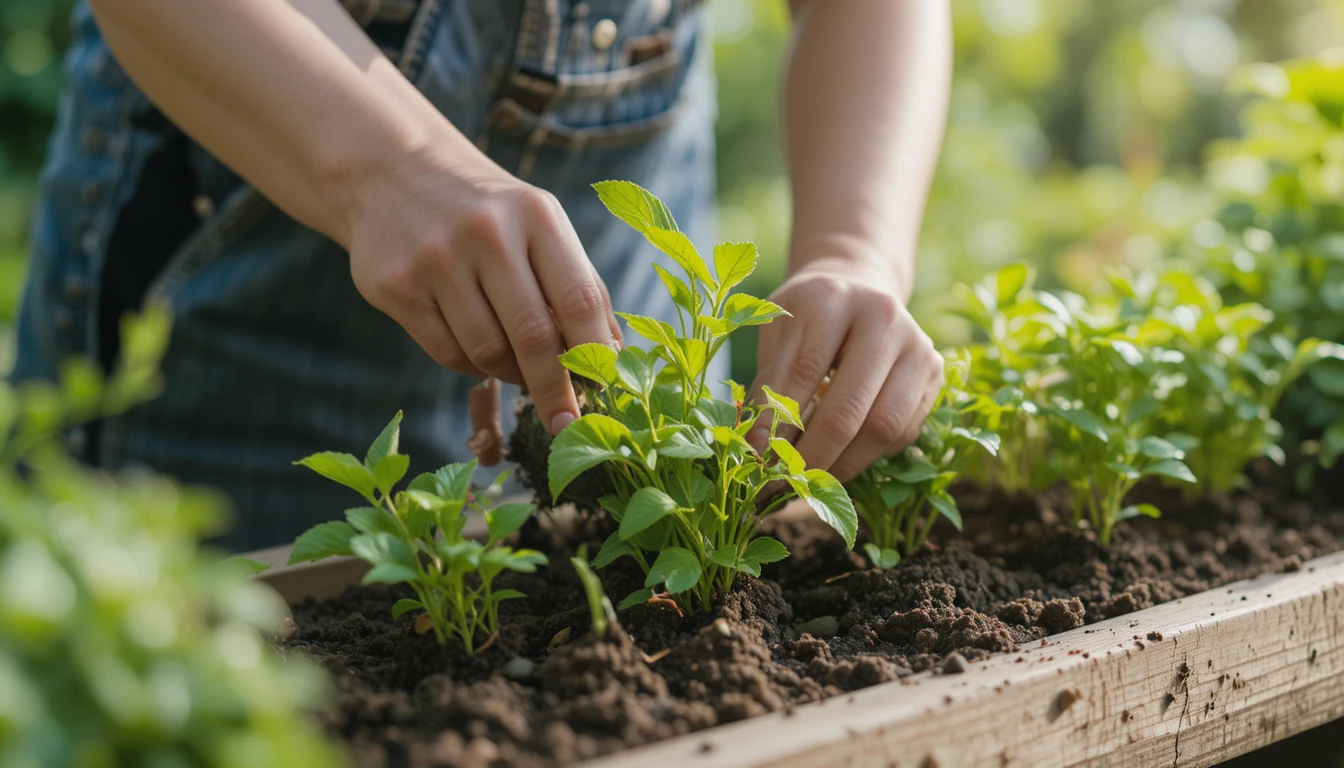
In a world of climate uncertainty, habitat loss, and environmental degradation, the garden emerges not merely as a refuge for humans, but as a potential sanctuary for countless species and a frontline in ecological restoration. Eco-friendly gardening transcends organic methods to embrace a holistic philosophy where every action considers its impact on soil, water, wildlife, and climate. This isn’t gardening with restraint; it’s gardening with purpose—transforming our plots into thriving, resilient ecosystems that give back more than they take.
This comprehensive guide moves beyond simple “green” tips to provide a systematic approach to creating gardens that heal rather than harm, that support biodiversity while providing abundance, and that leave the land richer than we found it.

Part I: The Philosophical Foundation — Seven Principles of Eco-Gardening
1. The Precautionary Principle
When in doubt, don’t disturb. Nature’s systems are complex beyond our understanding. Before intervening, ask: “Is this absolutely necessary?” Often, observation reveals nature solving its own problems.
2. The Cyclical Principle
Waste is a human concept. In nature, everything cycles. Design your garden so outputs become inputs—leaves become mulch, kitchen scraps become compost, greywater becomes irrigation.
3. The Diversity Principle
Monocultures invite problems. Polycultures create resilience. Embrace variety in plants, habitats, and functions to build a self-regulating ecosystem.
4. The Right Plant, Right Place Principle
Stop fighting your conditions. Choose plants adapted to your soil, climate, and microclimate. They’ll thrive without coddling and resist pests naturally.
5. The Soil-First Principle
Healthy soil grows healthy plants. Focus on feeding soil life rather than plants. The complex web of bacteria, fungi, and invertebrates will regulate nutrients naturally.
6. The Water Wisdom Principle
Water is life, not a utility. Capture every drop, use it wisely, and return it cleaner to the cycle through biological filtration.
7. The Habitat Principle
Your garden isn’t just for you. Design for the needs of pollinators, birds, amphibians, and beneficial insects. Their presence indicates ecosystem health.
Part II: Soil Stewardship — The Living Foundation
The Soil Food Web: Gardening’s Invisible Workforce
Healthy soil contains more organisms in a teaspoon than there are humans on Earth. These organisms:
- Cycle nutrients into plant-available forms
- Create soil structure for air and water movement
- Suppress disease through competition
- Store carbon in stable organic compounds
How to Nurture Your Soil Life:
1. Feed the Microbes, Not the Plants
- Apply compost (2-3 inches annually) as microbial food
- Use compost tea to inoculate soils and leaves with beneficial organisms
- Mulch with organic materials that feed soil life as they decompose
- Avoid synthetic fertilizers that harm microbial diversity
2. Never Leave Soil Bare
Bare soil erodes, loses organic matter, and bakes in sun.
- Plant cover crops (green manures) in empty beds
- Use living mulches (clover, creeping thyme) between plants
- Apply organic mulches (straw, leaves, wood chips)
- Practice interplanting so one crop replaces another
3. Minimize Soil Disturbance
Tilling destroys soil structure and fungal networks.
- Adopt no-till or low-till methods
- Use broadfork instead of rototiller for aeration
- Create permanent beds with defined pathways
- Let earthworms be your tillers (they’ll work for free)
Composting Mastery: Turning Waste into Black Gold
Beyond the Basic Pile: Advanced Techniques
1. Hot Composting for Speed
- Build 3’x3’x3′ pile with balanced green/brown materials
- Turn every 3-5 days for temperatures of 130-160°F
- Produces finished compost in 2-3 months
- Kills weed seeds and pathogens
2. Vermicomposting (Worm Farming)
- Red wiggler worms process kitchen scraps rapidly
- Produce worm castings (superior fertilizer) and worm tea
- Can be done indoors or in small spaces
- Perfect for apartments or winter composting
3. Bokashi Fermentation
- Anaerobic process using inoculated bran
- Ferments ALL food waste (including meat/dairy)
- No odor when done properly
- Pre-composts material in 2 weeks before soil burial
4. Trench Composting
- Dig trench, fill with kitchen scraps, cover with soil
- Nutrients feed plants directly as they decompose
- No turning, no piles, completely invisible
- Works year-round if ground isn’t frozen
5. Humanure Systems (For the Truly Committed)
- Properly managed human waste is a valuable resource
- Requires careful thermophilic composting (1+ years)
- Returns nutrients to land instead of polluting water
- Critical: Must follow exact safety protocols
Part III: Water Wisdom — Every Drop Counts
The Four R’s of Eco-Water Management
1. REDUCE Consumption
- Choose drought-tolerant natives adapted to your rainfall
- Mulch deeply (3-4 inches) to reduce evaporation by 70%
- Water deeply and infrequently to encourage deep roots
- Use drip irrigation or soaker hoses (90% efficiency vs. 50% for sprinklers)
- Water at dawn to minimize evaporation and fungal issues
2. CAPTURE Rainwater
- Rain barrels (55-gallon minimum, connect multiple)
- Rain chains to direct water beautifully into containers
- French drains to channel roof runoff to gardens
- Rain gardens in low spots to infiltrate water on-site
- Swales (contour trenches) on slopes to slow, spread, and sink water
3. REUSE Household Water
- Greywater systems from showers, sinks, laundry
- Bucket method in shower while water warms
- Kitchen sink to garden systems (no meat/fat water)
- Dehumidifier water for indoor plants
- Aquarium water (rich in nutrients)
4. RECHARGE Groundwater
- Permeable paving instead of concrete
- Dry creek beds that channel and infiltrate stormwater
- Infiltration basins in low areas
- Avoid compacted soil that creates runoff
Xeriscaping: Beyond Cactus and Rocks
Seven Principles of True Xeriscaping:
- Planning and Design: Zone plants by water needs
- Soil Improvement: Increase organic matter for water retention
- Appropriate Plant Selection: Natives and climate-adapted plants
- Practical Turf Areas: Limit lawn to functional spaces
- Efficient Irrigation: Drip systems on timers with moisture sensors
- Use of Mulches: Organic materials to retain moisture
- Appropriate Maintenance: Proper pruning, weeding, fertilizing
Not Just Dry Gardens: Xeriscaping can be lush and colorful with plants like lavender, Russian sage, ornamental grasses, and Mediterranean herbs.
Part IV: Plant Selection for Ecological Function
Native Plants: The Ecological Powerhouses
Why Natives Matter:
- Co-evolved with local pollinators (90% of insects need specific natives)
- Require no supplemental water once established
- Need no fertilizer (adapted to local soil)
- Resist local pests and diseases
- Support complex food webs (a single oak supports 500+ species)
How to Incorporate Natives:
- Replace lawn sections with native meadows or groundcovers
- Create layered planting (canopy, understory, shrubs, groundcover)
- Choose regionally appropriate genotypes (local ecotypes support more wildlife)
- Leave seed heads for winter bird food
- Allow leaf litter for insect overwintering
Edible Ecosystems: Food Forests & Permaculture
Seven-Layer Forest Garden:
- Canopy: Nut trees (chestnut, walnut) or fruit trees
- Low Tree Layer: Dwarf fruit trees, large shrubs
- Shrub Layer: Berries (blueberries, currants)
- Herbaceous Layer: Perennial vegetables (asparagus, rhubarb)
- Groundcover: Strawberries, creeping herbs
- Root Zone: Root crops (potatoes, carrots between trees)
- Vertical Layer: Vines (grapes, kiwi, passionfruit)
Key Permaculture Techniques:
- Guild planting: Complementary plants grouped together (fruit tree surrounded by nitrogen-fixers, insectary plants, dynamic accumulators)
- Succession planning: Plants that mature at different times
- Edge maximization: Wavy beds create more microclimates
- Zone planning: Place most-needed elements closest to home
Part V: Natural Pest & Disease Management
Ecosystem Balance Over Intervention
Prevention First:
- Healthy soil grows pest-resistant plants
- Diversity prevents pest population explosions
- Proper spacing for air circulation reduces disease
- Crop rotation breaks pest and disease cycles
- Clean tools prevent pathogen spread
Biological Controls:
- Encourage predators: Ladybugs, lacewings, praying mantises, birds
- Provide habitat: Bug hotels, brush piles, water sources
- Plant insectary plants: Dill, fennel, yarrow, cosmos attract beneficial insects
- Use microbial insecticides: Bt (Bacillus thuringiensis) for caterpillars
Physical & Mechanical Controls:
- Hand picking (effective for large pests)
- Row covers (exclude pests while plants establish)
- Copper tape for slugs/snails
- Yellow sticky traps for flying insects
Botanical & Mineral Controls (Last Resort):
- Neem oil (disrupts insect hormones)
- Insecticidal soap (suffocates soft-bodied insects)
- Diatomaceous earth (abrades insect exoskeletons)
- Horticultural oil (suffocates overwintering pests)
The Tolerance Threshold:
Accept some damage! A perfect leaf might indicate an imperfect ecosystem. If pests aren’t affecting yield or plant health, let natural balance work.
Part VI: Wildlife Gardening — Sharing Space
Creating Habitat Corridors
Four Essentials for Wildlife:
1. Food Sources Year-Round:
- Spring: Early blooming plants (willow, maple)
- Summer: Berry-producing shrubs
- Fall: Seed heads (coneflowers, sunflowers)
- Winter: Persistent berries (winterberry, rose hips)
2. Water for All:
- Bird baths (with stones for insect access)
- Puddling areas for butterflies
- Pond with shallow edges for amphibians
- Dripping water attracts more birds than still water
3. Shelter & Nesting Sites:
- Leave dead trees (snags) for cavity nesters
- Brush piles for small mammals and insects
- Native grasses left standing through winter
- Bee hotels (properly constructed and maintained)
- Bat houses (properly placed)
4. Safe Movement Corridors:
- Connect gardens with neighbors’ wildlife areas
- Plant hedges instead of fences
- Create stepping stones of habitat across properties
- Underpasses for fences to allow animal movement
The Not-So-Wild Garden:
- Accept some “messiness”—neat gardens are ecological deserts
- Leave leaf litter under trees and shrubs
- Allow some “weeds” that support wildlife (milkweed for monarchs)
- Delay cleanup until spring so insects can emerge
Part VII: Climate-Positive Gardening
Carbon Sequestration in the Garden
How Gardens Fight Climate Change:
1. Soil Carbon Storage:
- Healthy soil with 4% organic matter stores massive carbon
- No-till methods keep carbon sequestered
- Compost application adds stable carbon
- Perennial plantings store more carbon than annuals
2. Plant Selection for Carbon:
- Fast-growing trees (paulownia, empress tree—with caution)
- Deep-rooted perennials (comfrey, alfalfa)
- Native grasses with extensive root systems
- Hemp (where legal) for rapid biomass production
3. Avoiding Carbon Releases:
- No peat moss (harvesting releases stored carbon)
- Minimal imported materials (transport carbon footprint)
- Hand tools over power tools when possible
- Compost on-site instead of sending organic waste to landfill (where it produces methane)
Urban Heat Island Mitigation:
- Tree canopy reduces temperatures 5-10°F
- Green roofs insulate buildings and cool air
- Living walls provide insulation and cooling
- Permeable surfaces instead of asphalt/concrete
Part VIII: Seed Sovereignty & Genetic Diversity
Why Saving Seeds Matters:
1. Preservation of Genetic Diversity:
- Commercial agriculture focuses on few varieties
- Heirlooms carry genetic resilience we may need
- Local adaptation happens through selective saving
2. Food Security:
- Independence from corporate seed systems
- Seeds adapted to your specific microclimate
- Knowledge preservation for future generations
3. Cultural Preservation:
- Seeds carry stories and traditions
- Connection to ancestral growing practices
- Community building through seed swaps
How to Start Seed Saving:
- Begin with easy seeds: Beans, peas, lettuce, tomatoes
- Learn isolation distances for purity
- Proper processing and storage techniques
- Join seed libraries and exchanges
Part IX: The Circular Garden — Zero Waste Systems
Closing the Loops:
Inputs Become Outputs Become Inputs:
Garden Waste → Compost → Soil Fertility → Plant Growth
Rainwater → Collection → Irrigation → Plant Growth → Transpiration → Cloud Formation
Kitchen Scraps → Chicken Feed → Eggs & Meat → Manure → Compost → Garden Fertility
Design Strategies for Circularity:
- Place compost near garden for easy nutrient cycling
- Design chicken run to follow garden rotation (pest control + fertilization)
- Incorporate pond for aquaculture and irrigation water
- Use greywater to irrigate fruit trees or ornamental beds
Part X: The Community Dimension
Beyond Your Property Line:
1. Sharing Surplus:
- Little free pantries with excess produce
- Neighborhood crop swaps
- Gleaning networks for fruit tree owners
2. Collaborative Projects:
- Community gardens on vacant lots
- Street tree planting initiatives
- Pollinator pathways across neighborhoods
3. Education & Advocacy:
- Demonstration gardens in visible locations
- Workshops on composting, native planting, etc.
- Policy advocacy for rainwater harvesting, native plant requirements, etc.
Part XI: Getting Started — The Eco-Garden Transition
Year 1: Foundation
- Stop chemicals immediately
- Start composting (even just a pile in corner)
- Plant one native bed or replace lawn section
- Install rain barrel
- Observe what wildlife already visits
Year 2: Expansion
- Add more native plants
- Start seed saving
- Create habitat features (bird bath, bee hotel)
- Try no-till methods
- Join local ecological gardening group
Year 3: Integration
- Design guilds or food forest areas
- Install greywater system (if codes allow)
- Host seed swap
- Mentor new eco-gardeners
- Advocate for ecological landscaping policies
Year 4+: Stewardship
- Your garden becomes ecosystem hub
- Minimal inputs needed (self-sustaining)
- Wildlife populations stable or increasing
- You become local resource for others
- Garden yields abundance with minimal work
Conclusion: The Garden as Healing Ground
Eco-friendly gardening isn’t about perfection or purity. It’s about direction—moving toward greater harmony with natural systems. Each small action accumulates: the native plant that feeds a struggling bee, the compost that builds soil life, the rainwater kept on-site that reduces flooding downstream.
Your garden, no matter how small, is part of the larger ecosystem. When you garden ecologically, you’re not just growing plants; you’re:
- Restoring habitat in a fragmented landscape
- Sequestering carbon in your soil
- Filtering water through plant roots
- Preserving genetic diversity through seed saving
- Creating beauty that inspires others
- Building resilience in yourself and your community
Start where you are. Use what you have. Do what you can. The Earth doesn’t need a few perfect eco-gardeners; she needs millions of imperfect ones, all moving in the right direction.
Your patch of soil awaits its ecological awakening. What will you plant today that your grandchildren will thank you for? What creature will find sanctuary because you chose native plants? What carbon will remain sequestered because you built healthy soil?
The garden calls us to remember our place in the web of life—not as masters, but as participants; not as takers, but as caretakers; not as separate, but as connected to all that grows, crawls, flies, and blooms around us.
This is the promise of eco-friendly gardening: that in healing the land, we heal ourselves; that in creating habitat for others, we find our own true home in nature’s community; that in gardening with ecological consciousness, we grow not just food and flowers, but hope for a living, thriving, abundant Earth.