
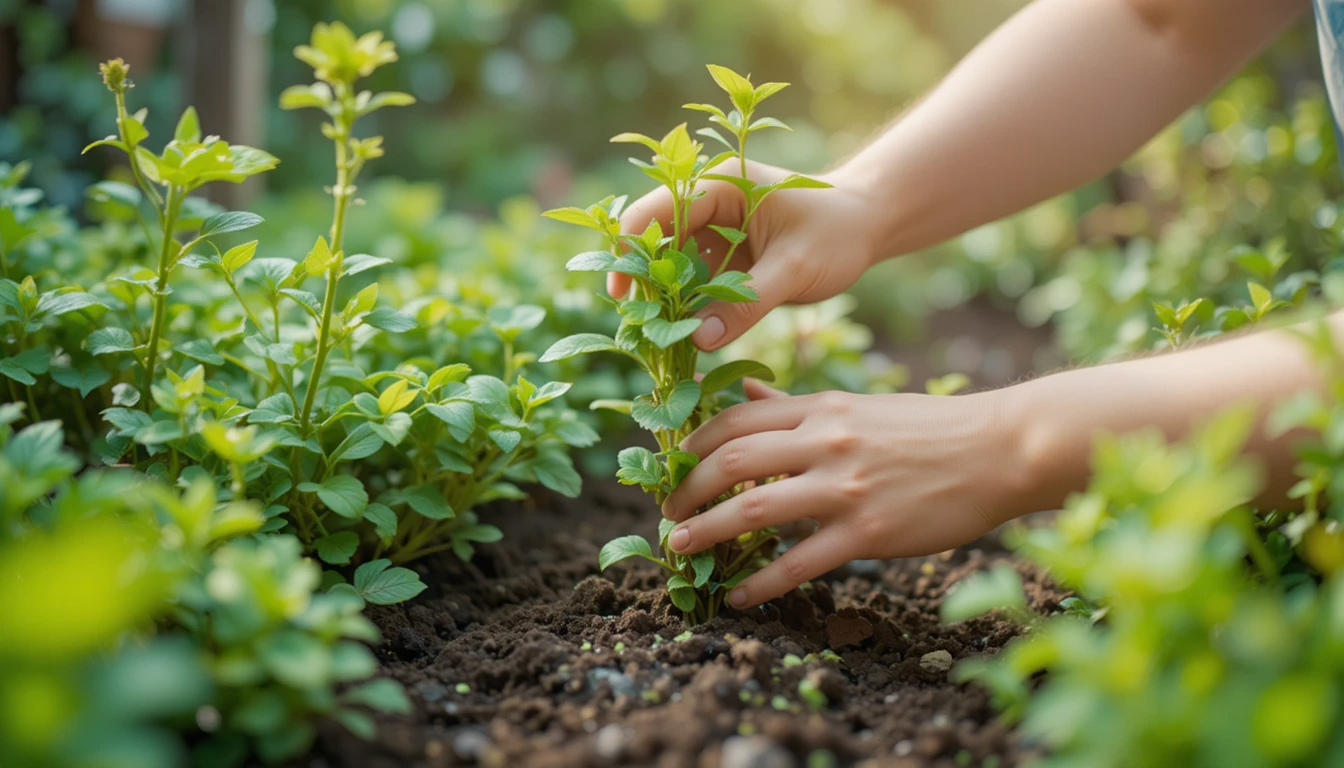
In an era of climate uncertainty and biodiversity loss, our gardens have evolved from mere decorative spaces to potential sanctuaries for life and laboratories for sustainability. Eco-friendly gardening represents not merely a set of techniques, but a philosophical shift—from viewing nature as something to control to recognizing ourselves as participants in ecological systems. This comprehensive guide explores how to transform any garden into a resilient, regenerative ecosystem that gives back more than it takes.
PART 1: THE PHILOSOPHICAL FOUNDATION
Principles Over Prescriptions
1. The Precautionary Principle
When in doubt, don’t interfere. Nature’s systems are complex beyond our understanding. Observe first, intervene minimally.
2. The Right Plant, Right Place Principle
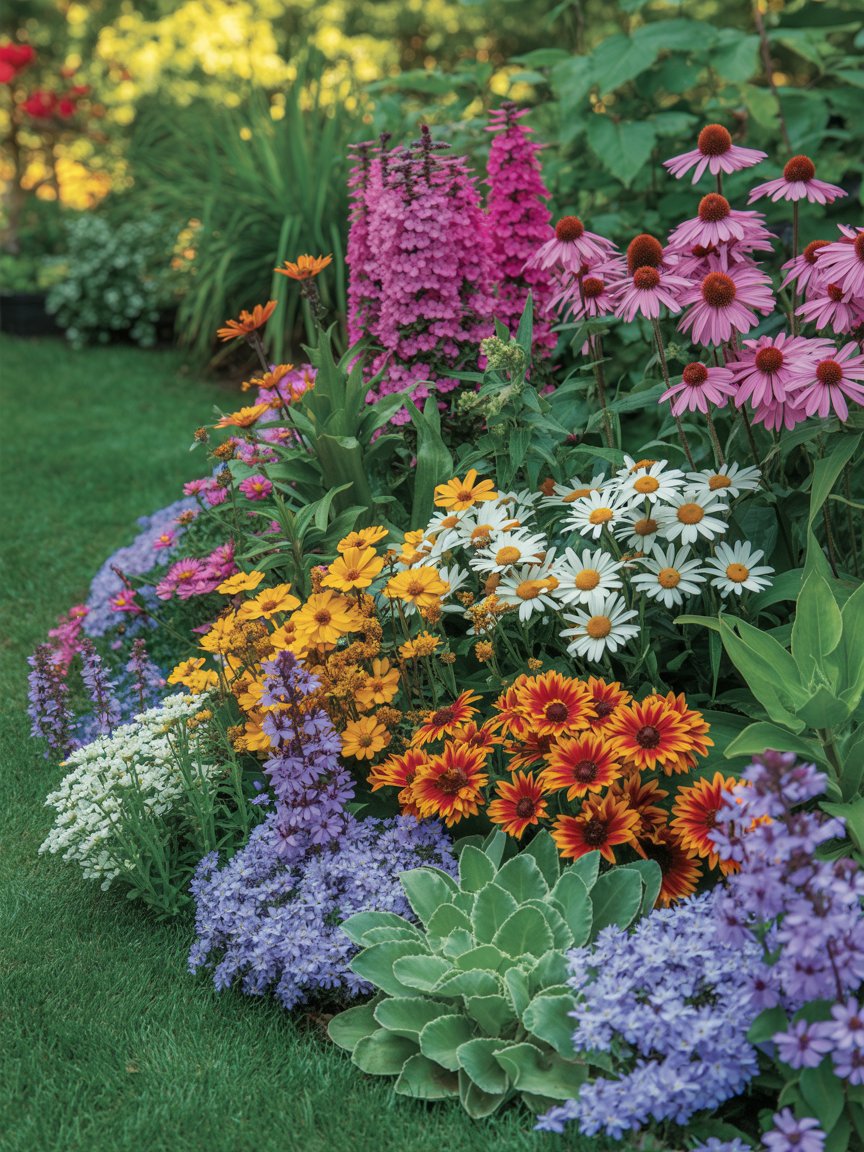
Stop fighting your conditions. Plants adapted to your soil, climate, and microclimate will thrive without coddling.
3. The Diversity Principle
Monocultures invite problems. Polycultures create resilience through complex relationships.
4. The Cyclical Principle
Waste is a human concept. Design systems where outputs become inputs in continuous loops.
5. The Soil-First Principle
Feed the soil, not the plant. Healthy soil grows healthy plants with minimal intervention.
PART 2: SOIL STEWARDSHIP—THE LIVING FOUNDATION
Understanding the Soil Food Web
A teaspoon of healthy soil contains more organisms than there are humans on Earth. These unseen workers:
- Cycle nutrients into plant-available forms
- Create soil structure for air and water movement
- Form symbiotic relationships with plant roots
- Suppress pathogens through competition
- Sequester carbon from the atmosphere
Building Soil Without Synthetic Inputs
Composting Mastery:
Hot Composting (Fast)
- Ideal size: 3’x3’x3′
- Turn every 3-5 days
- Achieves 130-160°F (kills pathogens/weed seeds)
- Ready in 2-3 months
Cold Composting (Simple)
- Add materials as available
- No turning required
- Takes 6-12 months
- Preserves more microbial diversity
Vermicomposting (Indoor/Small Space)
- Red wiggler worms process kitchen scraps
- Produces nutrient-rich castings
- Odorless when managed properly
- Year-round production
Bokashi Fermentation (All Food Waste)
- Anaerobic process using inoculated bran
- Ferments meat, dairy, cooked foods
- Pre-composts in 2 weeks
- Then bury in garden soil
No-Till Revolution
Tilling destroys soil structure, burns organic matter, and decimates fungal networks. Alternatives:
Sheet Mulching (Lasagna Gardening)
- Cardboard layer (smothers weeds)
- Nitrogen-rich materials (grass clippings, manure)
- Carbon-rich materials (leaves, straw)
- Compost/topsoil
- Plant directly
Broadforking
- Aerates without inverting layers
- Preserves soil structure
- Minimal disturbance to microbial life
Permanent Beds
- Never step on growing areas
- Defined paths between beds
- Builds soil life year after year
PART 3: WATER WISDOM—EVERY DROP SACRED
The Four Pillars of Water-Wise Gardening
1. Improve Soil Water-Holding Capacity
- Each 1% increase in organic matter = 20,000+ gallons water retention per acre
- Mycorrhizal fungi extend root reach 100x
- Action: Add compost, avoid compaction, use deep mulch
2. Plant for Your Climate
- Native plants adapted to local rainfall patterns
- Mediterranean herbs (rosemary, lavender, sage)
- Drought-tolerant edibles (figs, pomegranates, sweet potatoes)
- Succulents and cacti where appropriate
3. Efficient Delivery Systems
- Drip irrigation: 90% efficiency vs. sprinklers’ 50%
- Soaker hoses under mulch
- Ollas (unglazed clay pots) for slow, deep watering
- Watering timers with soil moisture sensors
4. Capture and Store
- Rain barrels (connect multiple)
- Rain gardens in low spots
- Swales on contour to slow, spread, sink water
- French drains directing roof runoff to gardens
Xeriscaping: Beyond Cactus and Rocks
Seven Principles:
- Planning and Design: Zone plants by water needs
- Soil Improvement: Increase organic matter
- Appropriate Plant Selection: Natives and climate-adapted plants
- Practical Turf Areas: Limit lawn to functional spaces
- Efficient Irrigation: Drip systems with smart controllers
- Use of Mulches: 3-4 inches of organic material
- Appropriate Maintenance: Proper pruning, weeding, fertilizing
PART 4: PLANT SELECTION—ECOLOGICAL FUNCTION FIRST
Native Plants: The Keystone Species
Why Natives Matter:
- Support 10-50x more insect species than non-natives
- Require no supplemental water once established
- Need no fertilizer (adapted to local soil)
- Resist local pests and diseases
- Provide precisely timed resources for wildlife
Creating Habitat Layers:
Canopy Layer (Oak, maple, pine—each supports hundreds of species)
Understory Layer (Dogwood, redbud, serviceberry)
Shrub Layer (Blueberry, viburnum, elderberry)
Herbaceous Layer (Milkweed, goldenrod, aster, native grasses)
Groundcover Layer (Wild strawberry, bunchberry, mosses)
Edible Ecosystems
The Seven-Layer Food Forest:
- Canopy: Nut trees or standard fruit trees
- Low Tree Layer: Dwarf fruit trees, large shrubs
- Shrub Layer: Berries (currants, gooseberries, blueberries)
- Herbaceous Layer: Perennial vegetables (asparagus, rhubarb, artichoke)
- Groundcover: Strawberries, creeping herbs
- Root Zone: Root crops between trees
- Vertical Layer: Vines (grapes, kiwi, passionfruit)
Permaculture Guilds:
Group complementary plants together:
- Apple Tree Guild: Comfrey (nutrient accumulator), daffodils (pest deterrent), clover (nitrogen fixer), chives (pest confuser), yarrow (beneficial insect attractor)
Plants with Purpose
Nitrogen Fixers: Clover, beans, peas, lupine
Dynamic Accumulators: Comfrey, borage, dandelion, yarrow
Insectary Plants: Dill, fennel, cilantro, alyssum, sunflowers
Trap Crops: Nasturtiums (aphids), radishes (flea beetles)
PART 5: NATURAL PEST AND DISEASE MANAGEMENT
The Pyramid of Prevention
Level 1: Create Healthy Systems
- Build soil health (healthy plants resist pests)
- Increase biodiversity (monocultures invite problems)
- Choose resistant varieties
- Practice crop rotation
Level 2: Physical and Mechanical Controls
- Hand picking
- Row covers
- Copper tape for slugs
- Sticky traps
Level 3: Biological Controls
- Encourage predators: birds, bats, frogs, toads
- Provide habitat for beneficial insects
- Purchase/attract: ladybugs, lacewings, praying mantises
- Use microbial controls: Bt for caterpillars
Level 4: Botanical and Mineral Controls
- Neem oil (disrupts insect hormones)
- Insecticidal soap (suffocates soft-bodied insects)
- Diatomaceous earth (abrades insect exoskeletons)
- Horticultural oil (suffocates overwintering pests)
Level 5: Synthetic Chemicals
- Avoid completely in eco-gardens
- Even “organic” synthetics can harm non-target organisms
Integrated Pest Management (IPM) Practice
- Monitor weekly: What pests? How many? Actual damage?
- Identify correctly: Many insects are beneficial
- Determine action threshold: Is damage affecting yield/health?
- Choose least disruptive control
- Evaluate effectiveness
The 5% Rule: If less than 5% of plants are affected, do nothing. Natural balance will likely restore itself.
PART 6: WILDLIFE GARDENING—SHARING SPACE
Creating Habitat Corridors
Four Essentials:
1. Food Sources Year-Round
- Spring: Early blooms (willow, maple)
- Summer: Berries, nectar-rich flowers
- Fall: Seeds, late berries
- Winter: Persistent fruits, seed heads
2. Water for All Life Stages
- Bird baths with stone “islands”
- Puddling areas for butterflies
- Pond with shallow edges
- Dripping water attracts more than still water
3. Shelter and Nesting Sites
- Brush piles (untidy areas)
- Dead trees (snags) if safe
- Nesting boxes (proper size, placement)
- Dense shrub thickets
- Leave leaf litter
4. Safe Movement
- Connect with neighboring habitats
- Plant hedges instead of fences
- Create under-fence passages
- Avoid night lighting (disorients wildlife)
Supporting Specific Species
Pollinators:
- Plant in drifts (3’x3′ minimum)
- Include early and late bloomers
- Provide nesting sites (bare ground, bee hotels)
- Avoid hybrid flowers with no nectar/pollen
Birds:
- Layer vegetation (canopy to groundcover)
- Provide winter food sources
- Offer nesting materials (hair, string, mud)
- Reduce window collisions (decals, screens)
PART 7: CLIMATE-POSITIVE PRACTICES
Carbon Gardening: From Source to Sink
How Gardens Sequester Carbon:
- Soil organic matter: Each 1% increase = 8-10 tons carbon/acre
- Perennial plants: Deeper roots store more carbon
- Trees: Mature tree stores ~1 ton carbon
- Biochar: Stable carbon that improves soil
Best Practices:
- No-till methods keep carbon sequestered
- Compost application adds stable organic matter
- Cover cropping year-round
- Perennial food systems (agroforestry)
- Mulching with wood chips (slow decomposition=more carbon)
Avoiding Carbon Releases:
- No peat moss (mining releases stored carbon)
- Minimize imported materials
- Hand tools over power tools
- Compost on-site (landfills produce methane)
Urban Heat Island Mitigation
- Tree canopy reduces temperatures 5-10°F
- Green roofs and walls provide insulation
- Permeable surfaces reduce heat absorption
- Evapotranspiration from plants cools air
PART 8: SEED SOVEREIGNTY AND GENETIC DIVERSITY
The Importance of Seed Saving
Why Save Seeds:
- Preserve genetic diversity
- Develop locally adapted varieties
- Maintain food security
- Save money
- Connect with cultural heritage
Beginner-Friendly Seeds:
- Beans, peas, lettuce, tomatoes (heirloom), peppers
Proper Technique:
- Isolation distances prevent cross-pollination
- Proper harvesting (fully mature)
- Cleaning and drying thoroughly
- Storage in cool, dry, dark conditions
Community Connection:
- Seed libraries
- Seed swaps
- Community seed banks
PART 9: THE CIRCULAR GARDEN—ZERO WASTE SYSTEMS
Closing the Loops
Energy Flows:
- Sun → Plants → Food/Compost → Soil → Plants
- Rain → Capture → Irrigation → Transpiration → Cloud → Rain
- Kitchen scraps → Compost/Worms → Soil → Food → Kitchen
Design Strategies:
- Place compost near garden
- Design chicken run to follow garden rotation
- Incorporate aquaculture if space allows
- Use greywater for fruit trees/ornamentals
Waste Streams as Resources:
- Leaves: Leaf mold or mulch
- Grass clippings: Mulch or compost
- Wood chips: Paths or mulch
- Kitchen scraps: Compost or worm food
- Rainwater: Irrigation
PART 10: SEASONAL ECO-GARDENING CALENDAR
Spring (Awakening)
- Leave overwintered stems until daytime temperatures consistently reach 50°F
- Apply compost to beds
- Plant native perennials and trees
- Set up rain barrels
- Start seeds indoors with homemade seed starting mix
Summer (Growth)
- Water deeply at dawn
- Mulch to conserve moisture
- Hand-weed rather than herbicide
- Leave some flowering “weeds” for pollinators
- Harvest rainwater
Autumn (Harvest)
- Leave seed heads for birds
- Leave leaves under trees/shrubs
- Plant perennials, trees, and bulbs
- Start composting fallen leaves
- Save seeds from best plants
Winter (Rest)
- Provide winter habitat (don’t clean up completely)
- Feed birds with native seed-producing plants
- Plan next year’s garden
- Repair and sharpen tools
- Force bulbs indoors
PART 11: OVERCOMING CHALLENGES
Common Obstacles and Solutions
Limited Space:
- Vertical gardening (green walls)
- Container natives on balconies
- Community garden plots
- Window boxes with pollinator plants
Poor Soil:
- Sheet mulching to build soil
- Raised beds with homemade compost
- Grow natives adapted to your conditions
- Patience—soil building takes years
Deer/Rabbit Pressure:
- Choose resistant natives
- Physical barriers (fencing most effective)
- Interplant with strong-smelling herbs
- Accept some sharing
Neighborhood Pressure for “Tidiness”:
- Educate with signage about wildlife habitat
- Create tidy edges around wilder areas
- Lead by example
- Share produce and flowers from your eco-garden
PART 12: THE COMMUNITY DIMENSION
Beyond Your Property Line
Sharing Resources:
- Tool libraries
- Seed swaps
- Plant exchanges
- Compost cooperatives
Collaborative Projects:
- Community gardens on vacant lots
- Neighborhood habitat corridors
- School garden programs
- Public space native plantings
Education and Advocacy:
- Demonstration gardens in visible locations
- Workshops on composting, native planting, etc.
- Policy advocacy (rainwater harvesting, native plant requirements)
- Social media education about eco-gardening
PART 13: GETTING STARTED—PHASED APPROACH
Year 1: Foundation (The Basics)
- Stop using all chemicals immediately
- Start composting (even just a simple pile)
- Plant one native bed or replace lawn section
- Install at least one rain barrel
- Observe what wildlife already visits
Year 2: Expansion (Building Systems)
- Add more native plants each season
- Start saving seeds from easy plants
- Create specific habitat features (bird bath, bee hotel)
- Experiment with no-till methods in one bed
- Join a local ecological gardening group
Year 3: Integration (Whole Systems)
- Design and plant a guild or food forest area
- Install greywater system if codes allow
- Host a seed swap or plant exchange
- Mentor a new eco-gardener
- Advocate for ecological landscaping policies locally
Year 4+: Stewardship (Ecosystem Management)
- Your garden largely self-sustaining
- Minimal inputs needed from outside
- Wildlife populations stable or increasing
- You become local resource for others
- Garden yields abundance with minimal work
PART 14: MEASURING SUCCESS
Ecological Indicators (Not Just Yield)
Soil Health Indicators:
- Earthworm population (10+/square foot = excellent)
- Soil structure (crumbly, holds shape when squeezed but breaks easily)
- Water infiltration rate (should be rapid)
- Presence of fungal hyphae (white threads in soil)
Biodiversity Indicators:
- Number of pollinator species visiting
- Bird species nesting or feeding
- Presence of predators (ladybugs, lacewings, spiders)
- Soil organism diversity (simple Berlese funnel test)
Water Management Indicators:
- Percentage of rainwater captured on-site
- Reduction in municipal water use
- Soil moisture retention between waterings
- Lack of runoff during rains
Carbon Sequestration Indicators:
- Increase in soil organic matter (annual test)
- Amount of carbon-rich materials added
- Reduction in fossil fuel use for garden maintenance
- Percentage of perennial vs. annual plants
CONCLUSION: THE GARDEN AS HEALING GROUND
Eco-friendly gardening represents a fundamental reimagining of our relationship with the land. It recognizes that we are not separate from nature but participants in its cycles, and that our gardens—no matter how small—are part of the larger ecosystem that sustains all life.
This approach offers profound rewards beyond harvest yields: the deep satisfaction of solving problems with nature’s wisdom, the daily joy of witnessing ecological relationships unfold, the peace that comes from working with rather than against natural processes, and the authentic hope that comes from actively healing our small piece of the planet.
Each choice matters: The native plant that feeds a struggling bee, the compost that builds soil life, the rainwater kept on-site that reduces flooding downstream, the seeds saved that preserve genetic diversity, the habitat created for creatures with nowhere else to go.
Start where you are. Use what you have. Do what you can. The Earth doesn’t need a few perfect eco-gardeners; she needs millions of imperfect ones, all moving consistently in the direction of greater harmony with natural systems.
Your garden awaits its ecological awakening. What will you plant today that your grandchildren will thank you for? What creature will find sanctuary because of your choices? What carbon will remain sequestered because you built healthy soil? What water will stay clean because you avoided chemicals?
The garden calls us to remember our true place in the web of life—not as masters, but as participants; not as separate, but as connected to all that grows, crawls, flies, and blooms around us.
This is the promise of eco-friendly gardening: that in healing the land, we heal ourselves; that in creating habitat for others, we find our own true home in nature’s community; that in gardening with ecological consciousness, we grow not just food and flowers, but hope for a living, thriving, abundant Earth.
Begin today. One patch of earth at a time. Your garden is waiting to become what it was always meant to be: a sanctuary for life in all its forms.