
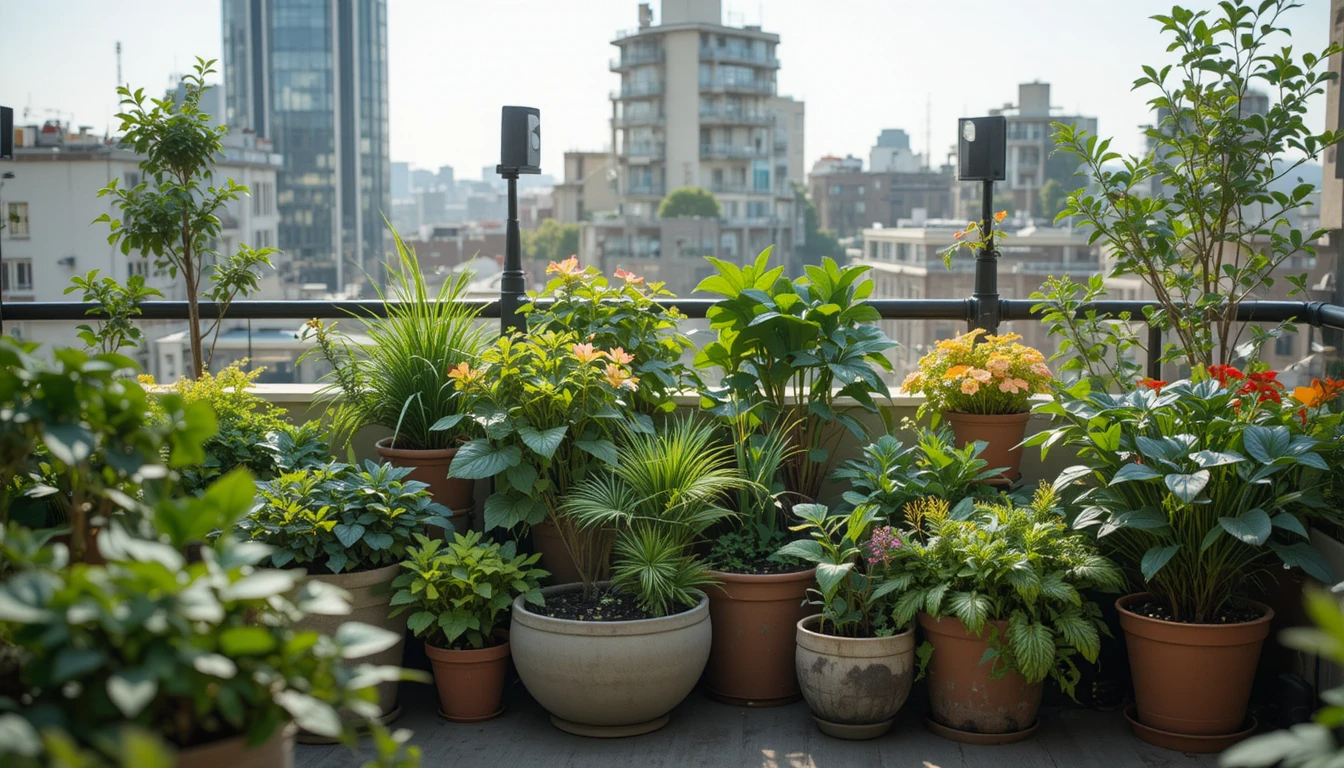
Gardening advice can be overwhelming. Soil pH, companion planting, frost dates, pruning schedules—it’s enough to make anyone think they need a horticulture degree just to grow a tomato. But here’s the secret: Plants want to grow. Your job isn’t to control every variable; it’s to create reasonable conditions and then let nature do what it does best.
This guide cuts through the complexity to give you exactly what you need to get started—no prior knowledge required. We’ll focus on high-success plants, simple techniques, and forgiving timelines. Because the most important thing about your first garden isn’t perfect produce; it’s building confidence that keeps you coming back next season.

PART 1: THE MINDSET SHIFT
Killing Plants is Part of Learning
Let’s get this out of the way: You will kill plants. Every gardener does. I’ve killed hundreds. It’s not failure; it’s data collection. Each “mistake” teaches you something about your specific conditions.
The Beginner’s Bill of Rights:
- You have permission to start small (one pot counts!)
- You have permission to buy plants instead of starting from seeds
- You have permission to ignore 90% of gardening advice
- You have permission to focus on what’s fun, not what’s “right”
- You have permission to change your mind and try something different
The Three Unbreakable Rules
Forget the hundreds of gardening rules. Remember just these three:
1. Roots Need Air
If soil stays soggy, roots suffocate. Always use containers with drainage holes. If planting in ground, don’t overwater.
2. Plants Eat Light
No sun = no food. Match your plant choices to the actual light you have, not what you wish you had.
3. Start with Success
Choose plants that are hard to kill. Build confidence first, then experiment.
PART 2: THE SIMPLE STARTER KIT
What You Actually Need (Not What Gardening Magazines Say)
The Bare Minimum:
- A container with holes (can be an old bucket with holes drilled)
- Bag of potting mix (not garden soil—look for “potting mix”)
- A watering can or hose
- One plant or packet of seeds
Nice to Have (But Not Essential):
- Hand trowel ($10)
- Gardening gloves ($5)
- Small bag of compost ($5)
What You DON’T Need Yet:
- Expensive tools
- Fertilizers
- Soil test kits
- Special lights
- Greenhouse
The Magic Question: Seeds or Starter Plants?
Start with PLANTS if:
- You want instant gratification
- You tend to be impatient
- You’re starting mid-season
- You want near-guaranteed success
Start with SEEDS if:
- You want more variety
- You enjoy the process
- You’re starting at the right time for that crop
- You don’t mind some failure
Best Beginner Starter Plants: Cherry tomato, basil, mint, zucchini, marigolds
Best Beginner Seeds: Radishes, lettuce, beans, sunflowers, nasturtiums
PART 3: THE CAN’T-KILL FIRST GARDEN
Option A: The Sunny Spot Garden (6+ hours of sun)
The Container Trio:
- Cherry Tomato (one plant in a 5-gallon bucket)
- Buy as a small plant
- Needs cage or stake for support
- Water when top inch of soil is dry
- Produces hundreds of tomatoes with minimal care
- Basil (one plant in a 1-gallon pot)
- Buy as a small plant
- Snip leaves often to encourage bushiness
- Perfect with tomatoes
- Will try to flower—just pinch off flowers
- Marigolds (seeds or plants in a 12-inch pot)
- Bright, cheerful, pest-resistant
- Sow seeds directly or buy plants
- Bloom all summer with minimal care
Why This Works:
- All three thrive in same conditions
- Visually appealing together
- Useful (tomatoes, herbs) and decorative
- Forgiving of minor mistakes
Option B: The Shady/Part-Sun Garden (3-6 hours of sun)
The Leafy Green Collection:
- Lettuce Mix (seeds in a 12-inch pot)
- Sprinkle seeds on soil surface, lightly cover
- Keep soil moist until sprouts appear
- Snip leaves with scissors when 4 inches tall
- Will regrow 2-3 times
- Mint (one plant in its own pot—it spreads aggressively)
- Buy as a small plant
- Can’t really kill it
- Perfect for drinks, cooking
- Keep in pot so it doesn’t take over
- Impatiens or Coleus (plants for color)
- Buy as small plants
- Add instant color to shady spots
- Bloom/provide color all season
Why This Works:
- All tolerate less sun
- Fast results (lettuce in 30 days)
- Minimal pest problems
- Can be grown in small spaces
Option C: The “I Just Want Something Alive” Garden
The Ultra-Forgiving Plants:
- Snake Plant (indoors, any light)
- Literally thrives on neglect
- Water once a month
- Impossible to kill
- Pothos (indoors, any light)
- Grows in water or soil
- Trail it or let it climb
- Tell when to water (leaves droop slightly)
- Succulents (bright window)
- Water only when soil is completely dry
- Come in fun shapes and colors
- Very hard to overwater if you follow the “dry completely” rule
PART 4: THE SIMPLIFIED PLANTING PROCESS
Container Planting Made Foolproof
Step-by-Step for Pots:
- Choose container with drainage holes
- Add potting mix to within 2 inches of top
- Water soil until it runs out bottom
- Make hole for plant (same depth as nursery pot)
- Remove plant from nursery pot gently
- Place in hole, fill around with soil
- Water again to settle soil
- Add label (trust me, you’ll forget)
Common Mistakes to Avoid:
- Don’t bury plant deeper than it was
- Don’t pack soil too tightly
- Don’t leave air pockets around roots
- Don’t put gravel in bottom (myth—doesn’t help drainage)
Direct Sowing Seeds (Even Easier)
For Radishes, Lettuce, Beans:
- Moisten soil first
- Make shallow furrow (¼ inch for lettuce, ½ inch for beans)
- Space seeds as directed (or just sprinkle and thin later)
- Cover lightly with soil
- Keep moist (not soggy) until sprouts appear
- Thin seedlings when they have 2-3 leaves
Pro Tip: Mix radish and carrot seeds together. Radishes sprout fast, marking the row. When you harvest radishes in 25 days, you make space for carrots.
PART 5: THE WATERING SIMPLIFIED
The Only Watering Rule You Need
The Finger Test:
- Stick your finger into soil up to second knuckle
- If soil feels dry → water thoroughly
- If soil feels damp → check again tomorrow
- If soil feels wet → you’re overwatering
What “Water Thoroughly” Means:
- Water until it runs out drainage holes
- For in-ground: water slowly for count of 20
- Best time: morning
- Second best: evening
- Avoid: midday (wastes water)
Signs You’re Watering Wrong:
Overwatering:
- Yellow leaves
- Mushy stems
- Soil constantly wet
- Fungus gnats (tiny flies)
Underwatering:
- Wilting (check soil first—could also be overwatering!)
- Dry, crispy leaves
- Soil pulling away from pot edges
- Very light pot
Emergency Recovery:
- Overwatered: Stop watering, move to sun, consider repotting
- Underwatered: Soak entire pot in bucket of water for 30 minutes
PART 6: THE LIGHT DECODER
Stop Guessing About Sun
Simple Light Assessment:
- Full Sun = 6+ hours of direct sun
- Fruiting plants (tomatoes, peppers, cucumbers)
- Most herbs (basil, rosemary, thyme)
- Sunflowers, zinnias, marigolds
- Part Sun/Part Shade = 3-6 hours of sun
- Leafy greens (lettuce, spinach, kale)
- Root vegetables (carrots, beets, radishes)
- Many flowers (impatiens, coleus, begonias)
- Full Shade = Less than 3 hours direct sun
- Hostas, ferns
- Some herbs (mint, parsley, cilantro—will be leggy)
- Focus on foliage, not flowers
What “Direct Sun” Actually Means:
Sunbeams actually hitting the leaves, not filtered through trees. Morning sun is gentler than afternoon sun.
What to Do If You Don’t Have Enough Sun:
- Container gardening: Move pots to follow sun
- Reflective surfaces: White walls, foil reflectors
- Grow lights: Simple LED lights if indoors
- Accept and adapt: Grow what works in your conditions
PART 7: THE BEGINNER’S SEASONAL CALENDAR
Forget Last Frost Dates
Simplified Seasonal Guide:
Spring (When days are warming but nights still cool):
- Plant: lettuce, radishes, peas, spinach
- Buy starter plants: broccoli, cabbage, kale
Early Summer (When nights are above 50°F):
- Plant: beans, carrots, beets
- Buy starter plants: tomatoes, peppers, basil, marigolds
Midsummer (Hot!):
- Plant: zucchini, cucumbers (they love heat)
- Keep everything watered
- Harvest daily
Late Summer (Cooling slightly):
- Plant more lettuce, spinach, radishes
- These will grow into fall
Fall (Cool days, cool nights):
- Plant garlic for next year
- Harvest everything before frost
The “Plant When You See” Guide:
- Daffodils blooming: Plant peas, spinach
- Apple trees blooming: Plant lettuce, radishes
- Lilacs blooming: Plant beans, carrots
- Daylilies blooming: Plant zucchini, cucumbers
PART 8: PROBLEM-SOLVING FOR BEGINNERS
The Top 5 Problems and Simple Solutions
1. Yellow Leaves
- Most likely: Overwatering
- Check: Soil with finger test
- Fix: Water less frequently
2. No Flowers/Fruit
- Most likely: Not enough sun
- Check: Actual hours of direct sun
- Fix: Move to sunnier spot or choose different plants next year
3. Holes in Leaves
- Most likely: Bugs
- Check: Undersides of leaves
- Fix: Spray off with water, hand pick big bugs
4. Leggy/Stretched Plants
- Most likely: Not enough light
- Check: Light conditions
- Fix: Move to brighter location, pinch back to encourage bushiness
5. Nothing Growing
- Most likely: Wrong season or bad seeds
- Check: Soil temperature (should be warm)
- Fix: Try different seeds, be patient
When to Worry (and When Not To)
Don’t Panic About:
- A few holes in leaves
- One yellow leaf at bottom
- Slow growth in cool weather
- A plant that looks different than expected
Do Address:
- Entire plant wilting
- White powdery coating on leaves
- Swarms of tiny insects
- Rapid plant death
PART 9: THE FIRST YEAR PLAN
Month-by-Month for Complete Beginners
Month 1-2: The Starter Phase
- Buy 2-3 plants that match your light
- Plant in containers with potting mix
- Practice the finger test watering
- Observe how plants respond
Month 3-4: The Expansion Phase
- Try planting some seeds (radishes or beans)
- Notice what’s working, what’s not
- Maybe add one more plant type
- Start harvesting (even just herbs)
Month 5-6: The Confidence Phase
- You’ll notice patterns
- Watering becomes intuitive
- Consider a slightly more challenging plant
- Share your success with someone
Month 7-12: The Planning Phase
- Note what worked well
- Plan next year’s garden
- Maybe save some seeds
- Consider a small in-ground bed
PART 10: COMMON MYTHS DEBUNKED
Gardening “Rules” You Can Ignore
Myth 1: “You must test your soil”
- Reality: For beginners growing in containers with potting mix, not necessary
- When it matters: If plants are struggling despite good care
Myth 2: “You need expensive fertilizer”
- Reality: Potting mix has nutrients for 3-4 months
- When to fertilize: If plants have been in same soil for months and look pale
Myth 3: “You must companion plant”
- Reality: Plants grow fine alone
- When it helps: As you gain experience, some combinations do help
Myth 4: “You need to prune/train/pinch”
- Reality: Many plants grow fine without intervention
- When it helps: For maximum production, but not required for beginners
Myth 5: “Organic is always better”
- Reality: Success is better than ideology
- Beginner approach: Do what works, refine toward organic as you learn
PART 11: BUILDING ON SUCCESS
What to Try After Your First Wins
After Growing Herbs Successfully:
- Try rosemary or thyme (a bit more challenging)
- Make pesto with your basil
- Dry herbs for winter
After Growing Lettuce Successfully:
- Try different lettuce varieties
- Add spinach or kale
- Try succession planting (new seeds every 2 weeks)
After Growing Tomatoes Successfully:
- Try a different tomato variety
- Add peppers or eggplant
- Learn simple pruning for better production
After Growing Flowers Successfully:
- Try zinnias or sunflowers from seed
- Learn about cutting flowers for arrangements
- Add different colors and heights
PART 12: THE BEGINNER’S TOOL KIT EVOLUTION
What to Buy as You Progress
Phase 1: Absolute Beginner
- Pot with drainage holes
- Bag of potting mix
- Watering can
- One plant
Phase 2: Hooked Beginner
- Hand trowel
- Pruners
- Several pots in different sizes
- Seed packets
- Gardening gloves
Phase 3: Committed Beginner
- Wheelbarrow or garden cart
- Drip irrigation kit
- Soil test kit
- Several bags of compost
- Kneeling pad
Phase 4: Confident Gardener
- Whatever solves your specific problems
- Tools that make your favorite tasks easier
- Investments based on your actual gardening style
PART 13: COMMUNITY AND RESOURCES
Where to Find Help (That Won’t Overwhelm You)
Best Beginner Resources:
- Local nurseries (not big box stores)
- Staff are usually gardeners
- Plants are suited to your area
- Can ask specific questions
- Extension service websites (.edu sites)
- Search “[Your State] extension vegetable gardening”
- Science-based, localized information
- Free publications
- Gardening apps:
- Planta (tells you when to water)
- PictureThis (identifies plants)
- From Seed to Spoon (planting guides)
- Social media:
- Instagram: #beginner gardener
- Reddit: r/gardening (use the beginner thread)
- Facebook: Local gardening groups
What to Avoid as a Beginner:
- Complicated gardening books
- Overly technical forums
- People who make gardening sound like rocket science
- Advice that contradicts what’s working for you
CONCLUSION: YOUR GARDENING JOURNEY STARTS HERE
Gardening isn’t a test you pass or fail. It’s a relationship you build—with plants, with soil, with seasons, and with yourself. The measure of success isn’t a perfect harvest; it’s whether you want to do it again tomorrow.
Start small. Start simple. Start with what brings you joy. A single pot of herbs on a windowsill counts. A cherry tomato plant in a bucket counts. A packet of sunflower seeds counts.
Your first garden will teach you more than any book:
- Patience (things grow on their schedule, not yours)
- Observation (noticing small changes daily)
- Resilience (when something dies, you try again)
- Connection (to nature’s cycles, to your food, to life itself)
The secret that experienced gardeners know but rarely say aloud: We’re all just beginners who kept going. We’ve all killed plants. We’ve all made mistakes. We’ve all had seasons where nothing worked. The difference is we didn’t let that stop us.
So plant something today. Water it when it’s dry. Watch what happens. Learn from what works and what doesn’t. And most importantly: Enjoy the process.
Welcome to gardening. It’s messy, it’s unpredictable, it’s humbling, and it’s one of the most rewarding things you’ll ever do. Your first seed, your first sprout, your first flower, your first harvest—these moments will change how you see the world.
Your gardening adventure begins now. What will you plant first?