
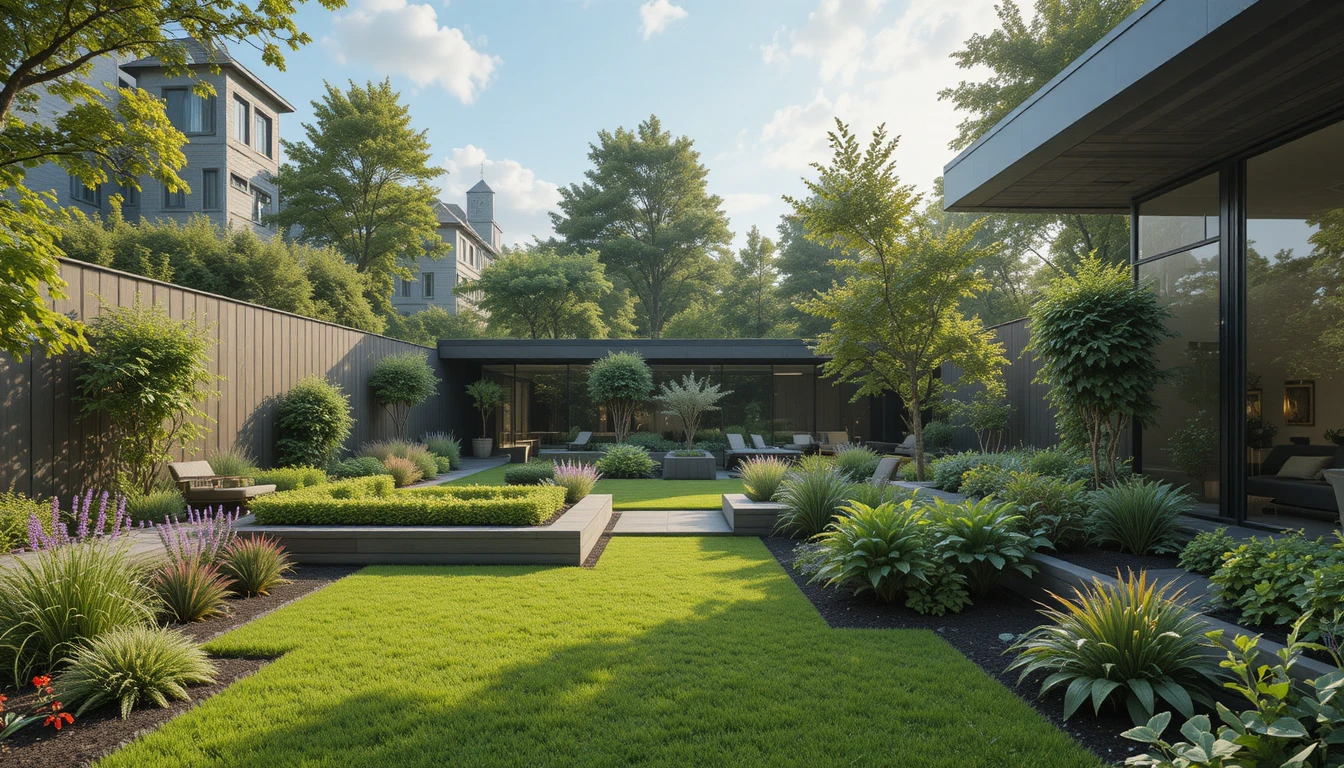
In the heart of the city, where the soundtrack is traffic and the landscape is steel and glass, a quiet revolution is taking root. It’s the movement of Urban Green Living—a conscious choice to weave nature back into the fabric of our daily lives, not as a distant escape, but as an integrated, essential element of home, health, and community.
This isn’t just about having a houseplant. It’s a holistic philosophy that transforms balconies into ecosystems, windowsills into micro-farms, and mindsets toward sustainability. In this comprehensive guide, we’ll explore how to cultivate your own urban oasis, from the soil up to the sky, proving that you don’t need a backyard to have a deep, meaningful connection with the living world.
Why Green the Grey? The Compelling Case for Urban Nature
Before we dig into the “how,” let’s understand the powerful “why.” Urban green living addresses fundamental challenges of city life:
- The Biophilia Hypothesis: We have an innate, genetic need to connect with nature. Fulfilling this in cities reduces stress, lowers blood pressure, and improves mental well-being.
- The Food Security & Mileage Question: Growing even 10% of your herbs or greens reduces plastic packaging, food miles, and connects you to your nourishment.
- The Urban Heat Island Effect: Plants cool cities. A green balcony or living wall can reduce ambient temperature around your home significantly.
- Biodiversity Corridors: Your container garden can be a vital pitstop for pollinators like bees and butterflies, creating tiny wildlife highways through the urban matrix.
- Community & Connection: Green spaces foster interaction. A shared rooftop garden or a verdant front stoop becomes a conversation starter and builds neighborhood bonds.
Urban green living is an act of resilience, creativity, and personal and planetary health.
Part 1: The Foundation – Assessing Your Urban Environment
Your first task is to become a detective of your own space. Forget traditional gardening zones; we’re defining Micro-Climates.
1. Light Audit: Follow the Sun
Track light patterns over 2-3 days.
- Full Sun (6+ hours direct light): South/West-facing. Ideal for tomatoes, peppers, rosemary, lavender, succulents.
- Partial Sun/Shade (3-6 hours): East-facing. Perfect for leafy greens (lettuce, kale), herbs (mint, parsley), and many flowers (coleus, impatiens).
- Full Shade (<3 hours direct light): North-facing or light wells. Don’t despair! Hostas, ferns, begonias, and edible mushrooms (via kits) thrive here.
Pro-Tech Tip: Use a free app like Sun Surveyor or a simple light meter to get precise data.
2. Space Maximization: Think Vertically & Multi-Functionally
Every square inch counts.
- Vertical Real Estate: Walls, railings, windows, and even the air above you are prime space.
- The 3-Layer Principle: Ground layer (shallow pots), middle layer (mid-height plants on shelves), canopy layer (hanging baskets, tall climbers).
3. Weight & Access: The Logistics of Load and Water
- Balcony/rooftop weight limits are CRITICAL. Consult building management. Remember: wet soil, ceramics, and water reservoirs are heavy. Use lightweight plastic/resin pots and soil mixes with perlite or vermiculite.
- Water Source: How will you water? A long hose from the kitchen sink? Self-watering systems are an urban gardener’s best friend.
Part 2: The Green Toolkit – Systems for Every Urban Space
1. The Balcony Ecosystem: Your Private Sky Garden
Transform your balcony from a storage area to a productive retreat.
- Flooring & Privacy: Use artificial grass, interlocking deck tiles, or a vertical screen of fast-growing climbers (like morning glory or hops) for instant privacy.
- The Container Strategy: Use a mix of sizes. Large, deep pots for dwarf fruit trees (fig, citrus) or tomatoes. Long window boxes for herbs and salad greens. Hanging baskets for strawberries and trailing flowers.
- Railing Planters: Double your space by using clamp-on railing boxes. Ensure they are securely fastened against wind.
- The Wind Factor: Cities create wind tunnels. Use trellises as windbreaks, choose sturdy plants, and secure tall containers.
2. The Windowsill Revolution: Micro-Gardening at its Finest
Your window is a potential powerhouse.
- Indoor Herb Garden: A classic for a reason. Use a self-watering planter like Click & Grow or a simple tiered stand. Grow basil, thyme, chives, and cilantro year-round.
- Sprouting & Microgreens: The ultimate fast food. In 7-14 days, you can harvest incredibly nutrient-dense sprouts (in a jar) or microgreens (in a shallow tray) like broccoli, radish, or pea shoots.
- Light Optimization: Use reflective surfaces (a white backdrop or foil) to bounce light onto plants. Rotate pots regularly.
3. Living Walls & Green Facades: The Art of Vertical Gardening
This is where urban green living becomes architectural.
- DIY Modular Systems: Use pocket planters (felt or plastic), repurposed pallets, or a grid of wall-mounted pots.
- Plant Selection for Walls: Choose plants with similar light/water needs per panel. Excellent choices include pothos, philodendron, ferns, succulents (for sunny, dry walls), and even compact strawberries or herbs.
- Irrigation: A simple drip irrigation system on a timer is essential for maintenance—watering a wall by hand is cumbersome.
4. Rooftop Transformations: The Ultimate Urban Frontier
If you have safe access, a rooftop can be a game-changer.
- Containers vs. Raised Beds: Use large, lightweight fabric pots (Smart Pots) or build raised beds with drainage directly on the surface. Never place soil directly on roofing material.
- Wind & Sun Intensification: Rooftops are extreme environments. Install semi-permanent windbreaks (like lattice screens) and provide afternoon shade for sensitive plants using shade cloth.
- The Social Rooftop: Create a communal garden with neighbors. Assign plots, share tools, and build a green community in the sky.
Part 3: The Sustainable Systems – Closing the Loop in the City
True urban green living integrates eco-practices into the growing process.
1. Soil & Composting in Small Spaces
- Buying Soil: Use high-quality, peat-free potting mix. It’s worth the investment.
- Composting Without a Yard:
- Bokashi Bins: Ferment kitchen scraps (including meat/dairy) anaerobically in a sealed bucket. The resulting pre-compost can be buried in planters or added to community gardens.
- Worm Farms (Vermicomposting): A compact, odorless system using red wiggler worms. They turn your food scraps into incredible “black gold” worm castings. Perfect for under the sink or on a balcony.
- Community Compost Hubs: Many cities now have local drop-off points for organic waste.
2. Water Wisdom: Conservation is Key
- Greywater Systems: Simple, legal methods include using a bucket in the shower to catch warm-up water, or emptying dehumidifier collection tanks onto your plants.
- Self-Watering Pots & Ollas: These sub-irrigation systems dramatically reduce water waste and frequency of watering—a weekend-proof solution.
- Rainwater Harvesting: Even in the city! Use a slimline rain barrel connected to a downspout (check local regulations).
3. Growing Food: The Urban Harvest
- Start with “Sure Things”: Herbs, leafy greens, radishes, and cherry tomatoes are forgiving and productive.
- Embrace Dwarf & Patio Varieties: Breeders have created compact versions of fruit trees, vegetables, and berries specifically for containers.
- Practice Succession Planting: As soon as you harvest a radish, plant another seed in its place. Keep the production line moving.
Part 4: Beyond the Plants – The Holistic Urban Green Lifestyle
Green living extends beyond your own containers.
1. Biophilic Design Indoors
Bring the principles inside. Use natural materials (wood, stone, jute), maximize natural light, and create “green vignettes”—groupings of plants at different heights to mimic a natural landscape. Even the sound of a small tabletop fountain can introduce calming natural elements.
2. Supporting the Urban Ecosystem
- Pollinator Pitstops: Plant native flowers in your containers. Even a pot of lavender or coneflowers helps city bees.
- Bird & Insect Hotels: Install a small bee hotel or a suction-cup bird feeder to your window.
3. Engaging in the Green Community
- Community Gardens: The heart of urban agriculture. Secure a plot to access more space and learn from fellow gardeners.
- Guerilla Gardening: The playful, activist side. Seed-bomb neglected lots (with native, non-invasive seeds), or adopt a tree pit on your street.
- Advocacy: Support policies for green roofs, park development, and tree-planting initiatives in your city.
Addressing the Urban Challenges: Troubleshooting Your Oasis
- Poor Light? Invest in affordable grow lights (full-spectrum LEDs) to supplement. They’re energy-efficient and can turn a dark corner into a herb haven.
- Pests in Close Quarters? Avoid chemical sprays. Use neem oil, insecticidal soap, or introduce beneficial insects like ladybugs (available for order online).
- Limited Time? Automate with self-watering systems and choose low-maintenance, drought-tolerant plants like succulents, snake plants, and rosemary.
- Feeling Isolated? Join online urban gardening forums (like on Reddit’s r/UrbanGardening) or local Facebook groups. Share your triumphs and failures.
The Ripple Effect: Why Your Urban Oasis Matters
Your balcony garden is more than a hobby. It is:
- A biological act that cleans air and supports life.
- A political act that reclaims space for nature in human-centric design.
- A philosophical act that asserts slowness, care, and cyclical growth in a fast, linear world.
- A hopeful act that demonstrates adaptation and resilience.
Conclusion: Your City, Your Garden
Urban Green Living is not about achieving perfection or a Pinterest-ready aesthetic. It’s about the daily practice of noticing—the unfurling of a new leaf, the arrival of a bee, the taste of a sun-warmed tomato you grew yourself, six stories up.
It re-enchants the everyday. The city becomes not a concrete desert, but a landscape of potential habitats, waiting to be activated by soil, seed, and intention.
Start small. A pot of basil. A windowsill of sprouts. Let that success be the seed that grows into a greener, more connected, and more vibrant urban life. The concrete jungle is ready to bloom, and you have the tools to help it happen.
Ready to map your urban oasis? Download our free “Urban Green Space Blueprint”—a workbook to audit your space, choose your systems, and create a 90-day greening plan tailored to your unique city life.