

For many, a garden is a summer affair—a burst of colour and life from June to August. But for the enlightened gardener, the earth’s gentle rotation through the seasons isn’t a constraint; it’s the most powerful tool in the shed. Seasonal gardening is the art and science of syncing your efforts with nature’s innate rhythm. It’s about working smarter, not harder, to create a resilient, productive, and beautiful garden that delivers joy and bounty every single month of the year.
This comprehensive guide will walk you through the essential tasks, planting opportunities, and strategic planning for each season. Embracing this cyclical approach leads to healthier soil, fewer pests, reduced water usage, and a deeply satisfying connection to the natural world.
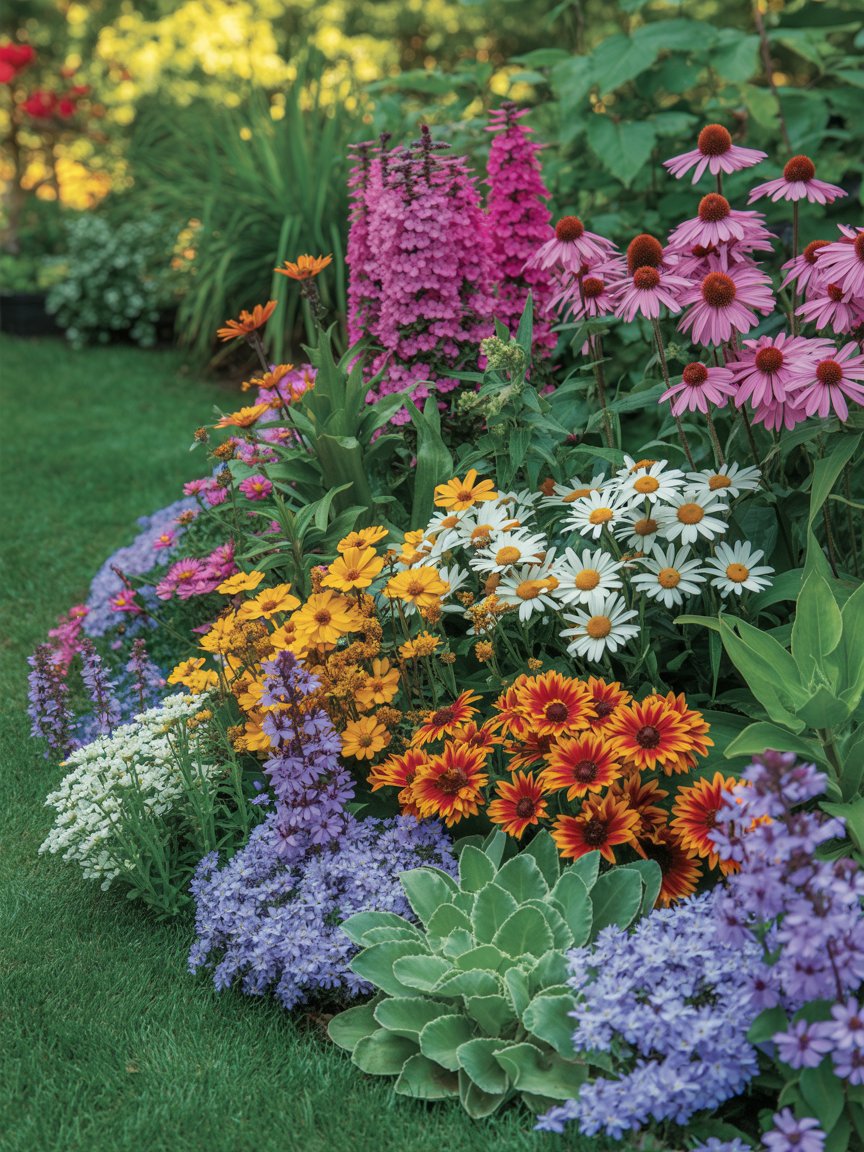
The Philosophy of Seasonal Gardening: Why Timing is Everything
Before we dive into the monthly checklist, let’s understand the core principles. Seasonal gardening is rooted in phenology—observing how plant and animal life cycles respond to seasonal and climatic changes. The old adage “plant peas when the forsythia blooms” is classic phenology in action.
Key Benefits:
- Maximised Productivity: By planting crops in their ideal conditions, you ensure stronger growth and higher yields.
- Natural Pest & Disease Management: Healthy, seasonally-appropriate plants are more resistant. Breaking pest cycles by rotating crops seasonally is a cornerstone of organic gardening.
- Soil Health: Alternating deep-rooted and shallow-rooted plants, and using cover crops, prevents nutrient depletion and builds fertile soil.
- Extended Harvest: With succession planting and careful variety selection, you can harvest fresh food for 10-12 months of the year.
- Water Conservation: Plants established in their optimal season require less supplemental watering.
SPRING: The Season of Awakening & Action (March-May)
Spring is a crescendo of activity. The key is to start slowly, resist working wet soil, and be prepared for late frosts.
Early Spring (March – Early April): The Planning & Prep Phase
- Clean Up & Assess: Remove winter debris but leave some leaf litter in beds for overwintering beneficial insects. Cut back old perennial stems. Note what survived the winter.
- Soil is King: This is the single most important task. Test your soil pH and nutrients. Once the soil is workable (not soggy), add a 2-3 inch layer of well-rotted compost or manure. Turn it in lightly or let worms do the work.
- Start Seeds Indoors: Get a jump on the season by sowing slow-growing summer stars indoors: tomatoes, peppers, aubergines, brassicas (broccoli, cabbage), and herbs like basil. Use seed trays with a heat mat for best germination.
- Direct Sow (if conditions allow): Hardy vegetables can be sown directly as soon as soil reaches 7°C (45°F): peas, spinach, kale, radishes, carrots, and parsnips. Plant onion sets and early potato varieties.
- Pruning: Prune late-summer flowering shrubs (like Buddleia) and dormant roses. Finish pruning fruit trees before buds break.
Mid to Late Spring (April – May): The Main Planting Window
- Harden Off & Transplant: Gradually acclimate indoor-started seedlings to outdoor conditions over 7-10 days. Transplant hardened-off brassicas and cooler-season crops.
- Direct Sow Continually: Make successive sowings of radishes, lettuces, and carrots every two weeks for a continuous harvest. Sow beetroot, chard, and turnips.
- Lawn Care: Scarify, aerate, and apply a spring feed. Reseed bare patches.
- Pest Patrol: As aphids emerge, encourage ladybirds and lacewings. Use fleece or cloches to protect tender seedlings.
- Plant Summer Bulbs: Dahlias, gladioli, and lilies can go in after the risk of frost has passed.
SUMMER: The Season of Abundance & Maintenance (June-August)
Summer is for enjoyment, but vigilant maintenance ensures the bounty continues into autumn.
Early Summer (June): Peak Growth & Planting
- Final Transplanting: Get all remaining summer crops into the ground: tomatoes, cucumbers, squash, beans, sweetcorn, and basil.
- Succession Planting: As you harvest early radishes and spinach, replant those spaces with bush beans, quick-maturing carrots, or more salad leaves.
- Watering Wisely: Water deeply and infrequently, early in the morning, targeting the roots. Soaker hoses or drip irrigation are ideal. Mulch heavily with straw, wood chips, or compost to retain moisture and suppress weeds.
- Support & Train: Tie in climbing beans, tomatoes, and vines. Pinch out side shoots on cordon tomatoes.
High Summer (July – August): Harvest & Hydration
- The Great Harvest: Pick vegetables like courgettes and beans regularly to encourage more production. Harvest herbs for fresh use and drying.
- Deadheading: Regularly remove spent flowers from annuals and perennials (like roses, dahlias) to promote continuous blooming.
- Feeding: Give heavy feeders (tomatoes, cucumbers, containers) a weekly liquid feed with a balanced organic fertiliser or comfrey tea.
- Weed Management: Weeds compete fiercely for water and nutrients. A quick, regular hoe when the soil is dry is most effective.
- Plan for Autumn: In late July/August, start seeds for autumn harvest: broccoli, kale, Brussels sprouts, and leeks.
AUTUMN: The Season of Harvest & Preparation (September-November)
Autumn is arguably the most crucial season. It’s a time of plenty, but also of laying the groundwork for next year.
Early Autumn (September): Transition Time
- Harvest & Store: Harvest maincrop potatoes, onions, and squash. Cure pumpkins and onions for storage. Pick apples and pears.
- Sow for Spring: A secret of veteran gardeners! Sow overwintering onions, broad beans, and hardy peas. Plant garlic cloves for harvesting next July.
- Green Manures/Cover Crops: As beds empty, sow fast-growing cover crops like field beans, winter rye, or mustard. They protect soil, suppress weeds, and add organic matter when dug in.
- Lawn Care: Autumn is the best time for lawn repair. Aerate, scarify, and apply an autumn feed high in potassium for winter hardiness.
Mid to Late Autumn (October – November): The Big Clean-Up & Plant
- Tidy with Purpose: Clear annuals and diseased plant material. Leave ornamental grasses and seed heads for winter interest and wildlife.
- Plant, Plant, Plant! This is the absolute best time to plant trees, shrubs, perennials, spring-flowering bulbs (tulips, daffodils, crocus), and bare-root plants. The soil is warm, encouraging root growth, and autumn rains reduce watering needs.
- Protect Tender Plants: Move citrus, pelargoniums, and tender perennials into a frost-free greenhouse or conservatory.
- Compost: Create a new compost heap with autumn leaves and garden waste. Turn existing heaps.
- Tool Care: Clean, sharpen, and oil tools and machinery before storing for winter.
WINTER: The Season of Rest & Reflection (December-February)
The garden may appear dormant, but vital processes are at work, and the gardener’s mind is active.
Early Winter (December): Structure & Wildlife
- Appreciate Structure: Enjoy the bones of the garden—evergreens, ornamental bark, and seed heads dusted with frost.
- Wildlife Support: Keep bird feeders stocked. Provide fresh water. Leave some areas undisturbed for hibernating insects and mammals.
- Indoor Gardening: Force hyacinth and amaryllis bulbs for indoor scent and colour. Start a windowsill herb garden.
Deep Winter (January – February): Planning & Pruning
- Order Seeds & Plan: This is the dreamer’s season. Browse seed catalogues, draw garden plans, and finalise crop rotations. Order seeds early for the best selection.
- Pruning: Prune apple and pear trees (while dormant). Prune autumn-fruiting raspberries to the ground. Cut back late-summer flowering clematis (Group 3).
- Chitting Potatoes: Place seed potatoes in a cool, bright place to sprout (chit) ready for spring planting.
- Forcing Rhubarb: Cover early rhubarb crowns with a forcing pot or bucket for an earlier, sweeter harvest.
- Prepare for Spring: On mild days, you can begin digging over empty beds, incorporating compost. Service your lawnmower and other equipment.
Advanced Seasonal Strategies: Taking it to the Next Level
- Succession Planting: Don’t just plant once. As soon as one crop is harvested, have another ready to go in. Example: Spring Lettuce -> Bush Beans -> Autumn Kale.
- Interplanting (Companion Planting): Grow fast and slow crops together. Sow radishes (fast) among carrots (slow). The radishes mark the row and are harvested before the carrots need space.
- Season Extension: Use cloches, cold frames, and horticultural fleece to protect early and late crops, gaining precious weeks on either end of the season.
- Understanding Microclimates: Note the warm, sheltered spot by a south-facing wall (ideal for tender herbs) and the cool, shady area (perfect for leafy greens in summer). Use these to your advantage.
- Keeping a Garden Journal: This is your most valuable tool. Record planting dates, varieties, weather, successes, and failures. This personalised data is irreplaceable for refining your seasonal rhythm year after year.
Conclusion: Embracing the Cycle
Seasonal gardening is a journey, not a destination. It teaches patience, observation, and humility. There will be years when a late frost nips your peaches or a summer deluge rots your tomatoes. But by aligning your work with the ancient pulse of the seasons, you become a collaborator with nature, not a combatant.
Your reward is a garden that is not just a static picture, but a dynamic, ever-changing ecosystem. It’s the taste of the first sun-warmed strawberry in June, the crisp crunch of a homegrown apple in October, and the quiet promise of a sprouting seed in the February gloom. So pick up your calendar, step outside, and start gardening in tune with the greatest rhythm of all—the turning of the seasons. Your garden, and your soul, will thank you for it.
Ready to begin? Choose one seasonal tip from this guide—perhaps sowing a cover crop this autumn or ordering seeds for a new vegetable variety this winter—and put it into practice. The cycle starts with a single action.