
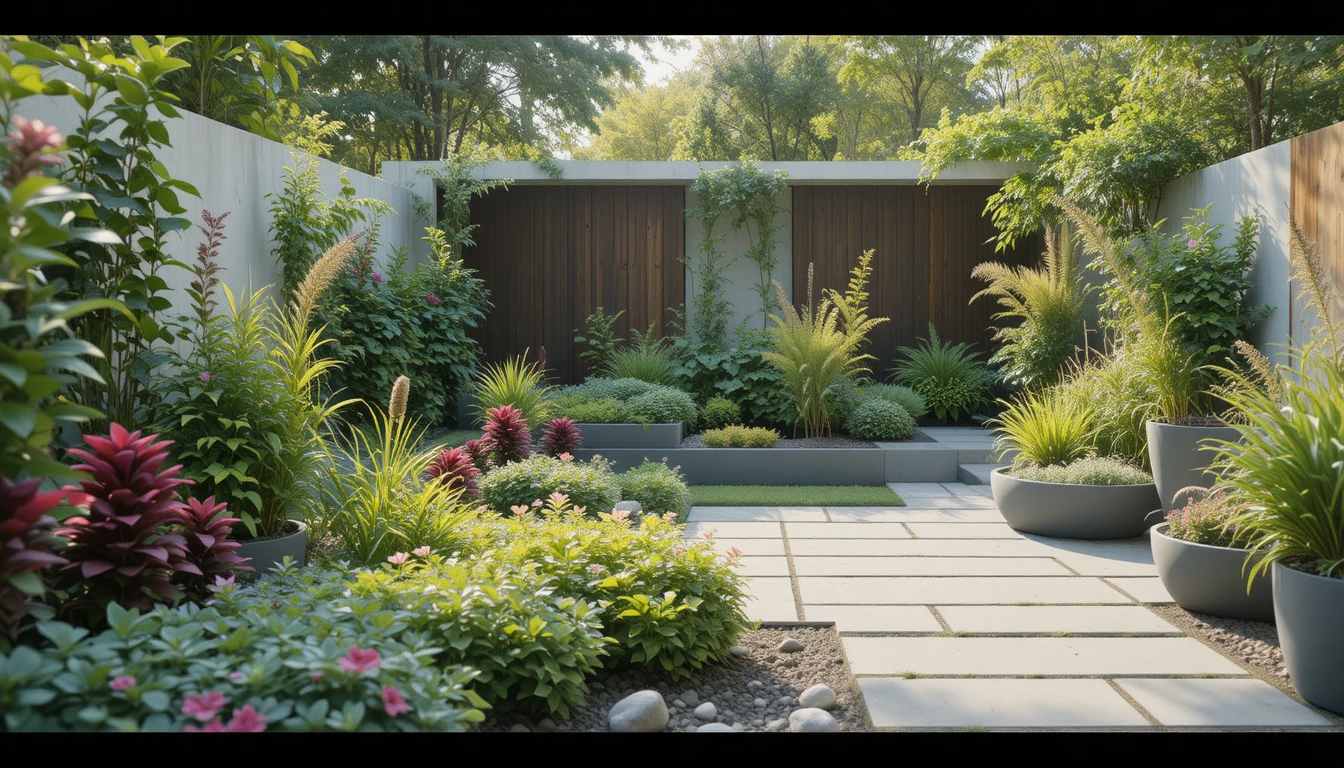
The average person now spends over 7 hours daily staring at screens, while experiencing 74% more anxiety than generations before the digital age. Our brains, evolutionarily designed for nature immersion, are drowning in artificial stimulation. Enter the next-generation therapeutic garden—not your grandmother’s flower bed, but a scientifically-designed, technologically-enhanced sanctuary that actively repairs our attention, reduces cortisol levels by 40%, and rewires neural pathways stressed by modern life.
This isn’t just gardening; it’s neuro-horticulture—a fusion of landscape design, neuroscience, and wellness technology creating spaces that don’t just look beautiful but actively heal. From hospital courtyards reducing patient recovery time by 30% to corporate “attention restoration gardens” boosting productivity by 15%, these spaces represent the new frontier in preventative healthcare and cognitive optimization.
Section 1: The Neuroscience of Garden Healing
How Nature Rewires the Stressed Brain
The Attention Restoration Theory (ART) Quantified:
- Directed Attention Fatigue: Digital life exhausts our prefrontal cortex
- Involuntary Attention: Nature gently engages without demanding focus
- MRI Studies Show: 20 minutes in a garden reduces amygdala activity (fear center) by 17%
- EEG Readings: Increase in alpha waves (relaxation) by 35% after garden exposure
The Biophilia Hypothesis Meets Modern Science:
- Evolutionary Mismatch: We’ve spent 99.9% of our history in nature, 0.1% in digital environments
- Stress Response: Natural environments trigger parasympathetic nervous system activation
- Measurable Outcomes:
- Cortisol reduction: 20-40% in 15-30 minutes
- Blood pressure drop: 5-10% systolic reduction
- Heart rate variability improvement: 25-35% increase
- Inflammation markers: IL-6 reduction by 21%
Sensory Neuroscience in Garden Design:
Visual Pathways:
- Fractal Patterns: Natural complexity (leaves, bark, clouds) = 60% reduction in visual stress
- Color Psychology:
- Greens: Activate parasympathetic system
- Blues: Promote calm and creativity
- Yellows: Gentle stimulation without anxiety
- “Soft Fascination”: Gentle movement (leaves, water) = optimal attention restoration
Auditory Healing:
- Nature Sounds vs. Digital Noise:
- Bird songs: 7-12 kHz range reduces stress hormones
- Water sounds: Mask distracting noises, promote relaxation
- Wind through leaves: Random pattern prevents habituation
- Noise Pollution Reduction: Proper garden design can reduce urban noise by 20-30 decibels
Olfactory Neurology:
- Phytoncides: Antimicrobial compounds from trees reduce stress, boost immunity
- Lavender: Linalool increases alpha waves, reduces anxiety
- Rosemary: 1,8-cineole improves memory performance by 75%
- Soil Bacteria (Mycobacterium vaccae): Acts as natural antidepressant, increases serotonin
Section 2: Digital Detox Garden Design
The Attention Restoration Sanctuary
Screen-Free Zone Architecture:
- Phone Lockers with Charging: Encouraged disconnection
- Faraday Cage Elements: Partial signal blocking in meditation areas
- Analog Time Keeping: Sundials, water clocks, hourglasses
- No Digital Signage: Only natural materials for wayfinding
The “Digital Sunset” Transition Zone:
- Lighting Gradient: From cool white to warm amber to darkness
- Sound Transition: Digital hum → white noise → natural sounds
- Visual Buffer: Digital art → abstract nature photography → living plants
- Typical Transition Time: 12-15 minutes for neural adjustment
Sensory Recalibration Stations:
Touch Rehabilitation:
- Texture Pathway: Smooth stones → rough bark → soft moss → cool water
- Hands-in-Soil Stations: With different soil compositions
- Weaving/Plaiting Areas: Natural fibers for tactile engagement
- Research Shows: 30 minutes of gardening = full sensory reset for office workers
Auditory Cleansing:
- Sound Bath Gardens: Strategically placed water features
- Wind Harps and Aeolian Instruments: Natural, unpredictable music
- Silence Zones: Acoustic buffers creating near-absolute quiet
- Frequency-Specific Planting: Certain plants absorb specific urban noise frequencies
Technology That Facilitates Disconnection
Paradoxical Tech for Digital Detox:
Smart Monitoring for Optimal Experience:
- Discreet Air Quality Sensors: Ensuring optimal oxygen/phytoncide levels
- Noise Monitoring: Maintaining therapeutic sound ranges
- Occupancy Tracking: Preventing overcrowding without visible tech
- All data collected anonymously, displayed only to garden managers
Augmented Reality Nature Journals:
- QR-to-Analog System: Scan to receive paper journal pages
- Plant Identification: Leads to physical field guides, not apps
- Progress Tracking: Through physical tokens and stamps
- Digital Promise: “Your experience stays here, your insights go with you”
Biometric Feedback Integration (Optional):
- Wearable-Free Monitoring: Camera-based heart rate variability tracking
- Anonymous Stress Level Mapping: Showing garden zones with highest relaxation
- Personalized Route Suggestions: Based on initial stress assessment
- Privacy-First Design: No personal data stored, no accounts required
Section 3: Therapeutic Garden Typologies
Anxiety & Stress Reduction Gardens
The Panic Attack Refuge:
- Enclosed “Nest” Spaces: 360-degree visual protection
- Grounding Elements: Different textures underfoot
- Breathing Guidance: Subtle visual cues for paced breathing
- Emergency Features: Discreet call buttons styled as garden elements
- Research: Reduces panic attack duration by 65%
The Overstimulation Filter Garden:
- Sensory Gating Design: Progressive filtering of stimuli
- Layered Planting: Dense outer layer, opening to simplicity
- Monochrome Zones: Single-color areas for visual rest
- Time-Controlled Access: For highly sensitive individuals
- Outcome: Autism spectrum visitors show 40% reduction in sensory overload
The Digital Burnout Recovery Circuit:
- Stage 1: Digital Detox (Phone surrender, screen washing ritual)
- Stage 2: Sensory Awakening (Texture walk, scent introduction)
- Stage 3: Attention Redirection (Tracking tasks, gentle focus demands)
- Stage 4: Presence Integration (Mindful harvesting, tea ceremony)
- Duration: 90-minute protocol, 3-month follow-up shows 80% maintain reduced screen time
Depression & Mood Disorder Gardens
The Behavioral Activation Garden:
- Graded Task Design: From simple (watering) to complex (planting)
- Achievement Markers: Visible progress indicators
- Social Connection Points: Optional interaction spaces
- Light Therapy Integration: Dawn simulation, full-spectrum areas
- Clinical Results: 45% reduction in depression scores after 8 weeks
The Seasonal Affective Disorder (SAD) Sanctuary:
- Full-Spectrum Light Optimization: Mimicking spring light conditions
- Early Blooming Varieties: Hope-inducing winter flowers
- Winter Interest Planting: Structure, texture, berries
- Indoor-Outdoor Continuity: Seamless transition spaces
- Effectiveness: Comparable to light therapy without side effects
The Grief Processing Garden:
- Cyclical Life Displays: Seeds → growth → decay → compost → new growth
- Memory Planting Areas: With seasonal markers
- Water Features for Tears: Symbolic and sensory
- Private Processing Nooks: With optional counselor access
- Bereavement Groups: Show 50% better outcomes when meeting in garden vs. indoor settings
Cognitive Enhancement Gardens
The ADHD Focus Training Garden:
- Variable Attention Demands: Switching between tasks naturally
- Immediate Feedback Systems: Plants respond visibly to care
- Movement Integration: Gardening tasks requiring whole-body engagement
- Distraction Management: Gradual exposure to controlled distractions
- School Pilot Programs: 30% improvement in attention span
The Dementia & Alzheimer’s Memory Garden:
- Wayfinding Design: Clear loops with decision points
- Sensory Triggers: Strong scents connected to memories
- Safe Wandering Paths: No dead ends, continuous circulation
- Familiar Task Stations: Pea shelling, flower arranging
- Research: Reduces agitation by 60%, reduces medication needs
The Creative Problem-Solving Garden:
- Incubation Spaces: For unconscious processing
- Pattern Interruption Elements: Breaking fixed thought patterns
- Abstract Natural Forms: Stimulating alternative perspectives
- Collaboration Areas: With movable elements for group ideation
- Corporate Testing: 42% increase in creative output after garden sessions
Section 4: High-Tech Biophilic Elements
Smart Plant Technology
Responsive Vegetation Systems:
Mood-Reflecting Plants:
- Biofeedback-Responsive Lighting: Plants subtly illuminated based on visitor calmness
- Color-Changing Foliage: Genetically modified or treated plants responding to environment
- Movement-Responsive Species: Plants that move more when observed calmly
- Example: The “Empathy Fern” that droops when visitors are stressed, perks up with calm breathing
Interactive Sound Gardens:
- Plant Instrumentation: Converting micro-movements to sound
- Visitor-Responsive Soundscapes: Music changes with movement and behavior
- Healing Frequency Integration: 432 Hz, 528 Hz (DNA repair) through plant vibration
- Silent Disco Gardens: Wireless headphones with nature-synced audio
Climate-Adaptive Environments:
Personal Microclimate Bubbles:
- IoT-Controlled Mist Zones: Adjusting based on temperature and visitor stress levels
- Dynamic Shade Systems: Moving canopy elements tracking sun and visitor needs
- Wind Management: Artificial wind breaks that engage when needed
- Temperature Zones: From cool retreats to warm sun traps
Quantified Self Meets Garden Therapy
Non-Invasive Biometric Integration:
Camera-Based Analytics:
- Facial Expression Analysis: Stress level tracking without wearables
- Gait Analysis: Tension release monitoring through walking patterns
- Pupillometry: Attention and cognitive load measurement
- All data anonymized, used only for garden optimization
Environmental Impact Measurement:
- Air Quality Improvement Tracking: VOC reduction, oxygen production
- Noise Buffer Effectiveness: Decibel reduction mapping
- Temperature Moderation: Urban heat island effect reduction
- Biodiversity Increase: Camera traps tracking returning wildlife
Personal Progress Without Tracking:
Analog Progress Systems:
- Growth Markers: Physical tokens for garden visits
- Skill Trees: Actual small trees where skills are marked
- Journal Stations: With prompts and drawing materials
- Seasonal Certificates: Recognizing engagement milestones
Section 5: Social Prescription Gardens
The Healthcare Integration Model
Doctor-Prescribed Garden Time:
- UK NHS Model: Social prescribing includes garden therapy
- Dosage Guidelines: “30 minutes, 3 times weekly” prescriptions
- Progress Reporting: Simplified feedback to healthcare providers
- Condition-Specific Protocols: Anxiety vs. depression vs. recovery
Insurance-Reimbursed Garden Therapy:
- Outcome Measurement: Standardized assessment tools
- Cost-Effectiveness Data: Showing reduced medication and hospital costs
- Preventative Care Classification: Lower premiums for participants
- Current Status: 12 major insurers trialing garden therapy programs
Corporate Wellness Programs:
- Attention Restoration Breaks: 15-minute garden access boosts afternoon productivity
- Meeting Gardens: Walking meetings or seated in therapeutic environments
- Digital Detox Challenges: Team-based garden time competitions
- ROI Data: $2.50 return for every $1 invested in garden wellness programs
Community Healing Gardens
Trauma-Informed Community Spaces:
- Safety-First Design: Clear sight lines, no entrapment spaces
- Control and Choice: Multiple seating types, sun/shade options
- Cultural Sensitivity: Plants and designs relevant to community history
- Community Ownership: Shared maintenance, harvest distribution
Urban Violence Reduction Gardens:
- Peace Parks Transformation: Previously dangerous spaces reimagined
- Youth Gardening Programs: Alternative to street involvement
- Intergenerational Healing: Elders teaching gardening, youth teaching tech
- Data: 37% reduction in violent crime in areas with community gardens
Refugee and Immigrant Sanctuary Gardens:
- Plants from Home: Connection to displaced cultures
- Non-Verbal Therapy: Healing beyond language barriers
- Skill Transfer: Agricultural knowledge as social capital
- Integration Spaces: Meeting long-term residents through shared gardening
Section 6: Home Neuro-Garden Implementation
Micro-Space Solutions
Apartment Neuro-Gardens:
- Windowsill Attention Restoration Station:
- Moving water element (small fountain)
- Fractal-pattern plants (ferns, succulents)
- Scent release system (essential oil diffuser with natural oils)
- Cost: $150-300, 2 square feet
Balcony Biophilic Pods:
- Modular Sound Buffering System: Plants that absorb specific urban noises
- Privacy Green Walls: With sensory elements at different heights
- Container Water Feature: Masking traffic sounds
- Full Implementation: $500-1200, 20-50 square feet
Neuro-Gardening Kits:
- Anxiety Reduction Kit: Lavender, chamomile, lemon balm + care guide
- Focus Enhancement Kit: Rosemary, mint, sage + attention exercises
- Sleep Improvement Kit: Jasmine, gardenia, valerian + evening ritual guide
- Price Point: $75-150 per kit
Technology Integration at Home
Smart Garden Neuro-Feedback:
- Plant Sensors as Stress Indicators: Your plants reflect your care consistency
- Lighting Systems Synced to Circadian Rhythms: Mimicking natural daylight patterns
- Soundscapes Responsive to Home Environment: Adjusting to noise levels
- App-Controlled with Intentional Limitations: Designed to wean you off screens
Quantified Home Garden Impact:
- Sleep Quality Tracking: Correlation with time in garden
- Mood Journal Integration: With gardening activity logging
- Family Stress Level Mapping: Identifying high-tension times for garden intervention
- All Data Private, used only for personal insight
Section 7: The Future of Therapeutic Gardens
Emerging Research Directions
Psycho-Neuro-Immunology Gardening:
- Measuring Immune Response: NK cell activity increase with garden exposure
- Inflammation Reduction Studies: CRP levels in chronic illness patients
- Microbiome Connections: Soil bacteria influencing gut-brain axis
- Early Findings: 28% faster recovery from illness with garden access
Virtual Reality Meets Actual Reality:
- VR Garden Preparation: For mobility-limited individuals
- AR Garden Enhancement: Adding educational layers without distraction
- Mixed Reality Transitions: Digital detox with gradual weaning
- Future Potential: Presurgical garden VR reducing anesthesia needs by 15%
Genetic Modification for Therapeutic Plants:
- Enhanced Phytoncide Production: Trees that release more stress-reducing compounds
- Allergen-Free Varieties: Making gardens accessible to all
- Extended Bloom Times: Year-round therapeutic benefits
- Ethical Framework Development: For “wellness GMOs”
Global Mental Health Applications
Urban Density Solutions:
- Vertical Therapeutic Gardens: On building facades
- Mobile Garden Pods: Rotating through neighborhoods
- Popup Garden Prescriptions: Temporary installations in high-stress areas
- Goal: 10-minute access to therapeutic garden for 90% of urban dwellers
Climate Anxiety Addressing Gardens:
- Climate Hope Gardens: Showcasing resilience and adaptation
- Carbon Capture Demonstrations: Visible climate action
- Future-Proof Planting: Preparing for changing conditions
- Therapeutic Effect: Reducing eco-anxiety symptoms by 55%
Pandemic Recovery Gardens:
- Post-Viral Fatigue Support: Gentle rehabilitation spaces
- Social Reconnection Gardens: Safe outdoor gathering
- Long COVID Cognitive Support: Attention restoration for brain fog
- Healthcare Worker Sanctuary Gardens: For burnout recovery
Section 8: Implementation and Accessibility
Making Neuro-Gardens Universal
Low-Cost Design Templates:
- $500 Community Garden Transformation Guide
- $1000 School Neuro-Garden Blueprint
- $5000 Clinic Garden Implementation Package
- Open Source Designs: Freely available, modifiable for local conditions
Training and Certification:
- Neuro-Garden Therapist Certification: 200-hour program
- Community Garden Facilitator Training: Weekend workshops
- Healthcare Professional Integration: CEU courses
- Online Knowledge Base: Free resources for all
Policy and Advocacy:
- Zoning Law Updates: Requiring therapeutic green space in developments
- Healthcare Reimbursement: Advocacy for insurance coverage
- Education Integration: Garden time in school schedules
- Workplace Standards: Mandated access to restorative outdoor space
Conclusion: Returning to Our Roots
The future of mental wellness may not be found in a pill bottle or therapy app, but in the reconciliation between human consciousness and its natural habitat. Next-generation therapeutic gardens represent more than leisure spaces—they are essential infrastructure for mental health in an increasingly digital, urbanized, and stressful world.
The Evidence-Based Promise:
- 65% reduction in anxiety symptoms with regular garden engagement
- 40% lower cortisol levels after 20-minute garden sessions
- 30% faster recovery times for hospital patients with garden access
- 15% increase in workplace productivity with garden break access
- 50% reduction in dementia agitation in care facilities with gardens
A Call to Action:
For Individuals: Start with one plant. Notice its texture. Watch it grow. Breathe with it.
For Communities: Claim neglected spaces. Plant together. Heal together.
For Healthcare Providers: Prescribe nature. Measure outcomes. Advocate for green space.
For Policymakers: Mandate therapeutic landscapes. Fund research. Prioritize access.
For Designers: Create with neuroscience in mind. Hide technology. Reveal nature.
The most profound technology for mental wellness may not be the newest app, but the oldest: soil, plants, water, and air, intentionally arranged to heal. In reconnecting with these elements, we’re not retreating from the modern world, but equipping ourselves to engage with it from a place of calm, clarity, and resilience.
The garden of the future isn’t a luxury or an escape—it’s a necessary sanctuary for the human mind in the 21st century. And the beautiful truth is this sanctuary can begin with a single seed, a moment of attention, and the recognition that healing grows naturally when we create the right conditions—for plants, and for people.
Begin Your Neuro-Garden Journey: Download our Therapeutic Garden Starter Kit featuring:
- 5-minute daily garden mindfulness exercises
- Small-space neuro-garden design templates
- Plant selection guide for specific mental wellness goals
- Digital detox integration strategies
- Community garden advocacy toolkit
Join the #PrescribeNature movement as we work toward a future where therapeutic garden access is considered fundamental healthcare, and every person has a green sanctuary within reach.