

Imagine this: You step into your backyard on a warm summer evening. You snip fresh basil, pick a sun-warmed cherry tomato, harvest a bulb of garlic, and pluck a sweet pepper. Minutes later, these ingredients are arranged on homemade dough and transformed in your oven into the most satisfying, flavorful pizza you’ve ever tasted. This isn’t a fantasy; it’s the delicious reality of growing a Pizza Garden.
A pizza garden is more than just a theme; it’s a brilliant, circular design that makes gardening incredibly rewarding and directly connected to a meal everyone loves. It teaches planning, seasonality, and the sheer joy of eating what you grow. Whether you have a large raised bed, a small patio, or just a few containers, you can create a pizza-producing paradise.
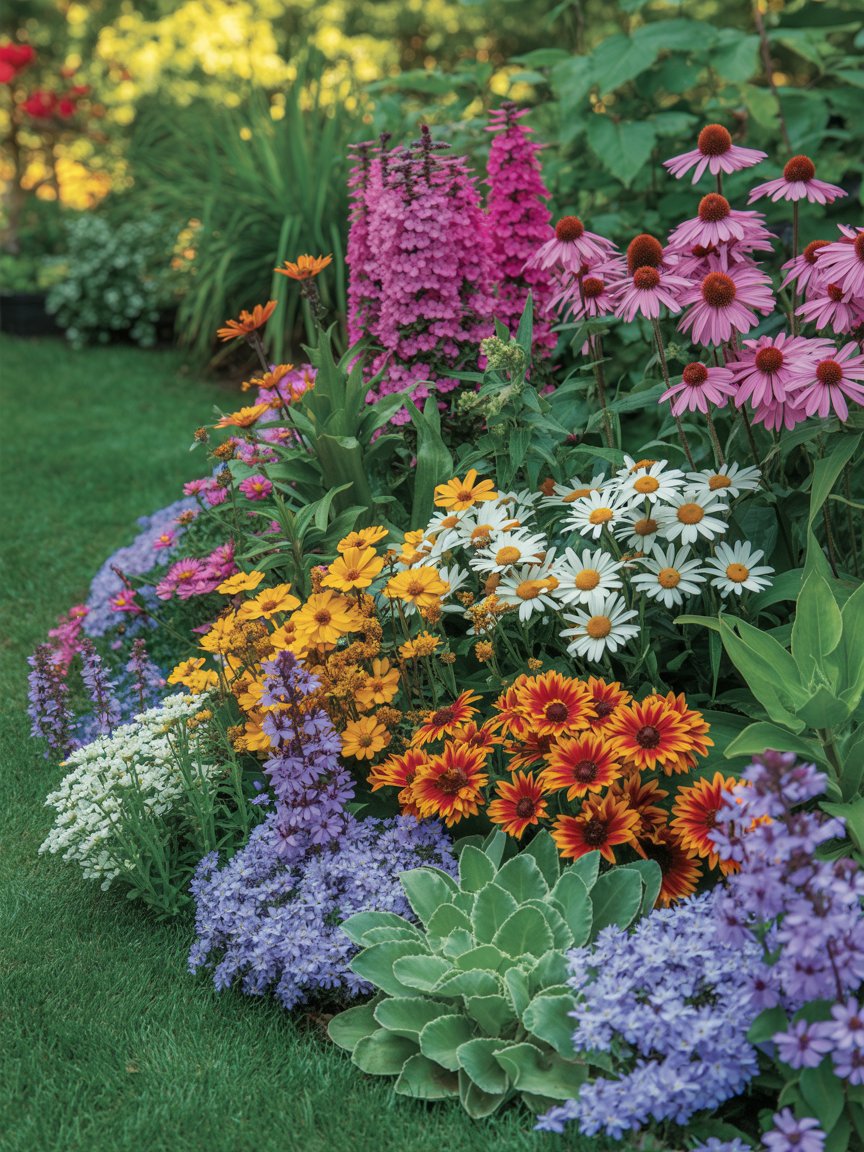
Let’s break down how to design, plant, and grow your own slice of backyard heaven.
The Philosophy: From Circular Plot to Circular Plate
The magic of a pizza garden is its closed-loop inspiration. You design a garden whose sole purpose is to come together on a pizza. This focuses your planting, reduces waste, and provides a tangible, delicious goal. It’s perfect for getting kids excited about gardening and cooking!
Step 1: Planning Your Pizza Plot – Choose Your Crust & Toppings
First, decide what kind of pizza maker you are. This will determine your plant list.
- The Classic Margherita Fan: Basil, tomatoes, garlic.
- The Veggie Supreme Lover: Peppers (bell & chili), onions, mushrooms, spinach, olives (if you have a warm climate for a tree!).
- The Gourmet Adventurer: Arugula (rocket), oregano, thyme, rosemary, sage for infused oils, even edible flowers like nasturtiums for a post-bake garnish.
The Essential “Dough” Plants: Even your crust can be garden-adjacent! While you won’t grow wheat, you can grow herbs to flavor the dough or oil: rosemary, garlic, oregano.
Step 2: Designing the Layout – The Pizza Slice or Wheel Method
Make it fun and functional! The classic design is a circle divided into wedges, like a pizza pie.
- Mark Your Circle: A 6-8 foot diameter is a great size for a dedicated bed.
- Divide the Slices: Use garden twine or stones to create 6-8 wedges.
- Assign a Topping to Each Wedge:
- One wedge: Tomatoes (one slicing variety, one cherry).
- One wedge: Peppers & onions.
- One wedge: Basil and other soft herbs (oregano, marjoram).
- One wedge: Garlic and perennial herbs (rosemary, thyme, sage).
- One wedge: Leafy greens (spinach, arugula).
- One wedge: Annual flowers (calendula, nasturtiums) to attract pollinators that will help your tomatoes and peppers set fruit.
No Space? Go Container! Use a large, deep pot for a single tomato or pepper plant, and surround it with smaller pots of herbs. A “pizza patio” is just as effective.
Step 3: Selecting & Planting Your “Toppings”
Here’s your plant-by-plant guide, from the sauce outwards.
The Sauce & Star Toppings:
- Tomatoes: The heart of the sauce. Choose a paste tomato like ‘Roma’ or ‘San Marzano’ for thick sauce, and a cherry tomato like ‘Sun Gold’ for fresh topping. Needs: Full sun, sturdy cage/trellis, consistent watering.
- Bell Peppers & Chili Peppers: Sweet or heat, they add crunch and flavor. Needs: Full sun, warm soil, support for heavy fruit.
- Onions & Garlic: Plant garlic in the fall for a summer harvest. Onion sets can be planted in spring. They are great for the edges of your wedges. Needs: Full sun, well-drained soil.
The Herb Kingdom (The Flavor Bomb):
- Basil: The king of pizza herbs. Plant several plants! Pinch off flowers to encourage bushy leaf growth. Needs: Warmth, sun, regular harvesting.
- Oregano & Marjoram: Perennial flavor. One plant will spread generously. Needs: Sun, well-drained soil.
- Rosemary & Thyme: Woody perennials. Plant on the sunniest, driest edge of your garden. They thrive on neglect. Perfect for flavoring dough or oil.
The Leafy Greens (The Fresh Finish):
- Arugula (Rocket) & Spinach: Plant in early spring or fall. They grow quickly and can be harvested as baby greens for a fresh topping after the pizza comes out of the oven. Needs: Cooler weather, partial shade in summer.
The Support Cast:
- Nasturtiums & Calendula: These edible flowers attract pollinators, repel some pests, and their bright petals make a stunning, peppery garnish. Needs: Sun to part shade.
Step 4: Care & Feeding of Your Pizza Patch
- Sun: Your pizza garden needs a minimum of 6-8 hours of direct sun daily. Herbs and fruit need light to develop essential oils and sugars.
- Soil: Use rich, well-draining soil amended with plenty of compost. Tomatoes and peppers are heavy feeders.
- Water: Consistent, deep watering is key, especially for tomatoes to prevent blossom-end rot. Water at the base, not the leaves.
- Harvesting:
- Herbs: Harvest regularly in the morning after the dew dries. This promotes bushier growth.
- Tomatoes & Peppers: Harvest when fully colored and slightly firm.
- Greens: “Cut-and-come-again” by snipping outer leaves.
Step 5: The Grand Finale – From Garden to Oven
The true celebration is harvest day!
- Make the Sauce: Simmer your paste tomatoes with homegrown garlic, onion, oregano, and a pinch of chili flakes.
- Prepare the Toppings: Slice peppers, halve cherry tomatoes, chiffonade the basil.
- Bake: Assemble your pizza. Pro tip: Add delicate herbs like basil after baking to preserve their bright flavor.
- The Post-Bake Garden Touch: After pulling the pizza from the oven, scatter fresh arugula leaves, whole small basil leaves, or edible flower petals over the top. Drizzle with rosemary-infused olive oil.
The Deeper Reward: More Than Just a Meal
A pizza garden teaches valuable lessons:
- Seasonality: You eat what’s ripe, connecting you to the natural calendar.
- Circular Living: You see the direct path from soil to sustenance.
- Patience & Reward: From tiny seed to bubbling cheese, the process is a masterclass in delayed gratification.
Conclusion: Your Backyard Pizzeria is Open
Growing a pizza garden wraps the joys of gardening, cooking, and eating into one beautifully circular package. It’s practical, educational, and undeniably fun. It turns dinner into a celebration of your own labor and land.
So, sketch your circular plot, order your seeds, and get ready for the most local, fresh, and satisfying pizza party you’ll ever host—where the only food miles are the steps from your garden to your kitchen.
Ready to plant your pizza garden? What are your must-grow pizza toppings? Share your dream pizza garden layout or ask questions in the comments below. Let’s get cooking!