
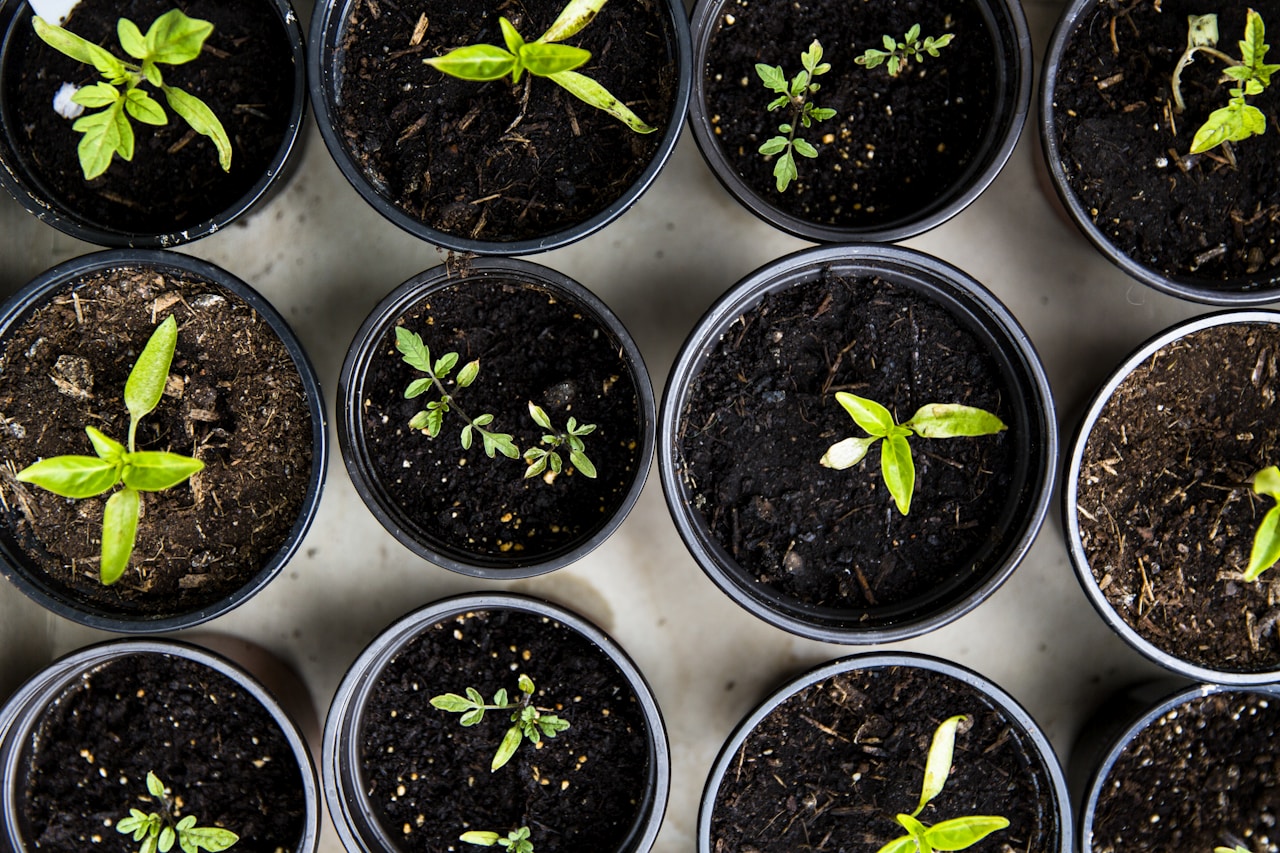
We are told the narrative of our time is one of loss. Of endings. Of the great unmaking. Glaciers retreat, species blink out, and the very weather feels like a fever dream. In this narrative, the individual is rendered powerless, a spectator to a tragedy unfolding on a planetary stage. But there is another story being written, not in headlines, but in humus. It is the story of the defiant garden. This is not gardening for pretty flowers or even for food security alone. This is gardening as a moral stance, a biological argument, a quiet but profound insurrection against the forces of entropy and extraction. It is the act of saying “No” to barrenness and “Yes” to life, in the most local, tangible terms possible. Over these 4,500 words, we will explore how your garden can become a cell in the growing body of resistance, a laboratory for post-collapse logic, and a sanctuary for a hope that is rooted, literal, and alive.
PART I: THE DEFIANCE – What We Are Fighting Against
1. Defying the Logic of the Monoculture
The dominant logic of our age is the industrial monoculture: vast, simplified systems that maximize one output (corn, soy, profit) at the expense of all else. It is a logic of domination, reduction, and control. It requires constant inputs of energy, chemicals, and violence to maintain its unnatural simplicity.
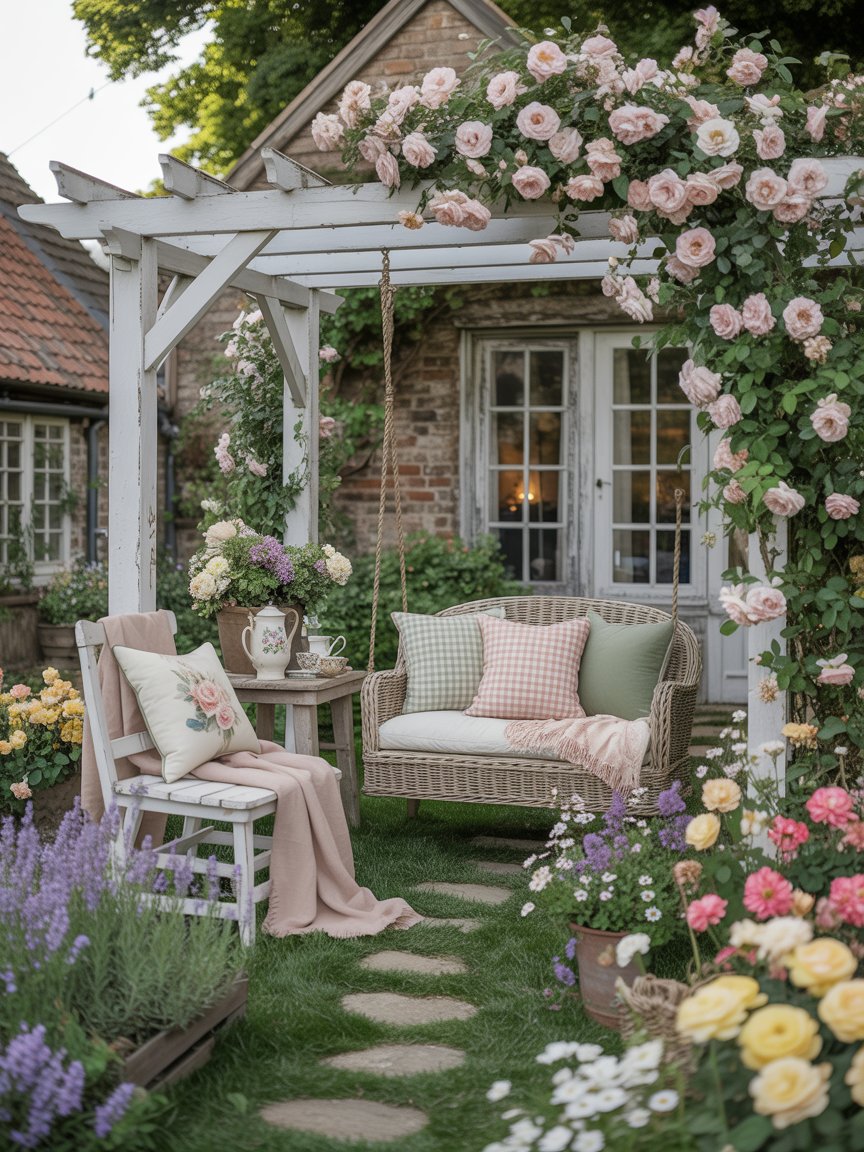
- The Garden’s Counter-Logic: The Polyculture. Your garden defies this by being complex, diverse, and self-reinforcing. It says that health is not in a single yield, but in multiple, stacked yields—food, medicine, habitat, beauty, soil. It demonstrates that resilience lies in relationships, not in isolated giants. A tomato plant alone is vulnerable; a tomato surrounded by basil, marigolds, and borage is part of a community that confuses pests, shares nutrients, and attracts defenders.
2. Defying the Cult of Sterility
We have been taught that nature is dirty, dangerous, and in need of sanitization. We spray to kill insects, herbicide to kill plants, and bleach to kill microbes. This war on wildness has left us with silent springs, allergic children, and sterile soils.
- The Garden’s Counter-Cult: The Ferment. The defiant garden is gloriously, productively “dirty.” It teems with life seen and unseen. Its central sacrament is the compost pile—a hot, rotting, chaotic masterpiece of transformation. It embraces mycorrhizal fungi, bacterial brews (like Korean Natural Farming inputs), and the busy work of worms. It understands that sterility is death, and complexity is immunity.
3. Defying the Mythology of Scarcity
Our economic and political systems are built on a story of scarcity: there is not enough, so we must compete, hoard, and extract. This story creates fear, isolation, and endless growth on a finite planet.
- The Garden’s Counter-Myth: Generous Abundance. A well-designed garden operates on a logic of prolific, shareable surplus. A single zucchini plant can produce more than a family can eat. A comfrey plant generates immense biomass for mulch and medicine. An apple tree showers fruit. The garden teaches enoughness and trains us in the art of redistributive generosity—sharing seeds, cuttings, and harvests, thus building community resilience that defies the scarcity script.
PART II: THE ARSENAL – Tools of the Defiant Gardener
4. The Subversive Soil Sponge
The most revolutionary tool is not a weapon, but a sponge. Building living soil is the foundational act of defiance. It directly reverses the damage of industrial agriculture.
- Carbon Sequestration as Direct Action: By increasing soil organic matter through composting, no-till methods, and perennial planting, you are actively pulling carbon from the atmosphere and locking it underground. Your garden bed is a micro-scale climate solution. This isn’t a metaphor; it’s biogeochemistry.
- The Mycorrhizal Underground: Inoculating your soil with mycorrhizal fungi isn’t just a gardening tip; it’s networking the resistance. These fungi form the “wood wide web,” connecting plants, sharing resources, and transmitting warnings. You are fostering an underground communication network that operates on cooperation, not competition.
5. The Autonomous Water Sanctuary
Defying centralized, energy-intensive systems means capturing and managing your own water. This is a move toward hydrological independence.
- The Rainwater Citadel: Go beyond a barrel. Install linked cisterns, earthworks (swales, ponds), and greywater systems that turn your property into a self-reliant water catchment landscape. In an era of drought and unstable municipal systems, this is a practical and profound form of independence.
- Dew Harvesting & Fog Nets: In arid regions, using simple mesh structures to harvest atmospheric moisture is an act of biomimetic brilliance, pulling water from the air as the beetles and redwoods do. It defies the notion that water must come from a pipe or a bottle.
6. The Living Seed Bank
Control of seeds is control of the food supply. Defiance means reclaiming that control.
- The Open-Pollinated Insurrection: Grow and save seeds from open-pollinated, heirloom varieties. These are not owned by corporations; they are part of the commons. By saving them, you preserve genetic diversity and adapt plants to your specific, changing microclimate. You are engaging in participatory evolution.
- The Guerrilla Grafting Brigade: Learn to graft. Take scion wood from ancient, resilient fruit trees in forgotten orchards or neighbors’ yards and propagate them. You are cloning resistance, preserving hardy genetics that corporate nurseries have abandoned for more fragile, patented varieties.
PART III: THE TACTICS – Everyday Acts of Ecological Resistance
7. The Frontline: The Lawn Conversion
The perfect, chemical-green lawn is the ultimate symbol of submission to the monoculture and sterility cult. Converting it is a public declaration of independence.
- The Pollinator Parkway: Replace grass with a sweep of native wildflowers, clover, and creeping thyme. It becomes a public utility for bees and butterflies, a visible statement that your land serves life, not an outdated aesthetic.
- The Edible Edge: Plant a food forest in your front yard. Espalier fruit trees along the fence. Let raspberries spill over the sidewalk. This normalizes food production, challenges notions of private property, and offers edible generosity to passersby.
8. The Intelligence Network: The Garden as Sensor Array
Your garden is not passive. It is a high-resolution sensor network for climate change and ecological health.
- Phenology as Data: Record bloom times, insect hatches, and first frosts. This longitudinal data for your backyard is invaluable, showing the local fingerprint of global change. Share it with community science projects.
- The Canary Crops: Plant climate “indicator” species—things that shouldn’t thrive in your zone but are starting to. Their success or failure gives you a tangible, personal readout of a shifting world.
9. The Sanctuary: Creating a Refuge for the Persecuted
In the Sixth Mass Extinction, your garden can be a lifeboat for non-human refugees.
- Host Plants as Safe Houses: Plant milkweed for monarchs, pawpaw for zebra swallowtails, specific native flowers for specialist bees. You are providing critical habitat for the persecuted—species whose homes have been destroyed by the very logic you are defying.
- The “Messy” Sanctuary: Leave a section “wild”—a brush pile, a patch of unmown native grasses, a dead standing tree (snag). This provides essential overwintering and nesting habitat. It defies the tidy aesthetic and declares that all stages of life, including decay, have value.
PART IV: THE LOGISTICS – Building Resilience for the Long Fight
10. The Circular Economy of One Plot
Defiance requires reducing dependence on the extractive system. Create a closed-loop economy in your garden.
- Waste = Food: All “waste” is cycled. Kitchen scraps become compost. Urine becomes fertilizer. Greywater irrigates fruit trees. Diseased plants (except for serious soil-borne pathogens) are hot-composted. You strive for zero exports to landfill and zero imports of fertility.
- Tool Sovereignty: Invest in and master human-scale tools: scythes, broadforks, hand pruners. Maintain them impeccably. They grant you operational independence from fossil fuels and complex machinery.
11. The Cell Structure: Networking with Other Defiant Plots
No garden is an island. Resilience is networked.
- The Neighborhood Germplasm Exchange: Form a group to swap seeds, seedlings, and divisions. This creates a distributed, redundant genetic bank that no disaster can wipe out.
- Skill-Shares as Resistance Training: Host and attend workshops on seed saving, food preservation, tool repair, and herbal medicine. You are not just sharing tips; you are building a community’s capacity for self-reliance, decentralizing essential knowledge.
EPILOGUE: THE HARVEST OF DEFIANCE
The yield of a defiant garden is measured in more than pounds of produce.
- The Yield of Agency: In a world designed to make you feel helpless, the garden gives you a sphere of undeniable, positive agency. You build soil, sequester carbon, save species, and feed your community. This is an antidote to despair.
- The Yield of Reticulate Hope: This is not the shallow hope of optimism, but the deep, root-like hope that comes from engaging in a process of life-making. It is the hope of the mycelium, spreading unseen. It is the hope of the seed, holding a future in stasis.
- The Yield of a New Story: Ultimately, your garden is a narrative device. It tells a new story to your neighbors, your children, and yourself: a story where humans are healers, not destroyers; where abundance comes from reciprocity, not extraction; where the future is grown from the soil up, not dictated from the boardroom down.
Begin your defiance today. It can start with a single act: planting a native oak acorn whose maturity you will never see, saving seeds from a particularly tough tomato, or turning off your irrigation to see what truly thrives. You are not just planting a garden. You are planting a flag. You are declaring that in your corner of the world, life—complex, collaborative, resilient, and generous—will have the final word.