
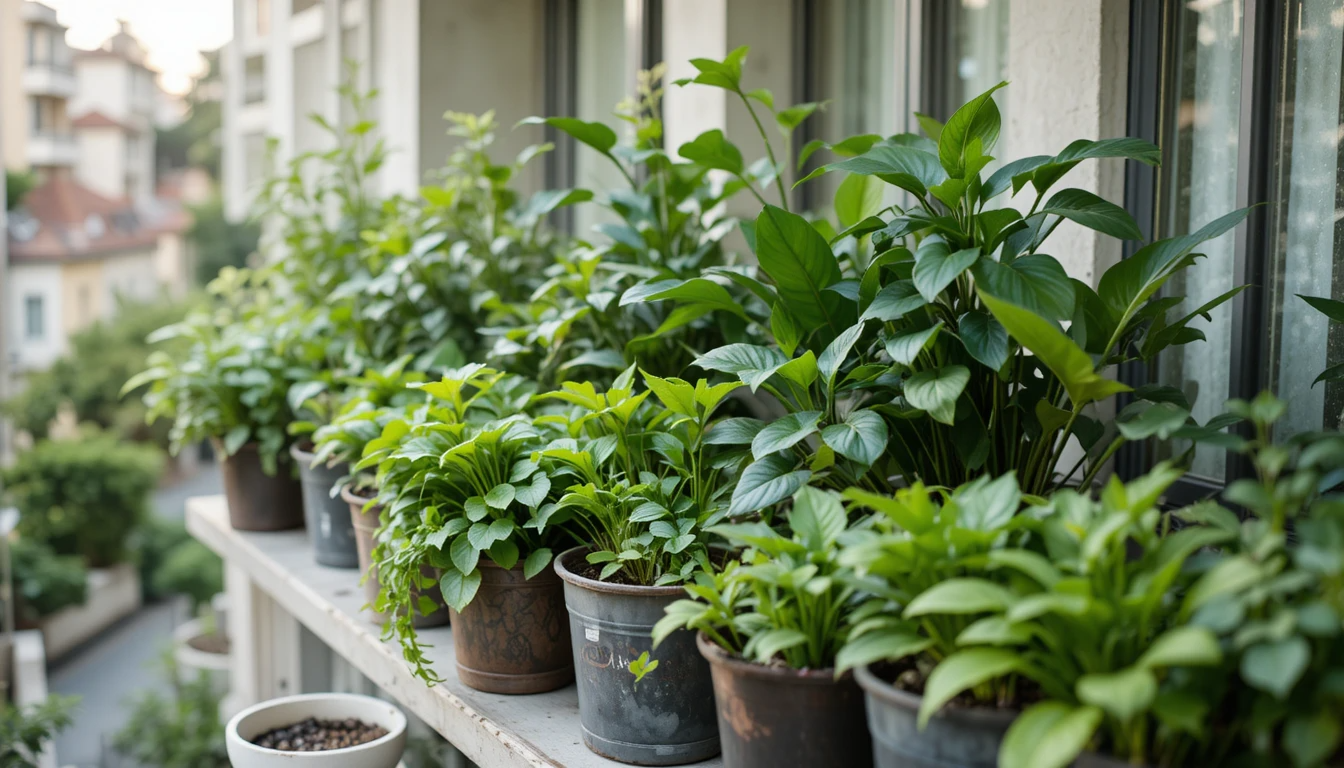
In the quiet hum of a summer garden, a revolution is taking place. It’s not broadcast on news channels or debated in political arenas. It’s happening in backyards, on balconies, in community plots, and window boxes across the world. This revolution begins with a simple, radical act: choosing to garden not just for beauty or harvest, but for the Earth itself.
Eco-friendly gardening represents one of the most accessible and powerful forms of environmental activism available to us today. Each square foot of land tended with ecological awareness becomes a micro-sanctuary, a classroom, and a climate solution. This comprehensive guide will walk you through transforming any space—from a sprawling acre to a fire escape—into a thriving ecosystem that gives back more than it takes.
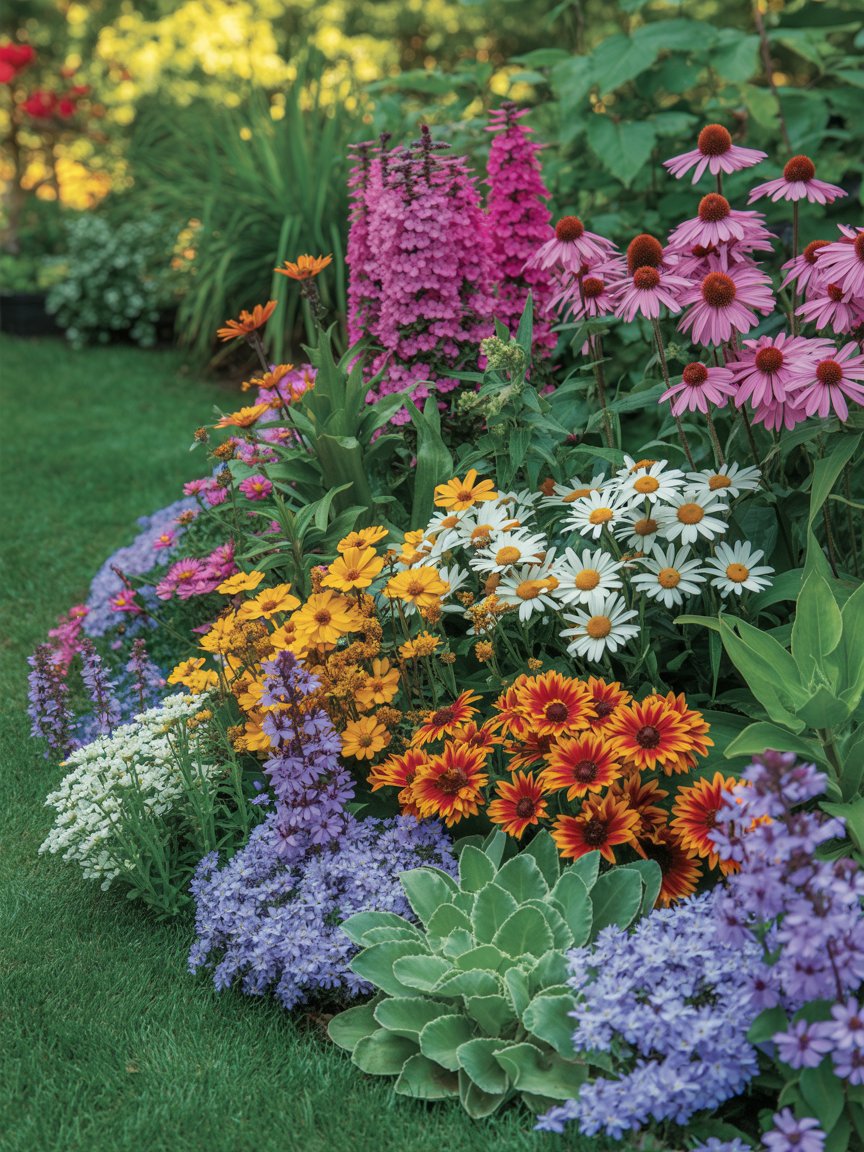
Part I: The Why—Understanding the Urgency
The Unseen Crisis in Conventional Gardening
Most of us inherit a gardening paradigm rooted in post-war thinking: lawns should be uniformly green and weed-free, gardens should be pest-free, and achieving these ideals justifies chemical intervention. This approach has created unintended consequences:
- The Silent Spring in Our Own Yards: Rachel Carson’s warnings about pesticide overuse continue to resonate. A 2019 study published in Biological Conservation estimated that 40% of insect species are declining globally, with pesticides a primary driver. Your garden choices directly impact this trend.
- The Thirsty Lawn: NASA satellite data reveals that turf grass is America’s largest irrigated “crop,” covering three times more area than corn. This green monoculture supports minimal biodiversity while consuming approximately 9 billion gallons of water daily.
- Soil Degradation: The UN’s Food and Agriculture Organization warns that at current rates of degradation, all of the world’s topsoil could be gone within 60 years. Conventional tilling and chemical use accelerate this loss.
- Carbon Footprint: The lawn care industry contributes significantly to emissions through gas-powered equipment, fertilizer production, and transportation of non-native plants.
The Transformative Power of Ecological Gardening
When we shift to eco-friendly practices, our gardens become part of the solution:
- Carbon Sinks: Healthy, undisturbed soil with ample organic matter actively sequesters atmospheric carbon. A single acre of regeneratively managed land can sequester up to 10 tons of carbon annually.
- Biodiversity Hotspots: Even small gardens can provide critical stepping stones for pollinators and wildlife in urban landscapes.
- Water Management: Permeable, healthy soil absorbs rainwater, reducing runoff and preventing erosion while recharging groundwater.
- Climate Resilience: Diverse, deeply rooted plant communities withstand extreme weather better than monocultures.
Part II: The Foundation—Building Living Soil
Understanding Soil as an Ecosystem
Soil is not merely a growing medium—it’s a complex, living world. One teaspoon of healthy soil contains more microorganisms than there are people on Earth. These organisms—bacteria, fungi, protozoa, nematodes—form intricate relationships that cycle nutrients, build soil structure, and protect plants.
The No-Till Revolution:
Traditional tilling was thought to aerate soil, but we now understand it destroys fungal networks, disrupts soil structure, releases stored carbon, and brings weed seeds to the surface. The no-till approach mimics natural systems:
- Layer, Don’t Dig: Start with cardboard or newspaper to suppress existing vegetation.
- Add Brown Material: A layer of carbon-rich materials like leaves, straw, or shredded paper.
- Add Green Material: Nitrogen-rich materials like grass clippings or kitchen scraps.
- Top with Compost: 2-3 inches of finished compost.
- Mulch Heavily: Cover with 4-6 inches of organic mulch.
This lasagna-style approach builds soil naturally over time, preserving its structure and biology.
Composting Mastery: From Waste to Wealth
Beyond the Basic Bin:
- Vermicomposting: Using worms to process kitchen scraps produces exceptionally rich castings. A worm bin can thrive indoors year-round, making it perfect for apartment dwellers.
- Bokashi Fermentation: This Japanese method ferments all food waste (including meat and dairy) anaerobically before adding to soil, breaking it down quickly.
- Community Composting: Many cities now offer municipal composting, returning finished compost to residents.
The Art of Compost Balancing:
Maintain a carbon-to-nitrogen ratio of about 25-30:1. “Browns” (carbon): dried leaves, straw, paper, cardboard. “Greens” (nitrogen): vegetable scraps, coffee grounds, fresh grass clippings. Turn regularly for faster decomposition, or leave unturned for slower, cooler composting that preserves more beneficial fungi.
Part III: Water Wisdom in a Changing Climate
Rethinking Our Relationship with Water
In an era of increasing droughts and floods, how we manage water in our gardens becomes both practical necessity and ethical imperative.
Rainwater Harvesting Systems:
- Simple Start: A single 50-gallon rain barrel can capture approximately 300 gallons from just one inch of rain on a 1,000-square-foot roof.
- Advanced Systems: For serious water independence, consider linking multiple barrels or installing a cistern. These can be plumbed to drip irrigation systems.
- Rain Gardens: Strategically placed depressions planted with water-tolerant natives capture runoff, allowing it to infiltrate slowly while filtering pollutants.
Irrigation Intelligence:
- Drip Systems: Deliver water directly to root zones with 90% efficiency versus 65% for sprinklers.
- Olla Irrigation: Unglazed clay pots buried in soil slowly release water as needed, a 4,000-year-old technology experiencing a renaissance.
- Self-Wicking Beds: Container gardens with reservoir systems that allow plants to draw up water as needed, reducing watering frequency by 80%.
Planting for Dry Times:
Xeriscaping—gardening with drought-tolerant plants—doesn’t mean just cacti and rocks. Beautiful, lush gardens can thrive with minimal water through:
- Native plant selection
- Strategic grouping by water needs (hydrozoning)
- Deep, infrequent watering to encourage deep roots
- Maximizing shade and wind protection
Part IV: Beyond Pest Control—Cultivating Ecological Balance
Shifting from War to Ecosystem Management
The goal isn’t eradication but equilibrium. A healthy garden includes some pests—they’re food for the predators we want to attract.
Creating an Insectary:
Designate 10-20% of your garden space for plants that specifically support beneficial insects:
- Umbellifers (dill, fennel, cilantro) attract parasitic wasps and hoverflies
- Asters (coneflower, goldenrod, aster) provide late-season nectar
- Mints (including catmint, bee balm) draw pollinators and predatory insects
- Brassicas allowed to flower (kale, mustard) are excellent for early-season beneficials
The Bird and Bee Sanctuary:
- Layered Planting: Create canopy, understory, shrub, and ground layers to support diverse species.
- Winter Habitat: Leave seed heads and standing stems through winter for birds and overwintering insects.
- Water Features: A simple birdbath or shallow dish with stones for perching provides essential hydration.
When Intervention is Necessary:
Follow this hierarchy before reaching for any spray:
- Observation: Is damage truly threatening the plant or just cosmetic?
- Physical Removal: Hand-pick, use water spray, or barriers like row covers.
- Biological Controls: Introduce or encourage natural predators.
- Botanical Sprays: As last resort, use targeted applications of neem or insecticidal soap at dusk when pollinators aren’t active.
Part V: The Plant Palette—Curating Your Living Collection
Native Plants: The Ecological Superstars
Native plants form the backbone of the eco-garden because they:
- Co-evolved with local wildlife, providing ideal food and habitat
- Require less water once established
- Generally resist local pests and diseases
- Don’t become invasive
Finding Your Locals:
Consult your state’s native plant society, university extension service, or the National Wildlife Federation’s Native Plant Finder. Don’t be dogmatic—some well-behaved non-natives can be included, but aim for at least 70% native species.
The Edible Ecosystem
Growing food represents the ultimate closing of the loop. Even small spaces can be remarkably productive:
Vertical Gardening:
- Trellised beans, cucumbers, and peas
- Stacked planters for herbs and strawberries
- Espaliered fruit trees against walls
Perennial Foods:
- Fruit and Nut Trees: The ultimate permaculture investment
- Berry Bushes: Raspberries, blueberries, currants
- Perennial Vegetables: Asparagus, rhubarb, artichokes, walking onions
- Edible Groundcovers: Alpine strawberries, creeping thyme
Seed Sovereignty:
Saving seeds from open-pollinated varieties preserves genetic diversity and adapts plants to your specific microclimate. Start with easy savers like beans, tomatoes, lettuce, and peas.
Part VI: The Sustainable Garden Infrastructure
Materials with Integrity
Every garden structure presents sustainability choices:
Paths and Patios:
- Permeable options (gravel, pine needles, spaced pavers) allow water infiltration
- Local stone has lower transportation footprint
- Reclaimed bricks or urbanite (broken concrete) give materials a second life
Raised Beds:
- Use untreated, rot-resistant wood (cedar, redwood) or recycled plastic lumber
- Avoid pressure-treated wood containing copper, chromium, or arsenic
- Consider hugelkultur—mounded beds built over rotting wood that retains moisture and slowly releases nutrients
Fencing and Structures:
- Living fences (hedgerows) provide habitat and beauty
- Bamboo (if locally appropriate) is a rapidly renewable resource
- Salvaged materials often have more character and lower impact
The Energy-Efficient Garden
Tool Selection:
- Hand tools for small spaces provide quiet, emission-free work
- Electric tools (preferably battery) for larger areas
- If using gas, maintain equipment properly and use ethanol-free fuel
Lighting:
- Solar-powered LEDs for necessary lighting
- Dark-sky friendly fixtures that direct light downward
- Embrace natural darkness—fireflies need it to find mates
Part VII: The Social Garden—Community and Connection
Growing Beyond Your Boundaries
The ecological garden naturally extends into community:
Planting for Sharing:
- Include extra food plants to share with neighbors
- Plant fruit trees near property lines as gifts to passersby
- Establish a seed library or plant swap in your neighborhood
Habitat Corridors:
Work with neighbors to create connected green spaces that allow wildlife to move safely through urban areas. Even small gaps between properties filled with native plants create valuable pathways.
Knowledge Sharing:
- Offer to help neighbors start their first compost bin
- Share excess plants and seeds
- Create a neighborhood garden map showing what everyone grows
The Garden as Classroom
Your eco-garden becomes a living laboratory:
- Teach children about life cycles through composting
- Demonstrate water cycles with rain barrels and permeable surfaces
- Show carbon sequestration in action through soil building
- Illustrate biodiversity through the variety of visitors your garden attracts
Part VIII: Through the Seasons—A Year-Round Practice
Spring: Awakening and Planning
- Soil Preparation: Gently remove winter mulch once soil reaches 50°F
- Early Planting: Cool-season crops and hardy natives
- Observation: Note what survived winter and where water pools
Summer: Growth and Management
- Water Wisely: Focus on new plantings and edible crops
- Pest Monitoring: Daily walks to catch issues early
- Seed Saving: Begin collecting from early bloomers
Autumn: Harvest and Preparation
- Planting Perennials: Ideal time for trees, shrubs, and many natives
- Soil Building: Major compost and mulch applications
- Leave the Leaves: Where possible, let them remain as natural mulch and insect habitat
Winter: Rest and Reflection
- Planning: Order seeds, redesign areas, attend gardening webinars
- Structure Maintenance: Repair beds, clean tools, organize supplies
- Enjoying: Watch winter birds, appreciate garden structure, track animal visitors
Epilogue: The Garden of Tomorrow
Eco-friendly gardening is more than a hobby—it’s a practice of hope in a time of ecological uncertainty. It represents a quiet but profound rebellion against the extractive mindset that has brought us to our current environmental crossroads.
Each garden, no matter how small, becomes part of a collective patchwork of restored land. These patches connect, both physically through green corridors and spiritually through shared purpose. They demonstrate that human spaces need not be separate from nature but can be integrated, mutually beneficial components of local ecosystems.
The garden teaches patience—with the seasons, with ourselves, with the gradual process of soil building. It teaches resilience—as plants adapt and we learn from failures. Most importantly, it teaches interconnection—how our choices ripple through the web of life.
This garden revolution asks us to see with new eyes: to recognize the wildness in our cultivated spaces, to find beauty in ecological function, and to measure success not by perfection but by vitality, diversity, and sustainability.
As you begin or deepen your eco-gardening journey, remember that every choice matters but perfection isn’t required. Start where you are. Replace one section of lawn. Install one rain barrel. Plant one native shrub. Save seeds from one heirloom tomato. Each action connects you more deeply to your place on this Earth and contributes to the healing we so desperately need.
The quiet revolution grows one garden at a time. May yours be a sanctuary, a classroom, a haven for life, and a source of endless wonder.