
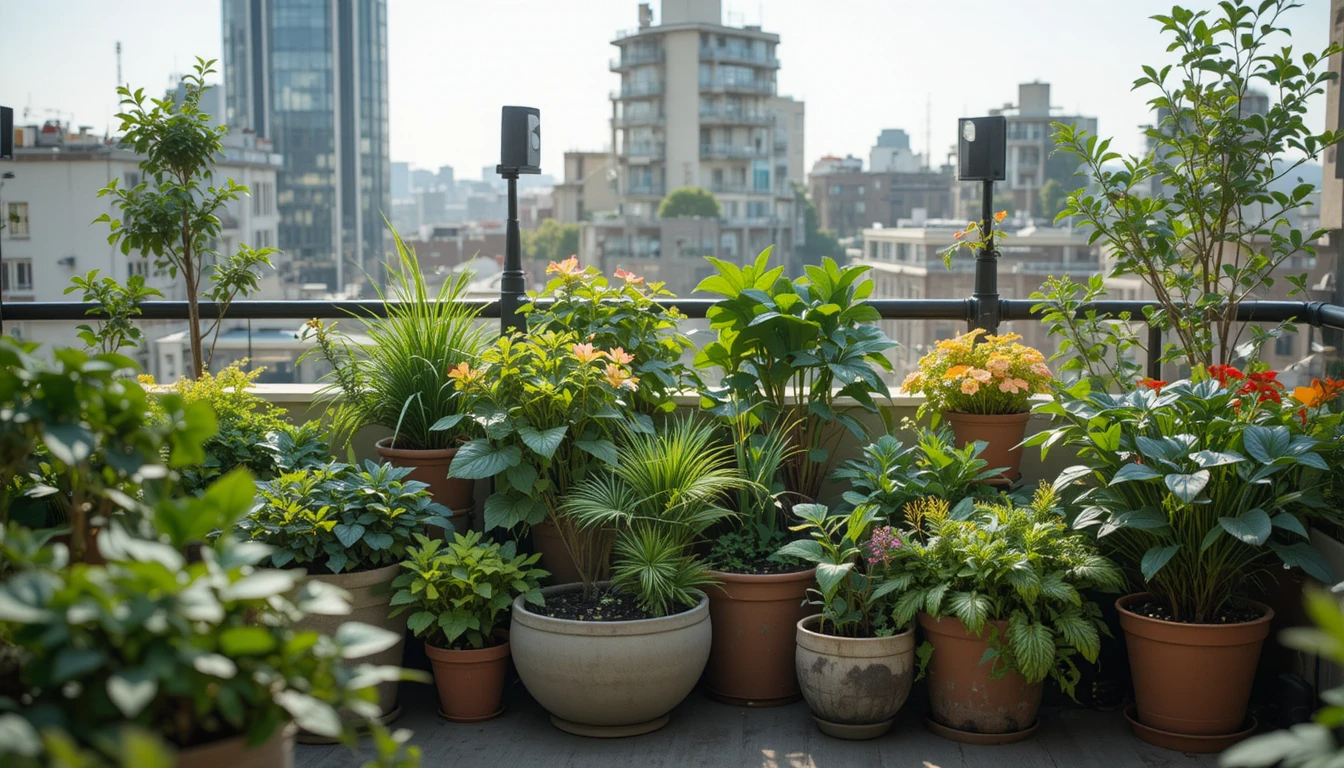
We stand at a fascinating crossroads in human habitation. As our lives become increasingly digital, urban, and fast-paced, a powerful counter-movement is taking root—one that seeks to rewild our interiors, to bring the rhythms and textures of the natural world back into our daily lives. This isn’t merely about buying houseplants; it’s about the intentional, artistic practice of plant styling—the conscious arrangement of living elements to create spaces that don’t just look beautiful, but feel alive, breathe, and transform us as much as we transform them.
Plant styling sits at the intersection of interior design, horticulture, and mindfulness. It recognizes that the way we arrange our green companions affects not only their health and our aesthetic pleasure but also our mental state, creativity, and connection to the living world. This comprehensive guide explores how to move beyond simple plant ownership to become a curator of living art, crafting spaces that tell stories, evolve with time, and nurture our deepest need for natural beauty.
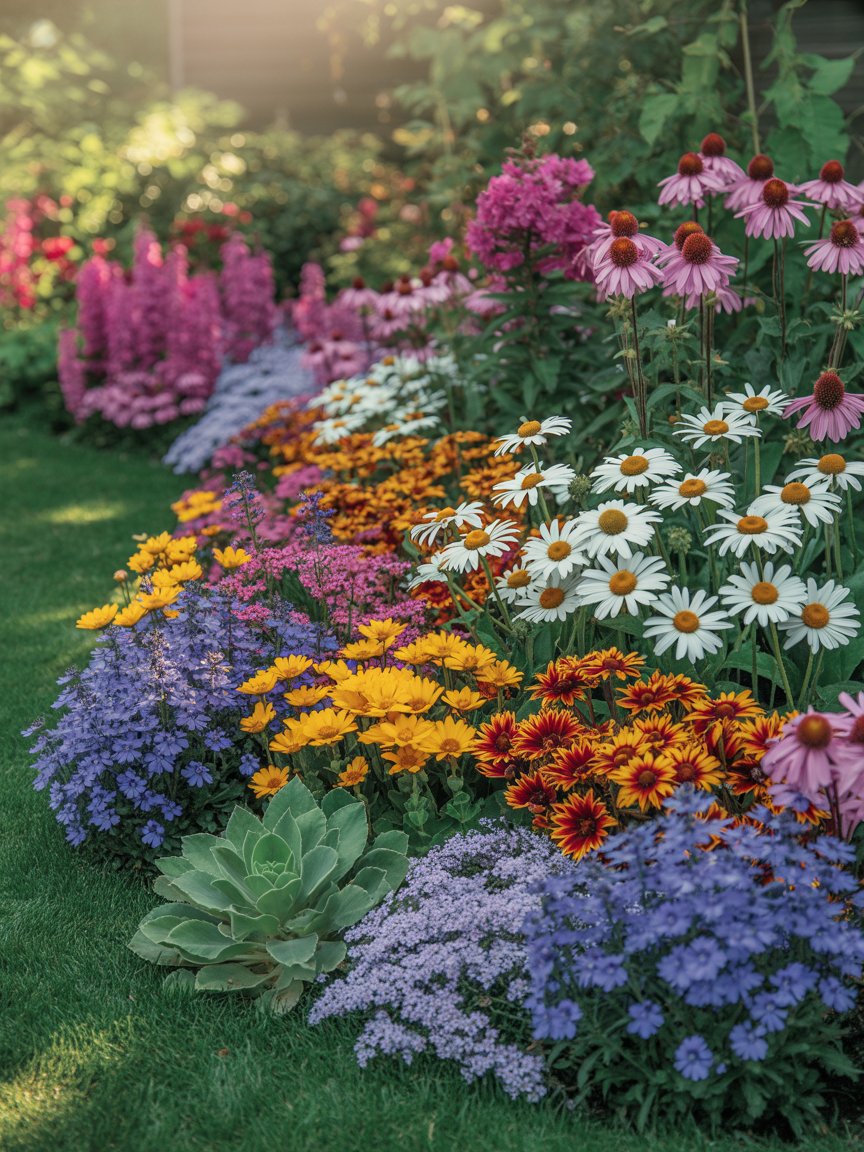
Part I: The Philosophy of Plant Styling — More Than Decor
Biophilia as Foundation
The concept of biophilia—the innate human attraction to nature—forms the bedrock of plant styling. But contemporary plant styling pushes beyond simply adding plants to a room. It engages with biophilia on multiple levels:
Cognitive Biophilia: Creating arrangements that stimulate our pattern-recognition systems through varied leaf shapes, textures, and growth habits.
Emotional Biophilia: Using plants to evoke specific feelings—serenity through flowing ferns, vitality through citrus trees, mystery through trailing vines in shadowy corners.
Practical Biophilia: Ensuring arrangements serve functional purposes—improving air quality, defining spaces, or masking unpleasant views.
The Slow Design Movement
Plant styling aligns perfectly with the Slow Design philosophy. Unlike fast-fashion decor, a styled plant collection:
- Evolves gradually over seasons and years
- Teaches patience through observation of growth cycles
- Creates narrative as plants mature and spaces transform
- Values provenance through propagation and sharing
The Gardener as Curator
Adopting this mindset transforms your relationship with plants. You become less a “plant parent” and more a curator of living collections or a director of green installations. Each plant is selected not just for its beauty but for how it contributes to the overall composition, how it interacts with light and space, and what story it helps tell about the inhabitants of the space.
Part II: The Principles of Plant Composition — Visual Grammar
1. The Rule of Uneven Harmony
Forget symmetrical arrangements. Nature favors apparent randomness with underlying structure. Key principles include:
The Fibonacci Sequence in Practice: Group plants in numbers from the Fibonacci sequence (1, 2, 3, 5, 8) for naturally pleasing arrangements.
The 60-30-10 Texture Rule: Aim for approximately 60% of your composition to be medium-texture plants (like Monsteras or Philodendrons), 30% fine-texture (ferns, grasses), and 10% coarse-texture (cacti, succulents with bold forms).
Visual Weight Distribution: Balance “heavy” visual elements (large-leaved plants, dark foliage) with “light” elements (airy grasses, variegated plants) across a space.
2. Mastering the Five Planes of Greenery
Think of your space in three dimensions, plus time and scent:
The Vertical Plane (Height): Utilize tall floor plants, hanging installations, and climbing structures to draw the eye upward and create layers.
The Horizontal Plane (Spread): Use trailing plants, low bowls of succulents, and creeping ground covers to define spaces and lead the eye through a room.
The Depth Plane (Layering): Create foreground, midground, and background elements using plants of varying sizes and transparency.
The Temporal Plane (Change): Incorporate plants with different seasonal interests—flowering cycles, leaf changes, growth patterns that evolve.
The Olfactory Plane (Scent): Strategically place fragrant plants (jasmine, gardenia, herbs) where air circulation will distribute their scent.
3. The Art of Negative Space
In Japanese aesthetics, ma refers to the purposeful space between objects. In plant styling:
- Allow each significant plant its own “breathing room”
- Use empty walls or shelves as visual resting points
- Create intentional voids that highlight the plants around them
- Understand that what you don’t plant is as important as what you do
Part III: The Elemental Framework — Working With Your Space
The Light Assessment Matrix
Light isn’t just “bright” or “dark.” Consider these four factors:
Intensity: Measure with a light meter app. Different plants have specific LUX requirements.
Duration: Track how many hours of usable light each area receives.
Quality: Note if light is direct, filtered through sheers, or reflected.
Direction: Understand how seasonal changes affect light angles.
Create a light map of your space before selecting plants, matching each area’s conditions to appropriate species.
The Microclimate Audit
Every room contains multiple microclimates:
- Sun traps near south-facing windows
- Humidity pockets in bathrooms and kitchens
- Draft zones near doors and vents
- Temperature variations between floor and ceiling
Style plants according to these invisible boundaries, creating “plant communities” suited to each micro-environment.
Architectural Dialogue
Plants should converse with your space’s architecture:
- Soften hard lines with flowing, cascading plants
- Emphasize features by framing arches or windows
- Create illusions—tall plants can make ceilings feel higher, spreading plants can make narrow rooms feel wider
- Break up monotonous spaces with strategic green interruptions
Part IV: The Stylist’s Toolkit — Beyond Basic Arranging
The Pot as Pedestal
Choosing containers is an art form. Consider:
Material Psychology:
- Terracotta: Warm, breathable, traditional
- Glazed Ceramic: Modern, colorful, statement-making
- Concrete: Industrial, minimalist, sculptural
- Natural Fibers: Organic, textured, transient
- Metals: Sleek, reflective, contemporary
Scale and Proportion:
- Pot diameter should be roughly 1/3 to 1/2 the plant’s height
- Group pots with varied heights but related materials or colors
- Use risers, stands, and shelves to create elevation diversity
The Double-Potting System: Always use a functional inner pot (with drainage) inside a decorative outer pot. This allows for easy maintenance, seasonal changes, and protects both plant and container.
The Support System as Design Element
Climbing plants need support, but that support can be beautiful:
Natural Materials: Bamboo, branches, moss poles that blend with the plant
Architectural Elements: Brass or copper geometric forms, minimalist wire grids
Functional Art: Custom-designed trellises that become focal points
Invisible Support: Clear fishing line or nearly-invisible mesh for a “floating” effect
The Ground Layer Design
Don’t neglect the soil surface:
Top Dressing Options:
- Moss: Creates a woodland feel, retains moisture
- Pebbles/River Stones: Clean, modern, reduces evaporation
- Bark/Chips: Natural, forest-like
- Colored Sand: Dramatic, desert-inspired
Living Ground Covers: Small plants like baby’s tears or creeping fig can create a miniature landscape beneath larger plants.
Part V: Advanced Composition Techniques
Creating Green Vignettes
A vignette is a small, composed arrangement that tells a story. The classic formula:
Anchor + Companion + Spiller + Object
Example: A ZZ plant (anchor) in a concrete pot, paired with a pile of art books (companion), a trailing string of pearls (spiller) on the shelf below, and a single smooth stone (object) beside the pot.
The Color Theory of Foliage
Green isn’t just green. Build palettes:
- Monochromatic: Various shades of green (lime, forest, olive, sage)
- Analogous: Greens with touches of blue (blue spruce tones) or yellow (variegated plants)
- Complementary: Green foliage with touches of burgundy (like some philodendrons) or purple (oxalis, Persian shield)
- Triadic: Green with orange-toned stems and silvery leaves
Texture Mapping
Create tactile interest through deliberate texture contrast:
The Velvet Cluster: Group velvety plants like Gynura, Philodendron micans, and Anthurium clarinervium.
The Architectural Group: Combine plants with strong geometric forms—Sansevieria, ZZ plant, Euphorbia.
The Lacy Canopy: Use ferns, Asparagus setaceus, and delicate grasses together.
The Succulent Sculpture Garden: Mix varied succulent forms, focusing on shape rather than color.
Part VI: Styling for Specific Spaces & Atmospheres
The Mindful Workspace
Goal: Enhance focus and reduce stress
- Desk: One small, low-maintenance sculptural plant (haworthia, peperomia)
- Shelving: A trailing plant at eye level for visual breaks (pothos, philodendron)
- Behind monitor: A tall, slender plant to soften screen glare (sansevieria, dracaena)
- Key principle: Keep lines clean, avoid clutter, choose plants that thrive in artificial light
The Serene Bedroom
Goal: Promote rest and purification
- Nightstand: Small, air-purifying plant (snake plant, peace lily)
- Floor corner: Larger plant that releases oxygen at night (areca palm, orchid)
- Avoid: Strongly scented plants, spiky forms, anything that requires frequent watering
- Key principle: Soft shapes, muted colors, minimal maintenance requirements
The Social Living Area
Goal: Create welcoming atmosphere and conversation pieces
- Statement piece: One large, dramatic plant (fiddle leaf fig, monstera)
- Groupings: Odd-numbered clusters at varying heights
- Trailing elements: Plants that soften shelves or frame seating areas
- Fragrance: Subtle, pleasant scents near seating (jasmine, citrus)
- Key principle: Balance bold statements with comfortable, approachable greenery
The Humid Haven (Bathrooms & Kitchens)
Goal: Exploit microclimates for tropical displays
- Shower areas: Humidity-loving ferns, orchids, air plants
- Countertops: Herbs, small succulents in well-draining pots
- Windowsills: Propagation stations, water-rooted cuttings
- High shelves: Trailing plants that enjoy steam (pothos, philodendron)
- Key principle: Embrace the moisture, choose plants that thrive in these conditions
Part VII: The Seasonal Stylist — Evolving With Time
Spring: The Awakening
- Introduce flowering plants (orchids, anthurium)
- Start propagation projects displayed as living art
- Refresh top dressings and clean leaves
- Rotate plants to encourage even growth
- Style theme: Freshness, new beginnings, lightness
Summer: The Exuberance
- Move suitable plants outdoors temporarily
- Create lush, abundant groupings
- Incorporate seasonal blooms
- Focus on growth and expansion
- Style theme: Abundance, vibrancy, energy
Autumn: The Transition
- Bring plants back inside gradually
- Highlight plants with interesting seed pods or berries
- Introduce warmer foliage colors (burgundy tones)
- Prepare winter stations with grow lights
- Style theme: Warmth, preparation, texture
Winter: The Contemplation
- Create cozy green corners with focused lighting
- Highlight structural plants (succulents, trees)
- Use evergreens and plants with winter interest
- Incorporate festive elements naturally (pine cones, branches)
- Style theme: Structure, calm, introspection
Part VIII: Troubleshooting the Styled Space
Common Composition Problems & Solutions
Problem: “My arrangement looks messy, not styled.”
Solution: Edit ruthlessly. Remove one plant. Check that each element has intentional placement.
Problem: “Plants look like they’re competing, not complementing.”
Solution: Ensure varied heights, textures, and pot styles. Give each plant its visual space.
Problem: “The style works but plants aren’t thriving.”
Solution: Reassess light and placement. No aesthetic is worth a dying plant. Adjust for health first.
Problem: “It feels disconnected from the room.”
Solution: Add elements that tie plants to decor—a pot that matches upholstery, a plant stand in room’s wood tone.
Problem: “I’m bored with my arrangements.”
Solution: Implement a quarterly “plant rotation.” Move pieces to new locations. Swap pots. Propagate and create new elements.
The Maintenance-Styling Balance
- Schedule styling sessions alongside watering days
- Keep cleaning supplies attractive (brass mister, beautiful watering can)
- Make pruning part of the creative process
- View plant care as ongoing relationship, not chore
Part IX: Sustainable & Ethical Styling
Conscious Sourcing
- Choose local nurseries over big-box stores
- Ask about propagation methods
- Avoid endangered species
- Support growers using sustainable practices
The Propagation Aesthetic
Make propagation part of your style:
- Beautiful glassware for water propagation
- Dedicated “nursery” areas that look intentional
- Gifting propagated plants as living decor for others
Eco-Styling Practices
- Collect rainwater in attractive containers for watering
- Make your own potting mixes displayed in beautiful bins
- Choose biodegradable or reusable materials
- Compost in a stylish, odor-free system
Part X: The Future of Plant Styling
Technological Integration
- Smart pots that blend technology with design
- App-assisted styling using AR to preview arrangements
- Automated systems hidden in beautiful containers
- LED growth lights as design elements
Community and Sharing
- Plant styling workshops as social events
- Online platforms for sharing and critiquing arrangements
- Neighborhood plant styling “swaps”
- Collaborative public space projects
The Wellness Connection
- Increasing recognition of plant styling as therapeutic practice
- Integration with mindfulness and meditation spaces
- Hospital and workplace applications for healing environments
- Development of “plant therapy” styles for specific emotional needs
Conclusion: The Living Canvas
Plant styling represents a fundamental shift in how we inhabit our spaces. It asks us to move beyond seeing plants as decorative objects and instead recognize them as active participants in our daily lives, collaborators in creating atmosphere, and teachers in the art of patience and observation.
The most beautifully styled space isn’t the one with the rarest plants or most expensive pots. It’s the space where every element feels intentional yet alive, where plants are clearly thriving, and where the arrangement feels uniquely personal—a true extension of the inhabitants’ relationship with the natural world.
Begin not with a grand design, but with observation. Notice the light in your favorite chair at 4 PM. Feel the empty corner that needs something but you’re not sure what. Listen to what your space is asking for. Then introduce one plant, placed with care. Observe how it changes the room. Then another. And another.
In this gradual, thoughtful process, you’ll discover that plant styling is less about creating a perfect picture and more about cultivating a living relationship—with your space, with the plants, and with your own capacity to create beauty that breathes, grows, and transforms alongside you.
Your living canvas awaits. What story will you grow?